Employer Brand Audit: Assess Your Reputation as an Employer
Table of Contents
- Why You Need an Employer Brand Audit
- The Employer Brand Audit Framework
- Internal Assessment: What Employees Really Think
- External Assessment: How Candidates Perceive You
- Auditing Your Digital Employer Brand Presence
- Competitor Benchmarking
- Turning Audit Findings Into an Action Plan
- Frequently Asked Questions
Why You Need an Employer Brand Audit
An employer brand audit is a systematic evaluation of how your company is perceived as an employer, both internally by current employees and externally by candidates, former employees, and the broader market. Without a clear understanding of your current position, any employer branding efforts risk addressing the wrong problems or missing critical opportunities.
Many companies operate with assumptions about their employer brand that do not align with reality. Leadership may believe the company is known for innovation when candidates actually associate it with bureaucracy. HR might assume that compensation is the primary concern when employees actually care more about career development. An audit replaces assumptions with data.
In Singapore’s talent market, where competition for skilled professionals is intense, an audit provides the strategic foundation for effective employer branding. It identifies your strengths to amplify, weaknesses to address, and opportunities to differentiate. This is the essential first step before investing in employer branding initiatives.
Regular audits also track progress over time. An annual or biannual audit allows you to measure whether your employer branding investments are shifting perceptions in the desired direction. Without this measurement, you are navigating without a compass.
The Employer Brand Audit Framework
A comprehensive employer brand audit examines four dimensions: internal perception, external perception, digital presence, and competitive positioning. Each dimension provides unique insights that together form a complete picture.

Internal perception reveals how current employees experience and describe your company. This is the foundation of your employer brand because employee experiences ultimately shape external perceptions through reviews, word-of-mouth, and social media sharing.
External perception captures how candidates, former employees, and the broader market view your company as an employer. This is what your employer brand looks like from the outside, the version that influences whether candidates choose to apply.
Digital presence assesses how your employer brand appears across online channels. In today’s digital-first world, most candidate impressions are formed online before any human interaction occurs.
Competitive positioning evaluates your employer brand relative to companies you compete with for talent. Understanding where you stand in comparison to alternatives gives context to your strengths and weaknesses.
Use a structured scorecard to rate each dimension across multiple criteria. This quantitative approach makes it easier to track changes over time and prioritise improvements. Pair the scorecard with qualitative insights from interviews and open-ended survey responses for a richer understanding.
Internal Assessment: What Employees Really Think
The internal assessment is the most critical component of your audit. If your internal reality does not support your external messaging, your employer brand will eventually crumble under the weight of its own inauthenticity.
Employee surveys provide quantitative data at scale. Use a combination of Likert scale questions and open-ended responses. Cover topics including job satisfaction, management quality, career development, work-life balance, compensation fairness, company culture, and likelihood to recommend the company. Ensure anonymity to encourage honest responses.
Focus groups add depth to survey data. Conduct sessions with groups of six to ten employees, segmented by department, seniority, and tenure. A skilled facilitator can uncover nuances that surveys miss, such as the gap between what employees say they value and what actually drives their daily satisfaction.
One-on-one interviews with key stakeholders provide leadership perspectives. Interview senior leaders, HR managers, and team leads to understand their view of the employer brand, their challenges in attracting and retaining talent, and their aspirations for the company culture.
Exit interview data reveals why employees leave. Analyse patterns in exit interviews over the past twelve to twenty-four months. Recurring reasons for departure highlight employer brand weaknesses that need urgent attention.
Employee Net Promoter Score, or eNPS, provides a single benchmark metric. Ask employees how likely they are to recommend the company as a place to work on a scale of zero to ten. Track this score over time as a headline indicator of employer brand health. Compare this with the internal metrics in your broader employer branding metrics framework.
External Assessment: How Candidates Perceive You
Understanding external perceptions requires gathering data from multiple sources. Candidates form impressions through a variety of touchpoints, and your audit should examine each one.

Glassdoor and similar review platforms provide unfiltered employee and candidate perspectives. Analyse your reviews thematically, looking for recurring praise and criticism. Pay attention to interview reviews, which reveal how candidates experience your recruitment process. A dedicated Glassdoor management strategy can address issues uncovered here.
Candidate surveys capture feedback from people who have recently interacted with your recruitment process. Survey both successful and unsuccessful candidates about their experience. Ask about their perception of your company before, during, and after the process.
Recruiter feedback offers a market perspective. External recruiters who specialise in your industry interact with hundreds of candidates and can provide candid insights about how your company is perceived relative to competitors.
Social listening reveals organic conversations about your company. Monitor mentions on LinkedIn, Reddit Singapore, HardwareZone forums, and other platforms where professionals discuss employers. These unstructured conversations often contain the most honest assessments.
University career services can provide feedback if you recruit graduates. Career counsellors interact with students who research potential employers and can share aggregate impressions about your company’s reputation among fresh graduates in Singapore.
Auditing Your Digital Employer Brand Presence
Your digital employer brand is the sum of every online touchpoint where candidates encounter your company. A thorough digital audit examines each channel for quality, consistency, and effectiveness.
Start with your careers page. Evaluate it against best practices for content, design, user experience, and conversion. Is your employer value proposition clearly communicated? Is the page mobile-friendly? Are job listings current and well-written? Is the application process smooth? A strong careers page design is fundamental to converting interested visitors into applicants.
Assess your LinkedIn company page. Review your page completeness, content quality, posting frequency, engagement rates, and follower growth. Compare your LinkedIn presence with competitors to identify gaps and opportunities.
Evaluate your presence on job boards. How do your job postings on platforms like JobStreet, MyCareersFuture, and Indeed compare to competitors? Are they well-written, informative, and branded consistently? Do they reflect your EVP?
Search engine results reveal what candidates find when they Google your company. Search for your company name plus terms like careers, reviews, culture, and salary. The first page of results shapes candidate perceptions significantly. Strong SEO practices can help you influence what appears.
Social media presence across platforms should be evaluated for employer brand content quality, frequency, and engagement. Check LinkedIn, Instagram, Facebook, and any other platforms where you maintain a presence.
Review the consistency of your employer brand messaging across all digital touchpoints. Inconsistent messaging confuses candidates and undermines trust. Your tone, values, and key messages should be aligned across every channel.
Competitor Benchmarking
Your employer brand does not exist in isolation. Candidates compare you directly with other companies competing for the same talent. Benchmarking against competitors provides essential context for your audit findings.
Identify your talent competitors. These are not always the same as your business competitors. A technology company in Singapore might compete for engineers with banks, government agencies, and startups, not just other tech firms. Map out the five to ten companies most likely to attract the same talent profiles.
Analyse competitor careers pages. Document their messaging, design quality, content types, and application processes. Note what they do well and where they fall short. This analysis reveals industry standards and differentiation opportunities.
Compare Glassdoor profiles. Look at competitors’ ratings, review volumes, sentiment themes, and response practices. Identify areas where you outperform competitors and areas where you lag behind.
Evaluate competitor employer brand content across social media. What types of content do they publish? How frequently? What engagement do they receive? Are they using employee-generated content effectively?
Review competitor EVPs and key messages. What do they emphasise? Where is there white space that you could own? If every competitor talks about innovation, perhaps you can differentiate by emphasising community impact or work-life balance.
Use this benchmarking data to set realistic goals. If the average Glassdoor rating for competitors is 3.8 and yours is 3.2, you have a specific gap to close. If competitors post employer brand content three times more frequently than you do, you have a clear content gap to address. A digital marketing partner can help you develop competitive strategies based on these insights.
Turning Audit Findings Into an Action Plan
An audit is only valuable if it leads to action. Translating findings into a structured plan ensures your investment in the audit drives real improvement.
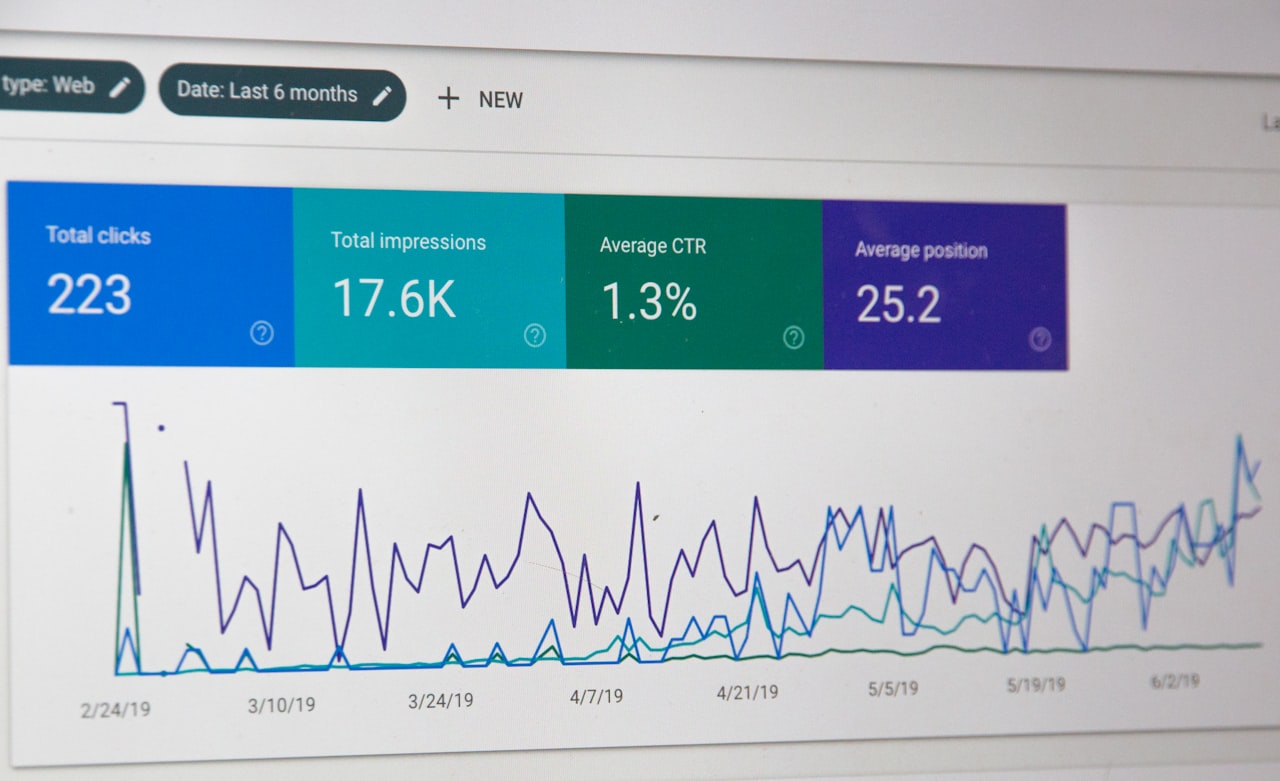
Prioritise findings by impact and feasibility. Some issues, like a poorly designed careers page, can be fixed relatively quickly with significant impact. Others, like management quality concerns, require longer-term cultural change. Create a matrix that maps each finding against these two dimensions.
Set specific, measurable goals. Rather than improve our Glassdoor rating, aim for increase our Glassdoor rating from 3.2 to 3.8 within twelve months. Rather than post more employer brand content, commit to publishing four LinkedIn employer brand posts per week for the next six months.
Assign ownership. Every action item needs a responsible owner with the authority and resources to execute. Employer brand initiatives that lack clear ownership stall quickly. Cross-functional collaboration between HR, marketing, and leadership is essential, but one person should be accountable for each initiative.
Establish timelines. Break your action plan into thirty-day, ninety-day, and twelve-month milestones. Quick wins build momentum and demonstrate value, which helps secure ongoing support for longer-term initiatives.
Budget realistically. Some improvements require investment, whether in web design, content creation, tools, or external expertise. Present a business case that connects proposed investments to expected outcomes in recruitment efficiency, retention, and employer brand strength.
Schedule regular check-ins to track progress and adjust the plan as needed. Monthly reviews keep initiatives on track, while quarterly strategic reviews allow for course corrections based on emerging data and changing priorities.
Frequently Asked Questions
How often should we conduct an employer brand audit?
Conduct a comprehensive audit annually. Supplement this with quarterly pulse checks that monitor key metrics like Glassdoor ratings, eNPS scores, and content engagement. Major organisational changes such as mergers, leadership transitions, or restructuring should trigger an additional audit.
Who should lead the employer brand audit?
The audit should be led jointly by HR and marketing, with support from communications and leadership. Some companies engage external consultants for objectivity, particularly for the first audit when internal biases may be strongest.
How long does an employer brand audit take?
A thorough audit typically takes four to eight weeks, including research design, data collection, analysis, and reporting. Rushed audits risk missing important insights. Allow adequate time for employee surveys and focus groups, as these require careful planning and execution.
What if the audit reveals significant problems?
View this as an opportunity rather than a setback. Identifying problems is the first step towards solving them. Prioritise the most impactful issues, create an action plan, and communicate transparently with leadership about the findings and proposed solutions.
Should we share audit results with employees?
Sharing a summary of findings and the resulting action plan demonstrates transparency and builds trust. Employees who participated in surveys and focus groups want to know their input was heard and valued. Share key themes and the specific actions you plan to take in response.
How do we ensure honest employee feedback during the audit?
Guarantee anonymity in surveys and focus groups. Use a third-party facilitator for focus groups if employees might feel uncomfortable speaking candidly in front of internal staff. Emphasise that the purpose is improvement, not judgement, and follow through on promises to act on feedback.
Can we conduct an employer brand audit in-house?
Yes, though an external perspective can add objectivity. If conducting in-house, ensure the audit team includes members from outside HR, as marketing and communications professionals bring different analytical lenses. Use structured frameworks and standardised tools to maintain rigour.
What tools do we need for an employer brand audit?
Essential tools include survey platforms like SurveyMonkey or Typeform, social listening tools, web analytics, and Glassdoor analytics. Competitor analysis can be done manually or with tools like Brandwatch or Mention. The most important tool is a structured framework that ensures comprehensive coverage. Your overall branding strategy should inform the criteria you evaluate against.