Conference Marketing: Promote Your Event and Maximise Attendance
Table of Contents
- Why Conference Marketing Matters in Singapore
- Pre-Event Planning and Positioning
- Digital Promotion Channels That Drive Registrations
- Content Strategy for Conference Promotion
- Leveraging Partnerships and Speakers
- Ticket Pricing and Early Bird Strategy
- Day-of-Event Marketing and Live Engagement
- Post-Event Follow-Up and Nurturing
- Frequently Asked Questions
Why Conference Marketing Matters in Singapore
Singapore hosts hundreds of professional conferences each year, from fintech summits at Marina Bay Sands to healthcare forums at Suntec Convention Centre. A solid conference marketing strategy is what separates a sold-out event from rows of empty seats. With venue costs, speaker fees and production expenses adding up fast, filling your conference is not optional — it is essential for ROI.
The Singapore events industry has matured significantly, and attendees now expect polished promotion, clear value propositions and seamless registration experiences. Simply listing your event on a directory and hoping for the best will not work. You need a structured marketing plan that starts months before the event and continues well after the last session ends.
Whether you are organising a 100-person niche seminar or a 2,000-seat industry conference, the principles remain the same: reach the right audience, communicate compelling reasons to attend and remove friction from the registration process. This guide covers every stage of conference promotion for the Singapore market.
Pre-Event Planning and Positioning
Effective conference marketing begins 4 to 6 months before the event date. Start by defining your conference positioning — who is this event for, what problems does it solve and why should someone spend a full day or more attending?

Create a one-page event brief that covers your target audience persona, key themes, unique selling points and competitive differentiation. If three other conferences in Singapore cover similar topics, identify what makes yours different. It could be the speaker lineup, the networking format, the workshop component or the post-event resources.
Build your event website or landing page early. This page needs a clear headline, the date and venue, a speaker lineup section, an agenda overview, social proof from previous years and a prominent registration button. Ensure the page loads fast and works well on mobile, as most Singaporeans will discover and evaluate your conference on their phones.
Set measurable goals: target registrations, revenue targets, sponsor acquisition numbers and engagement metrics. These benchmarks will guide your marketing spend allocation and help you adjust tactics throughout the campaign. Work with a professional web design team to build a conversion-optimised event page.
Digital Promotion Channels That Drive Registrations
Paid advertising is one of the fastest ways to reach potential conference attendees. LinkedIn Ads are particularly effective for B2B conferences in Singapore because you can target by job title, industry, seniority and company size. Start with Sponsored Content promoting your keynote speakers or key themes, then retarget website visitors with registration reminders.
Google Ads work well for conferences where attendees are actively searching for professional development or industry events. Bid on terms like “fintech conference Singapore 2026” or “marketing summit Singapore” depending on your niche. Use Google Ads management to keep your cost per registration under control.
Email marketing remains the highest-converting channel for conference promotion. Segment your database into past attendees, newsletter subscribers, warm leads and cold prospects. Each segment needs different messaging — past attendees respond to “what is new this year” while cold prospects need more education on the value proposition.
Social media promotion should focus on LinkedIn and Instagram for most professional conferences. Create a unique event hashtag and encourage speakers and sponsors to share branded assets. Short video teasers featuring speakers discussing what they will cover consistently outperform static image posts.
Partner with industry associations and media outlets for co-promotion. Many Singapore trade associations have email lists of thousands of relevant professionals and are open to promotional partnerships in exchange for member discounts or branding at the event.
Content Strategy for Conference Promotion
Content marketing builds awareness and credibility in the months leading up to your conference. Publish blog posts that address the same themes your conference covers — this attracts organic search traffic from people who are likely interested in attending.
Interview your speakers and publish the conversations as blog posts, podcast episodes or short videos. This serves double duty: it promotes the speaker while giving potential attendees a preview of the quality of content they can expect. A strong content marketing approach can drive significant organic registrations.
Create downloadable resources like industry reports or whitepapers that relate to your conference themes. Gate them behind an email form and add those leads to your conference promotion email sequence. This is especially effective for conferences targeting senior decision-makers who value research-backed insights.
User-generated content from previous conferences is powerful social proof. Share photos of packed rooms, testimonial quotes from past attendees and metrics like “92% of 2025 attendees said they would recommend this conference to a colleague.” If this is your first year, use speaker credibility and agenda quality as your primary proof points.
As the event approaches, shift your content toward urgency-driven messaging: countdown posts, “last chance for early bird pricing” announcements and “limited seats remaining” updates. Combine this with social media marketing for maximum reach during the final push.
Leveraging Partnerships and Speakers
Your speakers are your most valuable marketing asset. Each speaker has their own professional network and audience. Make it easy for speakers to promote the conference by providing them with branded social media assets, pre-written posts and personalised discount codes they can share with their followers.
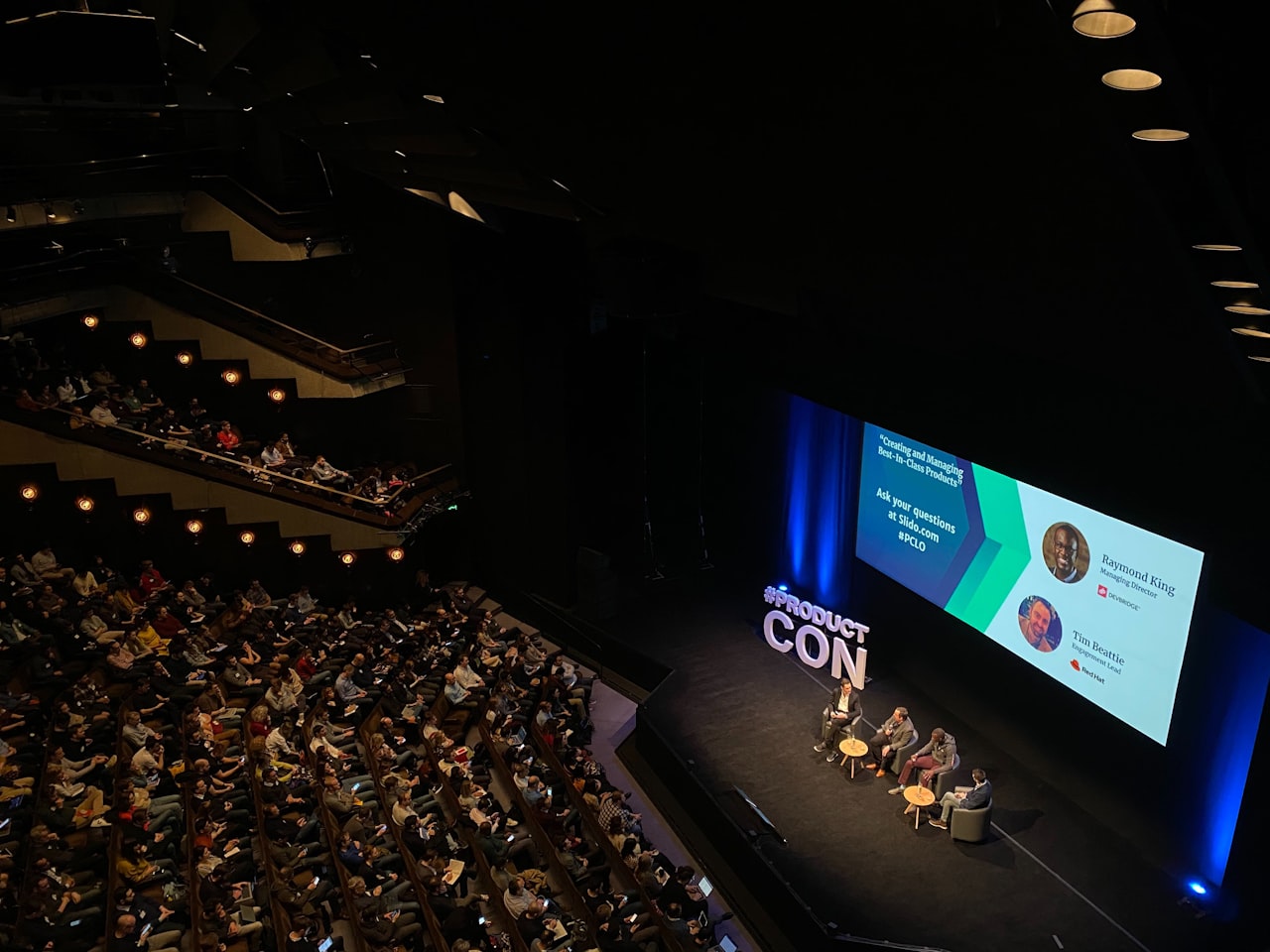
Track which speakers drive the most registrations using unique UTM links or promo codes. This data helps you identify your strongest promotional partners and informs speaker selection for future events. Some speakers will drive ten times more registrations than others.
Sponsors also have networks worth tapping into. Structure sponsor packages to include promotional obligations — a certain number of social media posts, email sends to their database or mentions in their company newsletter. This turns sponsors into active marketing partners rather than passive logo placements.
Media partnerships with publications like The Business Times, Marketing Interactive or e27 can provide significant reach within the Singapore business community. These partnerships typically involve editorial coverage, banner advertising and social media promotion in exchange for branding, tickets or speaking slots.
Community partnerships with groups like meetup organisers, co-working spaces and professional associations give you access to highly targeted audiences. Offer group discounts or community-exclusive pricing to incentivise bulk registrations. For ideas on similar activation tactics, read about brand activation campaigns that build community engagement.
Ticket Pricing and Early Bird Strategy
Tiered pricing creates urgency and rewards early commitment. A typical Singapore conference pricing structure includes three tiers: super early bird (40% discount, limited quantity), early bird (20% discount, time-limited) and regular price. Some conferences add a “last chance” tier at a premium for registrations in the final week.
Price anchoring works well for conferences with multiple ticket types. Offer a basic pass for general sessions, a premium pass with workshop access and networking events, and a VIP pass with exclusive roundtables and speaker meet-and-greets. The VIP tier makes the premium pass look like good value by comparison.
Group discounts are essential for the Singapore market, where companies often send multiple employees to conferences. Offer “buy 3 get 1 free” or tiered group pricing that increases the discount as the group size grows. This increases your average deal size and simplifies the approval process for corporate buyers.
Free conferences funded entirely by sponsors can work for lead generation events, but they come with trade-offs. Free events have higher no-show rates — sometimes 40 to 50 percent in Singapore. Charging even a nominal fee dramatically improves attendance rates. If you run a free event, implement a confirmation sequence with calendar invites, reminders and a clear cancellation process to minimise no-shows.
Day-of-Event Marketing and Live Engagement
Marketing does not stop when the conference starts. Live event marketing extends your reach beyond the room and creates content for future promotion. Assign a social media team to post live updates, key quotes from speakers, audience reactions and behind-the-scenes content throughout the day.
Live streaming select sessions can attract a remote audience and serve as a teaser for next year’s event. Even short clips of 60 to 90 seconds posted to LinkedIn and Instagram Stories generate engagement and FOMO. Make sure you have speakers’ consent before broadcasting their sessions.
Create interactive moments that encourage attendees to share on social media. Photo walls, live polling results displayed on screens and interactive Q&A sessions all generate shareable content. Provide a clear event hashtag and display it prominently in the venue.
Collect feedback in real time using quick mobile surveys between sessions. This gives you immediate data on what is working and provides testimonial material. Questions like “What has been the most valuable takeaway so far?” yield quotes you can use in post-event marketing.
Post-Event Follow-Up and Nurturing
The 48 hours after your conference are critical for lead nurturing and future event planning. Send a thank-you email within 24 hours that includes key takeaways, links to presentation slides and a feedback survey. This email typically has high open rates and sets the tone for ongoing engagement.

Publish a post-event recap blog post with highlights, key statistics and standout quotes. This serves as a reference for attendees and marketing material for your next event. Include photos and, if available, video highlights. Repurpose speaker presentations into individual blog posts or downloadable guides.
For conferences with commercial objectives, score your leads based on engagement level — attendees who visited sponsor booths, asked questions during sessions or attended workshops are higher-intent than those who only attended keynotes. Route these qualified leads to sales teams promptly.
Start promoting next year’s event before the current one fades from memory. Offer an exclusive “alumni” discount to this year’s attendees. Many successful Singapore conferences sell 20 to 30 percent of next year’s tickets before the current event is over. Track your full funnel from promotion to registration to attendance using proper event ROI measurement techniques.
Frequently Asked Questions
How far in advance should I start marketing a conference in Singapore?
Begin marketing 4 to 6 months before the event for large conferences and 2 to 3 months for smaller events. Launch your event page and early bird pricing first, then ramp up promotion across channels as the event approaches. The final 4 weeks typically generate 40 to 50 percent of total registrations.
What is a good registration-to-attendance rate for Singapore conferences?
For paid conferences, expect 85 to 95 percent of registered attendees to show up. For free conferences, the rate drops to 50 to 70 percent. You can improve attendance rates by sending reminder emails, calendar invites and SMS notifications in the days before the event.
How much should I budget for conference marketing?
Allocate 15 to 25 percent of your total conference budget to marketing. For a conference with a $100,000 total budget, spend $15,000 to $25,000 on promotion. Digital advertising typically accounts for 40 to 50 percent of the marketing budget, with the rest going to email marketing, content creation and partnerships.
Which social media platform works best for promoting conferences in Singapore?
LinkedIn is the most effective platform for B2B conferences, with its professional targeting options and business-focused audience. Instagram works well for creative industry and consumer-facing conferences. Facebook remains useful for community-driven events and can be effective for reaching older demographics.
Should I offer virtual attendance options for my Singapore conference?
Hybrid conferences that offer both in-person and virtual attendance can expand your reach significantly. However, they add production complexity and cost. If your primary goal is networking, focus on the in-person experience. If content distribution is the priority, a hybrid model makes sense.
How do I measure the success of my conference marketing?
Track registrations by source to understand which channels deliver the best ROI. Key metrics include cost per registration, conversion rate from landing page visitors to registrants, email open and click rates, social media engagement and post-event satisfaction scores. Compare these against your pre-set benchmarks.
What is the best way to handle conference no-shows?
Reduce no-shows by implementing a confirmation sequence: send a reminder email one week before, three days before and the morning of the event. Include calendar invite files in your confirmation email. For free events, consider charging a refundable deposit that is returned upon attendance.