Brand Photography in Singapore: Plan and Execute a Professional Shoot
Table of Contents
Why Brand Photography Matters
Brand photography Singapore businesses invest in serves as the visual foundation for every marketing channel. From your website hero banners to social media feeds, email campaigns to pitch decks, the quality and authenticity of your photography directly influences how potential customers perceive your brand.
Stock photography has its place, but it cannot replicate the authenticity of original brand imagery. Consumers are increasingly skilled at spotting generic stock photos, and reliance on them signals that a brand has not invested in its own identity. In Singapore’s competitive business environment, where trust and professionalism are paramount, original photography sets you apart.
The impact is measurable. Websites using original photography convert 35 percent better than those relying on stock images. Social media posts featuring authentic brand imagery generate higher engagement rates. Proposals and pitch decks with professional team photos build credibility faster than those with clip art or no imagery.
Brand photography is not a one-time expense but an ongoing investment that supports your entire digital marketing strategy. A single well-planned shoot can produce hundreds of usable images that serve your marketing needs for six to twelve months.
Types of Brand Photography You Need
A comprehensive brand photography library covers multiple categories, each serving different marketing purposes.
Team portraits: Professional headshots and group photos for your website’s about page, LinkedIn profiles, email signatures and press features. These should feel approachable and aligned with your brand personality. Avoid the stiff corporate portrait style unless your industry demands it.
Workspace and environment: Photos of your office, studio, workshop or retail space. These give customers a sense of where and how you work, building familiarity and trust. Include both wide establishing shots and detailed close-ups of meaningful elements.
Behind-the-scenes: Candid shots of your team working, collaborating, brainstorming and interacting with clients. These humanise your brand and perform exceptionally well on social media and in email marketing.
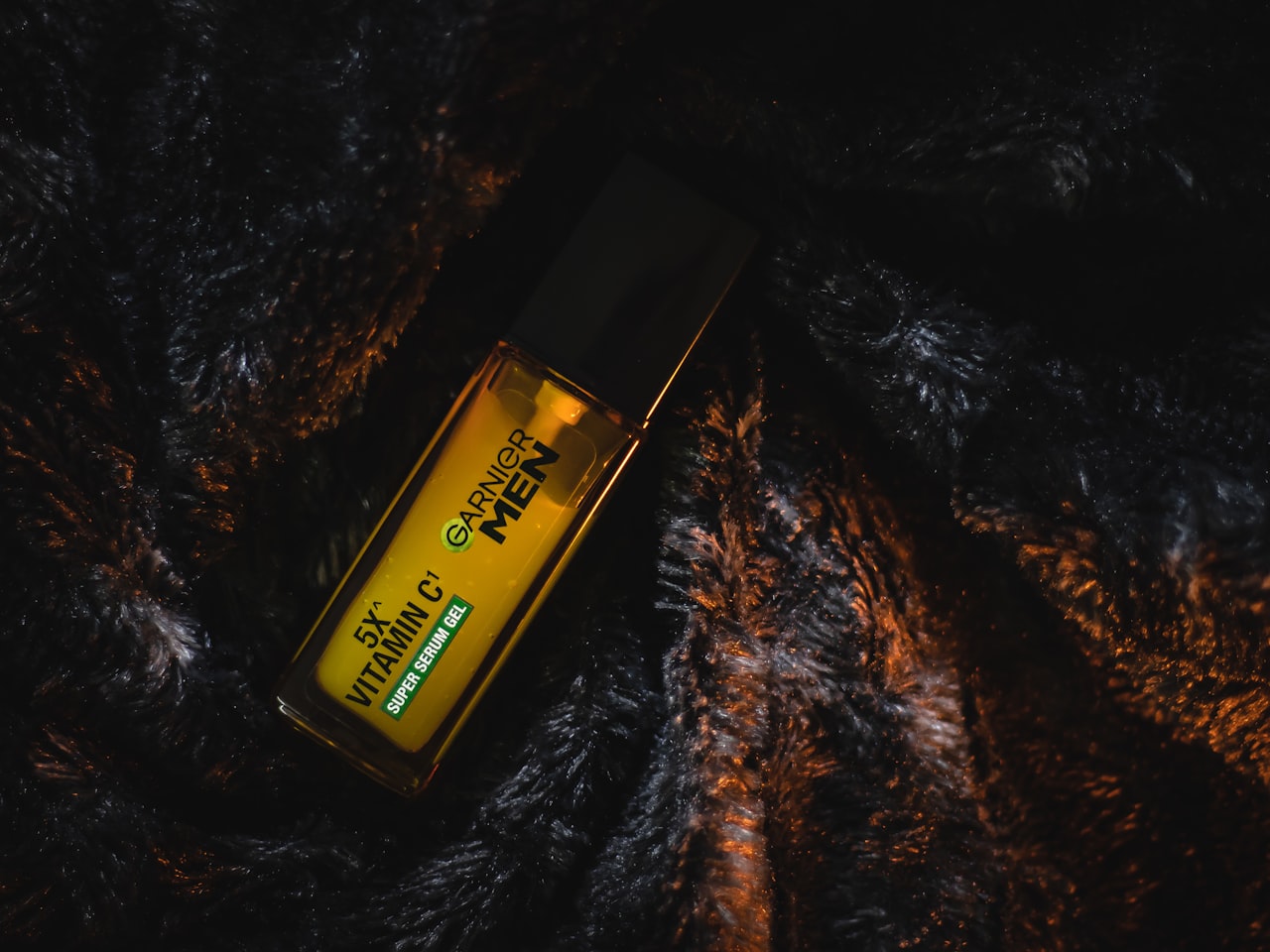
Product and service imagery: If you sell physical products, professional product photography is non-negotiable. For service businesses, capture your team delivering the service, whether that is consulting, presenting, creating or building.
Lifestyle imagery: Photos that show your product or service in context. A coffee brand photographs people enjoying coffee in Singapore’s hawker centres. A fitness brand photographs members working out at local parks. These images tell a story and connect your brand to your audience’s daily life.
Event photography: Coverage of company events, workshops, conferences and client engagements. These images serve both as content for post-event marketing and as social proof for future event promotion.
Before your shoot, audit your existing imagery and identify the gaps. Which pages on your website still use stock photos? Which social media content categories lack original imagery? This gap analysis ensures your shoot produces exactly what you need.
Planning Your Shoot
Thorough planning is the difference between a shoot that produces a handful of usable images and one that delivers hundreds.
Creative brief: Document the shoot’s objectives, target audience, desired mood, specific shots needed and how the images will be used. Share this brief with your photographer at least two weeks before the shoot. Include reference images that illustrate the visual style you want.
Shot list: Create a detailed shot list organised by location and setup. For each shot, specify the subject, framing, mood and intended use. A typical brand shoot might include 40 to 80 planned shots across multiple setups. Allow time for spontaneous captures as well.
Wardrobe and styling: Coordinate outfits for all participants. Ensure clothing aligns with your brand colours and avoids busy patterns, large logos or anything that will date quickly. Prepare two outfit options per person to create variety. For lifestyle shoots, style the environment with on-brand props and accessories.
Props and set design: Gather all props, products, signage and branded materials needed for the shoot. Ensure your physical space is clean, organised and reflects your brand identity. Consider whether any temporary set design or styling is needed.
Timeline: Build a detailed schedule for the shoot day with buffer time between setups. A typical half-day brand shoot covers three to four setups in four hours. Allow 30 to 45 minutes per setup, including styling, lighting adjustments and shooting.
Good planning also supports your broader visual content strategy by ensuring the images you produce align with your content calendar and campaign needs for the coming months.
Hiring a Photographer in Singapore
Singapore has a strong photography community with professionals specialising in various niches.
Where to find photographers:
- Portfolio platforms like Behance and Instagram (search local hashtags like #singaporephotographer)
- Photography directories specific to Singapore
- Recommendations from your professional network
- Agency referrals from your branding partner
What to look for in a portfolio:
- Consistent style that aligns with your brand’s visual direction
- Experience with your type of shoot (corporate, lifestyle, product)
- Ability to capture candid, natural moments alongside posed shots
- Quality of lighting, composition and post-processing
- Previous work with Singapore-based brands or in local environments
Pricing in Singapore: Brand photography rates vary significantly. Budget photographers charge SGD 200 to 500 per hour. Mid-range professionals charge SGD 500 to 1,200 per hour. Premium photographers and studios charge SGD 1,500 and above per hour. Half-day and full-day packages typically offer better value than hourly rates. Most photographers include basic editing in their packages, with advanced retouching available at additional cost.
Key questions to ask:
- How many edited images will be delivered?
- What is the turnaround time for edited images?
- What usage rights are included? (This is critical and covered in more detail below.)
- Do you provide art direction during the shoot?
- What equipment and lighting do you bring?
- Can you share a full gallery from a similar previous shoot?
Location Scouting in Singapore
Singapore offers diverse backdrops for brand photography, from modern corporate settings to lush greenery and heritage architecture.
Office and co-working spaces: Your own office is the most convenient option. If your workspace is not photogenic, co-working spaces like WeWork, JustCo and The Great Room offer modern, well-designed environments. Some co-working spaces allow photography bookings for an hourly fee.
Outdoor urban locations: Marina Bay, the CBD, Tanjong Pagar, Tiong Bahru and Holland Village offer distinct visual personalities. Consider early morning shoots (before 8am) to avoid crowds and harsh midday sunlight. Note that some locations require permits for commercial photography.
Heritage and cultural backdrops: Shophouses in Joo Chiat, Chinatown and Kampong Glam provide colourful, characterful settings. These locations resonate strongly with local audiences and add a distinctly Singaporean flavour to your brand imagery.
Nature and greenery: Gardens by the Bay, Botanic Gardens, MacRitchie Reservoir and East Coast Park offer natural settings. National Parks Board requires a permit for commercial photography in parks and nature reserves. Apply at least two weeks in advance.
Professional studios: For product photography and controlled lighting setups, a studio provides the most consistent results. Singapore has numerous rental studios ranging from SGD 80 to 300 per hour, including lighting equipment. Studios are also ideal when you need a clean, distraction-free background.
Permit considerations: Commercial photography in many public spaces in Singapore requires permits from the relevant authorities. Building management offices, town councils and government agencies each have their own application processes. Your photographer should be familiar with permit requirements for common locations.
Shoot Day Execution
Even with thorough planning, shoot day execution requires active management.
Arrive early: The photographer and a team lead should arrive 30 to 60 minutes before the first scheduled shot. Use this time to set up lighting, arrange the environment and troubleshoot any issues with the space.
Brief all participants: Walk everyone through the shot list, explain the mood and style you are going for, and set expectations for timing. People who understand the purpose of the shoot deliver more natural, confident expressions.
Direct with purpose: Most people are uncomfortable in front of a camera. Give clear, specific direction: “Look at your colleague and explain something you are working on” produces better results than “act natural.” Movement prompts like walking, reaching for an object or writing on a whiteboard create authentic-looking candid shots.
Review as you go: Check images on the camera screen periodically. It is far easier to reshoot a setup than to discover issues during editing. Look for closed eyes, awkward hand positions, cluttered backgrounds and unflattering angles.
Capture variety: For each setup, shoot wide, medium and close-up frames. Capture both landscape and portrait orientations. Shoot with and without people. This variety ensures you have images suited to different platforms and layouts, from website banners to social media stories to social media graphics.
Stay on schedule: It is tempting to spend extra time on setups that are going well, but this often means rushing or skipping later setups. Stick to your timeline and trust that a well-planned shot list will produce enough usable images from each setup.
Post-Production and Image Usage
Post-production transforms raw captures into polished brand assets.
Editing and retouching: Standard editing includes colour correction, exposure adjustment, cropping and basic blemish removal. Advanced retouching covers skin smoothing, background cleanup, object removal and composite work. Discuss the editing level included in your photographer’s package before the shoot.
Colour grading: Apply a consistent colour treatment across all images to create a cohesive visual identity. The colour grade should match your brand’s established visual style. Once defined, this treatment should be applied to all future photography as well.
File delivery: Request images in multiple formats. High-resolution files (300 DPI, TIFF or full-size JPEG) for print. Web-optimised files (72 DPI, compressed JPEG or WebP) for digital use. If you plan to create web design assets, having both formats saves time later.
Usage rights: This is the most commonly misunderstood aspect of brand photography. Clarify these terms in your contract:
- Exclusive vs non-exclusive usage: Exclusive rights prevent the photographer from licensing your images to others. Non-exclusive means they could appear in stock libraries.
- Duration: Some contracts limit usage to a specific timeframe. For brand photography, negotiate perpetual usage rights.
- Scope: Ensure your contract covers all intended uses: website, social media, print, advertising, presentations and third-party publications.
- Model releases: If your team members appear in the photos, obtain signed model releases from each person. This protects your right to use the images even if someone leaves the company.
Asset management: Organise delivered images into folders by category, shoot date and usage status. Tag images with keywords so your team can search and find specific shots quickly. A well-organised image library prevents the common problem of teams defaulting to stock photos because they cannot find the brand images they need.
Frequently Asked Questions
How much should I budget for brand photography in Singapore?
For a comprehensive half-day brand shoot with a mid-range photographer, budget SGD 2,000 to SGD 5,000 including editing and delivery of 50 to 150 edited images. Full-day shoots with premium photographers and studio rental can cost SGD 5,000 to SGD 15,000. Include additional budget for location permits, styling, props and model fees if using external talent.
How often should I update my brand photography?
Plan a major brand shoot every 12 to 18 months. Supplement with smaller shoots quarterly for seasonal content, new team members, new products or event coverage. Your core brand imagery should always reflect your current team, workspace and offerings. Outdated photos erode trust.
Do I need a permit for commercial photography in Singapore?
Yes, for most public spaces. National Parks Board manages permits for parks and gardens. Individual building management offices handle permits for malls, commercial buildings and private estates. Some streetscape locations fall under town councils or the Urban Redevelopment Authority. Apply at least two weeks in advance. Your photographer should advise on permit requirements for specific locations.
How many images should I expect from a half-day shoot?
A skilled photographer will capture 300 to 800 raw images in a four-hour half-day shoot. From these, expect 50 to 150 professionally edited images depending on the complexity of setups and the editing level agreed upon. Focus on quality over quantity when reviewing deliverables.
Should I use my brand photos on social media or keep them for the website?
Use them everywhere. The whole point of investing in brand photography is to replace stock images across all channels. Use them on your website, social media, email newsletters, Google Business Profile, LinkedIn company page, proposals and print materials. Maximum usage maximises the return on your photography investment.
What is the difference between brand photography and product photography?
Brand photography captures the overall identity, culture and story of your business, including team portraits, workspace shots and lifestyle imagery. Product photography focuses specifically on presenting individual products in a way that drives purchase decisions. Most businesses need both, and some shoots can cover both categories. We cover product-specific techniques in our product photography for e-commerce guide.
Can I use smartphone photography for brand content?
Modern smartphones produce excellent image quality in good lighting conditions. Smartphone photography is appropriate for behind-the-scenes social media content, stories and day-to-day posts. However, for hero images, website banners, print materials and any content requiring controlled lighting, a professional photographer with proper equipment will deliver noticeably better results.
How do I brief a photographer effectively?
Provide a written creative brief that includes your brand guidelines, the specific shots you need (with a shot list), reference images showing the style and mood you want, information about how the images will be used, details about the location and participants, and any constraints or requirements. The more specific your brief, the better the results. Schedule a pre-shoot call to walk through the brief together.