
YouTube Ads Guide: Skippable, Non-Skippable, Bumper and Discovery Ads
Table of Contents
YouTube Advertising for Singapore Businesses
This youtube ads guide covers everything Singapore businesses need to know about advertising on the world’s second largest search engine and most popular video platform. YouTube reaches over 4.5 million users in Singapore monthly, making it an essential channel for brands looking to build awareness, drive consideration and generate conversions through video content.
Unlike social media feeds where users scroll quickly past content, YouTube users actively choose to watch videos. This intent-driven consumption means your ads reach people who are already engaged with content, creating higher-quality attention than passive scrolling environments. For advertisers, this translates to better brand recall and stronger consideration metrics.
YouTube advertising runs through Google Ads, giving you access to Google’s powerful targeting capabilities including search intent signals, in-market audiences and detailed demographics. This integration with the Google ecosystem makes YouTube uniquely powerful for reaching users based on what they search for, not just their declared interests. Combined with a solid Google Ads strategy, YouTube becomes a powerful full-funnel advertising channel.
YouTube Ad Formats Explained
Skippable in-stream ads play before, during or after YouTube videos. Viewers can skip after five seconds. You only pay when a viewer watches 30 seconds or the full ad if shorter, or when they interact with the ad. This format is ideal for longer-form storytelling because you only pay for engaged views. Most Singapore advertisers start with this format.

Non-skippable in-stream ads are 15 to 20 second ads that viewers must watch in full. You pay per impression rather than per view, making this format better suited for awareness objectives where you need to ensure complete message delivery. Use non-skippable ads when your message requires the full duration to be effective.
Bumper ads are six-second non-skippable ads designed for broad reach and frequency. These ultra-short spots work best as reinforcement for campaigns already running longer formats. Think of bumpers as digital billboards that deliver a single memorable message. They are particularly effective for brand recall and work well in Singapore where commuters frequently consume short-form content.
In-feed video ads appear alongside organic search results, related videos and on the YouTube homepage. They consist of a thumbnail image and text, and users choose to click and watch. You pay when a user clicks on the thumbnail. This format works well for educational and how-to content where users are actively searching for information.
YouTube Shorts ads appear between organic Shorts content, similar to TikTok and Instagram Reels ads. This rapidly growing format reaches younger audiences who prefer vertical short-form video. Shorts ads are increasingly important for reaching Gen Z and younger millennial audiences in Singapore.
Targeting Options on YouTube
Demographic targeting on YouTube includes age, gender, parental status, household income and detailed demographics like education level, homeownership and marital status. For Singapore campaigns, these demographic signals help you reach specific audience segments like young professionals, parents with young children or high-income households.
Interest-based targeting reaches users based on their long-term interests and habits. Affinity audiences target broad interest categories like fitness enthusiasts or tech enthusiasts. Custom affinity audiences let you define your own interest combinations using URLs, apps and interest keywords that describe your ideal customer.
In-market audiences target users who are actively researching or comparing products in your category. These audiences show strong purchase intent signals based on search history, website visits and content consumption. For Singapore businesses, in-market audiences for categories like property, cars, education and business services deliver particularly strong conversion rates.
Content targeting places your ads on specific types of content. Topic targeting reaches viewers watching videos about particular subjects. Placement targeting lets you choose specific YouTube channels, videos or websites. Keyword targeting shows your ads on content related to specific search terms. Combining content targeting with audience targeting narrows your reach to the right users in the right context.
Customer Match and similar audiences bring your first-party data to YouTube. Upload email lists to target existing customers or create similar audiences to find new prospects who resemble your best customers. This targeting method leverages your CRM data within YouTube’s massive reach. For more on creative approaches, see our guide to ad creative formats across platforms.
Campaign Setup in Google Ads
Create YouTube campaigns through Google Ads by selecting the Video campaign type. Choose your campaign objective from sales, leads, website traffic, product and brand consideration or brand awareness and reach. Your objective determines which ad formats and bidding strategies are available.

Set your targeting at the ad group level. Create separate ad groups for different targeting approaches, similar to how you would structure search or display campaigns. For example, one ad group might target in-market audiences while another targets custom intent audiences built from competitor search terms.
Upload your video to YouTube first, then use the video URL when creating your ad. Your video does not need to be public; unlisted videos work for advertising. Include a compelling call-to-action overlay, companion banner for desktop viewers and sitelinks where supported to maximise interaction opportunities.
Bidding strategies for YouTube include target CPV for view-based campaigns, target CPM for awareness campaigns and target CPA or maximise conversions for action-oriented campaigns. Start with target CPV for consideration goals or target CPM for awareness, then shift to conversion-based bidding once you have accumulated enough conversion data.
Creative Best Practices
The first five seconds of your ad determine everything. For skippable formats, you need to hook viewers before the skip button appears. Lead with a question, a bold statement, unexpected visual or immediate product demonstration. Do not waste your opening seconds on logo animations or slow introductions.
Structure your video using the ABCD framework: Attract attention in the first five seconds, Brand early by showing your brand within the first five seconds, Connect with your audience through storytelling and emotion, and Direct them with a clear call to action. Google research shows that ads following this framework deliver 30 percent better brand lift.
Create multiple video lengths for different formats. A 30-second skippable ad can be cut down to a 15-second non-skippable version and a six-second bumper. Ensure each version works as a standalone message rather than simply truncating the longer version. Each format requires its own narrative structure.
Localise your creative for the Singapore market. Use local accents, references and settings where appropriate. Mentioning Singapore-specific concepts like HDB, CPF, COE or local neighbourhoods creates relevance and connection. However, ensure your content is accessible to Singapore’s diverse multilingual audience. For cost planning, check our YouTube ads cost guide.
Measuring Performance
View rate measures the percentage of users who watched your ad to completion or for 30 seconds. A healthy view rate for skippable ads ranges from 15 to 35 percent. Higher view rates indicate compelling creative, while lower rates suggest your content is not resonating with your target audience.
Cost per view tells you how much you pay for each engaged view. Singapore CPVs typically range from SGD 0.02 to 0.10 depending on targeting, competition and audience quality. Compare your CPV trends over time to understand whether your campaigns are becoming more or less efficient.
Brand Lift studies measure the impact of your YouTube ads on brand awareness, ad recall, consideration and purchase intent. Google offers free Brand Lift studies for campaigns meeting minimum spend thresholds. These studies provide definitive evidence of your advertising impact beyond click and conversion metrics.
View-through conversions track users who saw your YouTube ad but did not click, then later converted on your website. This metric captures the influence of video advertising on downstream actions and is essential for understanding YouTube’s true contribution to your conversion funnel.
Optimisation Strategies
Test multiple video creatives simultaneously and let performance data guide your decisions. Create at least three video variations with different hooks, messages or styles. After accumulating sufficient view data, pause underperformers and allocate budget to winners.
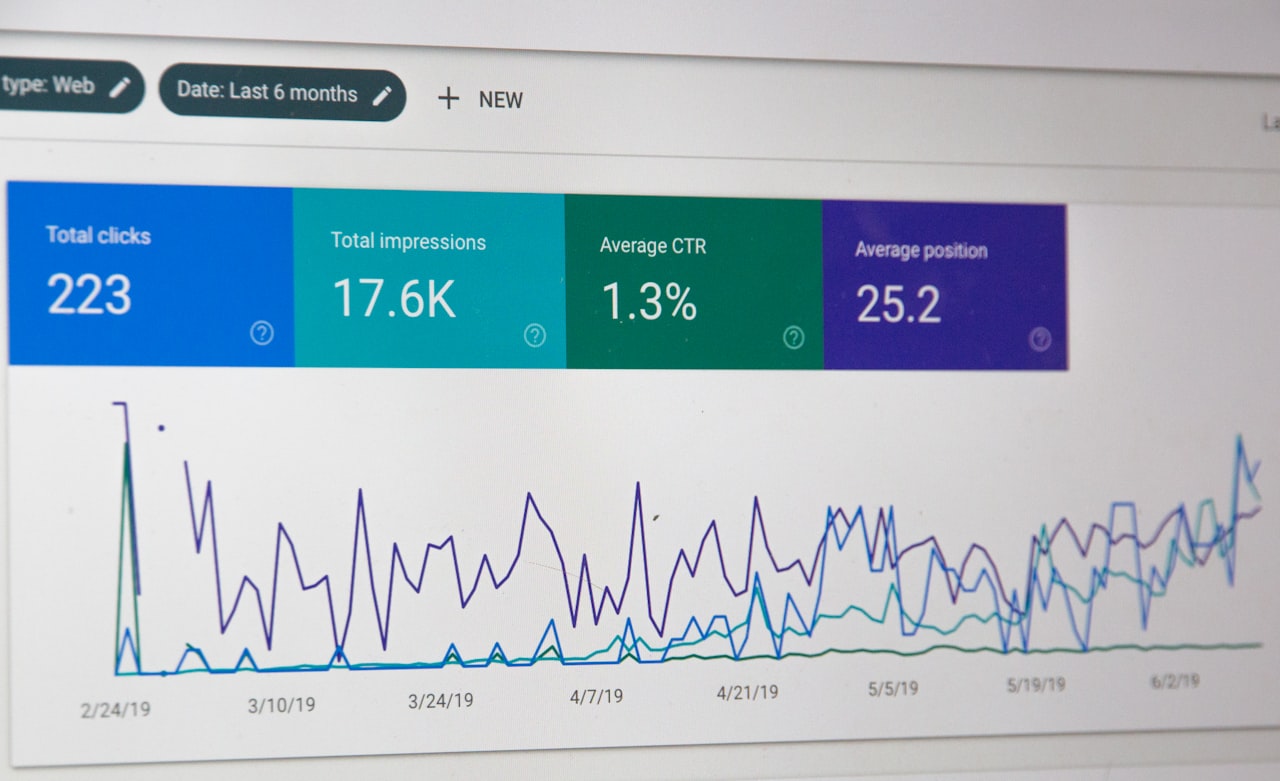
Adjust frequency caps to control how often the same user sees your ad. For awareness campaigns, three to five exposures per week is typically optimal. For consideration campaigns, lower frequency with varied messaging prevents fatigue while maintaining presence.
Layer targeting for precision. Combine demographic targeting with interest or in-market audiences to reach the right users in the right mindset. A Singapore financial services company might target high-income users who are also in-market for investment products, creating a highly qualified audience. Working with a professional Google Ads cost provider can help you achieve better results.
Use remarketing to reconnect with viewers who engaged with your ads. Create audiences of users who watched 25, 50, 75 or 100 percent of your video and serve them progressively more conversion-focused content. This sequential approach moves viewers from awareness through consideration to action as part of your digital marketing funnel.
Frequently Asked Questions
How much do YouTube ads cost in Singapore?
YouTube ads in Singapore typically cost SGD 0.02 to 0.10 per view for skippable formats and SGD 5 to 20 per thousand impressions for non-skippable and bumper formats. Actual costs depend on targeting, competition and audience quality. B2B audiences generally cost more than consumer audiences.
What is the minimum budget for YouTube advertising?
There is no hard minimum, but Google recommends at least SGD 20 to 50 per day per campaign for meaningful results. For Brand Lift studies, higher minimum spend thresholds apply. Start with a modest budget, prove performance and scale based on results.
Do I need professional video production?
Not necessarily. While professional production can enhance credibility, authentic smartphone-shot content often performs equally well, especially for testimonials, product demonstrations and behind-the-scenes content. Focus on strong messaging and clear audio rather than cinematic production values.
Can I target competitors’ YouTube channels?
Yes, use placement targeting to show your ads on specific competitor channels or videos. You can also create custom intent audiences based on competitor brand search terms. Both approaches reach users who are actively engaging with or researching your competitors.
How long should my YouTube ad be?
For skippable ads, 15 to 30 seconds works best for most objectives. Non-skippable ads are fixed at 15 to 20 seconds. Bumper ads are exactly six seconds. Longer educational or storytelling content of 60 seconds or more can work for in-feed formats where users choose to watch.
Should I run YouTube ads alongside Google Search ads?
Yes, combining YouTube with Search creates a powerful full-funnel strategy. YouTube builds awareness and consideration while Search captures high-intent users ready to take action. Data shows that users exposed to YouTube ads are more likely to search for your brand, increasing your Search campaign performance.
How do I track YouTube ad conversions?
Set up Google Ads conversion tracking on your website using the Google tag or Google Tag Manager. Enable enhanced conversions for better cross-device tracking. Import Google Analytics goals into Google Ads for additional conversion insights. View-through conversion tracking captures users who saw but did not click your ad before converting.