
Xiaohongshu KOL Marketing: How to Leverage Chinese Influencers for Singapore Brands
Table of Contents
- What Is Xiaohongshu and Why Should Singapore Brands Care?
- The Xiaohongshu Audience in Singapore
- How KOL Marketing Works on Xiaohongshu
- Finding and Vetting Xiaohongshu KOLs
- Content Strategy That Performs on Xiaohongshu
- Campaign Execution: From Brief to Live Post
- Measuring Results and Optimising Campaigns
- Frequently Asked Questions
What Is Xiaohongshu and Why Should Singapore Brands Care?
Xiaohongshu, also known as RED or Little Red Book, is a Chinese social commerce platform that blends user-generated content with e-commerce. Think of it as Instagram meets Pinterest meets a product review site, all wrapped in a shopping-enabled interface. With over 300 million registered users, it has become the go-to platform for Chinese-speaking consumers seeking authentic product recommendations and lifestyle inspiration.
For Singapore brands, Xiaohongshu represents an increasingly important channel for two reasons. First, Singapore has a significant Chinese-speaking population that actively uses the platform. Second, the wave of Chinese tourists visiting Singapore often consult Xiaohongshu before their trips — researching restaurants, attractions, beauty products and shopping destinations. A strong Xiaohongshu presence can influence spending decisions before visitors even arrive.
Xiaohongshu KOL marketing is particularly powerful because the platform’s algorithm favours genuine, informative content over polished advertising. Users come to Xiaohongshu specifically seeking recommendations, which means they are already in a receptive mindset. This intent-driven behaviour makes KOL endorsements on the platform significantly more effective than interruptive advertising on other channels.
The Xiaohongshu Audience in Singapore
Understanding who uses Xiaohongshu in Singapore helps you determine whether the platform warrants investment and which KOL partnerships to prioritise.
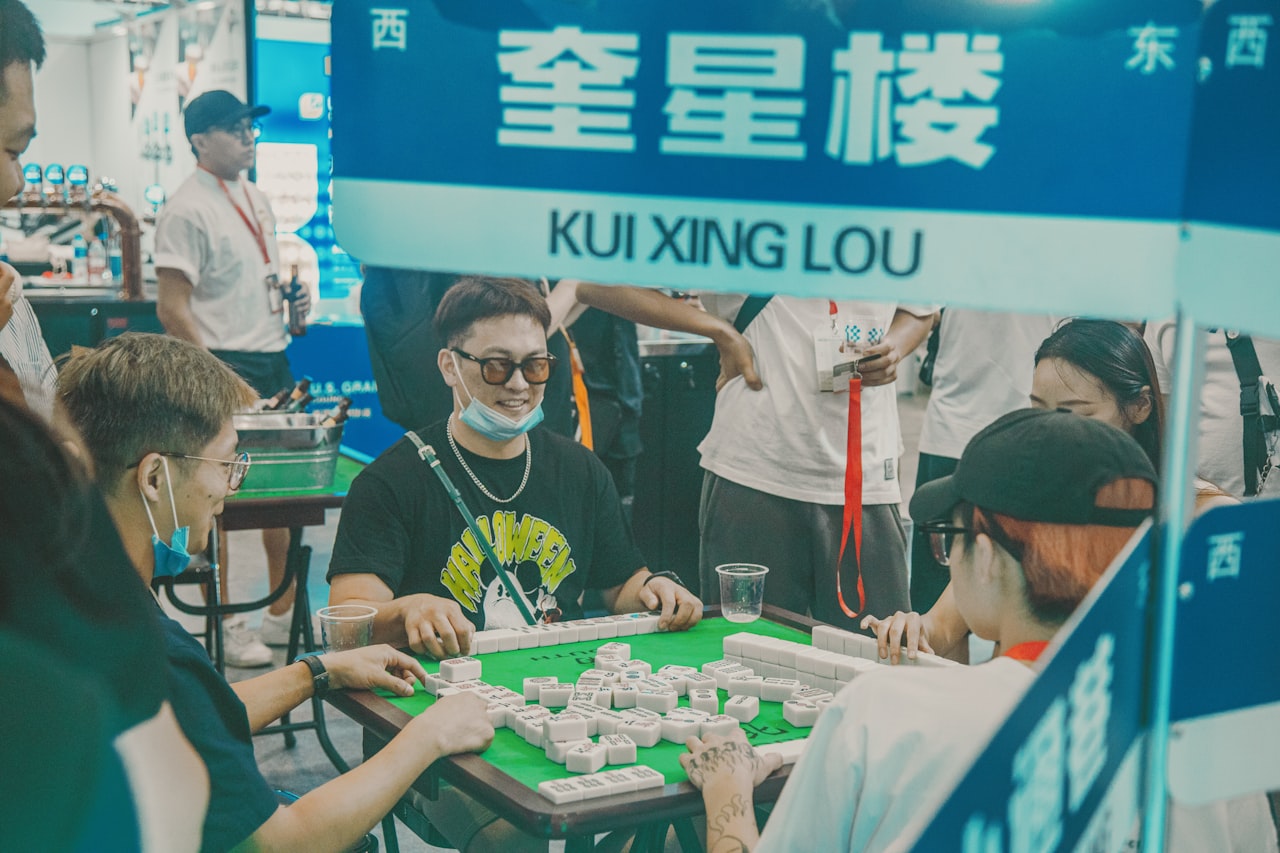
The core Singapore-based Xiaohongshu audience skews female (roughly 70-75%), aged 20-40, with moderate to high disposable income. They are typically bilingual (English and Mandarin) but prefer consuming content in Chinese on this particular platform. Key interest categories include beauty and skincare, food and dining, travel, fashion, wellness and home décor.
Beyond the resident audience, consider the inbound tourist segment. Chinese nationals visiting Singapore frequently search Xiaohongshu for recommendations using location tags like 新加坡 (Singapore). Restaurants, hotels, attractions and retail stores can tap into this search behaviour through strategic KOL partnerships.
There is also a growing segment of Singaporean men on the platform, particularly in categories like technology, fitness and investment. While smaller than the female user base, this audience is underserved by most brands’ Xiaohongshu strategies — creating an opportunity for early movers.
If your target customers include Chinese-speaking Singaporeans or Chinese tourists, Xiaohongshu KOL marketing deserves a place in your broader social media marketing strategy. If your audience is primarily English-speaking, other platforms will deliver better returns.
How KOL Marketing Works on Xiaohongshu
Xiaohongshu KOL marketing differs from Western influencer marketing in several important ways that affect how you plan and execute campaigns.
Content on Xiaohongshu takes two primary forms: notes (图文笔记) which combine images with detailed text captions, and short videos. Notes are the platform’s bread and butter — users expect comprehensive, informative content rather than single-image posts with brief captions. A typical high-performing note includes multiple images showing different angles or steps, plus 500-1,000 characters of detailed commentary.
The platform’s algorithm distributes content based on relevance rather than follower count. This means a well-crafted note from a KOL with 5,000 followers can outperform a lazy post from one with 500,000 followers. The algorithm evaluates click-through rate, save rate (收藏), comment quality and share rate when deciding how widely to distribute content.
Xiaohongshu also has an official brand collaboration platform (蒲公英) that requires KOLs to disclose paid partnerships. Since 2023, the platform has increasingly cracked down on undisclosed advertising. All commercial collaborations should be conducted through the official system to avoid content being suppressed or accounts being penalised.
Unlike Instagram or TikTok, Xiaohongshu content has a much longer shelf life. Notes continue to surface in search results for months or even years after publication. This makes every piece of KOL content a long-term asset rather than a fleeting impression — a factor that should influence how you evaluate ROI.
Finding and Vetting Xiaohongshu KOLs
Sourcing the right KOLs on Xiaohongshu requires different approaches than Western platforms. Here is how to do it effectively for Singapore-focused campaigns.

Start by searching relevant keywords on the platform itself. If you sell skincare products, search for 新加坡护肤 (Singapore skincare) or 新加坡好物推荐 (Singapore product recommendations) and note which creators consistently appear in top results. These are the KOLs whose content the algorithm already favours.
Use Xiaohongshu’s official brand collaboration platform (蒲公英) to search for KOLs by category, location and follower range. This platform provides verified analytics and streamlines the partnership process. Third-party tools like Qiangua (千瓜) and Xinbang (新榜) offer deeper analytics including engagement trends, audience demographics and content performance history.
When vetting potential KOLs, pay close attention to their save rate (收藏率). On Xiaohongshu, saves indicate that users found the content genuinely useful — they want to refer back to it later. A KOL with high save rates produces content that drives purchase consideration, not just passive scrolling.
Also examine the comment section quality. Genuine engagement shows comments asking specific product questions, sharing personal experiences and thanking the KOL for recommendations. If comments are generic (“nice!” or emoji-only), the engagement may be superficial or artificially inflated.
For Singapore-specific campaigns, prioritise KOLs who are based in Singapore or create Singapore-focused content regularly. A China-based KOL may have millions of followers but minimal relevance to your local audience. The exception is tourism-related campaigns, where China-based travel KOLs can drive significant awareness among potential visitors.
Content Strategy That Performs on Xiaohongshu
Creating content that resonates on Xiaohongshu requires understanding the platform’s unique content culture. What works on Instagram or TikTok often falls flat here.
Xiaohongshu users value detailed, honest reviews over polished advertisements. The most successful KOL content reads like advice from a trusted friend — conversational, specific and balanced. Include both positives and minor criticisms of your product to maintain credibility. A review that mentions one small drawback alongside multiple genuine benefits is more persuasive than unqualified praise.
Visual content should be bright, well-composed and information-rich. Cover images need to grab attention in the feed — use clear text overlays in Chinese that communicate the note’s value proposition. Interior images should show the product from multiple angles, demonstrate results, or walk through a process step by step.
Titles (note titles are crucial on Xiaohongshu) should include relevant keywords naturally. The platform’s search function is heavily used, so SEO-style thinking applies. Use numbers, questions and specific claims to drive clicks. “新加坡最值得买的5个护肤品” (5 most worthwhile skincare products in Singapore) outperforms “新加坡护肤品推荐” (Singapore skincare recommendations) because it is more specific and promises a clear payoff.
Leverage Xiaohongshu’s unique content formats. Product comparison notes, “haul” reviews, tutorial-style guides and “hidden gem” recommendations consistently perform well. Seasonal content tied to Singapore events (National Day, Chinese New Year, year-end sales) also drives strong engagement when timed correctly.
Campaign Execution: From Brief to Live Post
Executing a Xiaohongshu KOL marketing campaign in Singapore requires careful planning around platform-specific requirements and cultural nuances.
Begin by developing a creative brief in Chinese. Even if your KOL is bilingual, the brief should be in the language the content will be published in. Include your key messages, product information, mandatory mentions, hashtag requirements and visual guidelines. Specify whether you want a note (图文), a video, or both.
Allow adequate time for content creation. Xiaohongshu content requires more effort than a quick Instagram post — KOLs need to photograph products, write detailed reviews and craft attention-grabbing titles. Budget one to two weeks from briefing to first draft submission.
Review content carefully before approval. Check that all product claims are accurate and compliant with Singapore advertising standards. Verify that the partnership is properly disclosed through Xiaohongshu’s official system. Ensure the Chinese language is natural and free of errors — poor language quality undermines credibility with the target audience.
Coordinate your Xiaohongshu KOL campaign with your broader marketing activities. If you are launching a new product, align KOL posts with your digital marketing campaign timeline so that users who discover your brand through Xiaohongshu can find consistent messaging on your website and other platforms.
Consider seeding products to multiple KOLs simultaneously. Xiaohongshu’s algorithm rewards topics with multiple recent notes — if several KOLs post about your product in the same week, the platform is more likely to surface your brand in related searches, creating a compounding visibility effect.
Measuring Results and Optimising Campaigns
Measuring Xiaohongshu campaign performance requires platform-specific metrics alongside your standard marketing KPIs.
Within Xiaohongshu, track impressions (曝光), clicks, saves (收藏), comments and shares for each KOL’s content. The save rate is arguably the most valuable metric — it indicates genuine purchase consideration. A save rate above 5% is strong; above 10% is exceptional.
For website traffic and conversion tracking, provide KOLs with unique trackable links. Since Xiaohongshu restricts external links in notes, KOLs typically include brand names or search terms in their content that users then search for on Google or your website. Track branded search volume during and after campaign periods to measure this indirect traffic.
Monitor your brand’s Xiaohongshu presence beyond paid KOL content. Successful campaigns often generate organic user-generated content as real customers share their own experiences. This earned media amplifies your investment and provides social proof for future customers.
Compare performance across different KOL tiers. In many Singapore campaigns, mid-tier KOLs (10,000-100,000 followers) deliver the best balance of reach and engagement rate. Build a database of KOL performance metrics to inform future campaign planning and negotiate rates based on demonstrated results.
If you are also running campaigns on other platforms, integrate your Xiaohongshu data into your overall marketing mix analysis to understand how this channel contributes to your total marketing performance. Cross-channel insights help you allocate budgets more effectively across your entire digital marketing portfolio.
Frequently Asked Questions
What is Xiaohongshu and how is it different from Instagram?
Xiaohongshu (Little Red Book) is a Chinese social commerce platform combining user-generated reviews with e-commerce. Unlike Instagram, content is search-driven and informational — users actively seek product recommendations rather than passively scrolling. Content has a much longer shelf life due to search discovery, and the platform integrates shopping directly into the user experience.
Is Xiaohongshu popular in Singapore?
Yes. Xiaohongshu has a significant and growing user base among Chinese-speaking Singaporeans, particularly women aged 20-40 interested in beauty, food, travel and lifestyle. It is also heavily used by Chinese tourists researching Singapore destinations, restaurants and shopping before and during their trips.
How much does Xiaohongshu KOL marketing cost?
Costs vary by KOL tier. Nano-KOLs (under 10,000 followers) may accept product seeding or charge S$200-S$500 per note. Mid-tier KOLs (10,000-100,000 followers) typically charge S$500-S$3,000. Top-tier KOLs with over 100,000 followers can charge S$5,000-S$20,000 per collaboration depending on their niche and engagement rates.
Do I need a Xiaohongshu brand account to work with KOLs?
While not strictly required, having a verified brand account (专业号) is highly recommended. It allows you to use the official brand collaboration platform (蒲公英), run ads to amplify KOL content, and provides a destination for users who want to learn more about your brand directly on the platform.
Can English-language brands succeed on Xiaohongshu?
Content should be in Chinese to perform well on the platform. However, English brand names, product names and some English text in visuals are acceptable and even add a premium feel for certain product categories. The key is that the detailed review content and title must be in Chinese.
How do I ensure compliance with Xiaohongshu’s advertising rules?
Use Xiaohongshu’s official brand collaboration platform (蒲公英) for all paid partnerships. This automatically adds disclosure labels to sponsored content. Avoid undisclosed paid promotions, which the platform actively detects and penalises through content suppression or account restrictions.
What types of products perform best with Xiaohongshu KOL marketing?
Beauty, skincare and cosmetics consistently perform best. Food and dining, travel experiences, fashion, wellness products and home décor also drive strong engagement. High-consideration purchases where users actively research before buying are ideal for the platform’s review-oriented content culture.
How long does it take to see results from Xiaohongshu KOL campaigns?
Unlike platforms where content has a 24-48 hour visibility window, Xiaohongshu content can generate traffic for months through search discovery. Initial engagement metrics are visible within a week, but the full impact often unfolds over two to three months as content accumulates search visibility.
Should I work with Singapore-based or China-based KOLs?
For targeting Singapore residents, prioritise Singapore-based KOLs who create locally relevant content. For reaching Chinese tourists, China-based travel and lifestyle KOLs may be more effective. Many successful campaigns use a mix of both to cover different audience segments.
Can I repurpose Xiaohongshu KOL content on other platforms?
Yes, if you negotiate usage rights in your contract. Xiaohongshu KOL content can be adapted for other Chinese-language channels or used on your own Xiaohongshu brand account. However, simply reposting the same content without modification typically underperforms. Adapt the format and messaging for each platform.