KOL Marketing in Singapore: Working with Key Opinion Leaders
Table of Contents
- What Is KOL Marketing and How It Differs from Influencer Marketing
- The KOL Landscape in Singapore
- Identifying the Right KOLs for Your Brand
- Partnership Approaches and Formats
- Briefing and Managing KOL Relationships
- KOL Content Strategy Across Platforms
- Measuring KOL Marketing Impact
- Frequently Asked Questions
What Is KOL Marketing and How It Differs from Influencer Marketing
Key opinion leaders are experts whose authority stems from professional credentials, industry experience, and subject matter expertise rather than social media content creation. KOL marketing singapore brands increasingly use leverages this expertise-driven authority to build credibility, influence purchase decisions, and establish thought leadership in competitive markets.
The distinction between KOLs and influencers is important for campaign planning. An influencer builds a following through content creation — engaging posts, entertaining videos, and aspirational lifestyle content. A KOL builds a following through demonstrated expertise — published research, conference keynotes, professional achievements, and industry contributions.
In practice, the categories overlap. A dermatologist with 50,000 Instagram followers who creates skincare content is both a KOL and an influencer. A tech startup founder who posts regularly on LinkedIn combines professional authority with content creation. However, understanding the distinction helps brands identify the right type of partner for their objectives.
KOL marketing is particularly effective for products and services where expertise, trust, and credibility drive purchasing decisions. Healthcare, finance, technology, education, and professional services all benefit disproportionately from KOL endorsements compared to standard influencer partnerships.
The KOL Landscape in Singapore
Singapore’s compact, professional market creates a KOL ecosystem with unique characteristics. The small geography means that influential professionals are well-known within their industries, and their endorsements carry significant weight in tightly connected business communities.

Key sectors where KOL marketing thrives in Singapore include fintech and banking (where regulatory trust matters), healthcare and wellness (where professional credibility is essential), technology and SaaS (where expert evaluation influences enterprise purchasing), food and beverage (where chefs and food writers shape dining culture), real estate (where trusted agents and analysts influence property decisions), and education (where academic credentials and teaching expertise matter).
Singapore KOLs operate across multiple platforms. LinkedIn is the primary platform for B2B and professional KOLs. Instagram and YouTube serve lifestyle, health, and consumer-focused KOLs. Industry publications, podcasts, and speaking circuits extend their influence beyond social media.
The multilingual nature of Singapore’s KOL landscape is significant. KOLs who communicate in English, Mandarin, Malay, or Tamil reach distinct audience segments. A Mandarin-speaking financial advisor KOL reaches different investors than an English-speaking counterpart, even within Singapore. Multilingual campaigns should consider KOLs across language communities.
Compared to standard influencer marketing, KOL partnerships in Singapore tend to be longer-term, more relationship-driven, and more focused on authority building than immediate conversion. The investment timeline is longer, but the credibility impact is more durable.
Identifying the Right KOLs for Your Brand
Finding KOLs requires different sourcing strategies than finding influencers. You are looking for professional credibility and industry authority, not content creation metrics.
Industry events and conferences: Identify speakers and panellists at major Singapore industry events. Conference organisers vet speakers for expertise, making event rosters a curated list of KOLs in each sector. Note who speaks regularly at events like Singapore FinTech Festival, TechInAsia, or Healthcare Summit.
Professional publications: Authors who contribute to industry publications, journals, and media outlets demonstrate established authority. Search publications like The Business Times, CNA, Channel NewsAsia, TechinAsia, and industry-specific journals for recurring expert contributors.
LinkedIn thought leadership: Search LinkedIn for professionals in your industry who consistently create high-engagement content. As explored in our guide to LinkedIn influencer marketing for B2B, the platform is the natural home for professional KOLs.
Professional associations: Industry bodies and professional associations in Singapore often have prominent members who serve as de facto KOLs. Board members, committee chairs, and frequent speakers at association events carry industry authority.
Academic institutions: Professors, researchers, and academic thought leaders at NUS, NTU, SMU, and INSEAD carry institutional credibility that enhances brand partnerships. Academic KOLs are particularly effective for brands in technology, healthcare, finance, and sustainability.
When evaluating potential KOLs, assess their professional credentials, consistency of their public positions, audience relevance, and brand alignment. A KOL whose expertise genuinely aligns with your product delivers authentic endorsements that audiences trust. A forced fit — a technology expert promoting a lifestyle product — undermines both the KOL’s credibility and your brand message.
Partnership Approaches and Formats
KOL partnerships typically take different forms than standard influencer campaigns. The professional context demands formats that respect the KOL’s expertise and provide genuine value to audiences.

Expert endorsement: The KOL publicly recommends or reviews your product based on their professional evaluation. This format works when the KOL has genuinely used and evaluated your offering. A nutritionist endorsing a health food brand, or a cybersecurity expert recommending a security solution, carries professional weight.
Co-created educational content: Develop educational content that combines the KOL’s expertise with your brand’s offering. This might include guides, webinars, workshops, or article series. The content provides genuine value to the audience while positioning your brand alongside expert authority. This approach integrates well with content marketing strategies.
Advisory and ambassadorship: Engage the KOL as an ongoing advisor or brand ambassador. They participate in product development feedback, strategic discussions, and regular content creation. This deeper relationship produces more authentic endorsements and demonstrates genuine brand-KOL alignment.
Speaking engagements: Invite the KOL to speak at your brand’s events, webinars, or workshops. Their presence attracts their professional network and lends credibility to your event. Post-event, the content can be repurposed across your marketing channels.
Research and whitepapers: Commission the KOL to contribute to or co-author industry research. The resulting whitepaper or report carries their professional endorsement while generating leads and positioning your brand as an industry authority.
Media commentary: Engage the KOL to provide expert commentary that references your brand or solution in media interviews, podcasts, and industry panels. This earned media approach builds brand credibility through third-party endorsement in trusted media contexts.
Briefing and Managing KOL Relationships
KOLs require a fundamentally different management approach than standard influencers. They are professionals with established reputations, and the relationship must be treated accordingly.
Approach KOLs with respect for their expertise. Your initial outreach should demonstrate that you understand their work, value their opinion, and see genuine alignment between their expertise and your brand. Generic outreach templates will be ignored or rejected by credible KOLs.
Provide product or service access without conditions initially. Allow the KOL to form their genuine opinion before discussing content or endorsement. A KOL who has independently evaluated your product and found it worthy will deliver far more credible endorsements than one who follows a script without genuine experience.
Briefs for KOL content should be lighter than standard influencer briefs. Provide the key messages and campaign context, but allow the KOL to determine how to communicate from their professional perspective. Over-scripting a KOL’s content undermines their authority and audiences will detect the inauthenticity.
Maintain the relationship beyond individual campaigns. KOL partnerships are long-term investments in credibility. Regular engagement — sharing industry insights, inviting them to brand events, seeking their professional input — keeps the relationship active and genuine. The most effective KOL partnerships evolve from transactional collaborations into genuine professional relationships.
Ensure compliance without being heavy-handed. KOLs must disclose commercial relationships per Singapore’s advertising regulations. However, the disclosure should be appropriate for the professional context. Frame it collaboratively — “Here is how we suggest disclosing our partnership” — rather than dictating terms.
KOL Content Strategy Across Platforms
Effective KOL content strategy deploys the right expert on the right platform with the right content format for the audience you want to reach.
LinkedIn: The primary platform for B2B KOL content. Formats include thought leadership posts, articles, newsletters, and LinkedIn Live sessions. KOL content on LinkedIn reaches professional decision-makers in business-consideration mode. Posts that share genuine professional insights while naturally referencing your brand generate the highest quality engagement.
YouTube: Ideal for KOLs who can create educational long-form content. Product reviews, tutorials, industry analysis, and expert panels perform well. YouTube content from KOLs has exceptional longevity, continuing to generate views and credibility through search for months or years.
Instagram: Works for KOLs in consumer-facing fields like health, wellness, beauty, food, and design. Instagram Reels and carousels allow KOLs to share bite-sized expertise in visually engaging formats. The personal nature of Instagram helps humanise professional expertise.
Podcasts: KOL appearances on industry podcasts (or your brand’s own podcast) provide in-depth discussion format that builds deep credibility. Podcast audiences are highly engaged and tend to trust recommendations from podcast guests. The long-form conversational format showcases expertise naturally.
Industry media: KOL bylines and expert commentary in publications like The Business Times, CNA, or industry-specific outlets extend reach beyond social media. Media placements also provide SEO benefits through backlinks and brand mentions on high-authority domains.
Cross-platform KOL strategies deliver the strongest results. A single KOL engagement can produce a LinkedIn post, a YouTube video, a podcast appearance, and a media quote — each reaching different audience segments through different trust mechanisms. Coordinate content across platforms for maximum cumulative impact.
Measuring KOL Marketing Impact
KOL marketing measurement must account for longer timeframes and more qualitative outcomes than standard influencer campaigns.
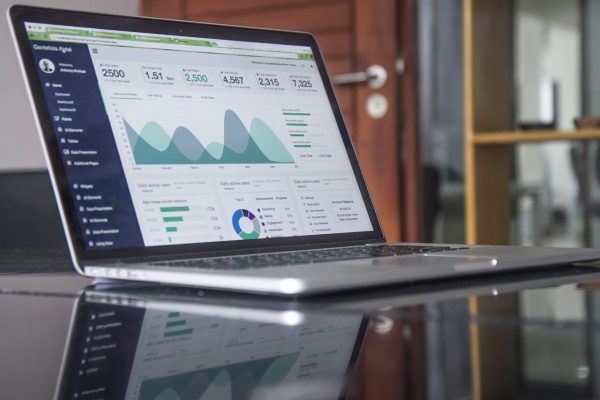
Track direct performance metrics where possible — content reach, engagement, website traffic via UTM links, and conversions through tracked channels. These metrics provide the quantifiable baseline for ROI calculation using the same frameworks applied to influencer marketing ROI.
Measure authority and credibility indicators. Track brand mentions in industry media, speaking invitation volume, backlinks generated, and industry ranking improvements. These signals indicate growing brand authority attributable to KOL partnerships.
Monitor audience quality metrics. KOL content should reach decision-makers and influencers within their professional communities. Track the seniority, job titles, and industries of people engaging with KOL content (LinkedIn provides this data natively). High-quality audience engagement is often more valuable than high-volume engagement.
Assess pipeline influence for B2B brands. Tag leads and opportunities that originate from or are influenced by KOL content. Track these through your CRM to measure long-term revenue impact. B2B purchasing cycles mean that KOL impact may take three to twelve months to manifest in pipeline and revenue data.
Track brand perception changes through surveys or social listening. Measure whether your brand is increasingly associated with the expertise, trust, and authority that KOL partnerships aim to build. Pre- and post-campaign brand perception surveys provide the clearest measurement of credibility impact.
Frequently Asked Questions
What is the difference between a KOL and an influencer?
A KOL’s authority comes from professional expertise, credentials, and industry experience. An influencer’s authority comes from content creation and audience engagement. KOLs are trusted for what they know; influencers are followed for what they create. The categories often overlap, especially on platforms like LinkedIn and YouTube.
How much do KOLs charge in Singapore?
KOL fees vary widely based on their professional stature and the engagement format. Expect $1,000–$5,000 for a social media endorsement, $3,000–$10,000 for a webinar or speaking engagement, $5,000–$20,000 for a co-authored whitepaper, and $10,000–$50,000+ for ongoing advisory or ambassadorship arrangements.
How do I approach a KOL for a partnership?
Research their work thoroughly and make a personalised approach that demonstrates genuine understanding of their expertise. Explain the alignment between their professional focus and your brand. Offer product access without initial conditions. Propose a collaboration format that adds value to their professional reputation, not just compensation.
Is KOL marketing suitable for consumer brands?
Yes, particularly for consumer brands where trust and expertise matter — healthcare products, financial services, technology, education, and premium goods. A dermatologist recommending skincare or a certified trainer endorsing fitness equipment provides expert credibility that standard influencer content cannot match.
How long does it take to see results from KOL marketing?
KOL marketing typically delivers results over longer timeframes than standard influencer campaigns. Initial credibility impact may be visible within weeks, but meaningful authority building and pipeline influence take three to six months. Plan KOL partnerships as long-term investments rather than tactical campaigns.
Can KOL marketing work alongside standard influencer campaigns?
Absolutely. A combined approach uses KOLs for credibility and authority at the top of the funnel, micro-influencers for engagement and social proof in the middle, and nano-influencers for authentic word-of-mouth at the community level. This layered strategy covers the full spectrum of influence.
Do KOLs need to disclose paid partnerships?
Yes. Singapore’s ASAS guidelines require disclosure of all commercial relationships regardless of the creator’s professional status. KOLs must clearly indicate when content is sponsored. The disclosure should be appropriate for the professional context while meeting regulatory requirements.