Workshop and Seminar Marketing: Fill Seats and Generate Leads
Table of Contents
Workshops and Seminars as Marketing Tools
Workshop seminar marketing is one of the most effective lead generation strategies for professional services, SaaS companies, consultancies and educational businesses. By sharing your expertise in a structured educational format, you demonstrate competence, build trust and create qualified sales conversations — all in a single event.
The distinction between workshops and seminars matters for your marketing approach. Seminars are presentation-focused: an expert presents knowledge to an audience. Workshops are hands-on: participants actively work through exercises, problems or skills under guidance. Workshops typically convert better because participants experience your teaching approach firsthand, but they require smaller group sizes.
Singapore’s professional community is highly receptive to educational events. The culture values continuous learning, and professionals actively seek opportunities to upgrade their skills. SkillsFuture credits and employer training budgets further lower the barrier to participation. This combination of cultural receptiveness and financial support makes Singapore an excellent market for workshop and seminar-based marketing.
The economics work favourably too. A workshop that attracts 30 qualified prospects costs a fraction of what it would take to reach the same audience through advertising or cold outreach. These are self-selected leads who have demonstrated interest in your subject matter by investing their time to attend. Combined with strong digital marketing, workshops create a powerful lead generation engine.
Defining Your Topic and Target Audience
Your workshop topic must sit at the intersection of your expertise and your audience’s pain points. Identify the specific problems your target customers face, then design a workshop that addresses one of those problems in a practical, actionable way. The topic should be specific enough to attract the right audience but broad enough to draw sufficient numbers.
Avoid topics that are too introductory — these attract tyre-kickers rather than qualified prospects. Also avoid topics that are too advanced — these attract competitors and existing experts rather than potential clients. The sweet spot is content that helps attendees understand the complexity of a problem and gives them initial tools to address it, while making clear that professional help accelerates results.
Research your competition. What workshops and seminars are already available in Singapore on your topic? How can you differentiate yours? You might offer a more practical, hands-on format. You might bring unique data or case studies. You might target a more specific sub-audience. Differentiation is essential in a market where professionals are bombarded with event invitations.
Define your ideal attendee profile precisely. Job title, industry, company size, seniority level and specific challenges they face. This profile guides every marketing decision: which channels to promote on, what messaging to use, what pricing to set and which speakers or facilitators to feature. A workshop trying to appeal to everyone appeals to no one.
Create a compelling workshop title and description. The title should clearly communicate the benefit of attending. “Digital Marketing Workshop” is vague. “Build a Lead Generation System That Books 10 Sales Calls Per Month” is specific and benefit-driven. Write a description that outlines what attendees will learn, what they will take away and who the workshop is designed for.
Pricing and Positioning Strategy
Pricing communicates value and filters your audience. Free workshops attract large numbers but lower quality leads — many attendees are deal-seekers or casual learners with no real buying intent. Paid workshops attract committed participants who value their time and your expertise. The trade-off depends on your primary objective: lead volume or lead quality.
For lead generation workshops, a nominal fee of $20 to $50 effectively reduces no-shows while keeping the barrier low enough for broad attendance. This approach works well when your goal is to fill a sales pipeline. For workshops positioning you as a premium provider, pricing of $200 to $500 per person signals expertise and attracts more senior, higher-budget attendees.
Full-day intensive workshops or multi-session programmes can command $500 to $2,000 per person in Singapore. At this price point, the workshop needs to deliver substantial standalone value — frameworks, templates, personalised feedback and actionable skills that justify the investment even if the attendee never becomes a client.
Early bird pricing creates urgency and rewards early commitment. Offer a 15 to 25 percent discount for registrations in the first two weeks. Group pricing incentivises companies to send multiple team members. “Bring a colleague” discounts expand your reach through personal networks. Consider SkillsFuture Credit eligibility for individual registrations — this effectively makes your workshop free for Singapore citizens.
Position your workshop within a clear value ladder. The workshop sits above your free content (blog posts, videos, social media) and below your paid services (consulting, implementation, retainers). It serves as a conversion mechanism where prospects experience a sample of your expertise before committing to a larger engagement. Connect workshop content to your SEO services and other offerings naturally.
Promotion Channels That Fill Seats
Email marketing is the highest-converting channel for workshop promotion. Your existing email list contains people who already know your brand and have shown interest in your content. Segment your list and tailor messaging for each segment. Past clients receive “advanced session” messaging. New subscribers receive “introduction to” framing. Decision-makers receive ROI-focused copy.
LinkedIn is the primary social media platform for B2B workshop promotion in Singapore. Create a LinkedIn Event, publish posts about the workshop topic (not just promotional posts), engage in relevant LinkedIn groups and use LinkedIn Ads targeting by job title, industry, seniority and company size. Sponsored InMail can reach specific decision-makers with personalised invitations.
Event platforms like Eventbrite, Peatix and Meetup.com provide built-in audiences of people actively looking for events. List your workshop on multiple platforms to maximise visibility. These platforms also handle registration and payment processing, reducing your administrative burden.
Google Ads capture people actively searching for learning opportunities. Bid on terms like “digital marketing workshop Singapore” or “leadership seminar Singapore” depending on your topic. Google Ads management ensures you reach high-intent searchers who are already looking for exactly what you offer.
Partner promotion leverages other organisations’ audiences. Co-promote with complementary businesses, industry associations, co-working spaces and media outlets. Offer partners a commission on registrations or reciprocal promotional opportunities. A partnership with a co-working space might include venue access in exchange for promotion to their member base.
Content marketing builds a promotional funnel that works on autopilot. Publish blog posts and videos addressing the same topics your workshop covers. Include calls-to-action directing readers and viewers to your workshop registration page. Organic search traffic from this content becomes a sustainable source of registrations over time. A solid content marketing strategy makes every workshop easier to fill than the last.
Registration Flow and Conversion Optimisation
Your registration page must convert visitors into registrants efficiently. Essential elements include a clear and compelling headline, the date, time and location, a detailed agenda or learning outcomes list, speaker or facilitator credentials, social proof (testimonials, past attendee logos, satisfaction scores), pricing and a prominent registration button.
Minimise form fields to reduce friction. Name, email and company are usually sufficient for free or low-cost workshops. Paid workshops justify more detailed forms that help you prepare for attendees’ needs. Every additional field reduces conversion rates by 5 to 10 percent, so only ask for information you will actually use.
Implement urgency elements. Limited seats (and displaying how many remain), early bird pricing countdowns and “last few spots” notifications accelerate decision-making. These elements must be genuine — artificially creating urgency erodes trust if attendees discover the manipulation.
Set up an automated confirmation sequence. Immediately after registration: send a confirmation email with calendar invite file, logistics details and pre-workshop preparation materials. One week before: send a reminder with the agenda and what to bring. One day before: send a final reminder with venue directions and contact information. Morning of: send a “see you today” message with any last-minute updates.
Track your registration funnel metrics: page views to registration conversion rate, registration to attendance rate, cost per registrant by channel and time-to-registration from first touchpoint. These metrics reveal where your funnel leaks and guide optimisation efforts for future workshops. Build a high-converting landing page designed specifically for event registration.
Delivering Value That Generates Business
The workshop itself must deliver genuine, actionable value. Attendees who leave with useful frameworks, new skills and practical takeaways become your best advocates and most qualified leads. A workshop that feels like a thinly disguised sales pitch destroys trust and generates negative word-of-mouth that undermines future events.
Structure your content using the “teach the what and the why, sell the how” framework. Share your methodology, frameworks and strategic insights generously. These elements demonstrate your expertise and help attendees understand the scope of their challenges. The natural conversion happens when attendees realise they need help with implementation — which is where your services come in.
Include interactive elements that keep attendees engaged. Small group discussions, hands-on exercises, case study analysis, live demonstrations and Q&A sessions break up lecture-style content and increase retention. Workshops that are purely lecture-based lose energy after 45 minutes. Interactive elements maintain engagement for full-day sessions.
Provide take-home materials that reinforce your expertise and keep your brand top of mind. Workbooks, templates, checklists, frameworks and resource lists give attendees ongoing value after the workshop ends. Include your company branding and contact information on these materials — they serve as long-term marketing assets.
Close the workshop with a soft call to action. Offer a free consultation, an assessment, a discounted trial of your service or an exclusive follow-up resource for attendees who want to continue the conversation. This transition should feel natural and valuable, not pressured. The best workshops leave attendees wanting more of your expertise.
Post-Event Lead Nurturing
Post-workshop follow-up determines whether your event generates business or just goodwill. Send a thank-you email within 24 hours with workshop slides, additional resources and a feedback survey. This email reinforces the value you delivered and keeps the conversation active.
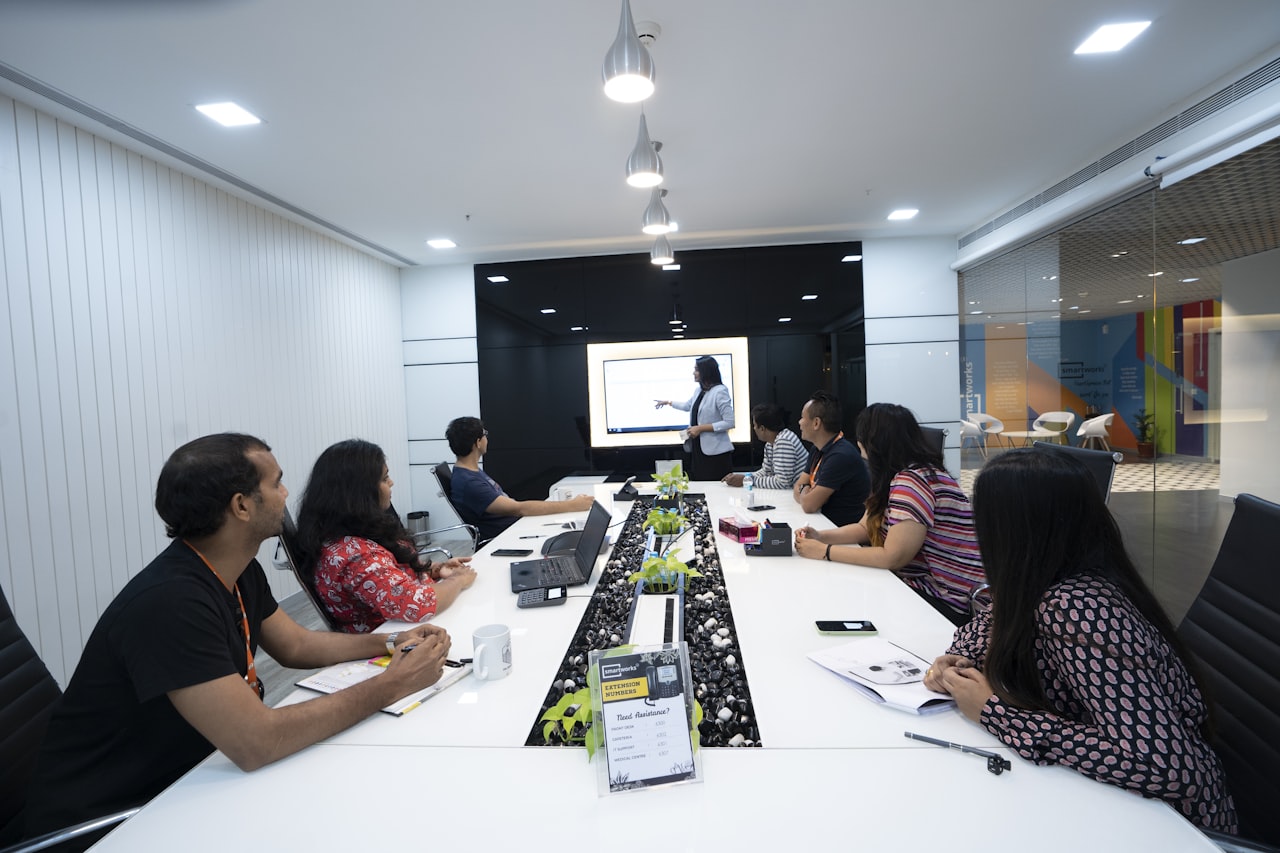
Segment your attendees by engagement level and follow-up interest. Attendees who asked questions, engaged actively and expressed interest in your services during the workshop are your hottest leads. Contact them personally within 48 hours to schedule a consultation or discovery call. Do not wait — their enthusiasm and recall diminish quickly.
For attendees who are interested but not ready to buy, create a nurture email sequence. Share additional content that builds on workshop themes, case studies showing results you have achieved for clients and invitations to future events. Space emails over 4 to 8 weeks, gradually introducing more service-focused messaging as you build the relationship.
Encourage attendees to connect with you on LinkedIn and follow your company page. This creates an ongoing touchpoint where your regular content keeps you visible and top of mind. When attendees are ready to buy, you want to be the first expert they think of.
Measure the business impact of each workshop. Track how many attendees convert to consultations, proposals and clients over the following 3 to 6 months. Calculate the revenue generated per workshop and compare against the total cost. This data informs your decision to continue, scale or adjust your workshop marketing strategy. For comprehensive event tracking, refer to our guide on measuring event marketing ROI.
Frequently Asked Questions
How many people should attend a workshop?
For hands-on workshops, 15 to 30 participants provides the best balance of interaction quality and commercial viability. For lecture-style seminars, 30 to 100 attendees works well. Going above 100 requires a conference format with larger venue, AV production and potentially parallel sessions.
Should workshops be free or paid?
Paid workshops attract higher-quality leads with greater purchase intent. Free workshops generate more leads but at lower quality. For lead generation, a nominal fee of $20 to $50 is optimal — it filters out casual attendees while keeping the barrier low. For revenue generation and premium positioning, charge $200 to $500 or more.
What is a good attendance rate for workshops?
For paid workshops, expect 80 to 90 percent of registrants to attend. For free workshops, expect 50 to 70 percent. Improve attendance rates by sending multiple reminder emails, including calendar invite files, charging a refundable deposit for free events and creating pre-event engagement through preparatory materials.
How often should I run workshops?
Monthly workshops are sustainable for most businesses and maintain consistent lead generation. Quarterly workshops work well for premium, high-ticket formats. Avoid running the same workshop too frequently in a small market like Singapore — attendees overlap and the content loses its novelty. Rotate topics to cover different aspects of your expertise.
Where should I host workshops in Singapore?
Co-working spaces and hotel meeting rooms are the most popular venues. Co-working spaces like WeWork, JustCo and The Great Room offer professional settings with good AV at reasonable rates. Hotel meeting rooms at properties in the CBD provide prestige and accessibility. For larger seminars, consider venues like Suntec Convention Centre or university facilities.
How do I handle no-shows at free workshops?
Over-book by 20 to 30 percent for free workshops to account for no-shows. Implement a waitlist system to fill cancelled spots. Charge a refundable deposit that is returned upon attendance. Send reminder communications at one week, one day and morning-of the event. Offer a recording or resource pack to reduce the perceived loss of missing the event.
Can I use SkillsFuture credits for my workshops?
Yes, if your workshop is approved as a SkillsFuture-eligible course. The approval process requires registration as a training provider with SkillsFuture Singapore and course accreditation. The process takes 2 to 3 months but makes your workshop effectively free for Singapore citizens using their credits, which significantly boosts registration.
How do I convert workshop attendees into clients?
Deliver genuine value during the workshop. Close with a clear but non-pressured call to action. Follow up within 48 hours with hot leads. Nurture warm leads through email sequences. Share case studies and results. Make the transition from workshop to consultation feel like a natural next step rather than a sales pitch.