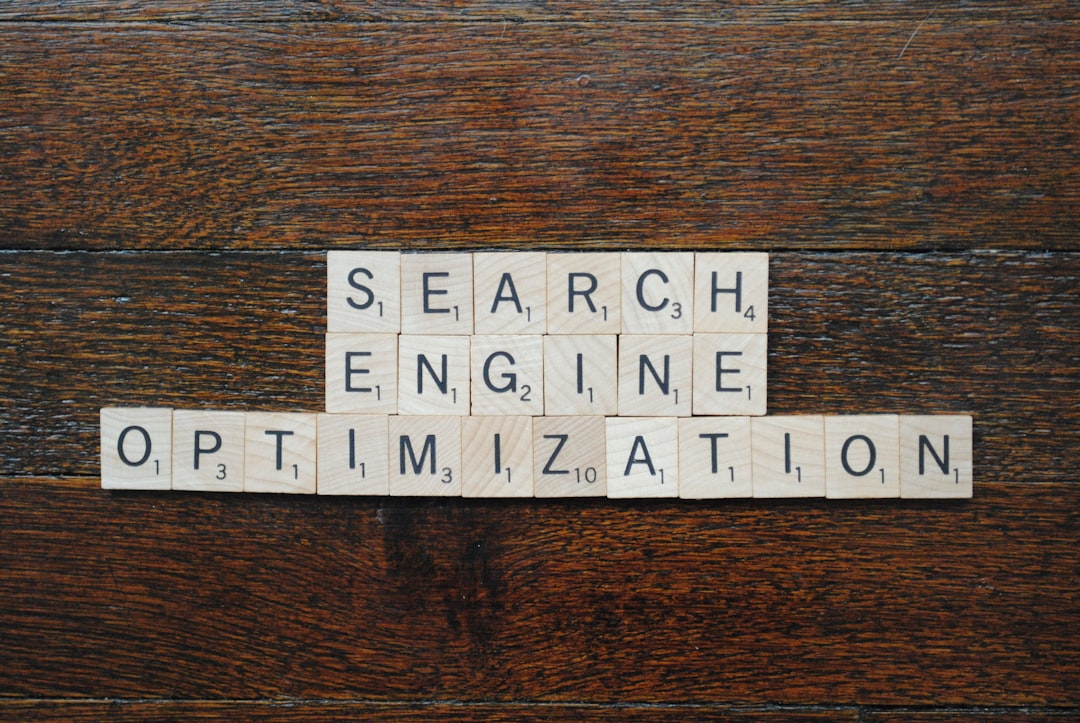
What Is SEM? Search Engine Marketing Explained
Table of Contents
SEM vs SEO: Understanding the Difference
SEM, or search engine marketing, is a digital marketing strategy that uses paid advertisements on search engine results pages to increase visibility for specific queries. While the term technically covers both paid search and organic SEO, it is most commonly used to refer specifically to paid search advertising through platforms like Google Ads and Microsoft Ads. Many Singapore businesses bring in managed search engine marketing to accelerate results.
SEO earns organic rankings through content quality, technical optimisation, and authority building. Results are unpaid but require sustained effort over months. SEM delivers immediate visibility through paid ads. You pay per click, and ads appear as soon as your campaign goes live. The moment you stop paying, visibility disappears.
The most effective search strategies combine both. SEM provides immediate traffic while SEO builds long-term organic presence. In the early stages of a new website, SEM drives revenue while SEO efforts mature. Over time, as organic rankings strengthen, businesses can shift some SEM budget towards other channels. Most Singapore businesses benefit from maintaining both as complementary elements of a comprehensive digital marketing approach.
Control is another key difference. With SEM, you dictate which keywords trigger ads, what copy appears, who sees them, and how much you spend. With SEO, you influence but ultimately depend on algorithms. Neither is inherently better; the right balance depends on your goals, budget, timeline, and competitive landscape.
How Google Ads Works
Google Ads operates on a pay-per-click model. You only pay when someone clicks your ad. You set a daily or monthly budget, and Google will not exceed it. The platform is organised hierarchically: accounts contain campaigns, campaigns contain ad groups, and ad groups contain keywords and ads.
Keywords are the foundation. You specify the search terms for which you want ads to appear. Match types control how closely a user’s query must match: broad match provides the widest reach, phrase match offers moderate precision, and exact match provides the tightest control.
Ad copy is what users see: headlines, descriptions, and a display URL. Compelling copy that communicates your value proposition, includes a strong call to action, and speaks to search intent is critical for attracting clicks and driving conversions. Writing ad copy that differentiates from competitors visible on the same results page is an art that directly impacts campaign profitability.
Campaign types serve different objectives. Search campaigns target people actively searching for keywords. Shopping campaigns display product images and prices for e-commerce. Display campaigns place visual ads across millions of websites. Video campaigns run on YouTube. Performance Max campaigns use AI to serve ads across all Google properties simultaneously.
The Ad Auction Explained
Every Google search triggers an instantaneous auction among advertisers bidding on matching keywords. Crucially, the highest bidder does not automatically win. Google uses Ad Rank to determine positions.
Ad Rank is calculated from your maximum bid, Quality Score, expected impact of ad extensions, and search context including device, location, and time. This means an advertiser with a lower bid but higher Quality Score can outrank a higher bidder with poor ad quality. Google designed this deliberately: showing relevant, high-quality ads benefits users and generates more revenue for Google in the long run.
You pay through a second-price mechanism: only the minimum amount needed to maintain your position, specifically the Ad Rank of the advertiser below you divided by your Quality Score plus one cent. This means you almost always pay less than your maximum bid, and improving Quality Score directly reduces your costs.
Quality Score and Why It Matters
Quality Score is Google’s 1-to-10 rating of keyword, ad, and landing page quality. It directly influences ad positions and cost per click, making it one of the most important metrics in SEM.

Three components drive the score. Expected click-through rate predicts how likely users are to click based on historical performance. Ad relevance measures how closely copy matches search intent. Landing page experience evaluates speed, mobile-friendliness, content relevance, and user experience.
The cost impact is substantial. A Quality Score of 10 delivers roughly half the CPC of a score of 6. A score of 1 inflates CPC by up to 400%. Over thousands of clicks, these differences translate into enormous savings or waste.
Improvement requires tight keyword-to-ad-group alignment, ad copy that directly addresses the searcher’s query, and dedicated landing pages that deliver on the ad’s promise. These are not one-off fixes but ongoing optimisation habits. A well-built landing page from a professional web design team can boost the landing page component significantly.
Ad Formats and Extensions
Responsive Search Ads are the primary search format in 2026. You provide up to 15 headlines and 4 descriptions, and Google’s machine learning tests combinations to find the best performers. Shopping ads display product images, prices, and merchant names, essential for e-commerce. Display ads appear across Google’s network of millions of websites. Video ads run on YouTube in various formats.
Ad extensions, now called assets, enhance ads with additional information: sitelinks to specific pages, callouts highlighting key benefits, call extensions with your phone number, location extensions with your address, price extensions showing costs, and structured snippets listing features. Extensions increase ad real estate, provide users with more information, improve click-through rates, and factor into Ad Rank calculations. Using relevant extensions is a best practice for every Google Ads campaign.
Bidding Strategies for Every Stage
Manual CPC gives the most control, letting you set maximum bids per keyword. It suits advertisers wanting granular oversight but requires constant monitoring. Enhanced CPC adjusts manual bids in real time based on conversion likelihood, balancing control with automation.
Maximise Clicks aims for the most clicks within your budget, useful for early data gathering. Maximise Conversions uses machine learning to get the most conversions, requiring proper conversion tracking. Target CPA sets a target cost per conversion for Google to achieve. Target ROAS optimises for a specific return on ad spend, ideal for e-commerce with variable order values.
Many advertisers start with manual or enhanced CPC to build data, then transition to automated strategies once they have sufficient conversion history. For a full cost breakdown, visit our guide on Google Ads cost in Singapore.
Measuring SEM Success
SEM’s measurability is one of its greatest strengths. Impressions measure visibility. Clicks measure traffic. Click-through rate indicates ad relevance and appeal. Cost per click reflects traffic acquisition costs. Conversions measure desired actions: form submissions, calls, purchases. Conversion rate reveals landing page effectiveness. Cost per acquisition shows what you pay per result. Return on ad spend connects activity to revenue.

For the Singapore market, several factors shape SEM performance. English dominates search but multilingual campaigns can capture additional traffic. High competition drives CPCs above most Southeast Asian markets, making Quality Score optimisation and conversion rate improvement essential for profitability. The mobile-first market demands mobile-optimised landing pages and ad formats.
Integration with social media marketing is a common Singapore approach. Remarketing to search ad clickers through social platforms reinforces messaging and improves overall conversion rates. For businesses establishing their Google Ads presence, starting with focused campaigns on your most valuable keywords and investing in quality landing pages is the surest path to SEM success.
Frequently Asked Questions
How much should I budget for SEM in Singapore?
Small businesses might start with SGD 1,000 to SGD 3,000 per month. Larger companies in competitive industries may spend SGD 10,000 or more. Start with a manageable budget, measure your cost per acquisition and return on ad spend, then scale based on profitability.
Can SEM work for small businesses?
Absolutely. The pay-per-click model and precise targeting make SEM accessible at any budget. Small businesses can compete by focusing on the most relevant, highest-intent keywords rather than broad, expensive terms.
How quickly can I see results from SEM?
Ads can start appearing within hours of launch. Clicks and conversions may come on day one. However, optimising for maximum efficiency typically takes two to four weeks of data collection, testing, and refinement.
Should I use SEM if I already rank well organically?
Yes. Having both a paid ad and organic listing increases overall click-through rates. SEM also lets you target keywords where you do not rank organically, test messaging, and capture traffic from competitors bidding on the same terms.
What is the most common SEM mistake?
Neglecting negative keywords. Without them, ads appear for irrelevant searches, wasting budget on clicks that never convert. Regularly reviewing search terms and adding negatives is one of the simplest yet most impactful optimisation activities.
How does SEM differ from PPC?
SEM specifically refers to paid search engine advertising. PPC is the broader pricing model of paying per click, which includes search ads, social media ads, display ads, and more. All SEM is PPC, but not all PPC is SEM.
What is a good click-through rate for SEM?
The average across industries is approximately 3-5% for search ads. Above 5% is strong. Below 2% suggests ad copy or targeting needs improvement. CTR varies significantly by industry, keyword intent, and ad position.
Can I run SEM campaigns myself?
Yes, particularly for simple campaigns. Google Ads provides guided setup and recommendations. However, complex campaigns with multiple products, audiences, and objectives benefit from professional management. Many Singapore businesses manage simple campaigns in-house and outsource complex ones to specialists.
How do I choose the right keywords for SEM?
Start with Google Keyword Planner to identify relevant terms with sufficient search volume. Focus on commercial intent keywords that signal buying readiness. Include long-tail variations for lower costs and higher conversion rates. Review competitor ads for keyword ideas.
Is SEM effective for B2B businesses?
Very effective. B2B buyers research solutions on Google just as consumers do. Target solution-specific and problem-aware keywords. Use lead form extensions for frictionless capture. Higher CPCs in B2B are justified by higher deal values. Combine SEM with remarketing to nurture long B2B buying cycles.