When Singapore business owners ask about getting found on Google, two terms come up almost immediately: SEO and SEM. The confusion between them is understandable — both live in the search engine world, both aim to drive traffic to your website, and agencies often use the terms interchangeably. But they work in fundamentally different ways, and choosing between them (or knowing how to combine them) can determine whether your digital marketing budget delivers a strong return or quietly bleeds away. Working with a Singapore SEO consultant is often the fastest way to get this right.
This guide cuts through the jargon. You will find clear definitions, a straight comparison across the metrics that matter, and practical guidance on when each strategy makes sense for a Singapore business. Whether you are weighing up where to invest your first digital marketing dollar or re-evaluating an existing strategy, this is the decision framework you need.
What Is SEO?
Search Engine Optimisation (SEO) is the practice of improving your website so that it ranks higher in Google’s organic (unpaid) search results. When someone searches for “interior designer Singapore” or “best accounting software for SMEs”, the results that appear below any ads are organic — and SEO is how you earn a position there.
SEO encompasses several disciplines working in concert:
- On-page SEO — Optimising page titles, headings, content, and internal linking so Google can understand what each page is about and match it to relevant searches.
- Technical SEO — Ensuring your website loads quickly, is accessible to search engine crawlers, is mobile-friendly, and has a clean site architecture.
- Off-page SEO — Building authority through backlinks from credible third-party websites, digital PR, and brand mentions.
- Content SEO — Creating genuinely useful content that answers the questions your target audience is searching for, so Google has reason to rank your pages prominently.
- Local SEO — Optimising your presence in location-based searches, particularly your Google Business Profile, so customers searching “near me” or in specific areas can find you. This is especially important for Singapore businesses with a physical location or service area.
The defining characteristic of SEO is that you do not pay for each click. Traffic earned through organic rankings is free at the point of delivery — though the work required to achieve and maintain those rankings has a cost in time, expertise, and resources.
If you are considering a structured SEO investment, our SEO services and local SEO services pages give a clear overview of what a professional engagement looks like.
What Is SEM?
Search Engine Marketing (SEM) has evolved in meaning over the years. Historically, SEM was a broad umbrella that included both paid and organic tactics. Today, in common agency and marketing usage, SEM almost exclusively refers to paid search advertising — primarily Google Ads (formerly Google AdWords).
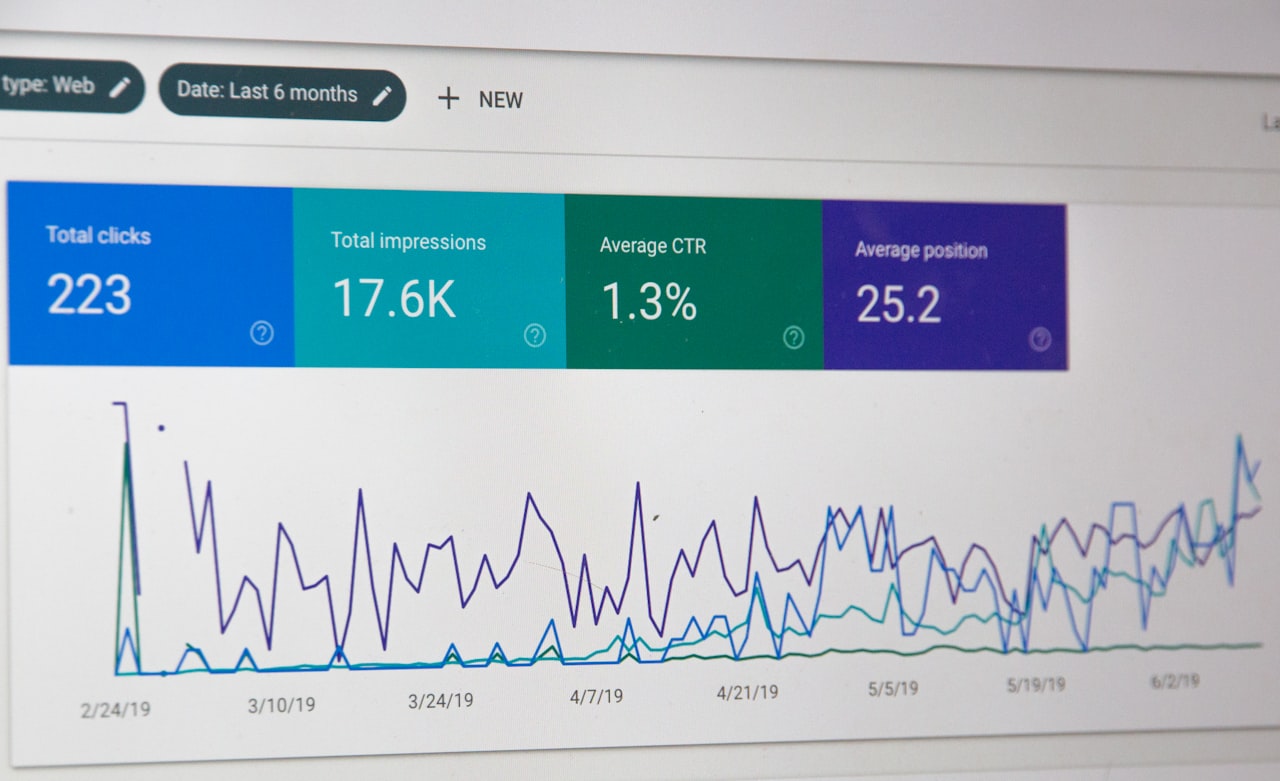
With SEM, you bid on keywords and pay Google each time someone clicks your ad. Your ads appear at the top (and sometimes the bottom) of the search results page, clearly labelled as “Sponsored”. The moment your campaign goes live, your ads can appear for your target keywords. The moment your budget runs out or your campaign is paused, they stop.
The main components of an SEM campaign include:
- Search campaigns — Text ads that appear when users search for your chosen keywords.
- Shopping campaigns — Product listing ads (PLAs) showing images and prices, primarily used by e-commerce businesses.
- Remarketing — Showing ads to users who have already visited your website, keeping your brand front of mind as they browse the web.
- Keyword bidding and match types — Controlling which searches trigger your ads, how much you pay per click, and how your budget is allocated.
SEM is a performance-driven channel: you set a budget, define your goals (leads, sales, calls), and optimise relentlessly to maximise return on ad spend. Our SEM services and dedicated Google Ads services pages outline how we approach paid search for Singapore businesses.
SEO vs SEM: Side-by-Side Comparison
Numbers and definitions only tell part of the story. This table gives you a direct comparison across the dimensions that matter most when making a budget decision.
| Factor | SEO | SEM (Google Ads) |
|---|---|---|
| Cost structure | Monthly retainer or project fee; no cost per click. Investment is in labour and expertise. | Pay-per-click (PPC). You pay Google directly for every click, plus agency management fees. |
| Timeline to results | 3–6 months before meaningful ranking gains; 6–12 months for competitive keywords. | Immediate. Ads can appear within hours of campaign launch. |
| Sustainability | High. Rankings, once earned, can hold for months or years with maintenance. | Low in isolation. Traffic stops the moment your budget is paused. |
| Click-through rate (CTR) | Generally higher for informational queries. Top organic results can achieve 20–30%+ CTR. | Lower average CTR than top organic results, though varies by ad quality and position. |
| Trust factor | High. Users know organic results are earned, not bought. | Lower. Ad labels reduce trust for some users, particularly for research-stage queries. |
| Scalability | Scales over time as content and authority compound. Harder to scale quickly. | Highly scalable in the short term — increase budget to increase reach immediately. |
| Targeting precision | Less granular. You target keywords and optimise pages, but cannot control who clicks. | Very precise. Target by keyword, location, device, time of day, audience demographics, and more. |
| Data and insights | Limited keyword data due to Google’s “not provided” restrictions. | Rich data on every click: keyword, device, location, time, conversion path. |
| Best use cases | Long-term brand building, content-rich industries, lead generation over time, local presence. | Product launches, seasonal campaigns, high-intent commercial keywords, rapid market entry. |
| Typical Singapore monthly spend | SGD 1,500 – 8,000/month (retainer) | SGD 2,000 – 20,000+/month (ad spend + management) |
When to Choose SEO
SEO is not the right choice for every situation, but when the conditions are right, it is the highest-return digital investment a business can make. Here are the scenarios where SEO should take priority.

You Are Building a Long-Term Brand Presence
If your business model depends on sustained, predictable lead generation over months and years — rather than a campaign that runs for six weeks — SEO is the foundation. Every piece of content you publish, every backlink you earn, and every technical improvement you make compounds. A well-optimised page ranking in position one for a high-volume keyword in Singapore can deliver thousands of qualified visitors every month, at zero incremental cost per click.
Law firms, accounting practices, healthcare providers, and financial services companies in Singapore invest heavily in SEO precisely because the economics become extraordinary once rankings are established.
You Are Operating Under Budget Constraints
If you have SGD 2,000 per month to spend on search marketing, putting it all into Google Ads will buy you a finite number of clicks each month with nothing to show for it once the budget is exhausted. Allocating that same budget to SEO begins building an asset — a website with growing authority, quality content, and improving rankings — that delivers returns for years.
This does not mean SEO is cheap. It means the investment goes towards building something permanent rather than renting traffic.
Your Industry Is Content-Rich
If your customers research extensively before buying — as they do in industries like home renovation, financial planning, legal services, education, and B2B software — content-driven SEO is a natural fit. You can publish authoritative guides, comparison articles, how-to content, and FAQ pages that capture users at every stage of the buying journey. By the time they are ready to engage, they already know and trust your brand.
You Want Local Visibility
For businesses serving a specific area in Singapore — whether that is a neighbourhood F&B outlet, a clinic in Tampines, or a contractor serving the East region — local SEO can drive highly targeted foot traffic and enquiries from people searching nearby. Google Maps rankings and local pack appearances are won through SEO, not paid ads.
When to Choose SEM
SEM’s strengths are speed, precision, and control. In the following situations, it is the clear choice.
You Are Launching a New Product or Business
A brand-new website has no domain authority, no backlinks, and no ranking history. SEO will take months to gain traction. If you need leads from day one — for a product launch, a new service line, or a recently opened business — SEM delivers immediate visibility for your most important commercial keywords while your SEO foundation is being built in the background.
You Are Running Time-Sensitive Campaigns
Seasonal promotions, sale events, limited-time offers, and event-based campaigns all have a defined window. There is simply not enough time for SEO to kick in. SEM lets you activate targeted campaigns for exactly the dates you need, then pause them cleanly. Singapore-based businesses running Chinese New Year promotions, National Day campaigns, or end-of-year sales consistently lean on Google Ads for this reason.
You Are Targeting High-Intent Transactional Keywords
For keywords where commercial intent is extremely high — “buy office chair Singapore”, “compare business insurance quotes” — paid ads appear at the very top of the page and capture users who are moments away from a purchase decision. These are exactly the clicks worth paying for.
You Want to Test Keywords Before Committing to SEO
SEM is a powerful research tool. Running paid campaigns across a range of keywords reveals which terms convert — not just which ones receive traffic. Before investing in a six-month SEO campaign targeting a specific keyword cluster, a short SEM test can validate that those terms actually drive enquiries and sales for your business. This is a step many Singapore businesses skip and later regret.
You Need Precise Audience Targeting
Google Ads allows you to layer audience signals on top of keyword targeting. You can target users who have already visited your website, users who match the profile of your existing customers, or users in a specific Singapore district. If your business requires this level of targeting precision, SEM — particularly as part of a broader performance marketing approach — gives you control that SEO simply cannot match.
Why Most Singapore Businesses Should Use Both
The SEO vs SEM framing is, in many ways, a false dichotomy. For most businesses with a meaningful digital marketing budget, the most effective strategy is to run both in parallel, with each channel reinforcing the other.
The Combined Strategy: Short-Term Results, Long-Term Returns
Consider a Singapore home renovation company. They launch a Google Ads campaign targeting “home renovation contractor Singapore” and related terms — capturing immediate leads while their new website is too young to rank organically. Simultaneously, they invest in an SEO programme: publishing project case studies, renovation guides, and neighbourhood-specific pages. Over 6–12 months, their organic rankings improve and their reliance on paid ads for those terms decreases. Their cost per lead falls. Their pipeline grows. The two channels have worked together to build a compounding business asset.
SEO Data Informs SEM, and Vice Versa
When you run both channels, you gain insights that neither could provide alone. SEM reveals which keywords convert at the highest rate — invaluable for prioritising your SEO content roadmap. SEO reveals which organic content resonates with users — valuable for writing better ad copy. The data flows both ways.
Full SERP Coverage
Even businesses that rank first organically for a competitive keyword benefit from running ads on that same term. Studies consistently show that having both an ad and an organic listing on a results page increases total click share — the ad captures users who prefer clicking ads, while the organic result captures those who scroll past them. Dominating both positions also squeezes out competitors.
A growing share of Singapore buyers is also bypassing Google entirely and asking AI tools like ChatGPT for recommendations. Running ChatGPT Ads alongside SEO and SEM extends the same full-coverage logic to AI search, ensuring your brand shows up whether a buyer is typing keywords, clicking organic results, or asking an AI for a shortlist.
A Practical Budget Split for Singapore SMEs
If your total search marketing budget is SGD 5,000–8,000 per month, a reasonable starting allocation is:
- SEO retainer: SGD 2,500–3,500/month — covers ongoing optimisation, content production, technical upkeep, and link building.
- Google Ads spend: SGD 1,500–3,000/month — focused on your highest-intent, highest-converting keyword clusters.
- SEM management fee: SGD 500–800/month — agency management of your campaigns.
As your organic rankings strengthen over 6–12 months, you can gradually shift budget from paid to SEO or reinvest savings into expanding your content programme.
Singapore-Specific Context: CPC Ranges and Local Market Nuances
Singapore is one of the most competitive paid search markets in Southeast Asia. The city-state’s small geographic footprint, high internet penetration, and concentration of business activity mean that advertisers from across multiple industries compete intensely for the same keywords. This drives CPCs noticeably higher than in neighbouring markets.

Typical Google Ads CPC Ranges in Singapore
| Industry | Typical CPC Range (SGD) | Notes |
|---|---|---|
| Legal services | SGD 8 – SGD 40+ | Highly competitive; divorce and injury keywords at the upper end |
| Financial services / Insurance | SGD 5 – SGD 30+ | Strictly regulated; ad copy must comply with MAS guidelines |
| Healthcare / Medical clinics | SGD 3 – SGD 20 | Specialist procedures and aesthetic treatments are expensive |
| Home renovation / Interior design | SGD 2 – SGD 10 | Competitive but manageable; high average job value justifies spend |
| Education / Tuition | SGD 1.50 – SGD 8 | Highly seasonal; peaks around PSLE and O-Level periods |
| E-commerce (general) | SGD 0.30 – SGD 3 | Wide variance; branded and long-tail terms much cheaper |
| F&B / Restaurants | SGD 0.50 – SGD 2.50 | Lower CPCs but thin margins; local SEO often more cost-effective |
| B2B technology / SaaS | SGD 5 – SGD 25+ | Competitive when targeting decision-makers; high lifetime value justifies it |
What This Means for Your Strategy
In industries where CPCs are high — legal, financial services, healthcare — SEO becomes relatively more attractive because each organic click you earn is avoiding a significant paid cost. A legal firm ranking organically for “divorce lawyer Singapore” (a keyword that can cost SGD 20–40 per click) and generating 300 organic visits per month is effectively saving SGD 6,000–12,000 in avoided ad spend monthly. That context transforms how you should value your SEO investment.
In industries with lower CPCs and thinner margins — F&B, retail, services with small ticket sizes — the economics of paid search are tighter, and local SEO, Google Maps optimisation, and content-driven organic traffic often deliver a stronger return.
The Singapore Bilingual Opportunity
Singapore’s multilingual population creates keyword opportunities that many businesses miss. Mandarin-language searches, Malay queries, and Tamil-language searches represent underserved territory in both SEO and SEM. Competition is lower, CPCs are cheaper, and the businesses that invest in multilingual content and campaigns often find significant untapped demand. If your business serves these communities, this is a meaningful competitive advantage worth pursuing.
Local Search Behaviour
Singaporeans search with strong geographic specificity. Searches like “physiotherapy Bishan”, “accountant Jurong”, and “dentist Buona Vista” are common and highly commercially relevant. These terms are often less competitive than broad national terms and can be captured relatively efficiently through both local SEO and tightly geo-targeted Google Ads campaigns. For any business with a physical presence or defined service area, local search should be a priority — and local SEO is the most sustainable way to build that visibility.
Frequently Asked Questions
Is SEM the same as SEO?
No, though the terms are often confused. In modern usage, SEM refers specifically to paid search advertising — primarily Google Ads — where you pay for clicks on your ads. SEO refers to earning unpaid organic rankings through website optimisation, content, and link building. Both appear on Google’s search results page, but they work through entirely different mechanisms and require different strategies and budgets.
How long does SEO take to show results in Singapore?
For a new website with no existing authority, you should expect 3–6 months before meaningful ranking movement on moderately competitive keywords, and 6–12 months (sometimes longer) for highly competitive terms in industries like finance, law, or healthcare. This timeline can be shortened with aggressive content production and link acquisition, but there are no legitimate shortcuts. SEM, by contrast, can deliver traffic within 24–48 hours of launching a campaign — which is why many businesses use both channels simultaneously, with SEM bridging the gap while SEO builds.
Which is more cost-effective: SEO or SEM?
It depends on your time horizon and industry. SEM delivers faster results but costs money every time someone clicks, and those clicks stop the moment your budget is paused. SEO requires upfront investment but builds a compounding asset — once you rank, traffic is free. Over a 12–24 month period, well-executed SEO typically delivers a lower cost per lead than SEM for most Singapore businesses. However, for high-value short-term campaigns or in very competitive markets where quick visibility is essential, SEM’s paid model is often justified by the return it generates.
Can I do SEO myself, or do I need an agency?
Basic on-page SEO — writing proper page titles, using heading tags correctly, improving page speed — can be done in-house with the right guidance. However, competitive SEO in Singapore typically requires expertise across technical optimisation, content strategy, and link building, as well as the tools and relationships that professional agencies have developed over years. Attempting to compete in a high-stakes industry without specialist support is possible, but the opportunity cost of slow results and avoidable mistakes is usually higher than the cost of hiring well.
What budget should a Singapore SME allocate to SEO and SEM?
As a starting point, Singapore SMEs entering search marketing for the first time typically see meaningful results from a combined monthly budget of SGD 3,000–8,000. Within that, a reasonable split depends on your urgency for results and your industry’s competitiveness. If you need leads immediately, weight towards SEM initially. If you are playing a longer game and want to build sustainable traffic, invest more heavily in SEO from the outset. The most effective approach is to treat both as complementary, not competing, budget lines — and to review the allocation quarterly as your data accumulates.
Ready to Build Your Search Marketing Strategy?
SEO and SEM are not rivals — they are the two engines of an effective search marketing strategy for Singapore businesses. The question is not which one is better in the abstract, but which combination makes sense for your specific business, timeline, and budget.
If you are ready to invest in long-term organic growth, our team can develop and execute an SEO programme built around your business goals and competitive landscape. If you need results now or want to complement your organic efforts with a paid search campaign, our SEM specialists can build and manage a Google Ads strategy that maximises your return on every dollar spent.
Explore our SEO services | Explore our SEM services
Not sure where to start? Get in touch and we will help you assess which channel — or which combination — is right for your Singapore business right now.