Part of our Social & Influencer Marketing guide →
Table of Contents
- Why Community Events Matter for Your Brand
- Types of User Community Events
- Planning Events in Singapore: Venues, Logistics and Budgets
- Promoting Your Event for Maximum Attendance
- Running the Event: Engagement and Experience
- Virtual and Hybrid Event Strategies
- Post-Event Follow-Up and Content
- Frequently Asked Questions
Why Community Events Matter for Your Brand
Hosting user community events is one of the most effective ways to build genuine loyalty, deepen customer relationships and create lasting emotional connections with your audience. In a digital-first marketing landscape, in-person and virtual gatherings offer something that social media posts and email campaigns simply cannot — real human connection.
Singapore’s compact geography and highly connected population make it an ideal market for community events. With most of the population reachable within a 45-minute commute, geographical barriers are minimal. The culture of networking and continuous learning means that well-designed events attract strong attendance across industries.
The business benefits of community events extend far beyond brand awareness. Events create opportunities for direct customer feedback, product demonstrations, user education, cross-selling, referral generation and content creation. Brands that host regular community events report higher customer retention rates, increased lifetime value and stronger word-of-mouth referrals.
Community events also differentiate your brand in crowded markets. While competitors rely on digital advertising and promotional emails, your brand builds real relationships through shared experiences. Attendees form emotional connections with your brand and with each other, creating a community that is difficult for competitors to replicate.
Types of User Community Events
Educational workshops are among the most popular formats. Host sessions where users learn to get more value from your product or service. A SaaS company might run monthly workshops on advanced features. A fitness studio could host nutrition seminars. Educational events position your brand as an authority while delivering genuine value to attendees.
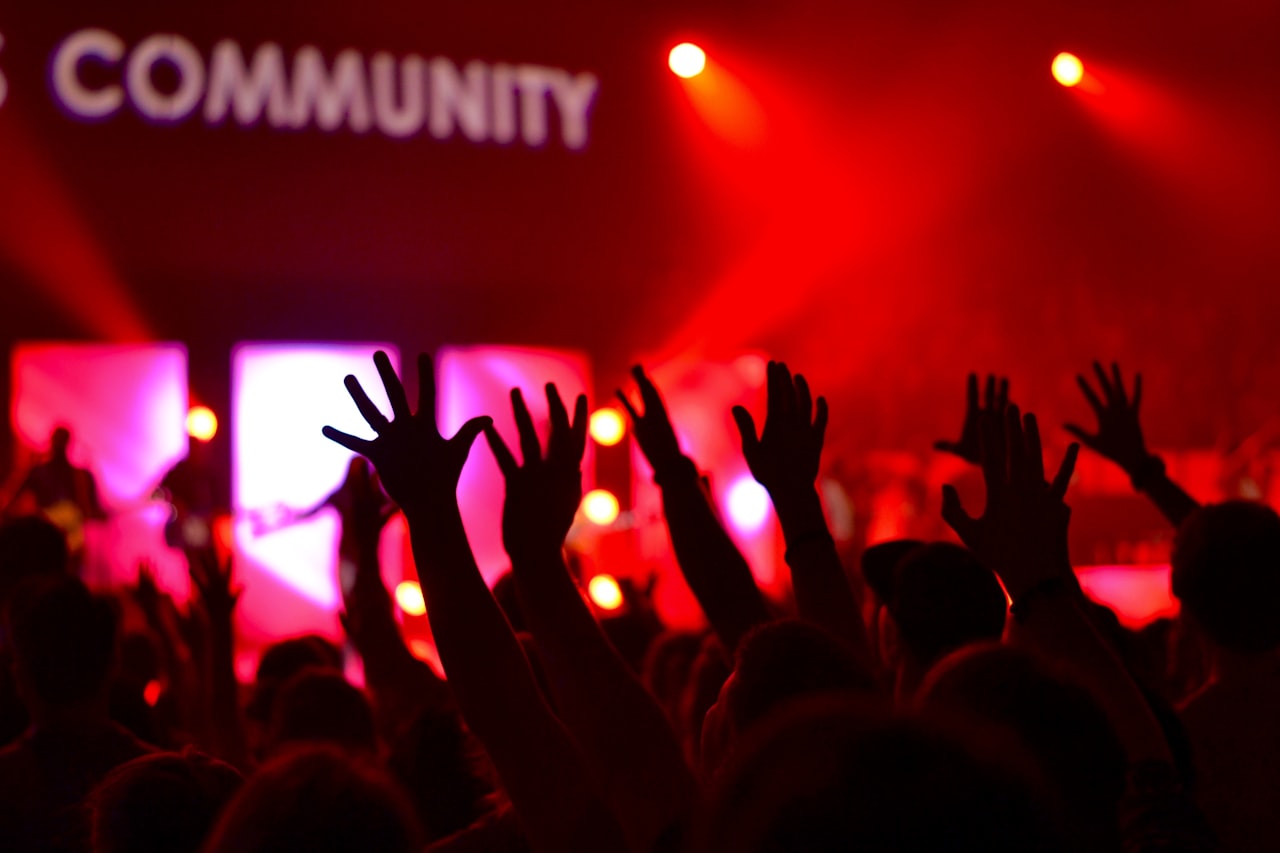
Casual meetups and networking sessions create low-pressure environments for community building. These work well for brands with passionate user bases — think coffee tastings for a specialty coffee brand or photography walks for a camera retailer. The informal format encourages authentic connections and conversations.
Product launch events build excitement and exclusivity around new offerings. Invite your community to be the first to experience new products, provide feedback and share their excitement with their networks. Launch events generate content, reviews and social media buzz that amplify your marketing efforts through social media channels.
User conferences or annual gatherings are larger-scale events that bring your entire community together. These typically feature keynote presentations, breakout sessions, networking opportunities and product roadmap reveals. While resource-intensive, annual conferences become landmark moments that strengthen community identity.
Appreciation events celebrate your customers without any commercial agenda. Host a year-end dinner, a customer appreciation day or a milestone celebration. These purely relationship-focused events demonstrate that you value your community beyond transactions, which builds deep loyalty.
Co-creation sessions invite users to participate in product development, service design or content creation. These collaborative events give attendees a sense of ownership over your brand direction while providing you with invaluable market insights. Users who contribute to product development become passionate advocates because they feel personally invested.
Planning Events in Singapore: Venues, Logistics and Budgets
Start planning at least six to eight weeks before your target date for small events and three to four months for larger gatherings. Create a detailed project plan covering venue selection, speaker coordination, promotion timeline, registration management, day-of logistics and post-event follow-up.
Singapore offers diverse venue options for every budget and format. Co-working spaces like WeWork, JustCo and The Great Room are affordable options for workshops and small meetups, typically costing SGD 300 to SGD 800 for a half-day. Hotel function rooms suit more formal events and corporate audiences, ranging from SGD 1,000 to SGD 5,000 depending on size and catering.
Consider unconventional venues that align with your brand identity. Rooftop bars, art galleries, heritage shophouses, gardens and even hawker centres can create memorable experiences. The venue itself becomes part of the event story and encourages social media sharing. Just ensure the space can accommodate your expected attendance with appropriate audio-visual equipment.
Budget for these core cost categories: venue rental, food and beverages, audio-visual equipment, promotional materials, speaker fees (if applicable), registration platform, photography or videography, and a contingency buffer of 10 to 15 percent. For a 50-person workshop in Singapore, expect total costs between SGD 2,000 and SGD 8,000 depending on venue and catering choices.
Handle registration through platforms like Eventbrite, Peatix or Luma. These tools manage RSVPs, send reminders, handle waitlists and provide attendance data. For free events, always overbook by 20 to 30 percent to account for no-shows — Singapore events typically see 60 to 75 percent of registered attendees actually showing up.
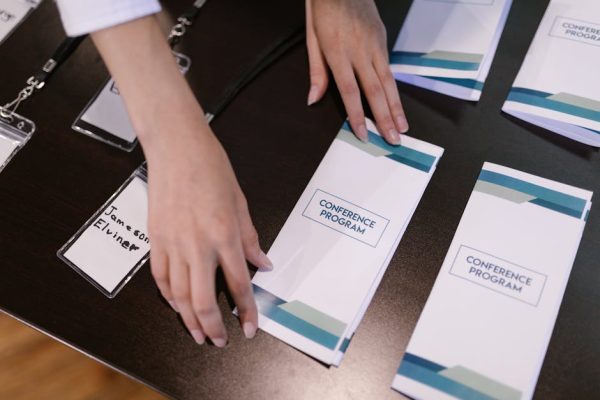
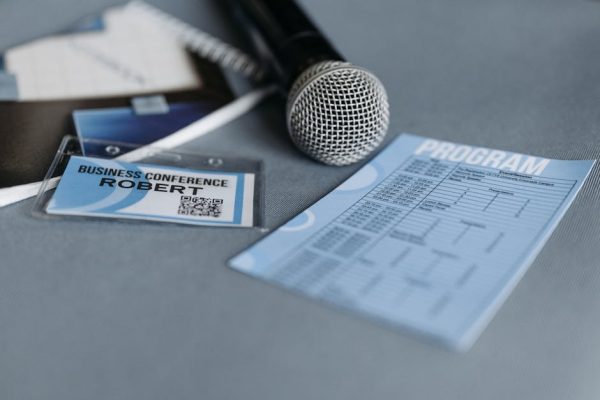
Address logistical details that impact attendee experience: clear directions and parking information, name badges for networking events, adequate signage, reliable Wi-Fi, charging stations, accessible facilities and a registration desk with a welcoming team. These details seem minor but significantly affect how attendees perceive your brand.
Promoting Your Event for Maximum Attendance
Begin promotion four to six weeks before the event date. Start with your warmest audiences — email subscribers, existing customers and social media followers. These groups are most likely to attend and can be reached at minimal cost. Craft compelling event pages that clearly communicate the value attendees will receive.
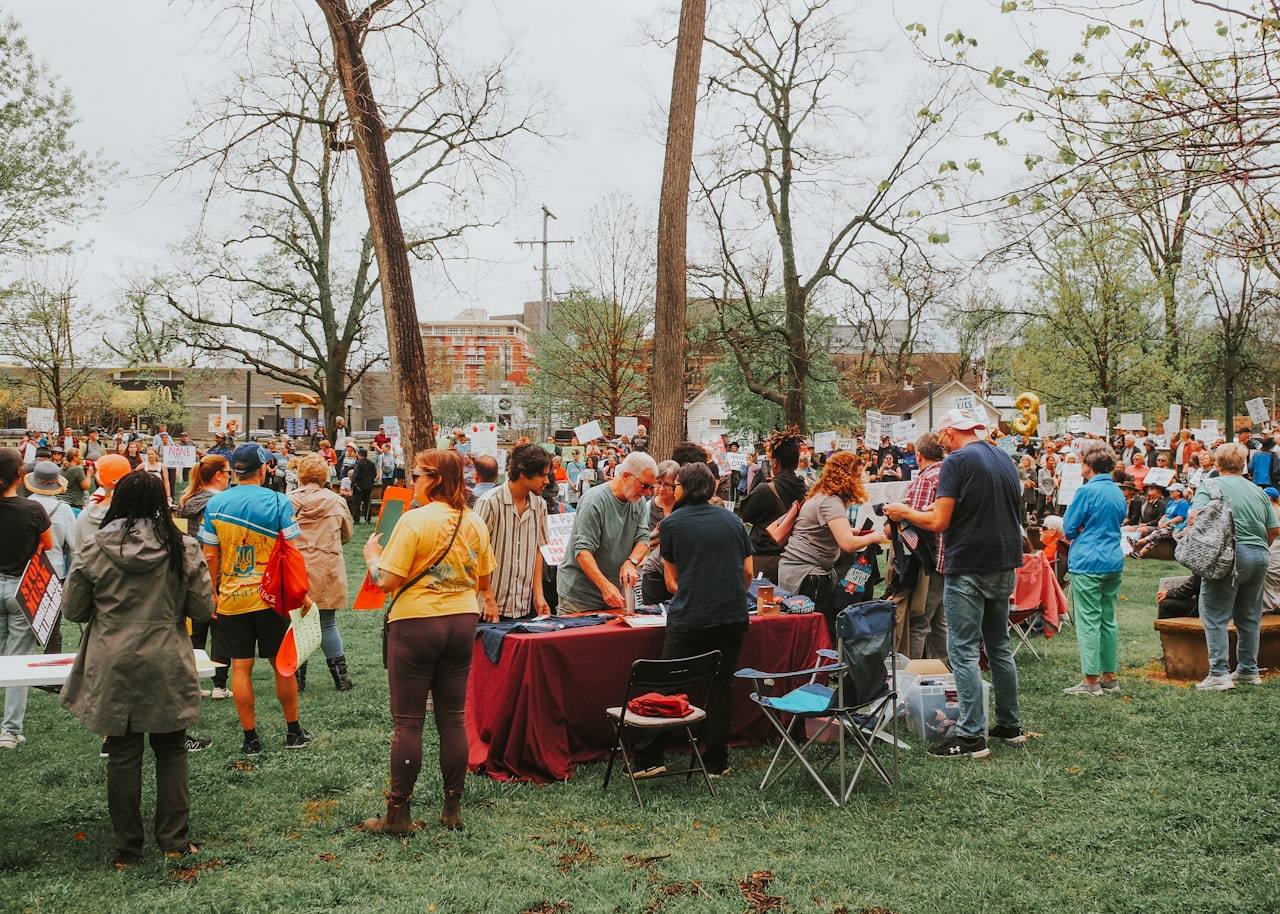
Use multiple channels in a coordinated promotion plan. Email marketing is typically the highest-converting channel for event promotion — send an announcement email, a reminder two weeks out and a final reminder one week before the event. Integrate promotion into your content marketing calendar for consistent messaging.
Leverage social media platforms strategically. Create event pages on Facebook and share countdown content on Instagram Stories. LinkedIn is particularly effective for professional and B2B events in Singapore. Use relevant hashtags and tag speakers, sponsors and partners to extend reach beyond your own following.
Activate your existing advocates and community members. Ask loyal customers to share the event with their networks. Provide them with easy-to-share content — pre-written posts, event graphics and personalised invitation links. Peer recommendations drive high-quality registrations from people who are genuinely interested.
Partner with complementary brands or organisations to co-promote the event. A digital marketing agency might partner with a business association, a tech company or a publication to reach new audiences. Co-promotion splits costs while multiplying reach, making it an efficient strategy for building attendance.
For paid promotion, Google Ads and social media advertising can target specific demographics and interests in Singapore. Allocate paid spend strategically — focus budget on the two weeks leading up to the event when urgency is highest.
Running the Event: Engagement and Experience
First impressions matter enormously. Ensure the registration and check-in process is smooth and welcoming. Greet attendees by name if possible, hand out well-designed name badges and direct them to refreshments. A positive arrival experience sets the tone for the entire event.
Design your event programme to balance content delivery with interaction. Avoid marathon presentation sessions. Instead, alternate between presentations, interactive exercises, group discussions and networking breaks. The most successful community events dedicate at least 30 to 40 percent of time to participant interaction.
Incorporate interactive elements that engage attendees actively. Live polls, Q&A sessions, hands-on workshops, group challenges and facilitated networking activities prevent passive observation and create memorable shared experiences. Tools like Slido and Mentimeter enable real-time audience interaction even at larger events.
Create share-worthy moments that attendees will naturally want to post on social media. A well-designed photo backdrop, a memorable speaker quote displayed prominently, a unique experiential element or a surprise guest all generate organic social content. Provide your event hashtag prominently so posts are easy to find and aggregate.
Collect feedback during the event while impressions are fresh. Use quick pulse surveys between sessions or a feedback station near the exit. Real-time feedback helps you adjust the programme if needed and captures insights that are lost if you wait until after the event to ask.
Assign team members to specific roles: registration desk, technical support, speaker liaison, photography, social media coverage and attendee assistance. Clear role assignments prevent gaps and ensure someone is always responsible for every aspect of the attendee experience.
Virtual and Hybrid Event Strategies
Virtual events remove geographical barriers and can significantly expand your community reach beyond Singapore. Webinars, virtual workshops, online networking sessions and live-streamed product demos allow participation from anywhere. Virtual events also have lower production costs and can be recorded for future content use.
Choose the right platform for your virtual event format. Zoom works well for webinars and workshops up to 100 participants. RingCentral Events (formerly Hopin) and Airmeet offer more immersive experiences with virtual networking lounges, breakout rooms and expo halls. For simple live streams, LinkedIn Live or YouTube Live are effective and free.
Keep virtual events shorter than in-person equivalents. Online attention spans are limited — cap sessions at 60 to 90 minutes maximum. Use frequent interactive elements to maintain engagement: polls every 10 minutes, chat discussions, breakout room exercises and live Q&A segments. Passive webinars where attendees only listen lose viewers rapidly.
Hybrid events combine in-person and virtual attendance, offering the best of both worlds. However, they require careful design to ensure virtual attendees do not feel like second-class participants. Invest in quality live-streaming equipment, assign a dedicated moderator for online participants and create virtual-specific networking opportunities.
Record all virtual and hybrid events. These recordings become valuable content assets that can be repurposed into blog posts, social media clips, email course content and resource library materials. A single event recording can generate weeks of content for your digital marketing channels.
Post-Event Follow-Up and Content
Send a thank-you email within 24 hours of the event. Include key takeaways, links to resources shared during the event, photos and a feedback survey. Prompt follow-up demonstrates professionalism and keeps the positive momentum going. Personalise the email where possible — reference specific sessions or interactions.
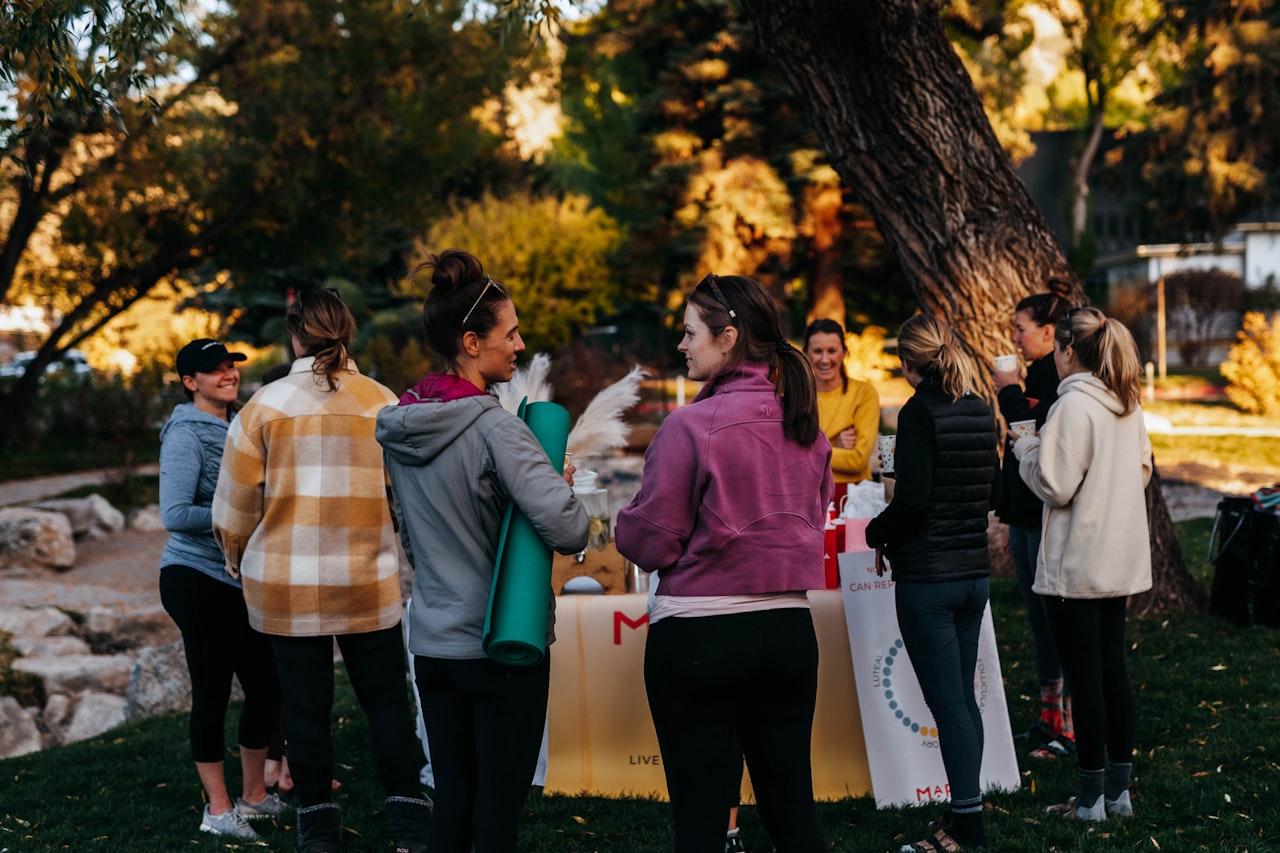
Share event highlights across your marketing channels. Post a curated selection of photos on social media, write a blog recap summarising key insights, create short video clips from recordings and share attendee testimonials. This content extends the event’s impact far beyond the room and showcases your community to non-attendees.
Analyse attendance data and feedback survey results to measure event success and identify improvements. Track metrics including attendance rate (registrations versus actual attendees), satisfaction scores, NPS, social media mentions generated and any leads or sales attributed to the event.
Follow up individually with key attendees — potential customers, partners, speakers and highly engaged community members. Personal outreach after an event deepens relationships and can lead to business opportunities, testimonials and advocacy. This individual attention is where much of the long-term value of events is realised.
Use event content and connections to fuel your brand ambassador programme. Event attendees who show high engagement are excellent ambassador candidates. The shared experience of attending an event creates a strong foundation for ongoing advocacy relationships. Similarly, showcasing authentic attendee experiences contributes to your social proof marketing efforts.
Plan your next event while the current one is fresh. Use feedback and performance data to refine your format, topics and logistics. Announce the next event date at the current event or in your follow-up email to build anticipation and encourage early commitment. A regular event cadence — monthly meetups or quarterly workshops — builds habits and strengthens community identity.
Frequently Asked Questions
How often should I host community events?
Monthly small events (meetups, workshops) combined with quarterly larger gatherings work well for most brands. The right frequency depends on your resources and community appetite. Start with quarterly events and increase frequency if demand justifies it. Consistency matters more than frequency — set a schedule and stick to it.
What is the ideal size for a community event?
For workshops and intimate gatherings, 20 to 40 attendees allows for meaningful interaction. Networking events work well with 50 to 100 people. Larger conferences can accommodate 200 or more. Smaller events typically deliver higher per-attendee value and stronger relationship building, making them ideal for early-stage community programmes.
How do I choose the right topic for my event?
Survey your community to identify their interests and challenges. Analyse frequently asked questions from customer support, popular blog topics and trending industry themes. Choose topics that align with your expertise while addressing real audience needs. Test different themes and track attendance and satisfaction to refine your topic strategy over time.
Should I charge for community events?
Free events attract larger audiences but suffer higher no-show rates. Paid events attract more committed attendees — even a nominal fee of SGD 10 to SGD 20 significantly reduces no-shows. Consider charging for premium workshops while keeping casual meetups free. For customer-exclusive events, providing free access reinforces the value of being your customer.
How do I measure the ROI of community events?
Track direct metrics like leads generated, sales attributed and new sign-ups. Also measure indirect metrics including attendee satisfaction, NPS improvement, social media reach, content generated and customer retention rates among attendees versus non-attendees. Compare total event costs against the combined value of these metrics to calculate ROI.
What if attendance is lower than expected?
Low attendance is common, especially for first-time events. Focus on delivering an exceptional experience for whoever attends — a small engaged group is more valuable than a large disengaged crowd. After the event, analyse what affected attendance (timing, topic, promotion, competition) and adjust for next time. Building a loyal event audience takes several iterations.
How do I encourage networking at events?
Use structured icebreakers, facilitated networking exercises and conversation-starter prompts on name badges. Arrange seating in round tables rather than lecture rows. Provide adequate break time between sessions. Introduce attendees who share common interests. Some events use apps that match attendees for one-on-one networking based on their profiles and goals.
Can virtual events build community as effectively as in-person events?
Virtual events can build community effectively but require more intentional design for interaction. Use breakout rooms for small group discussions, enable chat for real-time engagement, and incorporate interactive exercises. Virtual events are best as a complement to in-person gatherings, not a complete replacement. The strongest communities use both formats strategically.