Part of our Social & Influencer Marketing guide →
Table of Contents
- What Is a Brand Ambassador Program?
- Benefits of Running a Brand Ambassador Program
- How to Identify and Recruit Brand Ambassadors
- How to Structure Your Program for Success
- Tools and Platforms to Manage Ambassadors
- How to Compensate and Incentivise Ambassadors
- Measuring ROI and Program Performance
- Frequently Asked Questions
What Is a Brand Ambassador Program?
A brand ambassador program is a structured initiative where businesses recruit real people — customers, fans, employees or micro-influencers — to represent and promote their brand on an ongoing basis. Unlike one-off influencer campaigns, ambassador programs build long-term relationships that deliver compounding returns over months and years.
In Singapore’s competitive market, word-of-mouth remains one of the most trusted sources of information. A well-run ambassador program transforms that organic advocacy into a scalable marketing channel. Ambassadors share authentic experiences with their networks, create user-generated content, attend events and provide valuable feedback to your team.
The key distinction between a brand ambassador and an influencer is the depth of relationship. Influencers are typically paid per post or campaign. Ambassadors genuinely use and believe in your product. They represent your brand because they want to, not just because they are compensated. That authenticity is what makes ambassador-driven content so effective at building trust with new audiences.
Brands across Singapore — from F&B chains to fintech startups — are increasingly investing in ambassador programs as part of their broader digital marketing strategy. The reason is simple: ambassador content consistently outperforms branded content in engagement rates, click-through rates and conversion metrics.
Benefits of Running a Brand Ambassador Program
The most immediate benefit is reach. Every ambassador brings their own network of followers, friends and colleagues. When ten ambassadors each share content to audiences of 2,000 people, you gain exposure to 20,000 potential customers — often at a fraction of the cost of paid advertising.

Trust is the second major advantage. Singaporean consumers are increasingly sceptical of traditional advertising. Research consistently shows that people trust recommendations from individuals they know far more than branded messages. Ambassador content carries inherent credibility because it comes from a real person with genuine experience.
Ambassador programs also generate a steady stream of user-generated content. This content can be repurposed across your website, social media channels, email campaigns and even paid ads. Brands that integrate ambassador content into their social media marketing see higher engagement and lower content production costs.
Additional benefits include valuable product feedback, improved customer retention among ambassadors themselves, higher lifetime value and a built-in community that can be activated for product launches, events and seasonal campaigns. Some Singapore businesses report that their ambassador programs deliver three to five times the ROI of traditional influencer partnerships.
How to Identify and Recruit Brand Ambassadors
Start by looking at your existing customer base. Your best ambassadors are already buying from you. Review your CRM data, social media mentions, Google Reviews and customer feedback to identify people who are already advocating for your brand organically. These individuals are prime candidates because their enthusiasm is genuine.
Look for customers who meet these criteria: they have purchased from you multiple times, they have left positive reviews or testimonials, they actively engage with your social media content, and they have a reasonable social media following (even 500 followers is sufficient for micro-ambassador roles).
To recruit ambassadors, create a dedicated application page on your website. Outline what the program involves, what ambassadors receive in return, and what is expected of them. Promote this page through your email list, social media channels and in-store signage if applicable.
Direct outreach is equally effective. Send personalised messages to your top customers inviting them to join. People feel valued when they are hand-picked, and this personal touch increases acceptance rates significantly. Consider building this outreach into your broader content marketing workflow.
For Singapore-based businesses, also consider recruiting from local communities, university groups, professional associations and niche interest groups. Platforms like Telegram groups and Facebook communities are fertile ground for finding passionate individuals who align with your brand values.
Vet every applicant carefully. Check their social media profiles for alignment with your brand values. Ensure they have genuine engagement (not purchased followers). Conduct a brief video call to assess their enthusiasm and communication skills. Quality always trumps quantity in ambassador recruitment.
How to Structure Your Program for Success
Define clear tiers within your program. A common structure includes three levels: Bronze ambassadors (new recruits with basic responsibilities), Silver ambassadors (proven performers with expanded privileges) and Gold ambassadors (top-tier advocates with exclusive benefits). This tiered approach motivates ambassadors to increase their contribution over time.

Set specific expectations for each tier. Bronze ambassadors might be asked to share two social media posts per month and attend one event per quarter. Silver ambassadors could be expected to create one piece of original content monthly and participate in product feedback sessions. Gold ambassadors might co-create content with your marketing team and receive early access to new products.
Create an onboarding process that educates new ambassadors about your brand story, values, products and messaging guidelines. Provide a welcome kit that includes branded materials, product samples, a content calendar and a brand style guide. The more prepared your ambassadors feel, the better their output will be.
Establish a communication rhythm. Weekly or fortnightly updates keep ambassadors engaged and informed. Use a private Telegram group, Slack channel or WhatsApp group for real-time communication. Monthly newsletters can share program updates, top performer spotlights and upcoming opportunities.
Build your program guidelines into a simple handbook. Cover topics like disclosure requirements (Singapore’s ASAS guidelines require sponsored content to be clearly labelled), content dos and don’ts, brand voice guidelines and escalation procedures for negative situations. Having clear documentation prevents misunderstandings and protects your brand reputation.
Tools and Platforms to Manage Ambassadors
For small programs with under 20 ambassadors, a combination of Google Sheets, a shared drive for assets and a Telegram group may suffice. Track each ambassador’s activity, content output and results in a centralised spreadsheet. Share creative assets through Google Drive or Dropbox.
As your program scales, dedicated ambassador management platforms become essential. Tools like CrewFire, BrandChamp and SocialLadder offer features such as automated task assignment, content approval workflows, performance tracking, reward management and analytics dashboards. These platforms streamline operations and reduce the manual workload on your marketing team.
For content management, set up a shared content calendar using tools like Notion, Trello or Asana. Assign content tasks to ambassadors with clear deadlines, guidelines and reference materials. An approval workflow ensures all ambassador content meets your brand standards before publication.
Use UTM parameters and unique discount codes to track the performance of each ambassador’s content. Google Analytics and your e-commerce platform’s built-in tracking can attribute traffic and sales to specific ambassadors, giving you clear data on individual and program-wide ROI.
Integrate your ambassador program with your broader marketing stack. Connect ambassador-generated leads to your CRM, sync content to your social media management tools and incorporate ambassador insights into your product development process.
How to Compensate and Incentivise Ambassadors
Compensation structures vary based on your budget and program goals. Common models include product-based compensation (free products or services), commission-based compensation (percentage of sales driven), fixed stipends, experience-based rewards (exclusive events, early access) and hybrid models that combine multiple elements.
In Singapore, product-based compensation works well for F&B, beauty and lifestyle brands. Ambassadors receive monthly product packages in exchange for content creation and sharing. This approach keeps costs manageable while providing ambassadors with genuine material to create content around.
Commission-based models suit e-commerce and service businesses. Give each ambassador a unique referral code that tracks sales. Typical commission rates range from five to fifteen percent of each sale. This performance-based approach aligns incentives and rewards the most effective ambassadors.
Beyond monetary compensation, invest in non-financial incentives that build loyalty. Exclusive experiences such as behind-the-scenes tours, product co-creation opportunities, VIP event access and public recognition are highly valued. Feature top ambassadors on your website and social channels. Invite them to advisory boards where their input shapes business decisions.
Run quarterly contests and challenges to maintain engagement. Award prizes for the most creative content, highest engagement rates or most referrals generated. Gamification elements like leaderboards and achievement badges tap into competitive motivation and keep the program dynamic.
Always ensure your compensation approach complies with Singapore’s advertising disclosure requirements. Ambassadors must disclose their relationship with your brand in sponsored content. Build this requirement into your program guidelines and monitor compliance regularly. Transparent partnerships actually enhance credibility with audiences who appreciate honesty.
Measuring ROI and Program Performance
Track both quantitative and qualitative metrics to assess your program’s performance. Key quantitative metrics include total reach and impressions generated by ambassador content, engagement rate across ambassador posts, website traffic attributed to ambassadors (via UTM tracking), conversions and sales driven by referral codes, cost per acquisition compared to other channels and ambassador retention rate.
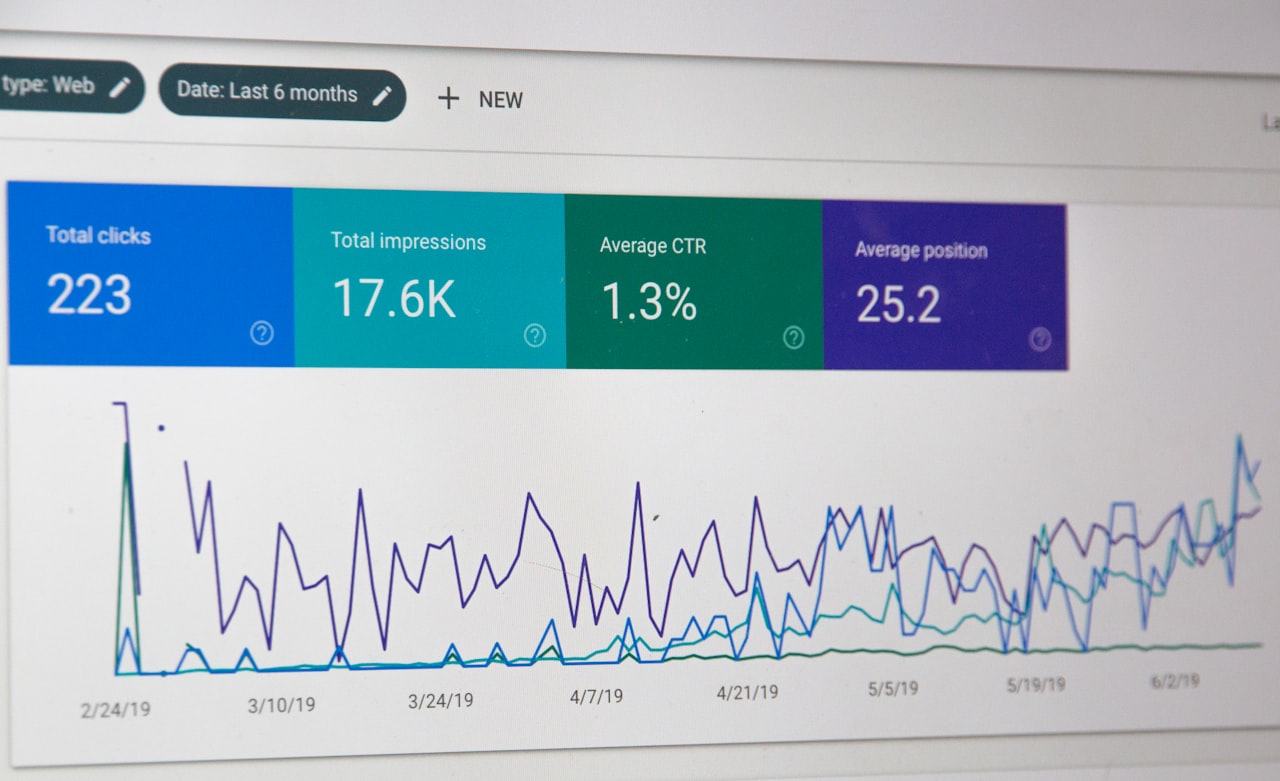
Qualitative metrics matter equally. Monitor the sentiment and quality of ambassador-generated content, the depth of community engagement in ambassador comment sections, the quality of product feedback received from ambassadors and brand perception shifts measured through periodic surveys.
Calculate your program’s ROI by comparing total program costs (compensation, tools, management time) against the total value generated (sales, content value, reach value). A healthy ambassador program typically delivers ROI of three to eight times the investment within the first year.
Review performance monthly and conduct comprehensive quarterly reviews. Identify top-performing ambassadors and understand what makes them successful. Apply those insights to recruit similar profiles and optimise your program structure. Remove underperforming ambassadors who consistently fail to meet minimum requirements — carrying inactive members dilutes your program’s effectiveness.
Share results with your ambassadors regularly. Transparency about program impact motivates continued participation and helps ambassadors understand the value of their contribution. Consider integrating ambassador program data into your overall digital marketing reporting for a complete picture of your marketing performance. For deeper insights on leveraging satisfied customers, see our guide on customer advocacy strategy.
Frequently Asked Questions
How many brand ambassadors should I start with?
Start with five to ten ambassadors for your pilot program. This manageable number allows you to refine your processes, test compensation models and work out operational kinks before scaling. Once you have a proven system, gradually expand to 20, 50 or more ambassadors based on your capacity and goals.
What is the difference between a brand ambassador and an influencer?
Brand ambassadors have an ongoing, deeper relationship with your brand. They genuinely use your products and represent your brand over months or years. Influencers are typically engaged for specific campaigns or one-off content pieces. Ambassadors focus on authentic long-term advocacy while influencers focus on content creation and reach for defined campaign periods.
How much should I budget for a brand ambassador program in Singapore?
A basic program for ten ambassadors can start from SGD 1,000 to SGD 3,000 per month, covering product samples, small stipends and management tools. Larger programs with 50+ ambassadors and dedicated management staff typically require SGD 5,000 to SGD 15,000 monthly. The budget depends on your industry, compensation model and program scope.
How do I handle ambassadors who post negative content?
Address the issue directly and privately. Understand their concern — it may be legitimate product feedback. If the content violates program guidelines, remind them of the agreed terms. If the relationship cannot be salvaged, part ways professionally. Having clear program guidelines from the start prevents most conflicts. For more on managing brand perception, read our article on reputation management in Singapore.
Can small businesses in Singapore run ambassador programs?
Absolutely. Small businesses are often better suited for ambassador programs because they can offer more personal relationships and authentic experiences. A local cafe with five passionate regulars sharing their experiences on Instagram can generate meaningful business impact without a large budget.
How long does it take to see results from an ambassador program?
Expect initial traction within the first one to two months as ambassadors begin creating and sharing content. Meaningful business impact — increased brand awareness, measurable traffic and sales — typically becomes evident after three to six months. Ambassador programs are a long-term strategy that delivers compounding returns over time.
Should I require exclusivity from my ambassadors?
For most programs, strict exclusivity is unnecessary and may deter quality candidates. Instead, request category exclusivity — ask ambassadors not to promote direct competitors during their time in your program. This balanced approach respects ambassadors’ autonomy while protecting your brand interests.
How do I keep ambassadors engaged over the long term?
Variety and recognition are key. Rotate content themes, introduce seasonal challenges, host exclusive events and regularly recognise top performers. Maintain open communication, ask for feedback on the program itself and genuinely incorporate ambassador suggestions. When ambassadors feel heard and valued, they stay engaged far longer. Building a strong community through user community events also helps retain ambassadors.