SME Digital Marketing Guide: Strategies for Singapore Small Businesses
Table of Contents
Why Digital Marketing Matters for Singapore SMEs
SME digital marketing Singapore businesses need to master is no longer optional but essential for survival. Small and medium enterprises account for 99 per cent of all enterprises in Singapore and employ approximately two-thirds of the workforce. Yet many struggle with digital marketing, caught between the pressure to maintain an online presence and the practical challenges of limited budgets, small teams, and competing operational priorities.
The digital landscape in Singapore has become increasingly sophisticated. Consumers research products and services online before making purchasing decisions, compare prices across platforms, read reviews meticulously, and expect seamless digital experiences from businesses of all sizes. Businesses that master digital marketing gain a significant competitive advantage, while those that neglect it risk losing customers to more digitally savvy competitors.
The good news for Singapore SMEs is that SME digital marketing Singapore strategies do not require massive budgets to be effective. With the right approach, a focused investment in the most relevant channels can deliver outsized returns. The key is being strategic about where you invest, measuring results rigorously, and avoiding the common mistake of spreading your budget too thin across too many channels.
Government support through grants like the PSG and EDG makes professional digital marketing services more accessible than ever. With potential co-funding of 50 to 70 per cent, the net cost of expert marketing help is within reach of most Singapore SMEs that are serious about growth.
Budget Allocation for SME Marketing
Most Singapore SMEs should allocate 5 to 15 per cent of revenue to marketing, with the exact percentage depending on your growth stage and industry competitiveness. New businesses or those in aggressive growth mode should be at the higher end, while established businesses with strong referral networks can operate toward the lower end.

For an SME with annual revenue of S$500,000 to S$2,000,000, this translates to a marketing budget of S$25,000 to S$300,000 per year, or roughly S$2,000 to S$25,000 per month. Allocate this across three categories: foundational assets (website, branding), ongoing channels (SEO, content, social media), and campaign-based spending (Google Ads, promotions, seasonal campaigns).
A practical starting allocation for a Singapore SME new to digital marketing is 30 per cent on website and foundational assets, 40 per cent on ongoing channel investment (SEO, content, social media management), and 30 per cent on paid advertising. As you gather data on what works, shift budget toward the channels delivering the strongest returns. Regularly review channel performance monthly and reallocate quarterly.
Do not try to be everywhere at once. It is better to excel on two or three channels than to have a mediocre presence on six. Choose channels based on where your target customers spend time and where your competitors are weakest. A focused approach with a smaller budget will outperform a scattered approach with a larger one.
Essential Digital Marketing Channels
Your website is the foundation of all digital marketing. It should clearly communicate what you do, who you serve, and why customers should choose you. Ensure it loads quickly, works well on mobile, and includes clear calls to action. For most SMEs, a professionally built WordPress or Shopify site is sufficient. Invest in quality web design because your website is often the first impression potential customers have of your business.
Google Business Profile is essential for any SME with a physical location or serving a local area. It is free to set up and drives significant visibility in local search results and Google Maps. Optimise your profile with accurate information, quality photos, service descriptions, and actively encourage customer reviews. This single action can generate more leads than many paid campaigns.
Social media marketing builds brand awareness and community. For B2C Singapore SMEs, Instagram and Facebook are typically the most effective platforms. For B2B, LinkedIn is essential. TikTok is increasingly important for reaching younger demographics. Choose one or two platforms where your audience is most active and commit to consistent, quality posting rather than spreading yourself thin.
Email marketing delivers one of the highest ROIs of any digital channel. Build your email list from day one through website sign-ups, in-store collection, and content offers. Send regular newsletters, promotions, and valuable content to stay top of mind with customers who have already expressed interest in your business. Even a simple monthly email can drive significant repeat business for Singapore SMEs.
SEO for Small Businesses
SEO is the most cost-effective long-term acquisition channel for Singapore SMEs. While it takes three to six months to show results, the organic traffic it generates continues without ongoing media spend. Start with the basics: ensure your website has proper title tags and meta descriptions, create pages for each service you offer, and publish helpful content that answers questions your customers commonly ask.

Local SEO is particularly valuable for SMEs. Optimise for location-specific keywords like “accountant near Tanjong Pagar” or “best dim sum Chinatown Singapore.” Create location pages if you serve multiple areas. Build citations on Singapore-specific directories and ensure your name, address, and phone number are consistent across all online listings.
Content marketing through blogging drives SEO results and establishes your expertise. Write about topics your customers search for: how-to guides, cost comparisons, buying guides, and industry-specific advice for the Singapore market. Even one well-researched article per month builds your organic visibility over time. Each article is an asset that continues attracting traffic long after publication.
Technical SEO basics include ensuring your site loads in under three seconds, is mobile-responsive, uses HTTPS, has a clean URL structure, and submits an XML sitemap to Google Search Console. These foundations enable all your other SEO efforts to be effective. If technical SEO feels overwhelming, a professional audit can identify the highest-priority fixes for your specific situation.
Paid Advertising on a Budget
Google Ads delivers immediate visibility for high-intent search queries. Start with a focused campaign targeting your core products or services with a budget as low as S$500 to S$1,000 per month. Target specific, long-tail keywords where competition is lower and intent is higher. “Aircon servicing Bedok” will cost less and convert better than “aircon servicing Singapore.”
Social media advertising on Facebook and Instagram allows precise targeting of Singapore audiences. Start with S$300 to S$500 per month testing different audiences, creative formats, and messages. Video content typically outperforms static images. Retargeting campaigns that show ads to people who have already visited your website deliver the highest conversion rates and should be part of every SME’s paid strategy.
Set clear cost-per-acquisition targets before spending on paid advertising. If your average customer is worth S$200 and your conversion rate from lead to customer is 20 per cent, you can afford to pay up to S$40 per lead and still be profitable. Track these metrics rigorously and pause campaigns that exceed your target cost per acquisition.
Avoid common SME mistakes with paid advertising: do not boost random social media posts without a strategy, do not run ads without conversion tracking properly set up, and do not set campaigns running and forget about them. Paid advertising requires active management and weekly optimisation to deliver strong returns.
Government Grants for SME Marketing
The Productivity Solutions Grant (PSG) supports SMEs adopting digital marketing solutions at 50 per cent co-funding. Eligible solutions include CRM systems, e-commerce platforms, social media management tools, and marketing analytics software. The application process through the Business Grants Portal is relatively straightforward for pre-approved solutions.
The Enterprise Development Grant (EDG) supports broader marketing transformation projects at up to 70 per cent co-funding for digital projects. This can cover professional digital marketing agency fees for strategy development, brand positioning, and campaign implementation. EDG is ideal for SMEs making a significant step change in their marketing capabilities.
The SkillsFuture Enterprise Credit provides S$15,000 per enterprise for workforce training including digital marketing certifications and skills development. The Market Readiness Assistance (MRA) grant supports marketing activities for businesses expanding overseas. Apply for grants early in the year to avoid processing backlogs, and work with vendors experienced in grant-supported projects for smoother applications.
These grants can reduce your effective marketing investment by 30 to 70 per cent. A S$3,000 monthly marketing investment qualifying for 50 per cent PSG support effectively costs S$1,500. Combined with proper tax deductions for marketing expenses, the net cost of professional marketing help is surprisingly affordable for Singapore SMEs.
Measuring Marketing ROI
Set up Google Analytics 4 on your website from day one. Track key metrics including website visitors from each channel, conversion rates (enquiry forms, calls, purchases), cost per lead from each channel, and revenue attributable to marketing activity. Without measurement, you cannot know what is working and where to invest more.
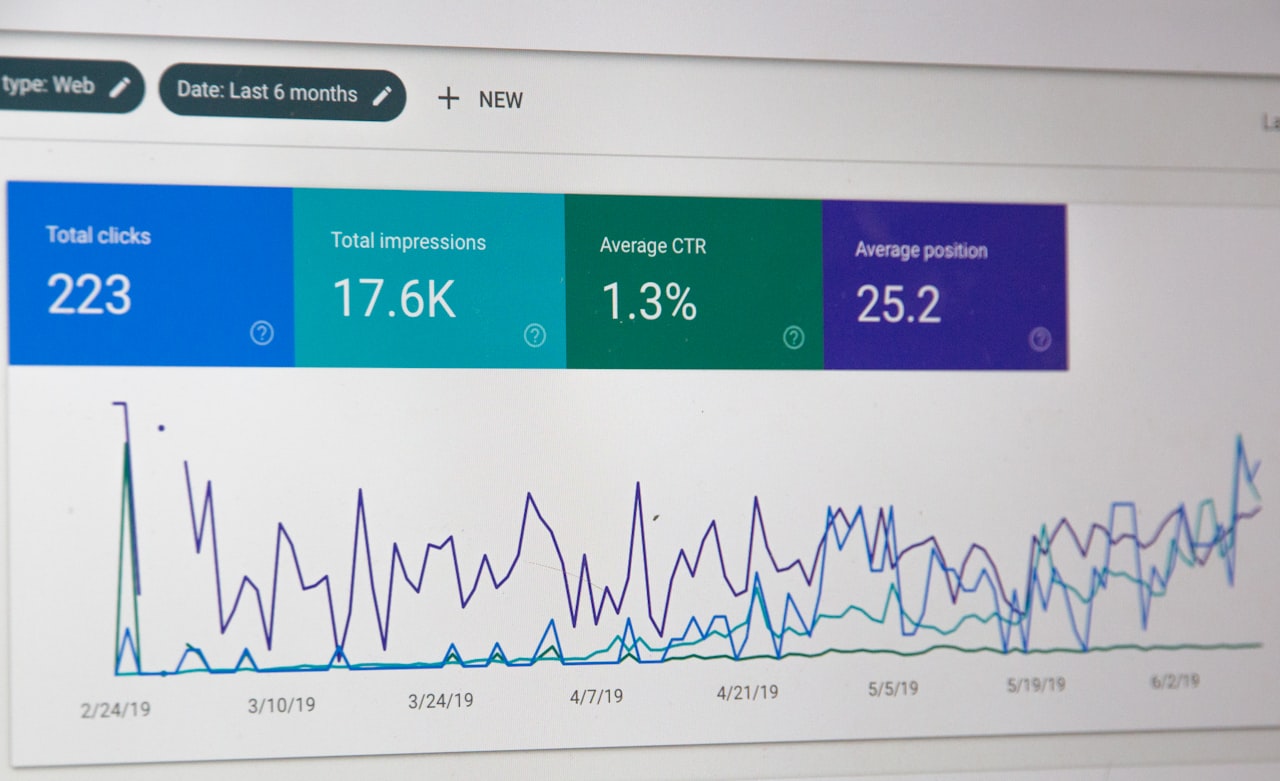
Calculate return on investment for each channel by comparing the revenue generated against the total cost including agency fees, ad spend, and your time. Focus on channels delivering the highest ROI and reduce or eliminate spending on channels that consistently underperform. Most Singapore SMEs find that a combination of SEO and Google Ads delivers the strongest returns for lead generation.
Review performance monthly with a focus on trends rather than individual data points. A single week’s data is statistically insignificant, but three months of consistent trends reveal genuine patterns. Hold quarterly strategy reviews to assess which channels to scale, maintain, or cut based on cumulative performance data.
Attribution can be challenging for SMEs. Many customers interact with multiple marketing touchpoints before purchasing. Use simple attribution models initially: ask new customers how they found you, track phone calls from Google Ads, and monitor which landing pages generate the most enquiries. Sophisticated attribution can come later as your marketing matures.
Frequently Asked Questions
How much should a Singapore SME spend on digital marketing?
Allocate 5 to 15 per cent of revenue, which translates to S$2,000 to S$25,000 per month for most SMEs. New businesses and those in competitive industries should budget toward the higher end. Government grants can reduce the effective cost by 30 to 70 per cent.
What is the most important digital marketing channel for SMEs?
Google (through SEO and Google Ads) is typically the most important channel because it captures high-intent search traffic from people actively looking for your products or services. Google Business Profile and local SEO deliver particularly strong ROI for SMEs with physical locations.
Should I hire an agency or do marketing in-house?
For SMEs spending under S$2,000 per month, basic in-house efforts like social media posting and Google Business Profile management can work. For S$2,000 or more monthly, a specialist agency delivers better results because they bring expertise, tools, and efficiency that would take years to develop internally.
How long does it take to see results from digital marketing?
Google Ads and social media advertising can generate leads within days. SEO typically takes three to six months for meaningful results. Brand building through content and social media is a gradual process measured in months. Plan for a minimum six-month commitment before evaluating the overall effectiveness of your marketing programme.
Can government grants really cover half my marketing costs?
Yes. The PSG covers up to 50 per cent and EDG up to 70 per cent of qualifying costs. Not all marketing expenses qualify, and there are eligibility requirements, but many SMEs successfully reduce their net marketing investment significantly through grants. Apply early and work with grant-experienced vendors.
What is the biggest marketing mistake Singapore SMEs make?
Trying to be on every platform without a clear strategy. SMEs that focus on two or three channels and execute well consistently outperform those spreading budget thinly across six or more channels. The second biggest mistake is not tracking results, which means they cannot distinguish effective spending from waste.
Do I need a website if I sell on Shopee or Lazada?
Yes. Marketplaces are valuable sales channels but you do not own the customer relationship. A website gives you direct access to customers through email, remarketing, and SEO. It also builds brand credibility and provides a platform for content marketing that drives long-term organic traffic.
How do I compete with larger companies that have bigger budgets?
SMEs compete by being more focused and agile. Target niche keywords and audiences that large companies overlook. Provide personalised service and authentic local expertise that big brands cannot replicate. Use local SEO to dominate searches in your specific area. Respond faster to market trends and customer feedback.
Is social media marketing worth it for B2B SMEs?
Yes, but focus on LinkedIn rather than Instagram or TikTok. LinkedIn is highly effective for B2B lead generation, thought leadership, and professional networking in Singapore. Regular posting of industry insights, case studies, and company updates builds visibility among decision-makers in your target market.
What should I do first if I am starting from scratch?
Build a professional website, set up Google Business Profile, create social media profiles on one or two relevant platforms, and install Google Analytics. Then start with either SEO (for long-term organic growth) or Google Ads (for immediate leads), depending on how urgently you need results. Add channels gradually as you learn what works for your business.