Marketing for Tailors in Singapore: Strategies to Grow Your Bespoke Brand
The Tailoring Market in Singapore
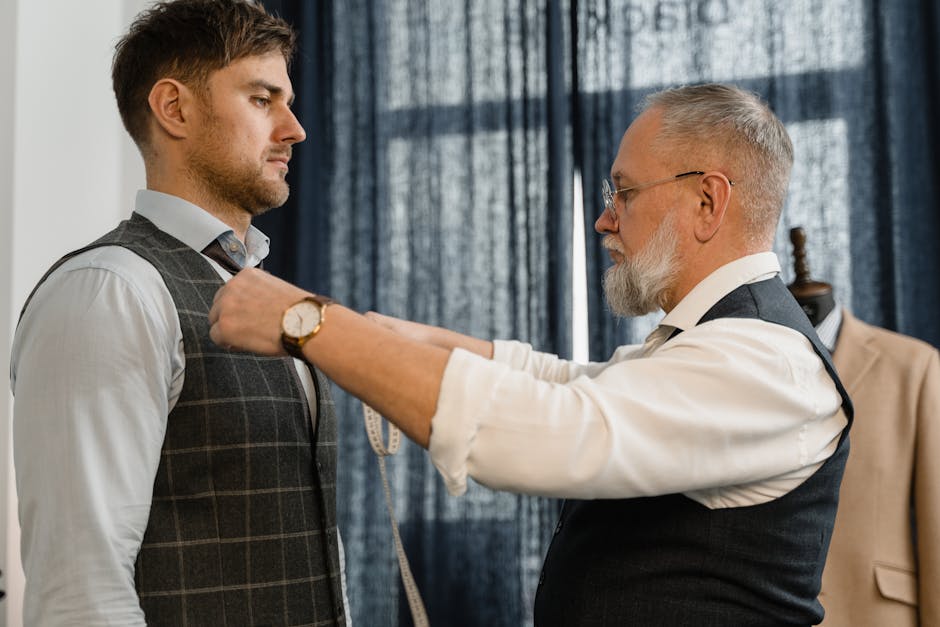
Singapore’s tailoring industry sits at a crossroads. Heritage tailoring houses along streets like Arab Street have served generations with traditional bespoke craftsmanship, while modern tailors are redefining the market with contemporary styles and direct-to-consumer models.
Demand for bespoke and made-to-measure clothing remains strong. The city’s professional culture sustains consistent demand for well-fitted suits, and Singapore’s active wedding industry and growing appreciation for quality over fast fashion create multiple revenue streams for skilled tailors.
Yet competition is fierce — mass-market retailers, online made-to-measure services, and visiting tailors from the region all vie for the same customers. The challenge for most tailors is not skill but visibility. Effective digital marketing services bridge that gap, connecting your craftsmanship with the clients who value it most.
Building Your Brand Positioning
Before executing any marketing tactics, clarify your brand positioning. Not all tailors serve the same market, and attempting to appeal to everyone results in resonating with no one.

Consider where your business sits on these spectrums:
- Price positioning: Are you a luxury bespoke house commanding $3,000 or more per suit, a mid-range made-to-measure service at $800 to $1,500, or an accessible tailoring option at $400 to $700? Your marketing tone, imagery, and channels differ significantly across these tiers.
- Specialisation: Do you focus on men’s suiting, women’s tailoring, wedding attire, corporate uniforms, or cultural garments like cheongsams and saris? Specialists can build stronger reputations than generalists.
- Style identity: Are you known for classic British tailoring, Italian-inspired silhouettes, contemporary minimalism, or something distinctly Singaporean? A clear style identity makes your brand memorable and shareable.
- Experience: Is your selling point the consultation experience — the fabric selection ritual, the fitting appointments, the personal relationship? Or is it efficiency and convenience — fast turnaround, easy ordering, mobile consultations?
Document your positioning clearly. It informs every marketing decision — from the words you use on your website to the platforms where you invest your energy. A luxury bespoke house should not market the same way as an accessible made-to-measure service. The former sells exclusivity and craft; the latter sells value and accessibility.
For tailors positioning at the higher end, luxury marketing strategies are essential. Luxury consumers respond to storytelling, exclusivity, and heritage — not discounts and promotional urgency. Your marketing should reflect the experience of owning a bespoke garment, not just the garment itself.
Portfolio SEO for Tailors
Your portfolio is your most persuasive marketing asset. Potential clients want to see the quality of your work before committing to a consultation. However, a portfolio that exists only as images on your website without supporting text is invisible to search engines.
Portfolio SEO involves making your work visible in Google search results through strategic content around your images:
- Individual project pages: Rather than a single gallery, create individual pages for standout projects. A page titled “Navy Three-Piece Wedding Suit — Bespoke Commission” with descriptive content about the fabric choice, design details, and client story gives Google something to index.
- Alt text and image naming: Name your images descriptively — “bespoke-navy-suit-singapore-tailor.jpg” rather than “IMG_4523.jpg.” Write alt text that describes the garment naturally.
- Category pages: Organise your portfolio by garment type — suits, shirts, trousers, wedding attire, women’s tailoring. Each category page targets a specific keyword cluster.
- Fabric and style content: Create informational pages about the fabrics you work with — “Guide to Super 150s Wool” or “Why We Use Italian Linen.” These pages attract search traffic from clients researching quality fabrics.
Target keywords that prospective clients actually search for:
- “Bespoke tailor Singapore”
- “Custom suit Singapore”
- “Made to measure shirt Singapore”
- “Wedding suit tailor Singapore”
- “Cheongsam tailor Singapore”
- “Ladies tailor Singapore”
Each key service you offer should have a dedicated page optimised for its target keyword, with portfolio images illustrating your work in that category. This approach combines visual persuasion with search visibility — the two things a tailor’s website must accomplish.
Instagram and Social Media Strategy
Instagram is the most natural social media platform for tailors. It is visual, it skews towards lifestyle and fashion content, and it allows you to showcase your craft in ways that text-based platforms cannot match.
An effective Instagram strategy for tailors includes:
- Process content: Show the making, not just the finished product. Videos of hand-stitching, fabric cutting, and pattern drafting fascinate audiences and communicate craftsmanship more powerfully than a photo of a finished suit on a hanger.
- Fitting appointments: With client permission, photograph or film fitting sessions. The experience of being measured and fitted is part of what clients are buying — show it.
- Fabric stories: When new fabric collections arrive, create content around them. Share the origin, characteristics, and best applications of different materials. This educates your audience and positions you as a knowledgeable specialist.
- Client spotlights: Feature clients wearing their completed garments in real settings — at their wedding, in their office, at an event. Real-world context is more relatable than studio shots.
- Behind the scenes: Your workshop, your team, your tools. People connect with the human elements of craftsmanship.
Investing in professional Instagram marketing services ensures consistent content quality, strategic hashtag usage, and engagement practices that grow your following with potential clients rather than passive observers.
Posting frequency matters less than consistency and quality. Three exceptional posts per week outperform daily mediocre content. Use Instagram Stories for casual, day-to-day workshop content and Reels for polished process videos that have higher discovery potential.
Pinterest is an underutilised platform for tailors. Men and women searching for suit style inspiration, wedding outfit ideas, and fashion references frequently use Pinterest. Pinning your portfolio images with descriptive titles and links to your website drives referral traffic from a highly motivated audience.
Influencer and Partnership Marketing
Strategic partnerships can introduce your tailoring brand to audiences that would take years to build organically. The key is selecting partners whose audience aligns with your target client profile.

Influencer partnerships:
- Look for style-focused micro-influencers in Singapore with 5,000 to 50,000 followers. Their audiences are more engaged and more likely to be local compared to mega-influencers.
- Commission a bespoke piece for the influencer and document the process — from initial consultation to final fitting. This creates authentic content that showcases your full service.
- Focus on influencers whose personal style aligns with yours. A minimalist tailor partnering with a maximalist fashion blogger creates a disconnect that neither audience will trust.
- Measure results by tracking website visits, Instagram followers, and enquiries during and after the campaign, not just likes on the influencer’s post.
Strategic partnerships:
- Wedding planners: Build relationships with Singapore’s wedding planners and bridal studios. A referral partnership where you are recommended for groomsmen suits or bespoke wedding attire creates a steady pipeline of high-value clients. This connects naturally with broader wedding industry marketing strategies.
- Men’s grooming establishments: Partner with premium barbers and grooming salons. Cross-promotions — a discount on a first suit for grooming clients, and vice versa — reach an audience already invested in personal presentation.
- Corporate concierge services: Some serviced residences and corporate relocation agencies offer lifestyle concierge services to expatriates. Being their recommended tailor provides access to high-net-worth individuals new to Singapore.
- Fashion events: Participate in or sponsor local fashion events, style expos, and trunk shows. These events build brand awareness among an audience that values quality clothing.
Wedding Season Campaigns
Weddings represent one of the most lucrative segments for tailors. A single wedding can generate revenue from the groom’s suit, groomsmen outfits, father-of-the-bride attire, and in some cases, bridal cheongsams or reception outfits. The lifetime value is also significant — a groom who is pleased with his wedding suit often becomes a recurring client for business suits and casual tailoring.
Singapore’s wedding season peaks during certain months, and your marketing should precede these peaks by three to five months, since suit commissions require lead time:
- Targeted landing pages: Create a dedicated wedding tailoring page on your website optimised for terms like “wedding suit Singapore,” “bespoke groomsmen suits,” and “groom tailor Singapore.” Include wedding-specific portfolio images, package options, and timeline guidance.
- Package offers: Groomsmen packages are a powerful draw. “Groom + 4 Groomsmen Package” offers simplify decision-making and increase order value. Ensure packages include fitting appointments for all parties.
- Content marketing: Publish guides such as “How to Choose Your Wedding Suit in Singapore” or “Wedding Suit Timeline: When to Start.” These guides capture early-stage search traffic from engaged couples beginning their planning.
- Bridal show participation: Singapore hosts several wedding exhibitions annually. Having a physical presence allows couples to see and touch your fabrics, experience your consultation style, and book fittings on the spot.
- Retargeting campaigns: Visitors to your wedding page who do not enquire immediately are prime retargeting candidates. Display ads showing wedding suit imagery can bring them back when they are ready to commit.
Timing your campaigns correctly is essential. Couples typically begin searching for wedding attire six to nine months before their wedding date. Launch wedding campaigns in January for the June-September peak, and in July for the November-February season.
Local SEO and Google Presence
When someone searches “tailor near me” or “bespoke tailor Orchard Road,” your business should appear in Google’s local results. Local SEO is particularly important for tailors because clients typically prefer a conveniently located tailor they can visit multiple times for consultations and fittings.
Essential local SEO actions for tailors:
- Google Business Profile: Complete every section of your profile — business hours, services, description, attributes, and products. Upload high-quality photos of your shop, your work, and your team. Post regular updates showcasing new commissions or fabric arrivals. Follow our Google Business Profile guide for full setup instructions.
- Reviews: Actively request Google reviews from satisfied clients. After delivering a completed garment, send a follow-up message thanking them and including a review link. Aim for detailed reviews that mention specific garments or experiences — “Had a three-piece suit made for my wedding” is more valuable than “Great service.”
- Local citations: Ensure your business is listed consistently on Singapore directories, fashion platforms, and review sites. Consistent name, address, and phone number across all listings strengthen local ranking signals.
- Location-specific content: If your atelier is in a notable area, create content that references it — “Visit Our Tailoring Studio on Arab Street” or “Bespoke Tailoring in the Heart of CBD.” These pages target location-specific searches.
Encourage clients to include photos with their Google reviews. A review accompanied by a photo of the client wearing their bespoke garment is extraordinarily persuasive to prospective customers browsing your profile.
Corporate and B2B Marketing
Beyond individual consumers, corporate clients represent a substantial and often underexploited revenue stream for tailors. Companies in Singapore regularly require:
- Corporate uniforms: Hotels, restaurants, airlines, and luxury retail brands need bespoke or made-to-measure uniforms that reflect their brand identity.
- Executive wardrobe services: Some companies offer wardrobe allowances or styling services for senior executives. Positioning your tailoring business as a corporate wardrobe partner opens access to high-value, repeat clients.
- Corporate gifts: Bespoke shirts, pocket squares, or ties make distinctive corporate gifts. Marketing these options to HR departments and corporate events teams creates seasonal revenue opportunities.
- Trunk shows at offices: Bring your service to corporate clients by offering on-site measurement sessions at their offices. This convenience-focused approach removes barriers and can generate multiple orders from a single visit.
Marketing to corporate clients requires different channels and messaging. LinkedIn becomes more relevant than Instagram. Direct outreach to HR directors and office managers can be effective. Case studies showing how you supplied uniforms or executive wardrobes for recognisable brands build credibility.
Email marketing is particularly effective for nurturing corporate relationships. A quarterly newsletter showcasing new fabric collections, style trends, and corporate service offerings keeps your brand top of mind with decision-makers who may not need your services immediately but will think of you when the need arises.
For tailors looking to build a comprehensive online presence, combining social media, local SEO, content marketing, and corporate outreach creates multiple acquisition channels. Each channel reinforces the others — a strong Instagram presence builds brand recognition that makes corporate outreach emails more likely to be opened, while strong Google rankings ensure that anyone who hears about you through word-of-mouth can easily find and evaluate your work online.
Frequently Asked Questions
How much should a tailor spend on marketing in Singapore?
A practical starting point is 8 to 15 percent of gross revenue, depending on your growth ambitions and competitive position. For a tailor generating $200,000 in annual revenue, this translates to $16,000 to $30,000 per year, or roughly $1,300 to $2,500 per month. Allocate the majority towards channels with the highest return — typically local SEO, Instagram content creation, and Google Business Profile management. If you are in a growth phase or launching a new service line, temporarily increasing to 15 to 20 percent can accelerate visibility. The key is tracking which channels generate actual consultations and commissions, then reallocating budget accordingly.
Is Instagram or a website more important for a tailor?
Both are essential, but if forced to choose, invest in your website first. Your website is the only platform you fully control. It ranks on Google, houses your portfolio permanently, and serves as the destination for all other marketing efforts. Instagram is powerful for brand building and visual storytelling, but algorithm changes can reduce your visibility overnight, and you do not own your audience. The ideal approach is a strong website optimised for search with Instagram driving awareness and engagement that funnels visitors to your site, where they can explore your portfolio in depth and submit enquiries.
How can a tailor compete with online made-to-measure services?
Your competitive advantage lies in what online services cannot replicate — the personal fitting experience, the ability to feel fabrics, the expertise of an in-person consultation, and the assurance of local alterations if needed. Emphasise these advantages in your marketing. Create content that honestly compares the bespoke in-person experience with online ordering, highlighting the fit precision, fabric quality, and personal attention that differentiate your service. Testimonials from clients who tried online services and switched to you are particularly persuasive. Price alone is not your battleground — quality of fit, personalisation, and the client relationship are.
Should tailors invest in Google Ads?
Google Ads can be effective for tailors, particularly for high-intent keywords like “bespoke tailor Singapore” or “custom wedding suit Singapore.” The cost per click for tailoring keywords in Singapore is relatively moderate compared to industries like renovation or legal services, making it accessible for smaller businesses. Start with a modest budget of $500 to $1,000 per month targeting your highest-intent keywords and measure enquiry quality. Google Ads works best when combined with a strong landing page that showcases your portfolio and makes it easy to book a consultation. For many tailors, organic SEO and Google Business Profile optimisation deliver better long-term ROI, but Google Ads provides immediate visibility while organic rankings build.
How do I market cheongsam or cultural garment tailoring specifically?
Cultural garment tailoring benefits from seasonal and occasion-based marketing. Cheongsam demand peaks around Chinese New Year and wedding seasons. Create dedicated pages and campaigns for these occasions — “Custom Cheongsam for Chinese New Year 2026” or “Wedding Cheongsam Singapore.” Use culturally relevant imagery and language while being mindful of tradition and authenticity. Partner with cultural organisations, community groups, and event organisers who serve audiences interested in traditional attire. Sari tailoring, baju kurung, and other cultural garments follow similar seasonal patterns and can be marketed through community-specific channels and publications. Content that educates — “How to Choose Fabric for Your Wedding Cheongsam” — captures search traffic from clients in the early research phase.