Part of our Marketing by Industry & Audience guide →
Luxury Marketing in Singapore: Positioning, Channels and Experiences
Table of Contents
- Singapore’s Luxury Market Overview
- Understanding Luxury Consumers in Singapore
- Brand Positioning for the Luxury Segment
- Brand Storytelling and Content Strategy
- Experiential Marketing for Luxury Brands
- Digital Channels for Luxury Marketing
- Measuring Success in Luxury Marketing
- Frequently Asked Questions
Singapore’s Luxury Market Overview
Singapore stands as Southeast Asia’s undisputed luxury capital. The city-state’s combination of high per-capita income, a sophisticated consumer base, world-class retail infrastructure and a strategic location at the crossroads of global wealth flows makes it the region’s premier destination for luxury brands. From the designer boutiques lining Orchard Road to the haute horlogerie showcases at Marina Bay Sands, luxury marketing in Singapore operates within a market that understands, appreciates and demands excellence.
The luxury goods market in Singapore is valued at several billion dollars annually, spanning fashion, watches, jewellery, automobiles, fine dining, premium travel and luxury real estate. Despite periodic economic fluctuations, the market has shown remarkable resilience, driven by a growing population of high-net-worth individuals, a thriving tourism sector and an influx of global wealth seeking a stable, well-regulated base in Asia.
Key Market Drivers
Several factors underpin Singapore’s strength as a luxury market. The absence of capital gains tax and relatively low income tax rates attract affluent individuals and families from across Asia and beyond. The establishment of over 1,100 single-family offices has created a concentrated pool of ultra-wealthy consumers. Meanwhile, Singapore’s status as a global business hub ensures a steady flow of affluent professionals, executives and entrepreneurs who both live in and visit the city-state regularly.
Competitive Landscape
Nearly every major global luxury brand maintains a presence in Singapore, from LVMH and Kering group maisons to independent houses. This creates an intensely competitive environment where differentiation is paramount. Brands that succeed are those with a clear positioning strategy, authentic storytelling and a willingness to invest in exceptional customer experiences. The role of digital marketing services has become increasingly critical in maintaining competitive advantage.
Understanding Luxury Consumers in Singapore
Luxury consumers in Singapore are not a monolithic group. Understanding the distinct segments within this market is essential for effective luxury marketing in Singapore.

The Established Wealthy
This segment includes old-money families, long-established business dynasties and senior professionals who have accumulated wealth over decades. They tend to favour heritage brands, understated luxury and bespoke experiences. Their purchasing decisions are deliberate, informed and often influenced by personal relationships with brand representatives. They value discretion and are unlikely to respond to overtly promotional marketing.
New Money and Entrepreneurs
Singapore’s booming technology, finance and real estate sectors have created a new generation of wealthy consumers. Many are younger, more digitally savvy and more willing to experiment with emerging luxury brands. They are active on social media, influenced by aspirational content and drawn to brands that combine heritage with innovation. This segment is often more receptive to digital luxury marketing campaigns.
Affluent Expatriates
Singapore’s large expatriate community includes many high-earning professionals and relocated entrepreneurs. This group brings diverse cultural backgrounds, international brand preferences and global consumption patterns. Marketing to affluent expats requires an understanding of their reference points — they may compare Singapore’s luxury offerings to those in London, New York, Hong Kong or Dubai.
Aspirational Luxury Consumers
Below the HNWI threshold lies a significant aspirational segment — professionals, dual-income couples and upwardly mobile individuals who purchase luxury selectively. They may not buy a Patek Philippe, but they will invest in an entry-level Cartier piece or a premium handbag. This segment is highly influenced by social media, peer behaviour and accessible luxury positioning.
Brand Positioning for the Luxury Segment
Effective brand positioning is the foundation of all luxury marketing. In a market as competitive as Singapore, where consumers have access to virtually every global luxury brand, positioning determines whether your brand is considered, desired and ultimately chosen.
Defining Your Luxury Tier
Not all luxury is created equal. Brands must clearly define where they sit on the luxury spectrum — from accessible luxury and premium to true luxury and ultra-luxury. Each tier has different pricing strategies, distribution models, communication approaches and customer expectations. Attempting to straddle tiers typically dilutes brand equity and confuses consumers.
Crafting a Distinctive Brand Identity
A luxury brand’s identity encompasses far more than its logo. It includes the visual language, tone of voice, brand values, heritage narrative and sensory experience associated with every touchpoint. In Singapore, where consumers are highly brand-literate, a distinctive identity must be consistently expressed across all channels — from the flagship store on Orchard Road to the brand’s Instagram presence. Professional branding services can help articulate and refine this identity.
Exclusivity as a Positioning Tool
Scarcity and exclusivity remain powerful drivers in luxury marketing. Limited editions, invitation-only collections, waitlists and personalised offerings create perceived value that transcends the product itself. However, exclusivity must be genuine — consumers in Singapore are savvy enough to see through manufactured scarcity.
Cultural Relevance Without Compromise
While luxury brands must maintain global consistency, cultural relevance in the Singapore market is important. This might mean creating collections that resonate with Chinese New Year, collaborating with local artists or craftspeople, or hosting events that acknowledge Singapore’s multicultural identity. The key is to embrace local relevance without compromising the brand’s global luxury positioning.
Brand Storytelling and Content Strategy
Storytelling is the lifeblood of luxury marketing. In a market where product quality is a baseline expectation, the narrative surrounding a brand is what creates emotional connections and justifies premium pricing.
Heritage and Provenance
Stories of heritage — the founding vision, generations of craftsmanship, historical milestones and cultural significance — give luxury brands depth and authenticity. Even relatively young brands can craft compelling provenance narratives by focusing on the founder’s journey, the sourcing of materials or the philosophy driving their approach. A robust content marketing strategy brings these narratives to life across multiple formats and channels.
Behind-the-Scenes Content
Luxury consumers are fascinated by the making process. Videos showing artisans at work, features on rare materials, interviews with master craftspeople and documentaries on manufacturing excellence all resonate strongly. This content demonstrates the substance behind the price and appeals to the HNWI preference for informed decision-making.
Editorial and Long-Form Content
Unlike mass-market brands that rely on short, punchy content, luxury brands can and should invest in long-form editorial. In-depth articles, beautifully designed digital magazines, podcast series featuring thought leaders and meticulously produced video content signal that the brand values substance and sophistication.
User-Generated Content and Social Proof
While luxury brands must be selective about user-generated content, authentic testimonials and endorsements from respected figures carry significant weight. A well-known entrepreneur photographed wearing your timepiece or a respected food critic praising your restaurant creates social proof that resonates with affluent audiences.
Experiential Marketing for Luxury Brands
In luxury marketing, experiences often matter more than products. Singapore’s compact geography, world-class venues and events infrastructure make it an ideal market for experiential luxury marketing.
Flagship Retail Experiences
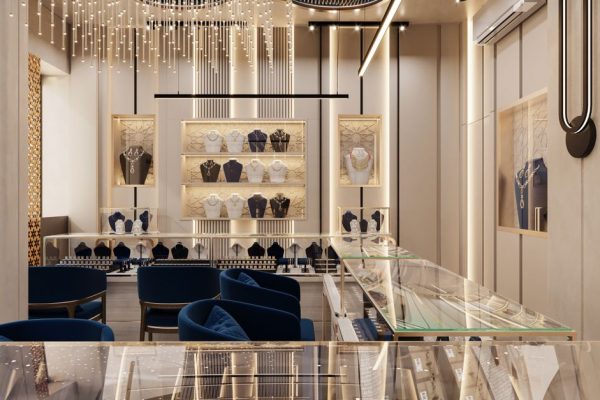
The physical retail environment remains central to luxury marketing. In Singapore, flagship stores at ION Orchard, Marina Bay Sands, The Shoppes and Paragon must deliver immersive experiences that engage all senses. This means exceptional interior design, knowledgeable and attentive staff, personalised service rituals and thoughtful details — from the scent in the store to the packaging of purchases.
Private Events and Exclusive Previews
Hosting private events for top clients and prospects creates memorable brand moments. These might include private viewings of new collections, intimate dinners with brand ambassadors, behind-the-scenes access to ateliers or curated cultural experiences. Singapore’s luxury venues — from the penthouse suites at Raffles Hotel to private galleries and members-only clubs — provide ideal settings.
Art and Culture Partnerships
Aligning with art, culture and philanthropy elevates a luxury brand beyond commerce. Sponsoring exhibitions at the National Gallery Singapore, partnering with Art Stage Singapore, supporting the Singapore International Festival of Arts or collaborating with local artists creates associations with creativity, culture and social contribution that resonate deeply with affluent consumers.
Bespoke and Made-to-Order Experiences
Offering bespoke services — personalised engravings, custom colourways, made-to-measure garments or one-of-a-kind commissions — creates unique value that cannot be replicated. These services also generate stories that clients share within their networks, creating organic word-of-mouth marketing.
Digital Channels for Luxury Marketing
Digital marketing for luxury brands requires a fundamentally different approach from mass-market digital campaigns. The emphasis is on quality, curation and brand integrity rather than volume and conversion optimisation.
Search Engine Optimisation for Luxury
Luxury consumers research extensively online before purchasing. Ensuring your brand appears prominently in search results for relevant queries — both branded and category terms — is essential. However, SEO for luxury brands must prioritise content quality and brand authority over aggressive keyword tactics. The content should inform and inspire, not hard-sell.
Social Media Strategy
Instagram remains the primary social platform for luxury marketing, with its visual format perfectly suited to showcasing products, experiences and lifestyle. However, the approach must be curated rather than frequent. Every post should meet the highest aesthetic standards. Singapore-specific content — featuring local landmarks, cultural moments and regional relevance — performs well with the local audience. A well-executed social media marketing strategy balances global brand consistency with local relevance.
Paid Digital Advertising
Targeted digital advertising through Google Ads and premium programmatic platforms allows luxury brands to reach affluent audiences with precision. Contextual targeting on financial news sites, luxury lifestyle platforms and premium digital publications ensures brand messages appear in appropriate environments. Retargeting campaigns can re-engage consumers who have shown interest without feeling intrusive.
Website as a Digital Flagship
A luxury brand’s website must deliver an experience comparable to its physical flagship store. This means exceptional design, seamless functionality, rich content and an intuitive user journey. Loading speeds must be fast, mobile experiences must be flawless and e-commerce functionality — if offered — must feel premium at every step. The website is often the first touchpoint for prospective clients, and first impressions in luxury are everything.
Private Messaging and CRM
One-to-one digital communication through WhatsApp, WeChat and email allows luxury brands to maintain personal relationships at scale. CRM systems that track preferences, purchase history and interaction patterns enable personalised outreach that feels attentive rather than automated. This is where technology enhances rather than replaces the human touch.
Measuring Success in Luxury Marketing
Traditional marketing metrics often fail to capture the true effectiveness of luxury marketing campaigns. Brands must adopt measurement frameworks that reflect the unique dynamics of the luxury sector.
Brand Equity and Perception Metrics
Brand desirability, perceived exclusivity, brand awareness among target audiences and net promoter scores within the affluent segment are more meaningful indicators than raw reach or impression counts. Regular brand tracking studies provide insight into how your brand is perceived relative to competitors.
Client Lifetime Value
In luxury marketing, the value of a single client relationship over time far exceeds the value of individual transactions. Measuring client lifetime value, repeat purchase rates, average order value growth and cross-category purchasing helps quantify the long-term impact of marketing investments.
Engagement Quality Over Quantity
A small number of highly engaged, affluent followers is infinitely more valuable than a large following of disengaged or irrelevant audiences. Measure engagement quality — time spent on content, depth of interaction, direct messages and event attendance — rather than vanity metrics like follower counts.
Attribution in a Multi-Touchpoint Journey
Luxury purchases typically involve multiple touchpoints over extended periods. A client might first encounter your brand through an Instagram post, then visit your website, attend an event, receive a personal introduction from an advisor and finally make a purchase in-store months later. Multi-touch attribution models that account for this complexity provide more accurate insights than last-click attribution.
Frequently Asked Questions
What makes luxury marketing different from regular marketing?
Luxury marketing differs fundamentally in its emphasis on exclusivity, emotional storytelling, experience-led engagement and relationship-building over transactional outcomes. It targets a smaller, more affluent audience with higher expectations for quality, personalisation and discretion. Mass-market tactics such as discounting, urgency-based messaging and high-frequency advertising are typically counterproductive in luxury contexts.
How large is the luxury market in Singapore?
Singapore’s luxury market spans several billion dollars annually across categories including fashion, watches, jewellery, automobiles, fine dining, travel and real estate. The market benefits from a high concentration of HNWIs, a thriving tourism sector, a strong expatriate community and Singapore’s position as Asia’s premier wealth management hub.
Which social media platforms work best for luxury marketing in Singapore?
Instagram is the leading platform for luxury visual storytelling. LinkedIn is effective for luxury B2B and professional audiences. WeChat is important for reaching Chinese affluent consumers. YouTube and TikTok are increasingly relevant for behind-the-scenes and editorial video content. The key across all platforms is quality over quantity and aesthetic consistency.
Should luxury brands offer discounts in Singapore?
Generally, discounting undermines luxury brand equity and signals that the full price was not justified. Instead, luxury brands should create value through exclusive experiences, limited editions, personalised services and loyalty recognition. Seasonal sales, if conducted, should be discreet and targeted rather than publicly promoted.
How important is experiential marketing for luxury brands?
Experiential marketing is essential for luxury brands. In an era where affluent consumers increasingly value experiences over possessions, creating memorable brand moments — through events, installations, bespoke services and immersive retail — drives emotional connection, social sharing and long-term loyalty.
What role does digital marketing play in luxury brand strategy?
Digital marketing plays an increasingly critical role in luxury brand strategy, from search visibility and social media storytelling to targeted advertising and CRM. The key is maintaining brand integrity across digital channels — ensuring that the online experience is as polished and premium as the in-store experience.
How do luxury brands measure marketing ROI?
Luxury brands measure ROI through a combination of brand equity metrics, client lifetime value, engagement quality, multi-touch attribution and qualitative indicators such as press coverage, event attendance and referral rates. Simple metrics like cost-per-click or last-click conversion are insufficient for capturing the full value of luxury marketing investments.
What are the biggest challenges in luxury marketing in Singapore?
Key challenges include intense competition from established global brands, the need to balance global brand consistency with local cultural relevance, maintaining exclusivity while achieving growth, adapting to rapidly evolving digital platforms and meeting the increasingly sophisticated expectations of Singapore’s affluent consumers.
How can smaller luxury brands compete in Singapore?
Smaller luxury brands can compete by focusing on niche positioning, authentic storytelling, exceptional personalisation and building intimate client relationships. They can also leverage digital channels for targeted reach, partner with complementary brands for shared audiences and create unique experiential offerings that larger brands cannot easily replicate.
Is influencer marketing effective for luxury brands in Singapore?
Influencer marketing can be effective for luxury brands when executed carefully. The emphasis should be on partnering with credible, respected figures whose personal brands align with the luxury brand’s values — not high-follower-count influencers with generic audiences. Micro-influencers with affluent, engaged followings often deliver better results than macro-influencers for luxury brands.