Marketing for Fashion Brands in Singapore: Strategies to Grow Sales in 2026
The Singapore Fashion Landscape
Singapore’s fashion market sits at a unique intersection. The city-state is a regional hub for international luxury brands, a launchpad for Southeast Asian independent labels, and home to a growing community of conscious consumers who care about where their clothes come from. Marketing a fashion brand here means navigating intense competition, high consumer expectations, and a digitally savvy audience that discovers brands online before setting foot in a store.
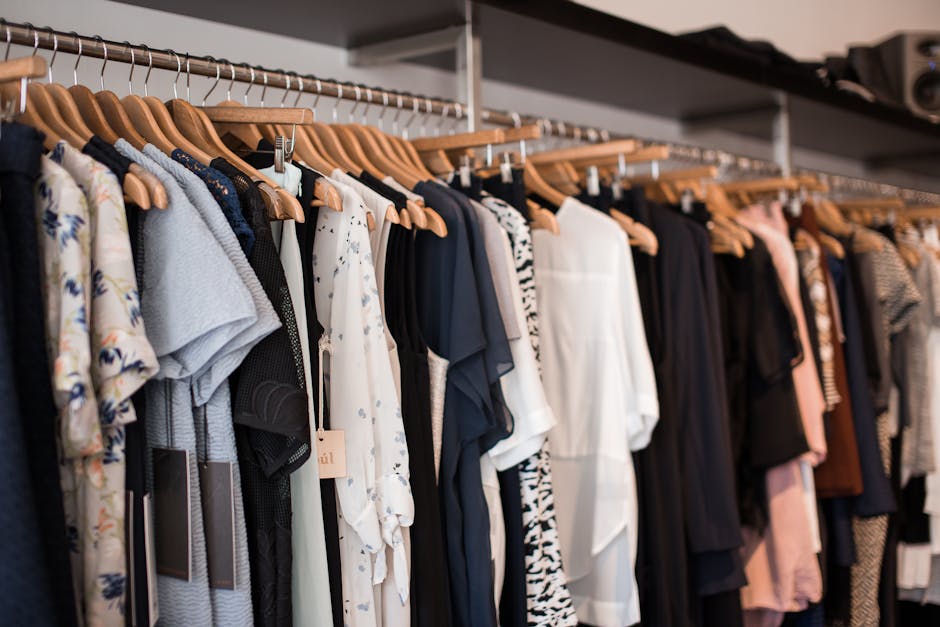
The local fashion scene has evolved significantly. Homegrown brands like In Good Company, Beyond the Vines, and Ong Shunmugam have built loyal followings by combining strong design identities with smart digital marketing. International fast-fashion giants dominate mall retail, but independent brands are carving space through direct-to-consumer e-commerce, social media storytelling, and pop-up experiences.
For fashion brands entering or growing in Singapore, the marketing challenge is threefold: standing out in a saturated market, converting social media attention into actual sales, and building a brand identity that resonates with local consumers. This guide addresses each challenge with practical strategies tailored to the Singapore context.
Whether you are a local label or an international brand expanding into Singapore, a strong digital foundation is essential. Our social media marketing services page outlines the core platforms and approaches that work for consumer brands in this market.
Social Media Strategy for Fashion Brands
Social media is the primary discovery channel for fashion in Singapore. Instagram and TikTok drive awareness, Pinterest influences style decisions, and Facebook remains relevant for certain demographics. Your social strategy should be platform-specific rather than posting the same content everywhere.

Instagram remains the core platform for fashion marketing in Singapore. It serves as both a portfolio and a shopfront. Key content types include:
- Product photography: Clean, well-lit images that show garments in detail. Flat lays, on-model shots, and styled outfits perform consistently well.
- Reels: Short-form video content showing outfit transitions, behind-the-scenes production, styling tips, and customer unboxing. Instagram’s algorithm heavily favours Reels, making them essential for reach.
- Stories: Daily stories keep your brand top-of-mind. Use Stories for new arrivals, flash sales, polls about upcoming designs, and day-in-the-life content from your team.
- Shopping tags: Enable Instagram Shopping so users can tap products in your posts and go directly to your product pages.
For a deeper dive into Instagram-specific tactics, see our Instagram marketing guide for Singapore.
TikTok has become indispensable for reaching younger consumers (eighteen to thirty-five). Fashion content that performs on TikTok is less polished and more authentic than Instagram. Think “get ready with me” videos, outfit challenges, thrift hauls, styling hacks, and behind-the-scenes content from photoshoots or market pop-ups. TikTok rewards consistency—posting three to five times per week is the minimum for algorithmic traction.
Our TikTok marketing guide covers platform-specific strategies in more detail.
Pinterest is underutilised by fashion brands in Singapore but offers strong potential. Users come to Pinterest with shopping intent—they are looking for outfit inspiration, searching for specific styles, and saving products they want to buy. Create boards organised by collection, season, or style (workwear, weekend casual, evening wear). Pin every product with a link to your online store.
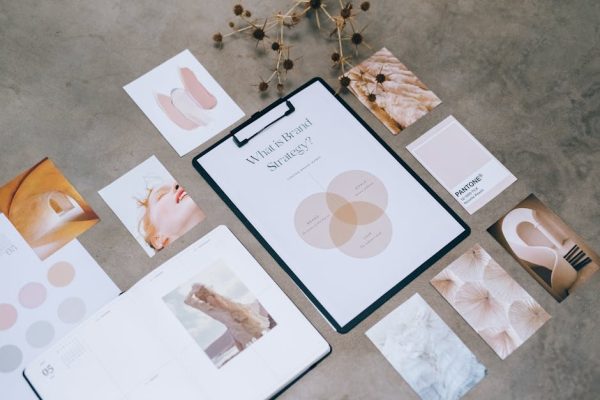
Across all platforms, consistency in visual identity is non-negotiable. Your colour palette, photography style, typography, and tone of voice should be instantly recognisable. A customer scrolling their feed should be able to identify your post before seeing your name.
Influencer Marketing for Fashion
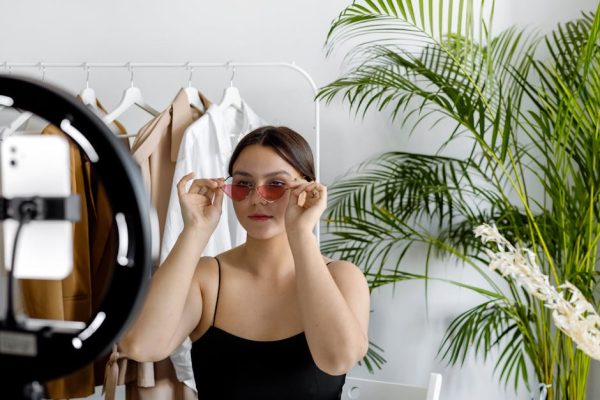
Influencer marketing is one of the most effective channels for fashion brands in Singapore, but it requires a strategic approach to deliver returns rather than just vanity metrics. The goal is not merely likes and comments—it is measurable traffic, sales, and brand awareness.
Choosing the right influencers: Follower count matters less than audience relevance and engagement quality. A micro-influencer with eight thousand followers who are genuinely interested in local fashion will drive more sales than a celebrity influencer with five hundred thousand followers who posts about everything from food to travel to fitness. Look for influencers whose personal style aligns with your brand aesthetic and whose audience demographics match your target customer.
In Singapore, the influencer landscape spans several tiers:
- Nano-influencers (1,000-10,000 followers): Often the most cost-effective. They have tight-knit communities with high trust. Ideal for local brands with limited budgets. Compensation is usually product gifting plus a small fee.
- Micro-influencers (10,000-50,000 followers): The sweet spot for most fashion brands. They offer meaningful reach with strong engagement. Expect to pay between three hundred and one thousand five hundred dollars per post.
- Mid-tier influencers (50,000-200,000 followers): Good for campaign launches and brand awareness pushes. Fees range from one thousand five hundred to five thousand dollars per post.
- Macro-influencers (200,000+ followers): Best for large-scale awareness campaigns. Budget five thousand to twenty thousand dollars or more per collaboration.
Campaign structures that work:
- Affiliate programmes: Give influencers unique discount codes and pay them a commission on sales generated. This aligns incentives—influencers earn more when they drive actual purchases.
- Styled lookbooks: Send influencers a selection of pieces and let them style outfits their way. This produces authentic content that resonates more than overly directed shoots.
- Launch partnerships: For new collections, invite select influencers to preview the collection and post on launch day. Coordinate timing for maximum impact.
- Long-term ambassadorships: Rather than one-off posts, build ongoing relationships with a small number of influencers who genuinely love your brand. Repeated mentions build more trust than a single sponsored post.
Track every collaboration with unique discount codes, UTM parameters, and affiliate links. If an influencer partnership does not generate measurable results after two or three collaborations, reallocate that budget. For more on structuring these partnerships, visit our influencer marketing services page.
E-Commerce SEO for Fashion Brands
Social media drives discovery, but search engines drive purchase-ready traffic. When someone searches “linen workwear Singapore” or “sustainable dress brand Singapore,” they are actively looking to buy. E-commerce SEO ensures your products appear in these high-intent searches.
Product page optimisation: Each product page should target a specific keyword or keyword cluster. Your product title should include the item type, material, and a descriptive element—”Oversized Linen Blazer in Sage Green” is better than “The Harper Blazer.” Write unique product descriptions of one hundred fifty to three hundred words that describe the fit, fabric, care instructions, and styling suggestions. Avoid copying manufacturer descriptions that appear on other retailers’ sites.
Category page strategy: Your category pages—Dresses, Tops, Bottoms, Workwear, New Arrivals—are often your strongest SEO assets. Add introductory text (one hundred fifty to two hundred words) to each category page that naturally incorporates keywords. “Women’s workwear in Singapore” or “sustainable dresses made from organic cotton” help Google understand what the page is about.
Blog content for fashion SEO: A fashion blog serves two purposes: it targets informational keywords that product pages cannot rank for, and it builds topical authority. Effective blog topics include:
- Seasonal style guides (“What to Wear to a Singapore Wedding 2026”)
- Fabric guides (“Linen vs Cotton: Which Is Better for Singapore Weather?”)
- Outfit inspiration (“5 Ways to Style a Midi Skirt for the Office”)
- Trend commentary (“Quiet Luxury: How the Trend Translates in Singapore”)
Each blog post should link to relevant product pages. A post about workwear styling should link to your blazers, trousers, and work-appropriate tops.
Technical SEO for e-commerce: Fashion sites often have technical SEO challenges—faceted navigation creating duplicate content, out-of-stock product pages returning errors, and slow load times from high-resolution images. Address these with canonical tags, proper handling of discontinued products (301 redirects to similar items), and image compression.
For the full picture on e-commerce search visibility, review our e-commerce marketing services page.
Pop-Up Events and Experiential Marketing
Despite the digital shift, physical experiences remain powerful for fashion brands. Pop-up stores and experiential events create urgency, generate social media content, and allow customers to see, touch, and try your products—something an online store cannot replicate.

Singapore offers excellent venues for fashion pop-ups. Popular locations include:
- Design Orchard: A dedicated retail space for local brands on Orchard Road. Ideal for emerging labels looking for visibility in the prime shopping district.
- Haji Lane and Kampong Glam: The heartland of independent fashion in Singapore. Pop-ups here attract a style-conscious, exploratory audience.
- Market events: The Public Garden, Boutique Fairs, and local art markets attract curated audiences interested in independent brands.
- Mall atrium spaces: Higher cost but massive foot traffic. Effective for brand awareness pushes and collection launches.
- Co-retail spaces: Shared retail concepts where multiple brands occupy a single space, splitting costs while benefiting from combined foot traffic.
Making pop-ups work for marketing:
A pop-up is not just a temporary shop—it is a marketing event. Design the space for social media shareability. Create an Instagram-worthy backdrop, offer personalisation services (embroidery, custom printing), or host a styling workshop. Every visitor who takes a photo and shares it extends your reach organically.
Promote the pop-up across your digital channels at least two weeks in advance. Use countdown stories on Instagram, event listings on Facebook, and email campaigns to your subscriber list. Offer a pop-up exclusive—a limited-edition item or a discount available only at the event—to create urgency.
Capture customer data during the pop-up. Set up a tablet for email sign-ups, offer a discount on the next online purchase in exchange for joining your mailing list, or run a giveaway that requires an Instagram follow. The pop-up’s long-term value lies in the customer relationships it initiates, not just the sales it generates on the day.
Sustainable Fashion Messaging
Sustainability has moved from a niche concern to a mainstream expectation among Singaporean consumers, particularly those aged twenty to forty. However, communicating your sustainability credentials requires care. Greenwashing—making vague or exaggerated environmental claims—erodes trust and can attract scrutiny from increasingly informed consumers.
Be specific, not vague: “We use sustainable materials” means nothing without detail. Instead, state exactly what you do: “This dress is made from GOTS-certified organic cotton sourced from India” or “Our packaging is made from recycled kraft paper and is fully compostable.” Specificity builds credibility.
Acknowledge imperfections: No fashion brand is perfectly sustainable. Acknowledging your limitations—”We’re working toward eliminating virgin polyester from our range by 2027″—is more trustworthy than claiming to be a fully sustainable brand. Consumers respect honesty about the journey.
Educate, do not preach: Use your content to educate consumers about fabric choices, garment care (extending product life), and the true cost of fast fashion. Educational content performs well on all platforms and positions your brand as a thoughtful alternative.
Certifications and partnerships: If you hold certifications—B Corp, Fair Trade, OEKO-TEX, GOTS—display them prominently. Partner with local sustainability initiatives—beach cleanups, textile recycling programmes, or charity collaborations—and document these partnerships in your content.
Circular fashion initiatives: Consider offering repair services, a resale programme for pre-loved pieces, or a take-back scheme. These initiatives are genuine sustainability actions that also generate content and customer engagement opportunities.
Singapore-specific angles include the environmental impact of fast fashion consumption in a high-income city, the challenge of dressing sustainably in tropical weather, and the growing second-hand fashion market on platforms like Carousell and Refash.
Marketplace and Social Commerce
Direct-to-consumer e-commerce through your own website gives you the most control and the highest margins, but marketplaces and social commerce platforms offer reach that is difficult to replicate independently.
Shopee and Lazada: These platforms dominate e-commerce in Southeast Asia. For fashion brands, they offer massive traffic but intense price competition. Use marketplaces strategically—list entry-level products or past-season pieces to attract new customers, then nurture them toward your own website for full-price purchases. Participate in platform campaigns (9.9, 11.11, 12.12) to maximise visibility during high-traffic periods.
Zalora: As Southeast Asia’s dedicated fashion marketplace, Zalora attracts higher-intent fashion shoppers. The platform is particularly strong for workwear, casual wear, and activewear. Zalora’s brand partnerships and editorial features can boost visibility significantly.
TikTok Shop: Social commerce through TikTok is growing rapidly in Singapore. Users can purchase products directly within the app after watching a video or live stream. Fashion brands that invest in TikTok content creation can monetise their audience without redirecting them to an external site. Live selling sessions—where you showcase pieces in real time and viewers purchase during the stream—are especially effective.
Instagram Shopping: While not a full marketplace, Instagram’s shopping features allow users to browse and purchase without leaving the app. Tag products in every relevant post and story. Create shoppable collections that align with your content themes.
The key to multi-channel commerce is maintaining pricing consistency and a cohesive brand experience across platforms. Customers who discover you on TikTok and then visit your website should feel like they are engaging with the same brand. For more on this, explore our social commerce guide for Singapore.
Building Brand Loyalty and Community
Acquiring a new customer costs five to seven times more than retaining an existing one. For fashion brands, where repeat purchases and word-of-mouth referrals are the engines of growth, loyalty and community building deserve as much attention as acquisition marketing.
Email marketing: Build your email list aggressively and use it well. Welcome sequences for new subscribers, early access to sales and new collections, birthday discounts, and curated style edits keep your brand in customers’ inboxes without being spammy. Segment your list by purchase history—a customer who buys workwear should receive different recommendations from one who buys weekend casualwear.
Loyalty programmes: Points-based systems, tiered memberships, or referral rewards incentivise repeat purchases. Keep the structure simple—if customers need a spreadsheet to understand your loyalty programme, it is too complicated. Offer tangible rewards: free shipping after a certain number of purchases, exclusive access to limited-edition pieces, or invitations to private events.
Community building: Create spaces—online and offline—where your customers can connect with each other and with your brand. Private Facebook groups, Instagram Close Friends lists for VIP customers, or in-person styling workshops foster a sense of belonging. When customers feel part of a community rather than just a mailing list, they become advocates who promote your brand organically.
User-generated content: Encourage customers to share photos wearing your pieces. Feature their content on your social media and website (with permission). User-generated content is more trustworthy than brand-produced content and provides you with a steady stream of authentic visuals. Create a branded hashtag and reference it on your packaging, website, and social profiles.
Customer service as marketing: In a market where fast-fashion giants offer fast but impersonal service, exceptional customer experience differentiates independent brands. Responsive WhatsApp support, hassle-free returns, personalised styling advice, and handwritten thank-you notes create moments that customers remember and share.
Frequently Asked Questions
How much should a fashion brand in Singapore spend on marketing?
Most fashion brands allocate between fifteen and twenty-five per cent of revenue to marketing, though early-stage brands may invest more heavily—up to thirty-five per cent—to build awareness. For a Singapore-based brand generating two hundred thousand dollars in annual revenue, this translates to thirty thousand to fifty thousand dollars per year across all channels. Allocate roughly forty per cent to social media content and ads, twenty-five per cent to influencer partnerships, fifteen per cent to e-commerce SEO and website optimisation, and twenty per cent to events, PR, and email marketing. These percentages should shift based on what delivers the best return for your specific brand and audience.
Which social media platform is most important for fashion brands in Singapore?
Instagram remains the most important platform for most fashion brands in Singapore. It combines visual storytelling, product discovery, and shopping functionality in one place. However, TikTok is closing the gap rapidly, particularly for brands targeting consumers under thirty-five. The best approach is to treat Instagram as your primary platform—where your brand identity lives—and TikTok as your growth and discovery platform. Pinterest is a valuable secondary channel for driving purchase-intent traffic to your online store. If your resources only allow you to manage one platform well, choose Instagram. Doing one platform excellently is better than doing three platforms poorly.
How can a small fashion brand compete with fast-fashion giants?
You cannot compete on price or volume, so do not try. Compete on story, quality, community, and experience. Fast-fashion brands are interchangeable—small brands are not. Your advantages include the ability to tell your founder’s story, the flexibility to respond to trends quickly with limited-edition drops, direct relationships with your customers, and the authenticity that comes from being a real person behind a brand rather than a faceless corporation. Focus your marketing on what makes you different: your design philosophy, your production process, your commitment to quality over quantity, and the personal touch you bring to every customer interaction.
Should fashion brands sell on marketplaces or only through their own website?
A hybrid approach works best for most brands. Your own website should be the primary sales channel—it offers the highest margins, full control over the customer experience, and ownership of customer data. Marketplaces like Shopee, Lazada, and Zalora should serve as discovery and acquisition channels. List entry-level or past-season products on marketplaces to reach new customers, then incentivise them to shop directly on your website for new arrivals and exclusive pieces. The risk of marketplace dependence is real: platform fees erode margins, algorithm changes can reduce visibility overnight, and you never truly own the customer relationship. Use marketplaces strategically, but invest in building your direct channel.
How important is sustainability messaging for fashion brands in Singapore?
Sustainability messaging is increasingly important but must be handled with authenticity. Research shows that over sixty per cent of Singaporean consumers aged twenty to forty consider sustainability when making fashion purchases, though price and style still rank higher in most buying decisions. The key is to be genuine rather than performative. If sustainability is genuinely part of your brand DNA—reflected in your materials, production processes, and business practices—communicate it confidently with specific evidence. If you are early in your sustainability journey, share your roadmap honestly. Consumers forgive imperfection but not dishonesty. Avoid greenwashing at all costs; the Singapore market is informed enough to recognise it, and the reputational damage can be severe.