SEO in Singapore for Foreign Brands: Rank Locally From Day One
Ranking in Singapore’s search results is one of the most sustainable and cost-effective ways for foreign brands to build visibility in this highly competitive market. Yet many international businesses approach SEO Singapore foreign brands with assumptions shaped by their home markets — assumptions that often lead to wasted effort and missed opportunities.
Singapore’s search landscape has distinct characteristics: Google dominates overwhelmingly, local intent drives a significant share of queries, and content localisation goes far beyond simple translation. This guide covers everything foreign brands need to know about establishing and growing their organic search presence in Singapore, from technical foundations to content strategy and link building.
Singapore’s Search Landscape
Understanding the search environment is the essential first step before investing in SEO Singapore foreign brands strategies.
Google Dominance
Google holds over 95 per cent of the search engine market share in Singapore. Bing, Yahoo and DuckDuckGo hold negligible shares. This simplifies your SEO strategy — you can focus almost exclusively on Google’s ranking factors, algorithm updates and best practices without needing to optimise for multiple search engines.
Search Intent Patterns
Singaporean search behaviour reflects the nation’s high digital literacy and mobile-first habits. Consumers frequently use search for product research, price comparison, review checking and local business discovery. “Near me” queries, branded searches and long-tail informational queries all play significant roles in the customer journey.
Mobile Search Dominance
Mobile devices account for the majority of search queries in Singapore. Google’s mobile-first indexing means your site’s mobile experience directly impacts rankings. Page speed, mobile usability and core web vitals are not optional — they are foundational ranking requirements. Your web design must prioritise mobile performance above all else.
AI Overview and Featured Snippets
Google’s AI-generated overviews and featured snippets are increasingly prominent in Singapore search results. Structuring content to answer specific questions concisely — while providing depth below — increases your chances of appearing in these high-visibility positions.
Technical SEO Foundations
Before creating content or building links, ensure your technical SEO foundations are solid. Technical issues can undermine even the best content strategy.

Domain and Hosting Strategy
Foreign brands face a choice between using their existing global domain (example.com/sg/ or sg.example.com) or registering a .sg country-code top-level domain (ccTLD). A .sg domain sends the strongest local signal to Google, but a subdirectory or subdomain on an established global domain can benefit from existing domain authority. The right choice depends on your long-term regional strategy.
Hreflang Implementation
If you operate multiple country-specific versions of your website, implement hreflang tags correctly to ensure Google serves the Singapore version to Singapore users. Incorrect hreflang implementation is one of the most common technical SEO mistakes foreign brands make when entering new markets.
Site Speed and Core Web Vitals
Singapore has among the fastest internet speeds globally, which raises user expectations for site performance. Target a Largest Contentful Paint (LCP) under 2.5 seconds, First Input Delay (FID) under 100 milliseconds and Cumulative Layout Shift (CLS) under 0.1. Use a CDN with a Singapore edge node to minimise latency if your hosting is based overseas.
Structured Data Markup
Implement relevant schema markup — including Organisation, LocalBusiness, Product, FAQ, Article and BreadcrumbList schemas — to help Google understand your content and enhance your search result appearance with rich snippets. Structured data is particularly valuable for local business listings, product pages and informational content.
Crawlability and Indexation
Ensure Google can crawl and index your Singapore-targeted pages efficiently. Submit a dedicated XML sitemap for your Singapore content through Google Search Console. Monitor for crawl errors, redirect chains and orphaned pages that might prevent important content from being indexed.
Local SEO and Google Business Profile
For foreign brands with a physical presence in Singapore — whether an office, retail store or service location — local SEO is critically important.
Setting Up Google Business Profile
Create and verify a Google Business Profile (GBP) for each physical location in Singapore. Ensure your listing includes accurate name, address, phone number (NAP), business category, operating hours, website URL and a compelling business description. Use a local Singapore phone number rather than an international number.
NAP Consistency
Maintain consistent name, address and phone number information across your website, GBP listing, social media profiles and all business directories. Inconsistencies confuse Google and can suppress your local search visibility. Create a master NAP document and audit all listings quarterly.
Local Citations and Directories
Build citations in Singapore-specific directories and platforms. Key directories include Singapore Business Directory, SgpBusiness, Yellow Pages Singapore, HungryGoWhere (for F&B), and industry-specific platforms. Each accurate citation strengthens your local search authority.
Reviews and Reputation Management
Google reviews significantly influence local search rankings and click-through rates. Develop a systematic approach to requesting reviews from satisfied customers. Respond to all reviews — positive and negative — professionally and promptly. Singaporean consumers research reviews extensively before making purchasing decisions.
Local SEO for Brands Without Physical Presence
Even without a physical location, foreign brands can benefit from local SEO tactics. Create Singapore-specific landing pages, include Singapore-relevant content throughout your site and build local backlinks. A dedicated SEO strategy focused on Singapore search intent can drive significant organic traffic without requiring a local office.
Content Localisation Strategy
Content localisation is where many foreign brands underinvest — and where the greatest competitive advantage often lies.
Beyond Translation
Content localisation for Singapore goes far beyond translating English content (which is unnecessary since English is already the primary language). Instead, localisation means adapting your content to reflect Singapore-specific contexts, references, terminology and cultural nuances. Replace foreign examples with local ones. Reference Singapore institutions, locations and cultural touchpoints. Use British English spelling conventions, which Singapore follows.
Incorporating Singlish and Local Terminology
While formal content should use standard English, understanding and occasionally incorporating Singlish terms or local colloquialisms can improve relatability. More importantly, consider that Singaporeans may search using local terminology — “HDB” (public housing), “hawker centre,” “CBD” (Central Business District), “MRT” — and your content should include these terms naturally where relevant.
Creating Singapore-Specific Content
Develop content that specifically addresses Singapore market conditions, regulations, consumer preferences and business environment. Generic “Asia-Pacific” content rarely performs well in search because it lacks the specificity that Google rewards. Invest in a content marketing programme that produces genuinely useful, Singapore-focused material.
Multilingual Content Considerations
While English is the primary business and search language, creating content in Mandarin Chinese can capture a significant additional audience segment. If your target market includes Chinese-speaking Singaporeans or mainland Chinese residents, a bilingual content strategy can differentiate you from competitors who only publish in English.
Keyword Research for the Singapore Market
Effective keyword research is the foundation of any SEO Singapore foreign brands campaign. Singapore-specific search patterns often differ from global trends.

Tools and Methodology
Use Google Keyword Planner (set location to Singapore), Ahrefs, SEMrush or Ubersuggest to research Singapore-specific search volumes. Filter by Singapore location to get accurate local data rather than relying on global estimates. Also analyse Google Search Console data for queries already driving impressions from Singapore users.
Local Keyword Modifiers
Singaporean searchers frequently use location modifiers such as “Singapore,” “in Singapore,” “SG,” neighbourhood names (Orchard, Tanjong Pagar, Jurong) and venue types (hawker centre, shopping mall, HDB). Map these modifiers to your primary keywords to identify high-intent local search opportunities.
Competitor Keyword Gap Analysis
Identify which keywords your Singapore-based competitors rank for that you do not. Tools like Ahrefs’ Content Gap feature can reveal valuable keyword opportunities that are already validated by competitor traffic. Focus on gaps where your content expertise and brand authority give you a realistic chance of ranking.
Search Intent Mapping
Categorise keywords by intent — informational (research), navigational (brand search), commercial (comparison) and transactional (purchase). Map each keyword to the appropriate content type and funnel stage. Prioritise transactional and commercial keywords for bottom-funnel pages and informational keywords for blog content and guides.
Link Building in Singapore
Backlinks remain one of the strongest ranking factors for Google. Building high-quality links from Singapore-relevant websites is essential for local search authority.
Local Link Opportunities
Target backlinks from Singapore-based websites, including media outlets (The Straits Times, CNA, Mothership), business directories, industry associations (Singapore Business Federation, relevant trade bodies), educational institutions and government portals. Links from .sg domains and Singapore-hosted websites carry strong local relevance signals.
Digital PR for Link Building
Earning media coverage that includes backlinks is one of the most effective and sustainable link-building strategies. Create newsworthy content — original research, data reports, expert commentary — that Singapore journalists and bloggers want to reference and link to. Coordinating with your branding and PR efforts amplifies results.
Guest Contributions
Contribute expert articles to relevant Singapore publications, industry blogs and professional platforms. Ensure contributions are genuinely valuable rather than thinly veiled promotional content. Quality guest posts build authority, generate referral traffic and earn contextual backlinks.
Partnership and Sponsorship Links
Partnerships with Singapore-based organisations, event sponsorships, community involvement and chamber of commerce memberships often generate valuable backlinks. These links also serve as trust signals that reinforce your brand’s commitment to the Singapore market.
Avoiding Link Building Pitfalls
Do not purchase links from link farms, participate in link exchange schemes or use private blog networks (PBNs) targeting Singapore. Google’s spam detection is sophisticated, and penalties can be devastating for a brand trying to establish its presence. Focus exclusively on earning links through quality content and genuine relationships.
Competitor Analysis and Benchmarking
Understanding your competitive landscape in Singapore search results is essential for setting realistic goals and identifying opportunities.
Identifying Your Search Competitors
Your search competitors in Singapore may differ from your business competitors. Search for your target keywords from a Singapore IP address and analyse which websites consistently appear in the top positions. These are the sites you need to outperform in Google’s eyes.
Analysing Competitor Strategies
Study your competitors’ content depth, keyword targeting, backlink profiles, site structure and technical performance. Tools like Ahrefs, SEMrush and Screaming Frog can provide detailed competitive intelligence. Look for weaknesses you can exploit — thin content, poor mobile experience, low-quality backlink profiles or missing topic coverage.
Setting Realistic Ranking Timelines
For competitive keywords in Singapore, expect three to six months before seeing significant ranking improvements, assuming consistent effort. Less competitive long-tail keywords may rank within weeks. Setting realistic expectations prevents premature strategy changes and budget reallocation. A digital marketing agency with Singapore experience can provide informed timeline estimates.
Ongoing Optimisation and Monitoring
SEO is not a one-time setup — it requires continuous monitoring, optimisation and adaptation to algorithm changes and competitor movements.
Google Search Console Monitoring
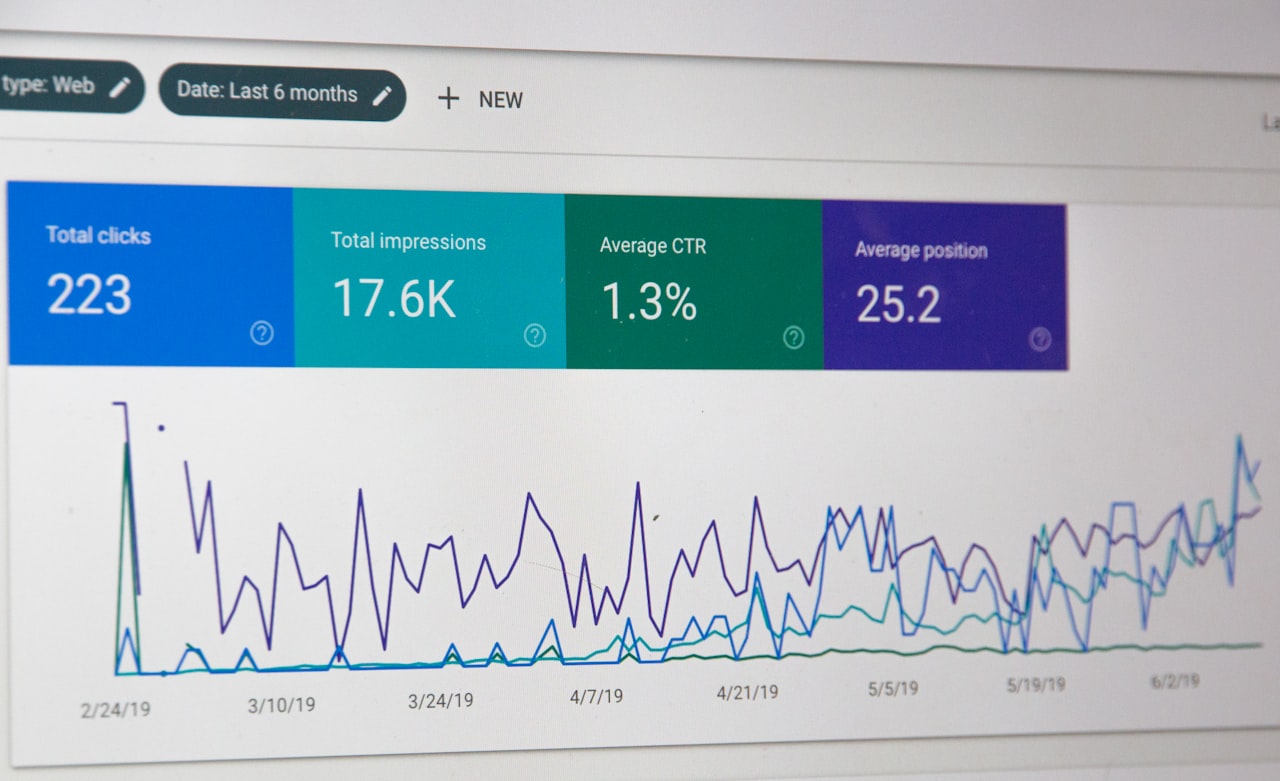
Monitor Google Search Console weekly for Singapore-specific performance data. Track impressions, clicks, click-through rates and average positions for your target keywords. Identify pages experiencing traffic drops and investigate causes promptly.
Content Refreshing
Regularly update existing content to maintain freshness and relevance. Singapore-specific data, statistics and market conditions change frequently. Pages that fall behind on accuracy will gradually lose rankings to more current competitors. Schedule quarterly content audits for your most important Singapore-targeted pages.
Algorithm Update Responses
Google releases multiple algorithm updates each year, some of which disproportionately affect specific markets or content types. Stay informed about major updates and monitor your Singapore traffic and rankings for any significant shifts. Having a diversified content and link strategy provides resilience against individual algorithm changes.
Reporting and KPIs
Track key performance indicators including organic traffic from Singapore, keyword rankings for target terms, organic conversion rate, domain authority growth and backlink acquisition rate. Monthly reporting with clear trend analysis enables data-driven decision-making. Integration with Google Ads data can reveal opportunities to shift spend from paid to organic channels as rankings improve.
Frequently Asked Questions
How long does it take for foreign brands to rank in Singapore?
For moderately competitive keywords, expect three to six months of consistent SEO effort before seeing significant ranking improvements. Less competitive long-tail keywords may rank within weeks. Brands with existing domain authority can accelerate results by creating Singapore-specific content on their established domain.
Should I use a .sg domain or my global domain?
Both options can work. A .sg domain sends strong local signals but starts from zero domain authority. A subdirectory (example.com/sg/) on an established global domain leverages existing authority. The best choice depends on your long-term regional strategy and current domain strength.
Is Google the main search engine in Singapore?
Yes, Google holds over 95 per cent of the search engine market share in Singapore. Your SEO strategy should be focused almost exclusively on Google’s ranking factors and best practices.
Do I need a physical address in Singapore for local SEO?
A physical address is necessary for Google Business Profile and local pack rankings. However, foreign brands without a physical presence can still rank well in organic results by creating Singapore-specific content, building local backlinks and targeting Singapore-relevant keywords.
What languages should I create SEO content in for Singapore?
English is the primary search language and should be your priority. Mandarin Chinese content can capture an additional audience segment. Malay and Tamil content serves smaller but potentially valuable niche audiences depending on your product or service.
How important are backlinks from Singapore websites?
Very important. Backlinks from Singapore-based websites — particularly authoritative media outlets, directories and industry organisations — send strong local relevance signals to Google and significantly improve your ranking potential for Singapore-targeted queries.
What are the most common SEO mistakes foreign brands make in Singapore?
Common mistakes include not localising content beyond basic English, neglecting mobile optimisation, incorrect hreflang implementation, ignoring Google Business Profile setup, using global keyword data instead of Singapore-specific volumes and building links exclusively from non-Singaporean sources.
Can I do SEO for Singapore remotely?
Yes, much of SEO can be managed remotely. However, partnering with a Singapore-based SEO specialist or agency provides significant advantages in local keyword insight, content localisation, link building relationships and understanding of the competitive landscape.
How much does SEO cost for the Singapore market?
SEO agency retainers in Singapore typically range from SGD 2,000 to SGD 15,000 per month, depending on scope, competition intensity and content volume. Comprehensive programmes that include technical SEO, content creation and link building sit toward the higher end of this range.
Should I invest in SEO or paid search first when entering Singapore?
Start both simultaneously. Paid search (Google Ads) delivers immediate visibility and valuable keyword data, while SEO builds sustainable long-term traffic. Use paid search insights to inform your SEO keyword strategy, and gradually shift budget from paid to organic as rankings improve.