
Lead Scoring Guide: How to Rank and Prioritise Your Most Valuable Prospects
Table of Contents
What Is Lead Scoring and Why It Matters
Lead scoring is a systematic method of ranking prospects based on their likelihood to become customers. This lead scoring guide covers how to build a scoring system that helps your sales team focus on the most promising opportunities rather than treating every lead equally. When your marketing generates dozens or hundreds of leads monthly, scoring separates the high-potential prospects from those who are simply browsing.
Without lead scoring, sales teams waste time on unqualified leads while high-intent prospects wait for follow-up. Research consistently shows that the speed and relevance of follow-up directly impacts conversion rates. A lead that is contacted within five minutes of enquiry is far more likely to convert than one contacted after 24 hours. Lead scoring enables this prioritisation by identifying which leads deserve immediate attention.
For Singapore businesses, where sales teams are often lean and resources are finite, lead scoring provides a force multiplier. Instead of scaling your sales team to handle every lead equally, scoring lets a smaller team achieve better results by concentrating effort where it matters most. The system works for both B2B and B2C businesses, though the scoring criteria and thresholds differ based on your digital marketing model and sales cycle.
Types of Lead Scoring Models
Explicit scoring evaluates leads based on demographic and firmographic data — who they are. For B2B businesses, this includes company size, industry, job title, revenue, and location. For B2C businesses, it includes demographic factors like age, location, and income indicators. Explicit data tells you whether the lead fits your ideal customer profile regardless of their behaviour.

Implicit scoring evaluates leads based on their behaviour — what they do. Website visits, page views, content downloads, email opens, webinar attendance, and pricing page visits all indicate interest and intent. A lead who visits your pricing page three times in a week signals stronger purchase intent than one who reads a single blog post. Behavioural scoring captures intent that demographic data alone cannot reveal.
Predictive scoring uses machine learning algorithms to analyse historical data and identify patterns that predict conversion. Rather than manually assigning point values, predictive models analyse thousands of data points across your lead database to determine which characteristics and behaviours most strongly correlate with becoming a customer. Predictive scoring is more accurate than manual models but requires sufficient historical data.
Most effective lead scoring systems combine explicit and implicit scoring. A lead who matches your ideal customer profile (high explicit score) and demonstrates strong purchase intent (high implicit score) receives the highest priority. A lead who fits the profile but shows no engagement, or one who is highly engaged but is a poor fit, receives moderate scores that warrant different follow-up strategies.
Choosing Your Scoring Criteria
Start by analysing your existing customers. Identify the demographic, firmographic, and behavioural characteristics that your best customers share. Interview your sales team to understand which lead attributes most strongly predict successful conversions. This retrospective analysis provides the empirical foundation for your lead scoring guide criteria rather than relying on assumptions.
For B2B scoring, common explicit criteria include company revenue (or employee count as a proxy), industry, job title or seniority, geographic location, and technology stack. A marketing manager at a mid-sized Singapore company in your target industry scores higher than an intern at a micro-enterprise in a peripheral industry. Assign point values that reflect the relative importance of each criterion.
Behavioural criteria should reflect the actions that historically precede purchases. High-value actions typically include visiting pricing or product pages, requesting demos or consultations, downloading bottom-of-funnel content (case studies, buyer guides), and returning to the website multiple times. Lower-value but still positive actions include blog visits, newsletter sign-ups, and social media engagement.
Include negative scoring criteria. Unsubscribing from emails, visiting career pages (indicating job seekers rather than buyers), providing personal email addresses when you target businesses, and extended periods of inactivity should all reduce scores. Negative scoring prevents inflated scores on leads that are unlikely to convert, keeping your prioritisation accurate.
Building Your Scoring Model
Use a 0-100 point scale for simplicity. Assign point values to each criterion based on its predictive importance. The total possible score from demographic criteria alone should not exceed 50 points, with the remaining 50 points allocated to behavioural criteria. This balance ensures that neither profile fit nor engagement alone is sufficient for a top score.
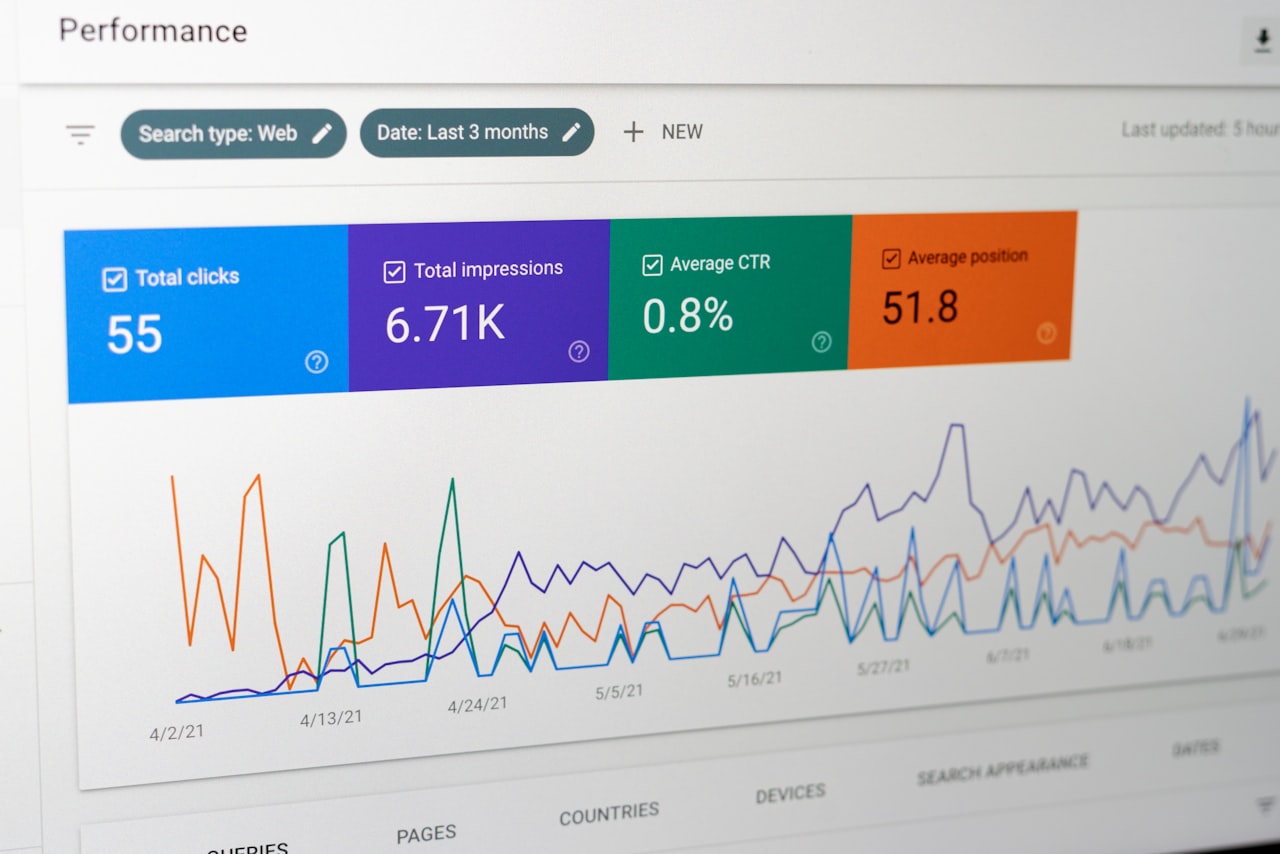
Establish score thresholds that trigger specific actions. For example: leads scoring 0-30 are cold (marketing nurture), 31-60 are warm (marketing-qualified, receive targeted content), 61-80 are hot (sales-qualified, receive outreach), and 81-100 are priority (immediate sales follow-up). Define clear handoff processes at each threshold to ensure leads are acted on appropriately.
Start simple and refine over time. A basic scoring model with ten criteria is more useful than a complex model with fifty criteria that nobody maintains. Launch with the criteria you are most confident about, measure results, and add complexity gradually as you learn what works. Perfectionism at the setup stage delays the value you receive from implementing scoring.
Document your scoring model clearly. Every team member involved in lead management should understand what each score means, how scores are calculated, and what actions each score range triggers. Clear documentation prevents confusion and ensures consistent treatment of leads. Review the model quarterly with both marketing and sales teams to maintain alignment and relevance.
Implementing Lead Scoring in Your CRM
Most modern CRM and marketing automation platforms include lead scoring functionality. HubSpot, Salesforce, ActiveCampaign, and Pipedrive all offer native or integrated scoring capabilities. Configure your scoring rules within your platform, ensuring that data from all lead sources — website, forms, email, social media — feeds into the scoring calculation.
Integrate your website analytics with your CRM to capture behavioural data. Tracking pixels, form submissions, and cookie-based identification allow your CRM to record website behaviour at the individual lead level. This integration is essential for implicit scoring — without behavioural data, you can only score leads on demographic attributes, which provides an incomplete picture.
Set up automated workflows triggered by score changes. When a lead crosses from warm to hot, automatically notify the assigned salesperson and add the lead to a priority follow-up queue. When a lead’s score declines below a threshold due to inactivity, move them back to a nurture sequence. Automation ensures leads are acted on promptly regardless of team capacity at any given moment.
Test your scoring implementation before going live. Score your existing customer database retroactively and verify that your model assigns high scores to leads that actually converted and low scores to those that did not. If the model fails this validation test, adjust your criteria and point values before relying on it for live lead prioritisation. Your marketing automation system should make this testing straightforward.
Aligning Sales and Marketing Around Scores
Lead scoring only works when sales and marketing teams agree on what the scores mean and how to act on them. Define a Service Level Agreement (SLA) between marketing and sales: marketing commits to delivering a certain volume of leads above the qualification threshold, and sales commits to following up on those leads within a defined timeframe.
Establish a feedback loop where sales reports back on lead quality. If sales consistently finds that leads scored 70+ are not actually ready to buy, the scoring model needs adjustment. If leads scored 50-70 are converting at high rates, the qualification threshold may be too high. Regular feedback calibrates the model to real-world outcomes.
Create shared dashboards that both teams can access. Visibility into lead volumes by score range, conversion rates by score, and average time-to-follow-up builds accountability and enables data-driven discussions about lead quality and sales effectiveness. Shared metrics reduce the blame game between marketing and sales that plagues many organisations.
Hold monthly alignment meetings to review scoring performance. Discuss which lead sources produce the highest-scoring leads, which score ranges convert at the best rates, and whether the scoring model needs refinement. These meetings keep both teams invested in the scoring system’s accuracy and maintain the collaborative relationship necessary for effective lead management.
Optimising Your Scoring System Over Time
Analyse conversion rates by score range quarterly. If your scoring model is working correctly, higher-scoring leads should convert at meaningfully higher rates than lower-scoring leads. If there is no clear correlation between score and conversion rate, your criteria or point values need recalibration. The goal is a monotonically increasing conversion rate as scores increase.

Review and update scoring criteria as your business evolves. New product lines, market segments, or marketing channels may introduce lead characteristics that your original model does not account for. Customer profiles change over time as well. Treat your scoring model as a living document that adapts to your business, not a static system set once and forgotten.
Compare lead scoring performance against a control group periodically. Route a small percentage of leads randomly to sales regardless of score and compare conversion rates against scored-and-prioritised leads. This comparison validates that scoring is actually improving outcomes rather than introducing bias that might cause you to overlook viable prospects.
Explore predictive scoring as your data matures. Once you have 12 or more months of scored lead data with conversion outcomes, you have the dataset needed for predictive modelling. Predictive scoring tools available in platforms like HubSpot, Salesforce Einstein, and MadKudu can identify conversion patterns that manual analysis might miss. This advanced approach builds on the foundations established through your initial scoring implementation and complements other data-driven conversion optimisation efforts.
Frequently Asked Questions
What is a good starting point for lead scoring?
Start with five to ten criteria covering your most important demographic attributes (job title, company size, industry) and behavioural signals (pricing page visits, content downloads, repeat website visits). Use a 0-100 scale and set three to four score thresholds that trigger different actions. Launch, measure, and refine from there.
How many points should I assign to each criterion?
Assign points proportional to each criterion’s predictive value. High-impact criteria like visiting your pricing page or matching your target industry might receive 10-15 points each. Lower-impact criteria like opening an email or following your social media might receive 2-5 points. Ensure no single criterion can overwhelm the total score.
Do I need marketing automation software for lead scoring?
Technically, you can implement basic scoring manually using spreadsheets, but this becomes unmanageable beyond 50-100 leads per month. Marketing automation platforms like HubSpot, ActiveCampaign, and Salesforce automate score calculation, track behaviour, and trigger workflows, making them essential for effective lead scoring at scale.
How long does it take to implement lead scoring?
A basic scoring model can be designed and implemented within one to two weeks. Allow two to three months of operation to gather enough data for initial validation and refinement. Most scoring systems reach mature, reliable performance after six to twelve months of iterative optimisation.
Can lead scoring work for B2C businesses?
Yes, though B2C scoring typically emphasises behavioural signals (browsing patterns, cart activity, email engagement) more heavily than demographic data. B2C scoring is particularly valuable for businesses with higher-value products, subscription models, or longer consideration periods where not all leads convert immediately.
What if I do not have enough historical data to build a model?
Start with a hypothesis-based model using your sales team’s experience and industry benchmarks. Score leads based on what you believe predicts conversion and validate the model as data accumulates. Even an imperfect model that prioritises better than random is valuable. Refine the model as real conversion data becomes available.
How does lead scoring differ from lead qualification?
Lead scoring assigns a numerical value to each lead based on multiple criteria, creating a spectrum from low to high potential. Lead qualification categorises leads into discrete buckets (MQL, SQL, etc.) based on meeting specific criteria. Scoring is more granular and enables more nuanced prioritisation than binary qualification frameworks.
Should I score leads on negative behaviours?
Yes. Negative scoring is essential for accurate prioritisation. Subtract points for email unsubscribes, career page visits, inactivity periods exceeding 30 days, and indicators that the lead does not match your target profile. Negative scoring prevents disengaged or poor-fit leads from accumulating artificially high scores over time.
How often should I recalibrate my scoring model?
Review scoring performance quarterly and make minor adjustments. Conduct a full model review annually, incorporating new conversion data and business changes. Significant changes in your product, market, or customer base should trigger an immediate model review regardless of the regular schedule.
What tools support lead scoring in Singapore?
HubSpot, Salesforce with Pardot or Marketing Cloud, ActiveCampaign, and Pipedrive all support lead scoring and are widely used by Singapore businesses. For predictive scoring, tools like MadKudu and 6sense provide AI-powered scoring capabilities. Choose based on your existing CRM, budget, and technical requirements.