Google Ads for Restaurants: A Complete PPC Guide for Singapore F&B Businesses
Singapore’s food and beverage scene is fierce. With over 7,000 dining establishments competing for attention across the island, simply having great food is not enough. Google Ads for restaurants offers a direct path to reaching diners at the exact moment they are deciding where to eat — whether that is a lunch crowd in the CBD searching “best Thai food near Raffles Place” or a family in Jurong looking for “kid-friendly restaurants nearby.”
The beauty of paid search for restaurants lies in its intent-driven nature. Unlike social media advertising, where you interrupt someone scrolling through their feed, Google Ads captures people who are actively searching for a place to eat. This high intent translates to higher conversion rates and a measurable return on investment — critical for an industry where margins are already tight.
This guide covers how Singapore restaurants can build, optimise, and scale Google Ads campaigns that fill tables and drive delivery orders without wasting budget on irrelevant clicks.
Why Google Ads Work for Restaurants
Organic search results and Google Maps listings are valuable, but they take months to build and are not fully within your control. Google Ads puts your restaurant at the top of search results immediately, which is particularly useful in several scenarios.
New restaurant launches — when you have no search visibility, reviews, or organic rankings, paid ads bridge the gap while your SEO and reputation build over time.
Competitive locations — if your restaurant sits in a food-dense area like Tanjong Pagar, Telok Ayer, or Holland Village, organic visibility alone may not cut through the noise.
Specific occasions — capturing searches like “birthday dinner Singapore,” “romantic restaurant for anniversary,” or “Chinese New Year reunion dinner” lets you target high-value dining occasions where customers are willing to spend more.
Delivery and takeaway — since the pandemic reshaped dining habits, a significant portion of F&B searches now include “delivery” or “takeaway” modifiers. Google Ads lets you target these terms and direct customers to your own ordering platform rather than third-party apps that take 25-35% commission.
The fundamentals of restaurant advertising on Google differ from other industries. The purchase cycle is extremely short — someone searching “sushi restaurant Orchard Road” is likely eating within the next two hours. This compressed timeline means your ads need to appear instantly and provide all the information a diner needs to make a decision: location, menu highlights, pricing cues, and a way to book or order.
Our Google Ads services include specialised campaign structures for F&B businesses across Singapore.
Choosing the Right Campaign Types
Google offers several campaign types, and restaurants benefit most from a combination approach rather than relying on a single format.
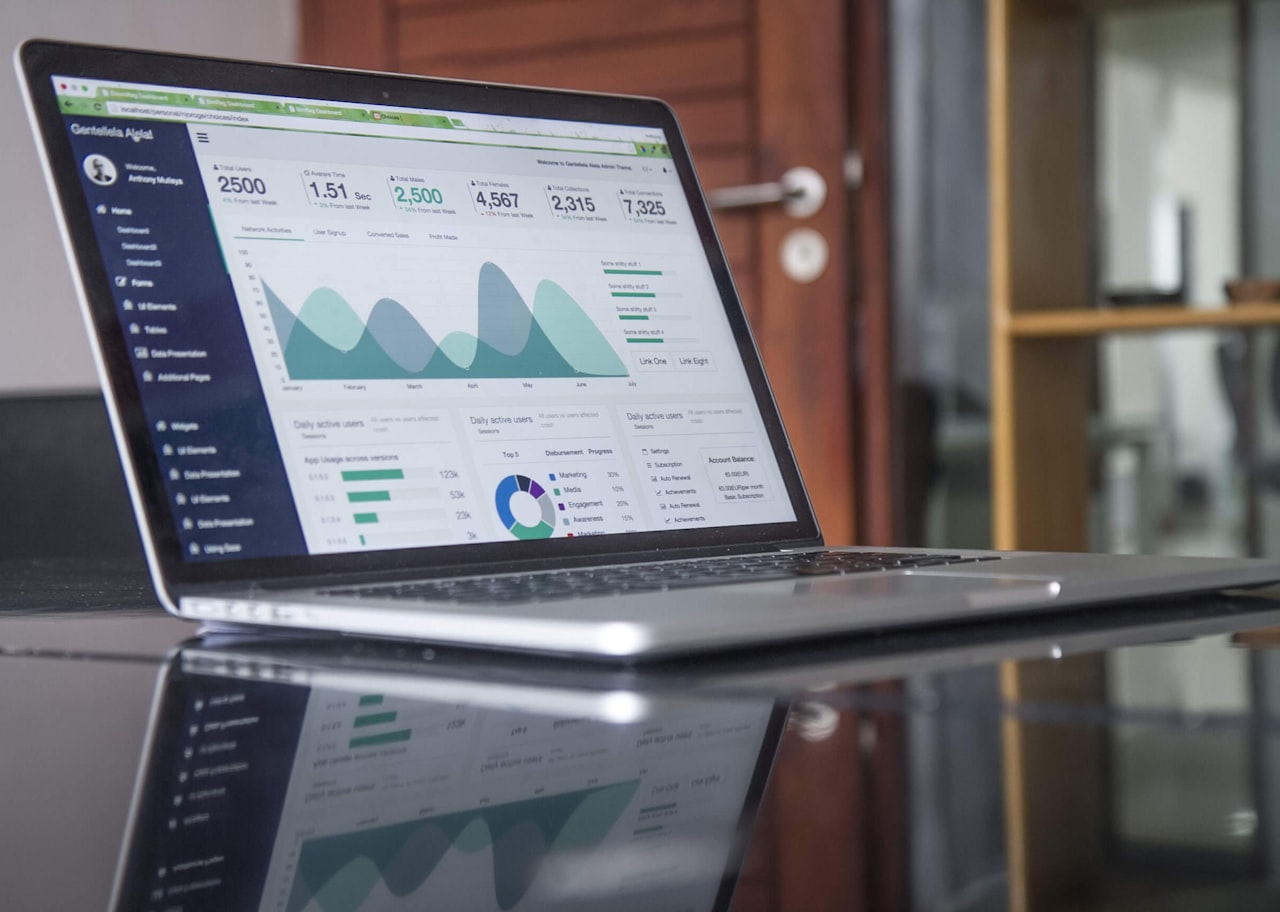
Search campaigns are the foundation. These text-based ads appear when someone searches for relevant keywords. For restaurants, search campaigns capture high-intent queries like “Italian restaurant Robertson Quay” or “halal buffet Singapore.” Structure your search campaigns by theme — separate campaigns for cuisine type, location, occasion, and delivery/dine-in.
Local campaigns (now integrated into Performance Max) promote your restaurant across Google Search, Maps, YouTube, and the Display Network simultaneously. These campaigns are designed to drive foot traffic and prioritise showing your ads to people near your location. For restaurants with a physical location as their primary revenue driver, local campaigns are essential.
Performance Max campaigns use Google’s machine learning to serve ads across all Google channels. For restaurants, provide high-quality food photography, compelling ad copy, and clear conversion actions (reservations, direction requests, phone calls). Performance Max works best when you have sufficient conversion data — at least 30 conversions per month — for the algorithm to optimise effectively.
Display campaigns are less effective for immediate restaurant searches but useful for remarketing. If someone visited your website but did not make a reservation, display ads can remind them of your restaurant as they browse other sites. Keep display budgets modest — typically 10-15% of your total Google Ads spend.
YouTube campaigns can work well for restaurants with strong visual appeal. A 15-second video showcasing your signature dish or dining atmosphere can build awareness cost-effectively. Target food enthusiasts, people searching for dining options in your area, and viewers of food-related content.
For a broader perspective on F&B marketing channels, explore our food and beverage marketing agency services.
Keyword Strategy for F&B Businesses
Restaurant keyword strategy differs from most industries because of the strong location and cuisine modifiers that diners use. Build your keyword lists around these core categories:
Cuisine + location keywords — “Japanese restaurant Bugis,” “Korean BBQ Tanjong Pagar,” “Indian food Little India.” These are your bread-and-butter keywords with clear commercial intent.
Occasion keywords — “birthday dinner restaurant Singapore,” “business lunch CBD,” “date night restaurant.” These often carry higher average order values and justify higher bids.
Feature keywords — “restaurant with private room Singapore,” “rooftop bar dining,” “pet-friendly cafe.” These target specific needs that your restaurant can fulfil.
Delivery and takeaway keywords — “food delivery Clementi,” “takeaway near me,” “[cuisine] delivery [area].” If you offer direct ordering, these keywords help you bypass third-party platform fees.
Brand keywords — bid on your own restaurant name to protect your brand space and ensure you appear above competitors who might bid on your brand terms.
Match type selection matters significantly for restaurants:
- Exact match — use for your highest-value, most specific keywords. “Japanese omakase Singapore” in exact match ensures you only pay for that precise intent.
- Phrase match — useful for location-based queries where you want to capture variations. “Italian restaurant” in phrase match catches “best Italian restaurant near me” and “cheap Italian restaurant Orchard.”
- Broad match — use cautiously and only with smart bidding strategies. Broad match for “restaurant” alone will waste budget on irrelevant queries.
Build a robust negative keyword list from day one. Common negatives for restaurants include: “recipe,” “jobs,” “hiring,” “salary,” “franchise,” and competitor brand names you do not want to target. Review your search terms report weekly and add new negatives aggressively.
Ad Extensions That Drive Diners
Ad extensions (now called assets in Google Ads) expand your ad with additional information and increase your ad’s visual footprint in search results. For restaurants, several extensions are particularly valuable.
Location extensions — link your Google Business Profile to show your address, distance from the searcher, and a map pin. This is arguably the most important extension for any restaurant campaign. Diners want to know immediately whether your restaurant is convenient for them.
Call extensions — add your phone number so diners can call to make a reservation directly from the search results. Schedule call extensions to only show during your operating hours to avoid wasted clicks on unanswered calls.
Sitelink extensions — add links to key pages: your menu, reservations page, private dining options, delivery ordering, and special promotions. Sitelinks give searchers multiple entry points and increase your ad’s click-through rate by 10-20% on average.
Callout extensions — highlight key selling points in short phrases: “Free Parking Available,” “Halal Certified,” “Open Till Midnight,” “Live Music Fridays.” These do not link to specific pages but add persuasive information to your ad.
Price extensions — showcase menu categories with price ranges. A fine dining restaurant might show “Set Lunch from $38” and “Omakase from $128.” This pre-qualifies clicks — people who find the prices acceptable are more likely to convert.
Structured snippet extensions — list specific cuisines, dining options, or amenities. Use the “Amenities” header to list features like “Private Rooms, Outdoor Seating, Wine Bar, Live Kitchen.”
Promotion extensions — highlight limited-time offers like “20% off weekday lunch” or “1-for-1 mains, Mon-Thu.” These stand out visually in search results and can significantly boost click-through rates during promotional periods.
Location and Delivery Zone Targeting
Precise geographic targeting is what makes Google Ads for restaurants efficient rather than wasteful. A restaurant in Tiong Bahru does not need to show ads to people searching from Woodlands — the distance alone makes a visit unlikely for a casual meal.

Set up location targeting based on your restaurant’s customer draw:
- Dine-in targeting — typically a 3-5 km radius around your restaurant for casual dining, expanding to 10-15 km for fine dining or specialty cuisines that people travel for
- Delivery targeting — match your actual delivery zone. If you deliver within a 5 km radius, set your ads to show only within that area for delivery-related keywords
- CBD/office district targeting — for lunch campaigns, target a tight radius around nearby office buildings. These campaigns should run from 10:30am to 1:30pm on weekdays
- Tourist areas — if your restaurant attracts tourists, target areas like Marina Bay, Sentosa, and Orchard Road with ads in relevant languages
Use bid adjustments to allocate more budget to your strongest-performing locations. If data shows that searchers within 1 km of your restaurant convert at twice the rate of those 3-5 km away, increase bids by 30-50% for the closer radius.
Day and time scheduling is equally important for restaurants. Analyse when your bookings peak and increase bids during pre-meal search windows:
- Lunch: increase bids from 10:00am to 12:30pm
- Dinner: increase bids from 4:00pm to 7:30pm
- Weekend brunch: increase bids on Saturday and Sunday from 8:00am to 11:00am
- Late night: if you serve supper, increase bids from 9:00pm to midnight
Reduce bids or pause campaigns entirely during hours when you are closed or at full capacity. There is no point paying for clicks when you cannot serve additional customers. For more on location-based marketing for F&B, visit our F&B marketing Singapore page.
Seasonal and Event-Based Promotions
Singapore’s dining calendar creates predictable spikes in search demand that restaurants should plan campaigns around well in advance.
Chinese New Year — reunion dinner searches begin in early January. Launch campaigns for “CNY reunion dinner” and “Chinese New Year set menu” four to six weeks before the holiday. This is one of the highest-revenue periods for many restaurants, so allocate budget accordingly.
Valentine’s Day — “romantic dinner Singapore” and “Valentine’s Day restaurant” searches spike from late January through mid-February. Create dedicated landing pages with your Valentine’s menu and link ads directly to them.
National Day — Singaporeans celebrate with dining out. Target keywords related to “National Day dining” and “August 9 dinner” with patriotic-themed promotions.
Year-end festivities — Christmas dinners, office parties, and New Year’s Eve celebrations drive significant search volume from November through December. Create separate campaigns for corporate events and personal celebrations.
Monthly paydays — search volume for dining out tends to increase at the end and beginning of each month. Subtle bid increases during these periods can capture additional demand.
School holidays — family dining searches increase during school break periods. Target family-friendly keywords and highlight kid-friendly menus or family set deals.
For seasonal campaigns, create them in advance but schedule them to activate at the right time. Write ad copy and prepare landing pages at least three weeks before the event. This gives Google time to review and approve your ads before the search volume peaks.
Budgeting and Bidding for Restaurants
Budget allocation for restaurant Google Ads campaigns in Singapore varies widely based on location, cuisine, and competition level. Here are practical benchmarks.
Starting budgets — most small to mid-sized restaurants in Singapore can run meaningful campaigns on $1,500 to $3,000 per month. Fine dining establishments or restaurants in highly competitive areas may need $4,000 to $8,000 monthly to compete effectively.
Cost per click — expect to pay $1.50 to $4.00 for general dining keywords in Singapore. Specific cuisine and location combinations tend to be cheaper ($0.80-$2.00), while high-value occasion keywords (“private dining room Singapore”) can reach $5.00-$8.00 per click.
Budget distribution — allocate roughly 60% to search campaigns, 20% to local/Performance Max campaigns, 10% to remarketing, and 10% as a flexible reserve for seasonal campaigns and testing.
For bidding strategies, restaurants should consider:
- Maximise clicks — suitable when launching new campaigns and gathering initial data
- Target CPA — once you have at least 30 conversions per month, switch to target CPA bidding. Define your target cost per reservation or order and let Google optimise bids accordingly
- Manual CPC with bid adjustments — gives you the most control over individual keyword bids, useful for experienced advertisers managing small, focused campaigns
For a detailed breakdown of advertising costs, see our Google Ads cost Singapore guide.
Measuring Return on Ad Spend
Restaurant advertising measurement is notoriously challenging because many conversions happen offline — a diner sees your ad, visits your restaurant, and pays in person. Still, you can track enough to make informed budget decisions.
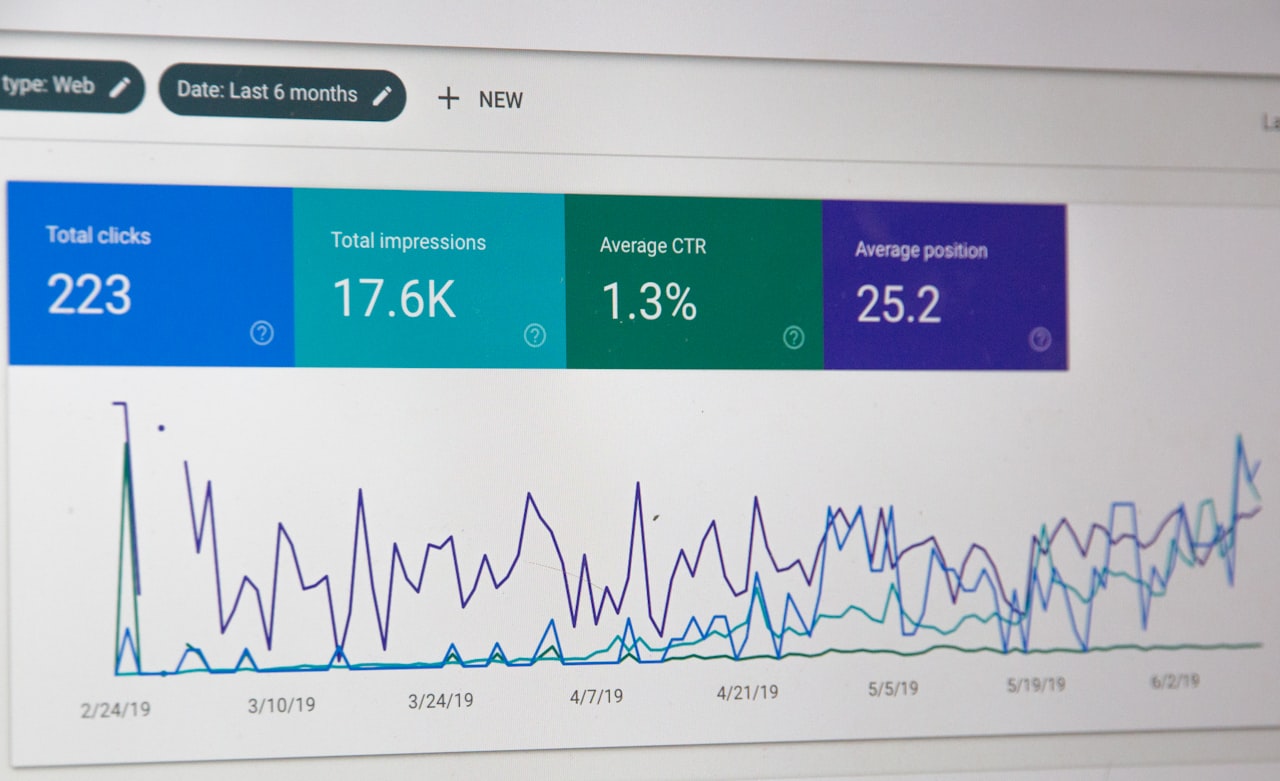
Online conversions to track:
- Reservation completions through your booking system
- Online order completions through your delivery platform
- Click-to-call actions from ads
- Direction request clicks
- Menu page views (as a micro-conversion)
Offline conversion tracking:
- Ask diners how they found you and record the answers
- Use unique promotional codes in your ads to track redemptions
- Compare foot traffic and revenue on days with high ad spend versus low ad spend
- Import reservation data back into Google Ads if your booking system supports it
Calculate your return on ad spend (ROAS) by dividing total revenue attributed to Google Ads by your total ad spend. A healthy ROAS for restaurants typically falls between 5:1 and 10:1 — meaning every dollar spent on ads generates five to ten dollars in revenue.
If your ROAS falls below 3:1 consistently, investigate the following: Are you targeting the right keywords? Is your landing page (menu or booking page) converting visitors effectively? Are your ads appearing at the right times and locations? Are negative keywords filtering out irrelevant traffic?
Review campaign performance weekly and make adjustments fortnightly. Pause underperforming keywords, reallocate budget to high-performing campaigns, and refresh ad copy monthly to prevent ad fatigue. For restaurants that also want to build long-term organic visibility, our SEO for restaurants guide complements your paid strategy.
Frequently Asked Questions
How much should a restaurant spend on Google Ads in Singapore?
Most restaurants in Singapore achieve meaningful results with a monthly budget of $1,500 to $3,000. This allows you to run search campaigns targeting your core keywords, location-based campaigns to drive foot traffic, and basic remarketing. Fine dining restaurants or those in highly competitive areas like the CBD may need $4,000 to $8,000 monthly. Start with a smaller budget, measure results for four to six weeks, and scale up what works.
Should restaurants bid on competitor names?
Bidding on competitor restaurant names is permitted by Google but should be approached carefully. You cannot use a competitor’s trademarked name in your ad text, only as a keyword. The strategy can work — showing your ad when someone searches for a competitor — but click-through rates tend to be low and cost per conversion high. It is generally more effective to invest that budget in cuisine, location, and occasion keywords where intent aligns better with your offering.
How do I drive delivery orders through Google Ads without using third-party platforms?
Create dedicated campaigns targeting “[cuisine] delivery [area]” keywords and direct clicks to your own online ordering system. Highlight the benefits of ordering direct — no service fees, loyalty rewards, faster delivery. Use promotion extensions to offer a first-order discount. Make sure your ordering page is mobile-optimised and loads quickly, as most delivery searches happen on phones. The cost savings from avoiding 25-35% third-party commissions usually justify the advertising spend.
What landing pages should restaurant ads link to?
Link ads to the most relevant page for the searcher’s intent. Cuisine and location keywords should link to your homepage or a dedicated landing page showcasing your menu and atmosphere. Reservation-focused keywords should link directly to your booking page. Delivery keywords should link to your online ordering page. Avoid linking all ads to your homepage — specific landing pages convert significantly better because they match the searcher’s intent without requiring additional navigation.