Part of our SEO Guides guide →
SEO for Restaurants: How F&B Businesses in Singapore Can Rank on Google
Why SEO Matters for Restaurants in Singapore
Singapore’s food scene is one of the most competitive in the world. From hawker centres to fine dining, the island packs over 14,000 F&B establishments into 733 square kilometres. Standing out requires more than great food — it requires being found when hungry customers search.
The numbers make the case clear. “Restaurants near me” searches have grown consistently year over year. In Singapore specifically, food-related searches spike around lunch (11 AM – 1 PM) and dinner (5-7 PM), with mobile devices accounting for over 80% of these searches. When someone searches “best laksa in Katong” or “Italian restaurant Clarke Quay,” they are ready to make a dining decision within minutes.
For F&B businesses, SEO is not about competing for global keywords. It is about dominating local search results in your neighbourhood, cuisine category, and price range. The restaurants that appear in Google’s Local Pack (the map results) and rank on the first page of organic results capture the majority of walk-in and reservation traffic driven by search.
Unlike paid advertising, which stops generating traffic the moment you stop spending, SEO builds a compounding asset. A well-optimised Google Business Profile and website continue to attract diners month after month without ongoing ad spend. For restaurants operating on tight margins — which is the reality for most F&B businesses in Singapore — that sustained visibility without proportional cost is a genuine competitive advantage.
Google Business Profile Optimisation for F&B
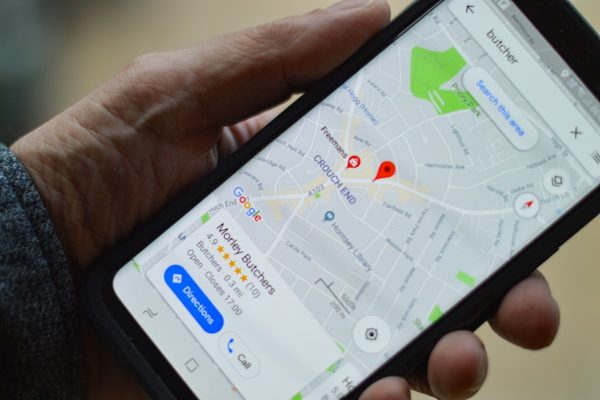
Your Google Business Profile (GBP) is the single most important SEO asset for a restaurant. It determines whether you appear in the Local Pack — the map results that show above organic listings for location-based searches. For most diners, the Local Pack is where the decision gets made.
Essential GBP setup for restaurants
- Business name: Use your exact registered business name. Do not stuff keywords (“Best Chinese Restaurant” is not your business name). Google penalises keyword stuffing in business names.
- Primary category: Choose the most specific category available. “Cantonese Restaurant” is better than “Chinese Restaurant,” which is better than “Restaurant.” Your primary category has the strongest impact on which searches your listing appears for.
- Secondary categories: Add all relevant categories. If you are a Japanese restaurant that also serves ramen and sushi, add “Ramen Restaurant” and “Sushi Restaurant” as secondary categories.
- Address and service area: Ensure your address is accurate and matches your website and all other online listings exactly. Inconsistencies confuse Google and weaken your local ranking signals.
- Hours of operation: Keep these current. Update for public holidays, special hours during festive periods (Chinese New Year, Hari Raya, Christmas), and any temporary changes. Incorrect hours frustrate customers and generate negative reviews.
- Phone number: Use a local Singapore number. Include the same number on your website for NAP consistency.
GBP features restaurants should maximise
- Menu upload: Add your full menu to your GBP. Google uses menu data to match your listing with specific food searches. If someone searches “char kway teow Tanjong Pagar” and your menu includes char kway teow at your Tanjong Pagar location, your listing has a stronger relevance signal.
- Photos: Upload high-quality photos of your food, interior, exterior, and team. Listings with photos receive 42% more direction requests and 35% more click-throughs to websites. Update photos regularly — seasonal dishes, new menu items, and event setups keep your profile fresh.
- Posts: Use Google Posts to share weekly updates — special menus, promotions, events, and new dish announcements. Posts expire after seven days, so consistency matters. Treat this as a micro-blog for your restaurant.
- Attributes: Mark all applicable attributes — outdoor seating, wheelchair accessible, halal-certified, vegetarian options, accepts reservations, offers delivery. These attributes appear in search results and help diners filter options.
- Booking link: If you use a reservation platform (Chope, Quandoo, Inline, or your own system), add the booking link to your GBP. This reduces friction between finding your restaurant and securing a table.
For a detailed walkthrough, see our Google Business Profile guide. Proper GBP optimisation alone can significantly increase your restaurant’s visibility in local search results.
Local SEO Fundamentals for Restaurants
Local SEO for restaurants goes beyond your Google Business Profile. It encompasses all the signals that tell Google your restaurant is a relevant, trustworthy result for location-based searches.
NAP consistency
NAP stands for Name, Address, Phone number. Your restaurant’s NAP must be identical across every online listing — your website, GBP, Facebook, Instagram, food delivery platforms (GrabFood, Deliveroo, foodpanda), review sites (TripAdvisor, Burpple, HungryGoWhere), and business directories. Even small inconsistencies (like “St” versus “Street” or different phone number formats) dilute your local ranking signals.
Audit your listings across all platforms. Create a master NAP document that your team references whenever updating any online profile. This is tedious but foundational work.
Local citations
Citations are mentions of your restaurant’s NAP on other websites. For Singapore restaurants, the most valuable citation sources include:
- Food delivery platforms: GrabFood, Deliveroo, foodpanda
- Review platforms: TripAdvisor, Burpple, HungryGoWhere, Google Reviews
- Social platforms: Facebook, Instagram
- Local directories: Singapore Dining, SG Food on Foot, The Straits Times food listings
- Industry directories: Singapore Restaurant Association, relevant cuisine-specific directories
Prioritise accuracy over volume. Twenty accurate citations outperform one hundred inconsistent ones.
Location-specific landing pages
If your restaurant has multiple outlets, create a dedicated page for each location on your website. Each page should include the specific outlet’s address, phone number, operating hours, unique menu items (if any), nearby landmarks, and MRT station proximity. This helps each outlet rank independently for location-specific searches.
For a comprehensive approach to local visibility, refer to our local SEO guide for Singapore.
Menu Page Optimisation for Search
Your menu page is one of the most visited pages on your restaurant website, yet most F&B businesses treat it as an afterthought — uploading a PDF scan or an image of their physical menu. This is a missed SEO opportunity.
Why PDF menus hurt your SEO
Google cannot effectively read text embedded in images or scanned PDF files. If your menu exists only as a PDF or image, Google does not know what dishes you serve. This means your restaurant will not appear when someone searches for a specific dish you offer. A text-based, HTML menu page solves this problem entirely.
How to optimise your menu page
- Use HTML text, not images: List every dish as readable text on your website. Organise by category (starters, mains, desserts, drinks) using clear headings.
- Include dish descriptions: A brief description (one to two sentences) for each dish or signature item. Include key ingredients and preparation methods. “Hainanese Chicken Rice — poached free-range chicken served with fragrant pandan rice, house-made chilli sauce, and ginger paste” is descriptive and naturally keyword-rich.
- Add prices: Diners search for pricing information. Including prices on your menu page satisfies user intent and keeps visitors on your site longer.
- Structured data markup: Implement Menu schema markup (schema.org/Menu) to help Google understand your menu structure. This can result in rich snippets in search results that display menu items and prices directly.
- Dietary and allergen information: Label dishes as halal, vegetarian, vegan, gluten-free, or nut-free where applicable. Singapore’s diverse population actively searches for dietary-specific dining options. Having this information on your menu page captures those searches.
Menu keyword opportunities
Think about what your customers search for. Beyond your restaurant name, they search for specific dishes, cuisine types, and dietary requirements combined with locations. “Best nasi lemak Orchard Road,” “halal Japanese food Bugis,” “vegan brunch Tiong Bahru” — these are all searches your menu page can help you rank for if the relevant information exists in indexable text.
Review Strategy and Reputation Management
Reviews are both a ranking factor and a conversion factor. Restaurants with higher ratings and more reviews rank better in local search and convert more searchers into diners. Managing your review ecosystem is a core component of restaurant SEO.
How reviews impact local rankings
Google’s local ranking algorithm considers three review factors: quantity (how many reviews you have), velocity (how frequently new reviews come in), and quality (your average star rating). A restaurant with 200 reviews averaging 4.3 stars will generally outrank a restaurant with 30 reviews averaging 4.5 stars, all else being equal. Both volume and consistency matter.
Generating more reviews
- Ask at the right moment: The best time to request a review is immediately after a positive dining experience. Train your staff to recognise satisfied guests and mention that a Google review would be appreciated. A table tent or receipt footer with a QR code linking directly to your Google review form reduces friction.
- Follow up digitally: If you collect email addresses through reservations or loyalty programmes, send a follow-up email within 24 hours thanking the diner and including a direct link to leave a review.
- Make it frictionless: Create a short URL or QR code that takes customers directly to the Google review prompt — not your GBP listing, not a search results page, but the actual review form. Every extra step loses potential reviewers.
- Do not incentivise: Offering discounts or freebies in exchange for reviews violates Google’s guidelines and can result in review removal or listing penalties. Ask genuinely. Do not bribe.
Responding to reviews
Respond to every review — positive and negative. Google has confirmed that review responses are a factor in local rankings. More importantly, prospective diners read your responses to gauge how you handle feedback.
- Positive reviews: Thank the reviewer by name, reference something specific from their review, and invite them back. Keep it genuine, not template-driven.
- Negative reviews: Respond promptly, acknowledge the issue, apologise where appropriate, and offer to resolve it offline (phone or email). Never argue, never get defensive, never dismiss the complaint. Prospective diners pay more attention to how you handle criticism than to the criticism itself.
Platforms beyond Google also matter. Monitor and respond to reviews on TripAdvisor, Burpple, and food delivery apps. While Google reviews have the strongest SEO impact, reviews across all platforms contribute to your overall online reputation.
Content Strategy for Restaurant Websites
Most restaurant websites consist of a homepage, menu page, about page, and contact page. While functional, this minimal approach leaves significant SEO opportunities untapped. A thoughtful content strategy can help your restaurant rank for a wider range of searches.
Blog content that works for restaurants
- Behind-the-scenes stories: Your head chef’s journey, how you source ingredients from local suppliers, the inspiration behind signature dishes. These stories build brand connection and generate long-tail search traffic.
- Neighbourhood guides: “Best things to do in Kampong Glam before dinner” or “A guide to Dempsey Hill dining and drinks.” These pages target location-based searches and position your restaurant within the broader neighbourhood experience.
- Seasonal and event content: Chinese New Year reunion dinner menus, Christmas set menus, National Day promotions. These time-sensitive pages capture seasonal search spikes and can rank year after year with annual updates.
- Food guides and recipes: Share simplified versions of popular recipes or ingredient guides. “How to make authentic laksa paste at home” might seem counterintuitive for a restaurant, but it builds authority and attracts food enthusiasts who become future diners.
Landing pages for specific dining occasions
Create dedicated pages for high-intent search queries related to dining occasions:
- “Private dining room [area]” — for groups seeking private events
- “Birthday celebration restaurant Singapore” — for celebratory dining
- “Corporate lunch [area]” — for business dining
- “Halal fine dining Singapore” — for dietary-specific searches
Each page should include relevant details, photos, minimum spend or pricing information, and a clear booking CTA. These pages target high-intent, high-value searches that your standard menu and about pages cannot adequately address.
Technical SEO for Restaurant Websites
Restaurant websites do not need complex technical search engine optimisation, but getting the basics right ensures Google can crawl, index, and rank your pages effectively.
Mobile-first design
Over 80% of restaurant searches happen on mobile. Your website must be fully responsive, load quickly on mobile connections, and provide a seamless experience for users navigating on small screens. Test your site on actual devices, not just browser emulation tools. Ensure that your phone number is click-to-call, your address links to Google Maps, and your reservation button is prominently placed on mobile.
Page speed
Restaurant websites are often image-heavy, which creates page speed challenges. Optimise images using WebP format, implement lazy loading, and use a content delivery network (CDN) if your hosting provider does not include one. Target a Largest Contentful Paint (LCP) under 2.5 seconds. Use Google PageSpeed Insights to identify and fix performance issues.
Schema markup
Implement the following structured data types for your restaurant website:
- Restaurant schema: Includes name, address, phone, cuisine type, price range, operating hours, and reservation URLs.
- Menu schema: Structures your menu items for Google to understand and potentially display in search results.
- LocalBusiness schema: Reinforces your local business signals with geographic coordinates and service area.
- Review/AggregateRating schema: Displays star ratings in search results, which improves click-through rates.
- FAQ schema: If you have a FAQ section (dietary information, parking, dress code), FAQ markup can earn rich results.
Core web vitals
Monitor your Core Web Vitals in Google Search Console. For restaurant websites, the most common issues are oversized images (affecting LCP), layout shifts from loading fonts or images (affecting CLS), and slow server response times from budget hosting (affecting TTFB). Addressing these technical fundamentals improves both rankings and user experience.
Restaurants with multiple outlets should ensure each location has a unique URL with location-specific content — not a single page that lists all locations. This allows each outlet to rank independently for its area’s search queries. Consult with an F&B marketing specialist if you need guidance on multi-location website architecture.
Measuring Restaurant SEO Performance
Restaurant SEO success is ultimately measured in reservations, walk-ins, and delivery orders. But tracking the journey from search impression to seated customer requires monitoring several intermediate metrics.
Google Business Profile insights
- Search queries: What terms trigger your GBP listing to appear. This shows which keywords your optimisation efforts are targeting effectively.
- Direction requests: How many people clicked for directions to your restaurant. This is a direct proxy for intent to visit.
- Phone calls: Calls generated from your GBP listing. Track whether these convert to reservations.
- Website clicks: Traffic from your GBP to your website. Monitor what these visitors do — view the menu, make a reservation, or bounce.
- Photo views: How often your photos are viewed compared to competitors. Higher photo engagement correlates with higher listing interaction.
Website analytics
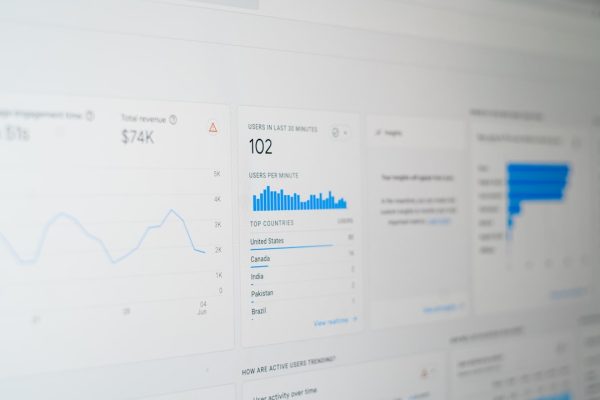
- Organic traffic: Total visits from organic search, tracked in Google Analytics. Segment by landing page to see which pages drive the most organic traffic.
- Conversion tracking: Set up conversions for key actions — reservation form submissions, click-to-call, direction clicks, and online ordering. This connects SEO traffic to business outcomes.
- Keyword rankings: Track rankings for your target keywords (cuisine + location, specific dishes, dining occasions) using tools like Semrush, Ahrefs, or Google Search Console.
- Local Pack appearances: Monitor how often your restaurant appears in the Local Pack for target searches. Tools like BrightLocal and Whitespark specialise in local rank tracking.
Revenue attribution
The ultimate measure is revenue influenced by SEO. While exact attribution is challenging for restaurants (a diner who finds you through Google may walk in without clicking any trackable link), you can approximate by tracking reservation source data, asking new customers how they found you, and monitoring revenue trends alongside organic traffic growth. Over time, the correlation between SEO investment and revenue growth becomes clear.
Frequently Asked Questions
How long does it take for a new restaurant to rank on Google?
A new restaurant can appear in Google Maps and local search results within one to two weeks of setting up and verifying a Google Business Profile. However, ranking competitively in the Local Pack for popular search terms typically takes three to six months of consistent optimisation — regular posting, review generation, citation building, and website SEO. Established restaurants with years of review history and online presence have a natural advantage, but new restaurants with focused SEO effort can close the gap faster than most expect.
Should restaurants invest in paid ads or SEO first?
For a new restaurant that needs immediate visibility, paid ads (Google Ads, social media ads) provide instant traffic while SEO builds momentum. For an established restaurant with an existing online presence, SEO typically delivers better long-term ROI because the traffic is sustained without ongoing ad spend. The ideal approach is both — paid ads for immediate reach and SEO for compounding organic growth. If budget forces a choice, start with Google Business Profile optimisation and review management (both free) while investing any remaining budget in targeted local ads.
How important are food delivery platform listings for restaurant SEO?
Food delivery platforms (GrabFood, Deliveroo, foodpanda) do not directly influence your Google search rankings. However, they serve as citation sources that reinforce your NAP consistency, and they often rank on the first page themselves for restaurant-related searches. Having accurate, well-optimised listings on delivery platforms ensures you are visible across all the places diners search — not just Google. Treat delivery platforms as a complementary channel, not a replacement for direct SEO efforts.
Do social media profiles help restaurant SEO?
Social media profiles do not directly impact Google search rankings. However, they contribute indirectly in several ways: they serve as citation sources for NAP consistency, they drive branded searches (which signal relevance to Google), they generate traffic to your website, and they provide additional platforms for review and reputation management. An active Instagram account that generates buzz about your restaurant can lead to more branded searches, more website visits, and more Google reviews — all of which strengthen your SEO.
What is the most common SEO mistake restaurants in Singapore make?
The most common mistake is using image-based or PDF menus instead of HTML text menus on their website. This single issue prevents Google from understanding what dishes the restaurant serves, which means the restaurant cannot rank for dish-specific or cuisine-specific searches. The fix is straightforward — create a text-based menu page with descriptions — but the impact on search visibility can be dramatic. The second most common mistake is neglecting Google Business Profile maintenance, particularly keeping hours updated and responding to reviews consistently.