Employer Brand Content: Stories, Videos and Posts That Showcase Your Culture
Table of Contents
- Why Employer Brand Content Matters
- Content Types That Resonate With Candidates
- Storytelling Framework for Employer Branding
- Video Content for Employer Branding
- Social Media Content That Builds Your Talent Brand
- Building an Employer Brand Content Calendar
- Distribution Channels and Amplification
- Frequently Asked Questions
Why Employer Brand Content Matters
An effective employer brand content strategy is the bridge between your employer value proposition and the candidates you want to attract. Without compelling content, even the strongest EVP remains invisible. In Singapore’s competitive talent market, companies that consistently produce authentic, engaging employer brand content gain a significant advantage in attracting and retaining top professionals.
Candidates consume content throughout their decision-making journey. From the moment they first hear about your company to the day they accept an offer, they are forming impressions based on the content they encounter. A single compelling employee story can be the tipping point that turns a passive browser into an active applicant.
Employer brand content also serves an internal purpose. When employees see their stories and experiences shared publicly, it reinforces their connection to the organisation. It validates their choice to work at your company and strengthens their sense of belonging, which in turn improves retention.
This content work should be integrated with your broader digital marketing strategy to ensure maximum reach and impact. The same principles that make customer-facing content effective, such as relevance, authenticity, and consistency, apply equally to employer brand content.
Content Types That Resonate With Candidates
Different content types serve different purposes in the candidate journey. A well-rounded employer brand content strategy includes a mix of formats that collectively tell your story.

Employee testimonials are the cornerstone of employer brand content. Written quotes, video interviews, and social media posts from real employees carry more credibility than any corporate message. Feature employees from diverse roles, backgrounds, and tenure levels to give a comprehensive picture.
Day-in-the-life content provides a realistic preview of working at your company. Walk through a typical day for different roles, including the challenges, the highlights, and the routines. This format helps candidates imagine themselves in the role and reduces the uncertainty that comes with changing jobs.
Behind-the-scenes content pulls back the curtain on your company culture. Share photos and videos from team events, office spaces, hackathons, learning sessions, and casual moments. In Singapore, where many workplaces share similar physical environments, cultural content is what creates differentiation.
Career journey stories trace an employee’s growth within your organisation. These stories are particularly compelling for candidates evaluating long-term career potential. Showing how someone progressed from a junior role to a leadership position demonstrates your commitment to development.
Company news and milestone content signals growth and momentum. Announcements about new clients, product launches, awards, and expansions attract candidates who want to join a company on an upward trajectory.
Thought leadership content from your team positions your company as an industry leader. Blog posts, conference talks, and LinkedIn articles from your employees demonstrate expertise and attract candidates who want to work alongside knowledgeable professionals. Strong content marketing practices ensure this content reaches the right audience.
Storytelling Framework for Employer Branding
Effective employer brand content follows storytelling principles that create emotional connection and memorability. A structured framework ensures your stories are consistently compelling.
The hero of every employer brand story should be the employee, not the company. Candidates identify with people, not logos. Centre your stories around individuals, their motivations, challenges, and achievements. Let the company serve as the setting that enabled their growth and success.
Follow the challenge and resolution arc. Every compelling story includes a challenge overcome. Perhaps an employee joined with limited experience and grew into a leadership role. Maybe a team faced a seemingly impossible deadline and found an innovative solution. The struggle makes the outcome meaningful.
Include specific details. Vague stories feel generic. Instead of saying our culture is collaborative, describe a specific moment when cross-functional collaboration led to an unexpected breakthrough. Specificity creates credibility and memorability.
Authenticity is paramount. Candidates are sophisticated consumers of content and can detect manufactured stories quickly. Work with employees to capture their genuine experiences rather than scripting messages that align with corporate talking points.
Connect individual stories to broader themes from your employer value proposition. Each piece of content should reinforce one or more pillars of your EVP. Over time, these stories collectively build a rich, multi-dimensional picture of your employer brand.
In Singapore’s multicultural context, ensure your stories reflect the diversity of your workforce. Feature employees from different backgrounds, departments, and seniority levels. This not only strengthens your diversity and inclusion branding but also broadens the range of candidates who can see themselves at your company.
Video Content for Employer Branding
Video is the most engaging format for employer brand content. It captures personality, energy, and emotion in ways that text and images cannot. In Singapore, where video consumption across social media platforms is high, investing in employer brand video pays dividends.

Employee interview videos are the most versatile format. A sixty to ninety second video of an employee sharing why they love their job, what they have learned, or what surprised them about the company creates an immediate connection. Keep production quality professional but not overly polished. A slightly raw, genuine feel outperforms slick corporate videos.
Office tour videos give candidates a visual sense of the work environment. Walk through your office space, highlighting unique features, collaboration areas, and team zones. In Singapore, where many companies are based in commercial buildings, focus on what makes your specific space distinctive.
Event recap videos capture the energy of company events. Hackathons, team outings, learning days, and celebrations are all excellent video opportunities. These short recaps can be shared across social media platforms to generate awareness and engagement.
Day-in-the-life videos follow an employee through their workday. These longer-format videos, typically three to five minutes, provide a comprehensive view of the role and culture. They are particularly effective for technical roles where candidates want to understand the specific work they would be doing.
Founder or CEO message videos add a personal touch from leadership. A brief video from your CEO talking about the company’s vision, values, and commitment to employees adds credibility and signals that leadership is accessible and engaged.
Short-form vertical videos for platforms like Instagram Reels and TikTok reach younger candidates. Quick, engaging clips of office culture, team moments, and work highlights perform well on these platforms and can reach audiences that traditional recruitment channels miss. Pair these with your social media marketing strategy for maximum distribution.
Social Media Content That Builds Your Talent Brand
Each social media platform has its own culture and content expectations. Effective employer brand content is adapted for each platform while maintaining a consistent core message.
LinkedIn is the primary platform for professional employer branding in Singapore. Content here should maintain a professional tone while still being personal and engaging. Employee spotlights, career milestones, company achievements, and thought leadership articles perform well. Your approach to LinkedIn employer branding should be strategic and consistent.
Instagram serves as a visual window into your culture. Use a curated mix of office photos, team event highlights, employee takeover stories, and culture-focused reels. Maintain a visual consistency that reflects your brand identity while keeping content approachable and authentic.
TikTok reaches younger candidates who may not be active on LinkedIn. Trending audio, workplace humour, and quick culture snapshots work well. Be prepared for TikTok’s faster content cycle and more casual tone. Authenticity matters more than production value on this platform.
Twitter or X is useful for sharing company news, engaging with industry conversations, and amplifying employee achievements. Its real-time nature makes it suitable for live event coverage and immediate reactions to industry developments.
Consider leveraging employee-generated content across all platforms. When employees share their experiences organically, it extends your reach and adds layers of authenticity that corporate accounts cannot replicate.
Building an Employer Brand Content Calendar
Consistency is the difference between effective employer brand content and sporadic efforts. A content calendar provides the structure needed to maintain regular publishing across platforms.
Map your content to a monthly theme framework. Dedicate each month to a specific aspect of your employer brand, such as career development in January, diversity and inclusion in February, and innovation in March. Themes provide focus while allowing variety within each month.
Plan around key dates and events. In Singapore, this includes public holidays, industry conferences, company anniversaries, and seasonal hiring patterns. National Day, for example, is an opportunity for content celebrating your Singapore team and national identity.
Balance content types throughout the week. A sample weekly cadence might include an employee spotlight on Monday, a company update on Wednesday, and a behind-the-scenes post on Friday. This variety keeps your content fresh and caters to different audience preferences.
Build a content backlog. Create content in batches so you always have a reserve. This prevents gaps during busy periods and allows you to maintain consistency even when internal resources are stretched. Hiring a branding specialist can help you develop templates and processes that streamline content creation.
Leave room for spontaneous content. While planning is important, some of the best employer brand content is captured in the moment. Encourage employees to share photos and stories from memorable moments, and be ready to publish timely content that captures genuine experiences.
Distribution Channels and Amplification
Creating great content is only half the battle. Ensuring it reaches the right audience requires a deliberate distribution strategy.
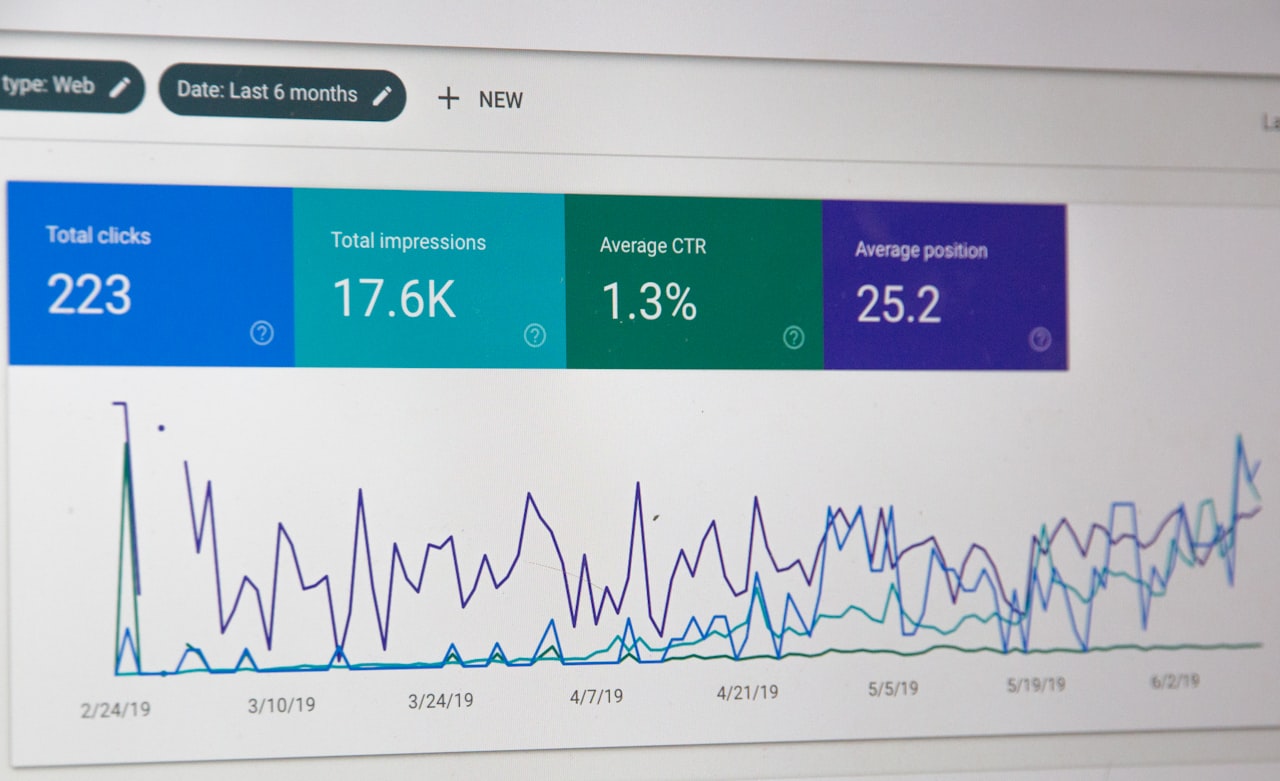
Organic distribution through your company’s social media channels provides the foundation. Optimise posting times for Singapore audiences, typically weekday mornings and lunch hours for LinkedIn, and evenings for Instagram and TikTok.
Employee sharing amplifies reach significantly. Each employee who shares a company post extends visibility to their personal network. For a company with one hundred employees, each with an average of five hundred connections, the potential reach dwarfs your company page followers.
Email newsletters keep your employer brand top of mind with passive candidates. Build a talent community email list through your careers page and send monthly updates featuring new content, open positions, and company news.
Paid promotion extends reach to targeted audiences who do not follow your channels. LinkedIn Sponsored Content, Instagram Ads, and Google Display Ads can put your employer brand content in front of specific professional demographics.
Cross-promote across platforms. Share a LinkedIn employee spotlight on Instagram Stories with a link to the full post. Post a snippet of a YouTube video on TikTok. Each platform drives traffic to others, creating a connected ecosystem.
Embed employer brand content on your website beyond the careers page. Blog posts, about pages, and even customer-facing content can include employer brand messages that reach a broader audience. Strengthen this approach with SEO services to ensure your content is discoverable through search.
Frequently Asked Questions
How much should we budget for employer brand content?
Budget varies by company size and ambition. A basic programme with in-house content creation might cost between two thousand and five thousand dollars per month. A comprehensive programme with professional video production, paid distribution, and agency support may range from ten thousand to twenty thousand dollars monthly.
Can we create effective employer brand content in-house?
Yes. Many of the most effective employer brand content types, such as employee testimonials, behind-the-scenes photos, and social media posts, can be created with a smartphone and basic editing skills. Professional video production adds polish for key pieces, but authenticity often matters more than production value.
How do we get employees to participate in content creation?
Make participation easy and rewarding. Provide clear guidelines, reduce friction through simple processes, and recognise employees who contribute. Share the impact of their content, such as engagement numbers and applicant feedback. Never force participation, as reluctant participants produce inauthentic content.
What content types perform best for employer branding?
Employee stories consistently outperform other content types across platforms. Video content generates the highest engagement. Career journey stories and behind-the-scenes content also perform well. The key is authenticity, regardless of format, genuine content resonates more than polished corporate communications.
How often should we publish employer brand content?
On LinkedIn, aim for three to five posts per week. On Instagram, two to four posts plus daily Stories. On TikTok, three to five videos per week. Consistency matters more than volume. Find a sustainable cadence and maintain it.
Should employer brand content be different from our regular marketing content?
Yes. While both should be aligned with your overall brand identity, employer brand content focuses on the employee experience, culture, and career opportunities. It is typically more personal, informal, and people-centric than product or service marketing content.
How do we maintain content quality while scaling production?
Develop templates, guidelines, and a review process. Create a style guide specific to employer brand content. Train multiple team members to create content so production is not bottlenecked on one person. Use tools that streamline scheduling, editing, and publishing.
How do we measure the effectiveness of our employer brand content?
Track engagement metrics including likes, shares, comments, and click-throughs across platforms. Measure traffic from content to your careers page and track application conversion rates. Survey candidates about where they first learned about your company and what influenced their decision to apply. Review our comprehensive guide to employer branding metrics for a full measurement framework.