Table of Contents
- What Is Email Segmentation and Why It Matters
- Segmentation Criteria That Actually Work
- Behavioural Segmentation for Higher Engagement
- Demographic and Firmographic Segments
- Lifecycle Stage Segmentation
- Implementing Segmentation in Your Email Platform
- Advanced Segmentation Strategies
- Frequently Asked Questions
What Is Email Segmentation and Why It Matters
Email segmentation is the practice of dividing your email list into smaller groups based on shared characteristics, then sending targeted messages to each group instead of blasting the same email to everyone. The principle is straightforward: different people have different needs, interests and relationships with your brand, and a one-size-fits-all approach wastes the potential of email marketing.
The performance difference between segmented and unsegmented campaigns is substantial. Segmented email campaigns consistently produce higher open rates, higher click-through rates, lower unsubscribe rates and significantly more revenue per email than mass sends. Mailchimp’s data shows that segmented campaigns generate 100 per cent more clicks than non-segmented campaigns. For Singapore businesses with limited list sizes, segmentation maximises the value of every subscriber.
Segmentation is not about creating complexity for its own sake. It is about relevance. When a subscriber receives an email that directly addresses their specific situation, they engage because the content feels like it was written for them. When they receive a generic message that might be relevant to someone but is not particularly relevant to them, they ignore it. Over time, consistent relevance builds loyalty and drives revenue, while consistent irrelevance drives unsubscribes. Effective segmentation is what transforms a basic email list into a strategic email marketing asset.
Segmentation Criteria That Actually Work
Not all segmentation criteria produce meaningful results. The best segments are based on differences that genuinely affect what message will resonate with each group. Industry is a powerful B2B segmentation criterion because a marketing message framed for a law firm reads very differently from one framed for a restaurant. Purchase history matters for e-commerce because someone who bought running shoes cares about different products than someone who bought business shirts.
Start with the segmentation criteria that create the most meaningful content differences. If knowing a subscriber’s industry would change what you write to them, segment by industry. If their purchase history would change your product recommendations, segment by purchase behaviour. If their engagement level would change how aggressively you promote, segment by engagement. Only create segments when the resulting content differences are substantial enough to justify the additional effort.
Avoid over-segmentation, especially with smaller lists. If your list has 2,000 subscribers, creating 20 segments of 100 people each makes most campaigns statistically insignificant and operationally burdensome. Start with two to four high-impact segments and add more as your list grows and your data matures. The goal is meaningful personalisation, not micro-targeting that makes campaign management impossible.
Combine criteria for more precise targeting when your list supports it. A segment of “e-commerce businesses in Singapore that have engaged with our content in the last 30 days” is more actionable than a segment of “all Singapore businesses.” However, each additional criterion reduces the segment size, so ensure your combined segments are still large enough to warrant dedicated content.
Behavioural Segmentation for Higher Engagement
Behavioural segmentation groups subscribers based on their actions: what they have clicked, downloaded, purchased, browsed or engaged with. This is the most powerful form of segmentation because behaviour reveals intent. A subscriber who clicked on three articles about Google Ads in the last month is clearly interested in paid search, and sending them targeted Google Ads content will produce stronger results than a generic marketing newsletter.
Email engagement levels create natural segments. Active subscribers who open and click regularly should receive your standard content cadence. Passive subscribers who open occasionally but rarely click may need different subject lines or content formats to re-engage. Inactive subscribers who have not opened in 90 or more days should enter a re-engagement sequence before being removed from your active list.
Website behaviour, when tracked through your email platform’s integration with your website, provides rich segmentation data. Subscribers who visit your pricing page are showing purchase intent and should receive conversion-focused emails. Those who read your blog regularly but have not visited a product or service page may need more educational content to move them closer to a buying decision.
Purchase behaviour is critical for e-commerce segmentation. Segment by purchase frequency (one-time buyers versus repeat customers), average order value (high-value versus standard), product category preferences and time since last purchase. Each of these segments responds to different messaging. A lapsed customer who has not purchased in six months needs a different email than a loyal customer who buys monthly. This kind of targeted approach is what separates effective marketing automation from simple email blasts.
Demographic and Firmographic Segments
Demographic segmentation uses subscriber characteristics like age, gender, location and income level. In Singapore, location segmentation can be useful for businesses with multiple outlets or location-specific offers. A restaurant chain might send different promotions to subscribers near their Orchard Road location versus their Jurong outlet. Gender segmentation helps fashion and beauty brands tailor product recommendations.
Firmographic segmentation is the B2B equivalent: segmenting by company size, industry, revenue, number of employees and job role. These criteria are valuable because they determine what products and services are relevant, what budget levels are realistic and what messaging tone is appropriate. An email about enterprise-level marketing automation resonates with a marketing director at a 500-person company but is irrelevant to a sole proprietor.
Collect segmentation data at the point of sign-up by including one or two optional fields on your registration form. Ask for industry, company size or primary interest alongside the email address. Keep it brief to avoid hurting conversion rates, but even one additional data point can enable meaningful segmentation from the first email.
Enrich your subscriber data over time through progressive profiling. As subscribers interact with your emails and website, collect additional data points. Preference centres allow subscribers to self-select their interests. Surveys and polls within emails can capture information that supports more sophisticated segmentation. Each additional data point makes your segments more precise and your campaigns more relevant.
Lifecycle Stage Segmentation
Lifecycle stage email segmentation groups subscribers based on their relationship with your business: new subscribers, prospects, first-time buyers, repeat customers and at-risk customers. Each stage has different needs, and the emails that nurture someone through one stage differ from those appropriate for another.
New subscribers need a welcome sequence that introduces your brand, sets expectations and delivers immediate value. This is your opportunity to make a strong first impression and establish the engagement patterns that will sustain the relationship. A well-crafted welcome sequence of three to five emails typically produces the highest engagement rates of any automated campaign.
Prospects who have shown interest but have not yet purchased need nurturing content that builds trust and addresses objections. Case studies, testimonials, comparison guides and educational content help prospects evaluate your offer and move toward a purchase decision. The content should demonstrate expertise without being overtly salesy, building confidence in your ability to deliver results.
Existing customers need different content entirely. Post-purchase emails should focus on helping customers get maximum value from their purchase, introducing complementary products and encouraging referrals. Repeat customers deserve loyalty recognition, exclusive offers and early access to new products. At-risk customers who have not purchased recently need re-engagement campaigns that remind them of your value and give them a reason to return.
Implementing Segmentation in Your Email Platform
Most modern email platforms, including Mailchimp, ActiveCampaign, HubSpot and ConvertKit, support segmentation through tags, custom fields and dynamic segments. Tags are labels you apply to subscribers based on their actions or characteristics. Custom fields store specific data like industry, company size or purchase history. Dynamic segments automatically update as subscribers meet or no longer meet the segment criteria.
Set up your segmentation architecture before you start building campaigns. Define your segments, determine what data you need for each one and identify where that data will come from: sign-up forms, website tracking, purchase data imports or manual tagging. Having a clear plan prevents the disorganised tag soup that many businesses create when they add segmentation ad hoc.
Automate segment assignment wherever possible. Use your email platform’s automation features to tag subscribers based on email clicks, website visits, form submissions and purchases. Manual tagging does not scale, and relying on it means your segments will always be out of date. Automation ensures subscribers move between segments in real time as their behaviour and characteristics change.
Test your segments before launching campaigns. Send a test email to each segment and verify that the right subscribers are included. Check that your automation rules are working correctly by tracing a few subscribers through the system manually. A segment that includes the wrong subscribers can be worse than no segmentation at all, because it sends the wrong message to people expecting something different. Properly configured segments are a core part of your digital marketing infrastructure.
Advanced Segmentation Strategies
RFM (Recency, Frequency, Monetary) segmentation is a powerful framework for e-commerce businesses. Score each customer based on how recently they purchased, how frequently they buy and how much they spend. Customers with high scores across all three dimensions are your VIPs and deserve premium treatment. Those with declining scores need re-engagement before they lapse entirely.
Predictive segmentation uses data analysis to identify subscribers most likely to take a specific action. By analysing the characteristics and behaviours of subscribers who have previously converted, you can identify similar patterns in unconverted subscribers and target them with conversion-focused campaigns. Some email platforms now include built-in predictive features, while others require integration with external analytics tools.
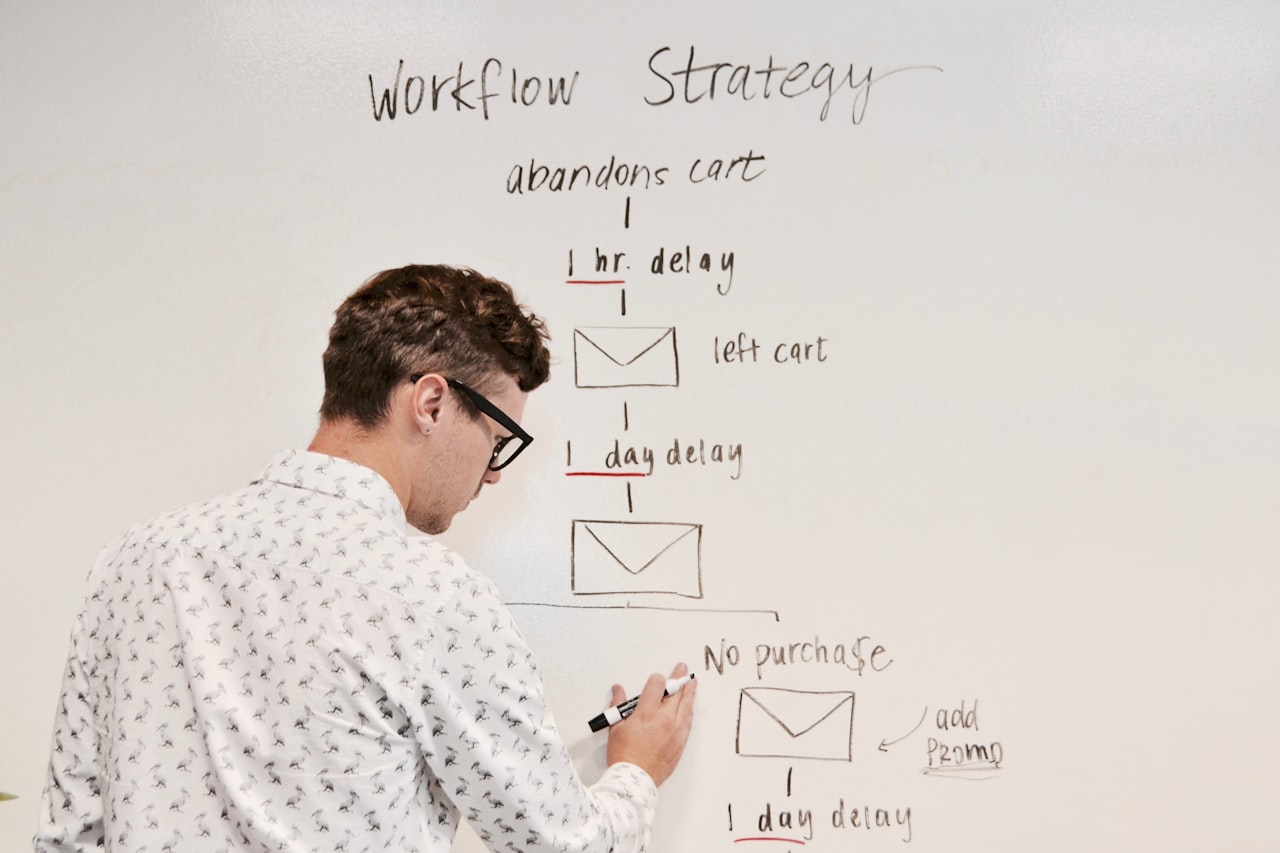
Event-triggered segmentation creates segments dynamically based on specific events. A subscriber who abandons a shopping cart enters a cart abandonment segment. Someone who views a specific service page three times enters a high-intent segment. A subscriber who opens five emails in a row without clicking enters an engagement-nurturing segment. These real-time segments allow you to respond to subscriber behaviour while the intent is still fresh.
Cross-channel segmentation incorporates data from beyond email. Combine email engagement data with website behaviour, social media interaction, customer support history and sales CRM data to build comprehensive subscriber profiles. A subscriber who has engaged with your Facebook posts, attended a webinar and downloaded a lead magnet is in a very different position from someone who simply subscribed six months ago and has not done anything since. This holistic view enables the most precise and effective segmentation possible, supported by tools like your conversion optimisation platform.
Frequently Asked Questions
How many segments should I start with?
Start with two to four segments based on the criteria that create the most meaningful differences in your messaging. Common starting segments include new subscribers versus existing customers, industry segments for B2B or product interest segments for B2C. Add more segments as your list grows and you have the data and resources to create genuinely different content for each group.
What is the minimum list size for effective segmentation?
Each segment should contain at least 200-500 subscribers to produce statistically meaningful campaign results. If your total list is under 1,000, start with just two segments. As your list grows past 2,000-5,000 subscribers, you can create more granular segments without making individual groups too small to measure effectively.
How do I collect the data needed for segmentation?
Collect basic data at sign-up through optional form fields. Gather behavioural data through email click tracking and website analytics integration. Use preference centres to let subscribers self-select their interests. Import purchase data from your e-commerce platform or CRM. Each data source adds segmentation capabilities without requiring subscribers to fill out lengthy forms.
Should I create different email templates for each segment?
Different templates are not always necessary. Often the same template with different content blocks, subject lines and calls to action is sufficient. Use dynamic content features in your email platform to swap specific sections based on the recipient’s segment. This approach is more efficient than maintaining entirely separate templates for each group.
How often should I review and update my segments?
Review segment definitions quarterly to ensure they still align with your business goals and audience behaviour. Dynamic segments update automatically, but the criteria that define them may need adjustment as your business evolves. Check for segments that have grown too large (indicating the criteria are too broad) or too small (indicating overly restrictive criteria).
Can segmentation reduce my unsubscribe rate?
Yes. Segmentation reduces unsubscribes by ensuring subscribers receive relevant content. People unsubscribe when they receive too many irrelevant emails. By sending targeted content that matches each subscriber’s interests and stage, you give them fewer reasons to leave. Many businesses see a 20-40 per cent reduction in unsubscribe rates after implementing basic segmentation.
What is the difference between segmentation and personalisation?
Segmentation divides your list into groups that receive different content. Personalisation customises individual elements within the email for each recipient (like their name or recent purchase). Both work together: segmentation determines which email a subscriber receives, while personalisation customises the details within that email. Segmentation has a larger impact on overall performance.
How do I segment subscribers I know nothing about?
Start with behavioural segmentation based on how they interact with your emails. Track which links they click, which emails they open and what content topics they engage with. After a few weeks of sending, you will have enough behavioural data to create meaningful segments even without demographic or firmographic data.
Does segmentation work for small email lists?
Yes, even simple segmentation helps small lists. Sending different content to new subscribers versus long-term subscribers, or to customers versus non-customers, improves relevance regardless of list size. Keep your segments broad enough to maintain meaningful group sizes and focus on the one or two criteria that create the biggest difference in your messaging.
What tools do I need for email segmentation?
Most email marketing platforms include built-in segmentation features. Mailchimp, ActiveCampaign, HubSpot and ConvertKit all support tags, custom fields and dynamic segments. For more advanced segmentation, integrate your email platform with your CRM, e-commerce platform and website analytics. The tools you already use likely provide sufficient segmentation capabilities; the challenge is usually implementation rather than technology.