Table of Contents
Why Email Automation Workflows Matter
Email automation workflows allow you to send the right message at exactly the right moment, without manually triggering each email. Instead of broadcasting the same content to your entire list, automated sequences respond to individual subscriber behaviour, delivering personalised experiences at scale. For Singapore businesses juggling limited marketing resources, automation transforms email from a time-consuming chore into a revenue-generating system that works around the clock.
The performance difference between automated and manual emails is significant. Automated emails generate three hundred and twenty per cent more revenue per email than non-automated promotional messages. They also achieve higher open and click-through rates because they are triggered by specific actions, making them inherently more relevant to the recipient.
Automation does not replace strategy; it amplifies it. A poorly designed workflow automates bad experiences. The key is mapping each workflow to a specific moment in the customer journey, crafting messages that serve the subscriber’s needs at that moment, and continuously optimising based on performance data. Combined with a strong email marketing foundation, automation becomes the engine that drives consistent engagement and conversions.
The Welcome Sequence
The welcome sequence is the most important email automation workflows you will build. First impressions set the tone for the entire subscriber relationship. A well-crafted welcome series achieves four to five times higher open rates and five times higher click rates than regular marketing emails.
A typical welcome sequence includes three to five emails sent over seven to fourteen days. The first email, sent immediately after sign-up, should deliver the promised lead magnet or confirm the subscription, thank the subscriber, and set expectations for future communications. This email regularly achieves fifty to sixty per cent open rates, making it prime real estate for establishing your brand voice.
Subsequent emails in the sequence introduce your brand story, share your most valuable content or resources, highlight key products or services, and invite engagement. For B2B businesses, the welcome sequence might guide new subscribers through your best thought leadership content. For e-commerce, it might showcase bestsellers and offer a first-purchase incentive.
Include a preference centre link in your welcome sequence so subscribers can self-select their interests. This data feeds your email segmentation strategy from the very beginning, improving the relevance of all future communications. Under Singapore’s PDPA, giving subscribers control over their communication preferences also demonstrates respect for their consent and data rights.
Lead Nurture Workflow
Lead nurture workflows move prospects from awareness to consideration to decision by delivering increasingly specific content over time. This is particularly important for B2B businesses in Singapore where buying cycles often span weeks or months and involve multiple decision-makers.
Structure your nurture workflow around the buyer’s journey. Early-stage emails share educational content that addresses the prospect’s pain points without pushing a sale. Middle-stage emails introduce your approach, share case studies, and provide comparison frameworks. Late-stage emails present specific solutions, testimonials, and clear calls to action like booking a consultation or requesting a proposal.
The trigger for a nurture workflow can be a lead magnet download, webinar registration, pricing page visit, or any action that signals interest. Each trigger can initiate a different nurture path tailored to the context of that action. Someone who downloaded an SEO guide should receive SEO-focused nurture content, not generic marketing emails.
Set appropriate delays between emails. Sending daily emails to a prospect who downloaded a whitepaper feels aggressive. For most B2B nurture sequences, three to five day gaps between emails strike the right balance between staying top of mind and respecting the prospect’s inbox. Monitor engagement signals and use branching logic to accelerate or slow the sequence based on individual behaviour.
Cart and Browse Abandonment Recovery
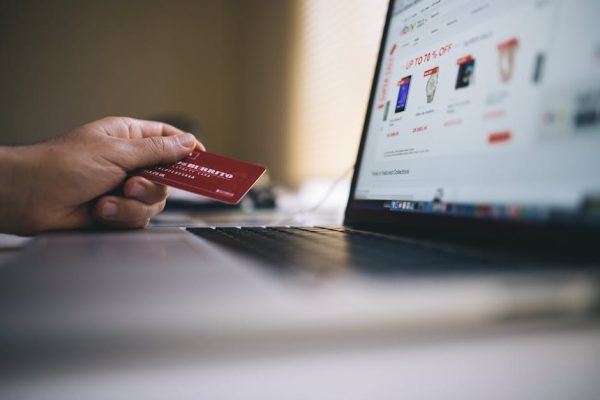
Cart abandonment emails recover revenue that would otherwise be lost. With Singapore’s online shopping cart abandonment rate hovering around seventy to seventy-five per cent, these workflows represent one of the highest-ROI automation opportunities for e-commerce businesses.
A three-email cart abandonment sequence typically works best. The first email, sent one to two hours after abandonment, is a simple reminder that items are waiting. The second email, sent twenty-four hours later, adds urgency or social proof such as “selling fast” or customer reviews. The third email, sent forty-eight to seventy-two hours later, may include an incentive like free shipping or a small discount to close the sale.
Browse abandonment workflows target visitors who viewed products or service pages but did not add anything to their cart. These emails are softer than cart abandonment messages, typically featuring personalised product recommendations based on what the visitor browsed, along with educational content like buying guides or comparison articles. They work particularly well when integrated with your website tracking and product recommendation engine.
Always include a clear path back to the cart or product page. Reduce friction by pre-loading the cart contents so the subscriber can complete their purchase with minimal effort. For service businesses, the equivalent workflow triggers when a prospect visits a pricing or services page without making an enquiry, sending a follow-up email with relevant case studies or a consultation offer.
Post-Purchase and Onboarding Sequence
Post-purchase emails transform one-time buyers into repeat customers. The period immediately after a purchase is when customer engagement and goodwill are highest, making it the ideal time to deepen the relationship.
For e-commerce, a post-purchase sequence typically includes an order confirmation, shipping notification, delivery follow-up, product care or usage tips, a review request, and a cross-sell recommendation. Space these over two to four weeks depending on the product type and delivery timeline.
For service businesses, the onboarding sequence sets expectations, provides initial guidance, and ensures the new client feels supported. An agency might send a “What to expect in your first 30 days” email, followed by a checklist of information needed, an introduction to the team, and a check-in email after the first milestone. This reduces client anxiety and minimises early-stage support requests.
The review request email is strategically important. Send it when the customer has had enough time to experience the product or service but the purchase is still fresh. For physical products, this is typically seven to fourteen days after delivery. For services, it is after the first significant deliverable or result. These reviews feed your review management strategy and provide social proof that supports future marketing efforts.
Re-Engagement Workflow
Every email list experiences natural attrition. Subscribers lose interest, change jobs, or simply get overwhelmed by inbox volume. A re-engagement workflow is your last attempt to win back inactive subscribers before removing them from your active list.
Trigger the re-engagement workflow when a subscriber has not opened or clicked any email in sixty to ninety days. The sequence typically includes two to three emails over two weeks. The first email acknowledges the inactivity directly: “We noticed you haven’t opened our emails recently. Here’s what you’ve missed.” The second email offers a compelling reason to stay, such as exclusive content or a special offer.
The final email in the sequence should be a clear “stay or go” message. “We want to respect your inbox. Click here to stay subscribed, or we’ll remove you from our list in 7 days.” This direct approach often generates surprisingly strong engagement because it creates a genuine moment of decision for the subscriber.
Remove subscribers who do not respond to the re-engagement sequence. This improves your sender reputation, reduces costs if you pay per subscriber, and ensures your engagement metrics accurately reflect your active audience. A clean list supports better marketing automation performance across all your workflows.
Building and Optimising Your Workflows
Start with your highest-impact workflow and build from there. For most businesses, the welcome sequence and cart or lead abandonment workflow generate the most immediate revenue. Once these are performing, add post-purchase, nurture, and re-engagement workflows.
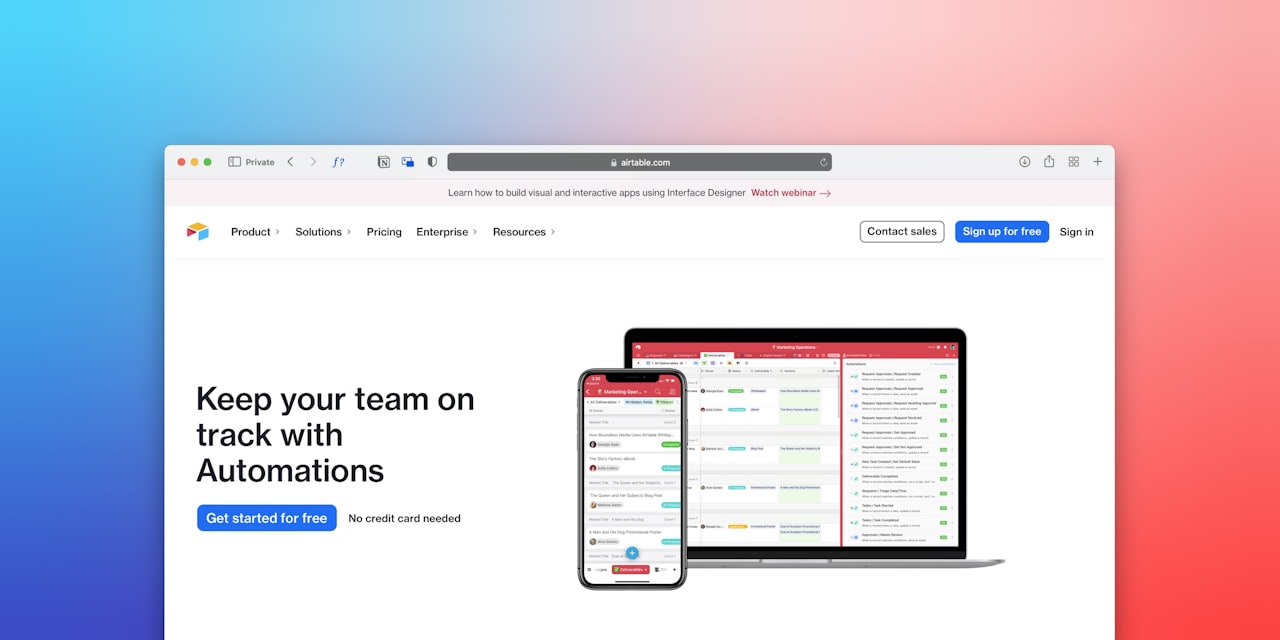
Map each workflow visually before building it in your email platform. Document the trigger, each email in the sequence, the delay between emails, any branching conditions, and the goal or exit condition. This prevents the common problem of overlapping workflows sending conflicting messages to the same subscriber.
Set frequency caps to prevent automation overload. A subscriber who triggers three workflows simultaneously should not receive six emails in one day. Most platforms allow you to set global sending limits and prioritise certain workflows over others. Welcome and transactional emails should take priority over promotional automations.
Review workflow performance monthly. Track open rates, click rates, and conversion rates for each email in each sequence. Identify underperforming emails and test alternative subject lines, content, or timing. Small improvements to automated emails compound over time because they affect every subscriber who enters the workflow from that point forward.
Frequently Asked Questions
How many email automation workflows should a small business have?
Start with three: a welcome sequence, an abandonment recovery workflow (cart for e-commerce, lead for services), and a post-purchase or onboarding sequence. These cover the highest-impact moments in the customer journey and can be built within a few days.
What email platform is best for automation in Singapore?
ActiveCampaign offers the most flexible automation builder for SMEs. HubSpot is ideal if you need CRM integration. Mailchimp suits businesses that want simplicity with basic automation. Klaviyo is the top choice for e-commerce automation. All are PDPA-compliant when configured correctly.
How long should a welcome sequence be?
Three to five emails over seven to fourteen days is standard. The first email should arrive immediately. Subsequent emails should be spaced two to three days apart. Monitor engagement after each email and shorten or extend the sequence based on where subscribers drop off.
Can I use automation for PDPA-compliant consent management?
Yes. Automation can send consent renewal emails, manage preference centre updates, and automatically suppress subscribers who withdraw consent. This is particularly useful for ensuring ongoing compliance as PDPA requirements evolve.
How do I prevent workflow conflicts?
Use suppression rules and priority settings. If a subscriber is in a welcome sequence, suppress other marketing automations until the welcome series completes. Set daily sending limits per subscriber and prioritise transactional and welcome emails over promotional workflows.
What metrics should I track for each workflow?
Track completion rate (how many subscribers finish the full sequence), conversion rate (how many take the desired action), revenue generated, and drop-off points (where subscribers stop engaging). Compare these against non-automated email benchmarks to quantify the impact.
How often should I update my automated workflows?
Review and optimise quarterly. Update content that references specific dates, promotions, or statistics. Test new subject lines and calls to action. Major structural changes should be informed by at least three months of performance data.
Should I include plain text emails in my workflows?
A mix works well. Plain text emails feel more personal and often perform well for B2B nurture and re-engagement sequences. Designed emails with visuals are better for e-commerce product recommendations and welcome sequences. Test both formats in your workflows.
What is the ideal delay between emails in a nurture sequence?
Three to five days for B2B nurture sequences. One to two days for cart abandonment recovery. Two to three days for welcome sequences. These intervals balance staying top of mind with avoiding inbox fatigue. Adjust based on your audience’s engagement patterns.
How do I measure the ROI of email automation?
Calculate revenue attributed to automated emails (tracked via UTM parameters and conversion tracking), subtract the cost of your email platform and the time spent building and maintaining workflows. Most businesses see positive ROI within the first month of launching their first automated workflow.