Table of Contents
Understanding Customer Acquisition Economics
Every successful e-commerce business must master ecommerce customer acquisition. Without a reliable system for attracting new customers, even stores with exceptional products and branding will stagnate. The challenge is acquiring customers at a cost that allows sustainable profitability.
Customer acquisition cost measures how much you spend to convert a new customer. Calculate it by dividing your total marketing spend by the number of new customers acquired in the same period. If you spend SGD 5,000 on marketing and acquire 100 new customers, your CAC is SGD 50.
CAC must be evaluated against customer lifetime value. If your average customer makes one purchase of SGD 40, a SGD 50 CAC is unsustainable. If your average customer makes five purchases totalling SGD 200 over two years, a SGD 50 CAC delivers excellent returns. Understanding your LTV to CAC ratio is fundamental to making smart acquisition investments.
A healthy LTV to CAC ratio for e-commerce is 3:1 or higher. This means every dollar spent on acquisition returns at least three dollars in customer lifetime revenue. Ratios below 2:1 indicate either your acquisition costs are too high or your retention and repeat purchase rates need improvement.
Different acquisition channels have different economics. Paid ads offer fast, scalable acquisition but at higher costs. Organic channels like SEO and content marketing are slower to build but deliver lower long-term CAC. The most effective strategy combines multiple channels optimised for their respective strengths.
Before investing heavily in acquisition, ensure your store is conversion-ready. Driving traffic to a poorly designed store wastes acquisition spend. Start with solid e-commerce website design and strong branding before scaling traffic.
Paid Search and Shopping Ads
Google Ads captures customers actively searching for products you sell. This high-intent traffic converts at significantly higher rates than any other paid channel, making it the cornerstone of most e-commerce acquisition strategies.

Google Shopping campaigns display your product images, prices and store name directly in search results. Shopping ads account for over 60 percent of e-commerce clicks from Google Ads. Set up a Google Merchant Centre account, connect your product feed and create Shopping campaigns segmented by product category and margin level.
Bid strategically based on product margins. Allocate more budget to high-margin products where you can afford higher cost per click. Use negative keywords aggressively to prevent spending on irrelevant searches. Regularly review search terms reports to identify new negative keywords and discover new keyword opportunities.
Performance Max campaigns expand your reach across Google’s entire network including Search, Shopping, Display, YouTube, Gmail and Discover. These AI-driven campaigns require at least 50 conversions per month to optimise effectively. Start with standard Shopping campaigns and graduate to Performance Max once you have sufficient conversion data.
Brand search campaigns protect your brand name from competitors who bid on your brand terms. Even if you rank organically for your brand name, competitors can appear above you with paid ads. Brand campaigns typically have very low cost per click and high conversion rates.
Remarketing through Google Display and YouTube targets visitors who browsed your store without purchasing. Show them the specific products they viewed or related recommendations. Remarketing keeps your brand visible during the consideration phase and recovers potential customers who were not ready to buy on their first visit.
Our Google Ads management team specialises in e-commerce campaigns that deliver measurable return on ad spend for Singapore online stores.
Paid Social Media Advertising
Social media advertising reaches potential customers who are not actively searching for your products but match your target audience profile. It is ideal for product discovery, brand awareness and driving impulse purchases.
Meta Ads across Facebook and Instagram remain the most versatile social advertising platform for e-commerce. Use catalogue sales campaigns with dynamic product ads that automatically show relevant products to users based on their browsing behaviour. Lookalike audiences modelled on your existing customers find new prospects with similar characteristics.
Structure your Meta campaigns in a three-tier funnel. Top-of-funnel campaigns reach broad audiences with engaging brand content and best-selling products. Middle-of-funnel campaigns retarget users who engaged with your content or visited your website. Bottom-of-funnel campaigns show specific products to users who added items to their cart but did not purchase.
TikTok Ads are increasingly effective for e-commerce, particularly for products targeting consumers under 40. Create content that feels native to TikTok rather than polished advertisements. User-generated content style, product demonstrations and before-and-after reveals perform best. TikTok Shop integration allows in-app purchases that reduce friction.
Video creative outperforms static images on all social platforms. Short-form video of 15 to 30 seconds showing your product in use, highlighting key benefits and featuring real customer reactions generates the highest engagement and conversion rates. Produce multiple creative variations and test them to identify top performers.
Set up proper attribution tracking with platform pixels and server-side tracking. iOS privacy changes have reduced pixel accuracy, making server-side tracking through Conversions API essential for accurate campaign optimisation. Without accurate tracking, you cannot properly evaluate which campaigns drive profitable customer acquisition.
Organic Search and Content Marketing
Organic acquisition through SEO and content marketing delivers the lowest long-term cost per acquisition. While it takes months to build, organic traffic becomes a compounding asset that generates customers without ongoing ad spend.
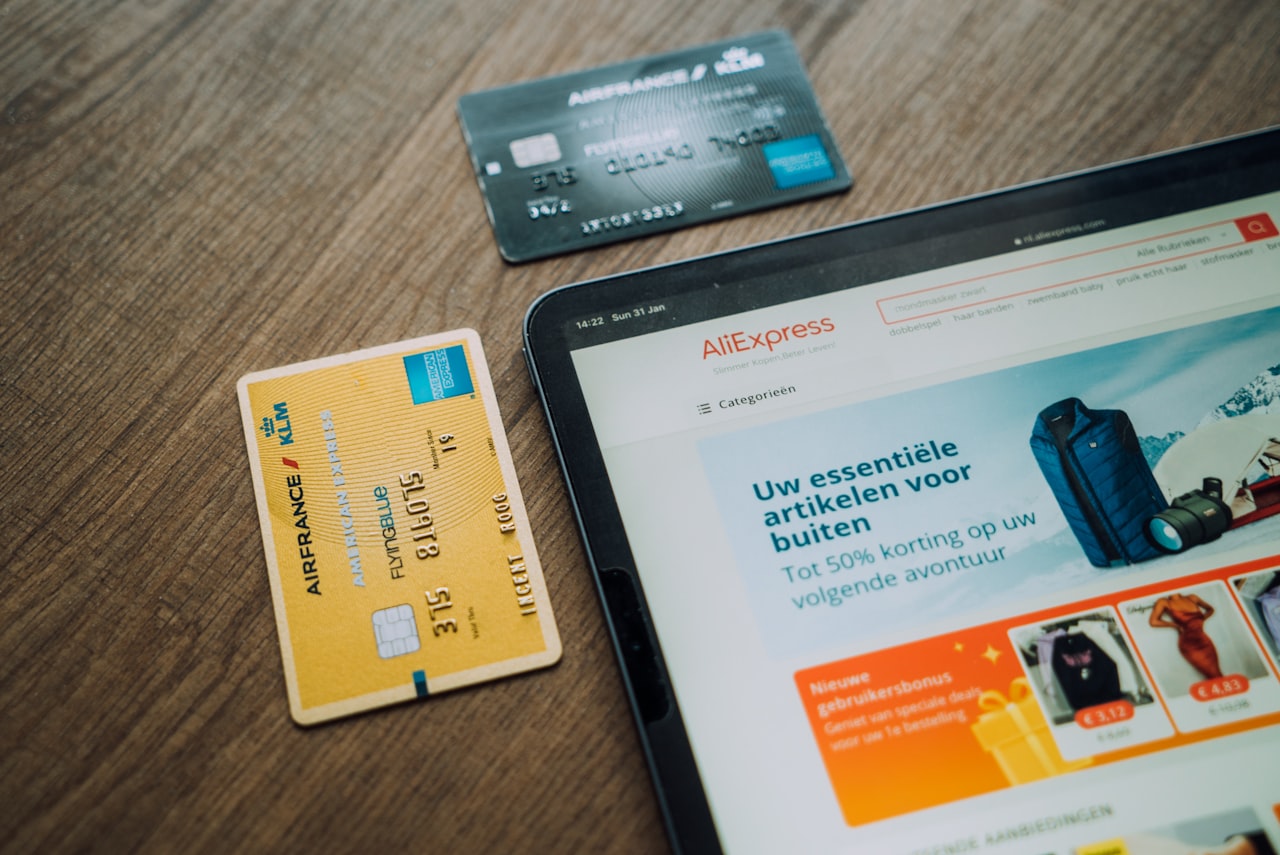
Optimise your product and category pages for commercial keywords. Target terms like “buy [product] Singapore,” “[product category] Singapore,” and specific product names. Each category page should have unique, keyword-optimised title tags, meta descriptions and descriptive content. Technical SEO ensures search engines can crawl and index your pages effectively.
Create informational content that targets the research phase of the buying journey. Buying guides, comparison articles, how-to content and industry roundups attract potential customers before they are ready to purchase. This content builds brand awareness and establishes your store as an authority in your product category.
Product comparison content is particularly valuable for e-commerce. Articles comparing different products in your category, explaining the differences and recommending options based on specific needs capture high-intent traffic from customers actively evaluating their options. These pages convert well because visitors are close to a purchase decision.
Build backlinks to increase your store’s domain authority and improve rankings. Strategies include creating linkable content assets, guest posting on relevant blogs, securing press coverage and building relationships with industry publications. Each quality backlink strengthens your entire site’s ability to rank for competitive keywords.
Leverage our content marketing services and SEO expertise to build an organic acquisition engine that delivers sustainable traffic growth for your e-commerce store.
Influencer and Affiliate Partnerships
Influencer marketing leverages trusted voices to introduce your products to engaged audiences. In Singapore’s social media-driven market, influencer recommendations carry significant purchase influence.
Micro-influencers with 5,000 to 50,000 followers deliver the best return on investment for most e-commerce brands. Their audiences are more engaged and their recommendations feel more authentic than those of mega-influencers. Nano-influencers with 1,000 to 5,000 followers often accept product-only partnerships, making them accessible even on tight budgets.
Select influencers based on audience alignment, not follower count. An influencer with 10,000 followers who are exactly your target demographic is more valuable than one with 500,000 followers whose audience has no interest in your products. Review audience demographics, engagement rates and content quality before partnering.
Structure partnerships for measurable results. Provide unique discount codes and UTM-tagged links so you can track exactly how many visitors, add-to-carts and purchases each influencer generates. Compare performance across influencers to identify your most effective partners for ongoing collaboration.
Affiliate programmes extend your reach beyond traditional influencers. Bloggers, content creators, comparison sites and niche communities can earn commissions for driving sales to your store. Platforms like ShareASale, Impact and local affiliate networks connect you with publishers who can promote your products. Commission rates of 5 to 15 percent are standard for e-commerce affiliate programmes.
Repurpose influencer content across your own marketing channels. Use influencer photos and videos in your paid ads, email campaigns and product pages with appropriate permission. Influencer content often outperforms brand-produced content because it feels authentic and relatable.
Referral and Word-of-Mouth Programmes
Customer referrals are the highest-converting acquisition channel because they come with built-in trust. A recommendation from a friend or family member is more persuasive than any advertisement.
Implement a structured referral programme that rewards both the referrer and the new customer. Dual-sided incentives motivate sharing because both parties benefit. Common structures include “Give SGD 10, Get SGD 10” where the referrer receives credit when their referral makes a purchase and the new customer gets a discount on their first order.
Make referral sharing frictionless. Provide unique referral links and pre-written messages that customers can share via WhatsApp, Telegram, email and social media with a single tap. In Singapore, WhatsApp sharing is particularly effective given the platform’s ubiquity. Display referral programme information prominently in post-purchase emails and on the account dashboard.
Encourage organic word-of-mouth through remarkable customer experiences. Exceptional packaging, surprise gifts, handwritten notes and outstanding customer service create moments worth sharing. These organic recommendations are even more powerful than incentivised referrals because they are entirely genuine.
Leverage customer reviews and user-generated content as acquisition tools. Display reviews prominently on your website, share customer photos on social media and create testimonial content for your ads. Social proof from real customers is one of the most effective conversion tools available to e-commerce businesses.
Community building supports long-term word-of-mouth growth. Create a branded community through Facebook groups, Telegram channels or a dedicated online forum where customers can connect, share experiences and engage with your brand. Engaged community members become natural brand advocates who refer new customers continuously.
Optimising Your Channel Mix
No single acquisition channel is sufficient for sustainable e-commerce growth. The most successful stores build a diversified channel mix that balances short-term performance with long-term brand building.

Allocate your acquisition budget based on your business stage. New stores should invest heavily in paid channels for immediate traffic and sales while simultaneously building organic foundations. Established stores can gradually shift budget toward organic, referral and retention channels as these lower-cost sources mature.
A typical channel allocation for a growing Singapore e-commerce store might be 40 percent to paid search and shopping, 25 percent to paid social, 15 percent to SEO and content, 10 percent to influencer and affiliate and 10 percent to referral and email marketing. Adjust these percentages based on your specific performance data.
Measure each channel’s contribution to both first-touch and last-touch conversions. Social media and content might introduce customers who later convert through a Google search. Attributing the sale only to Google undervalues the role of upper-funnel channels. Use multi-touch attribution models in Google Analytics 4 for a more accurate picture.
Review and rebalance your channel mix monthly. Shift budget toward channels delivering the best LTV-to-CAC ratios and away from underperforming channels. Continuously test new channels and tactics to discover opportunities before competitors saturate them.
Track all your acquisition metrics rigorously. Our guide on e-commerce analytics covers the essential tracking setup for measuring customer acquisition performance across all channels. For hands-on help managing your acquisition channels, explore our digital marketing services.
Frequently Asked Questions
What is a good customer acquisition cost for e-commerce?
A good CAC depends on your product margins and customer lifetime value. As a general benchmark, your CAC should be no more than one-third of your customer lifetime value. For Singapore e-commerce, CAC ranges from SGD 15 to 50 for most product categories, with higher-value products supporting higher acquisition costs.
Which acquisition channel should I start with?
Start with Google Shopping ads if your products have existing search demand. The intent-driven traffic converts at the highest rates. If your product is novel or visual, start with Meta Ads or TikTok Ads that introduce products to target audiences through engaging content. Build SEO and content marketing from day one for long-term compounding returns.
How long does it take for organic channels to deliver results?
SEO typically takes three to six months to generate meaningful traffic and six to twelve months for significant contribution to sales. Content marketing follows a similar timeline. The compounding nature means results accelerate over time, with organic channels often becoming the most cost-effective acquisition source by year two.
How do I reduce my customer acquisition cost?
Improve your website conversion rate so more visitors become customers from the same ad spend. Optimise ad targeting to reduce wasted impressions. Develop organic traffic sources that do not require ongoing ad spend. Implement referral programmes that leverage existing customers. Increase customer lifetime value through retention efforts, which allows you to spend more on acquisition while maintaining healthy ratios.
Should I focus on acquisition or retention?
New stores should prioritise acquisition to build their customer base. Once you have a meaningful number of customers, typically over 1,000, invest increasingly in retention. A balanced approach allocates 60 percent of budget to acquisition and 40 percent to retention for growing stores. Mature stores may flip this ratio as their customer base grows.
How do I measure the effectiveness of influencer marketing?
Provide each influencer with a unique discount code and UTM-tagged link. Track clicks, conversions and revenue attributed to each influencer. Calculate the cost per acquisition and return on investment for each partnership. Compare these metrics across influencers and against your other acquisition channels to determine relative effectiveness.
What is the role of email marketing in customer acquisition?
Email is primarily a retention and conversion channel rather than an acquisition channel. However, email list building through lead magnets, pop-ups and content upgrades captures potential customers who are not ready to buy immediately. Welcome email sequences then nurture these leads toward their first purchase over days or weeks.
How many acquisition channels should I use simultaneously?
Start with two to three channels and master them before expanding. Spreading budget too thin across many channels prevents you from generating sufficient data to optimise any of them. Add new channels one at a time, evaluate performance over at least 30 days and either scale or cut based on results.