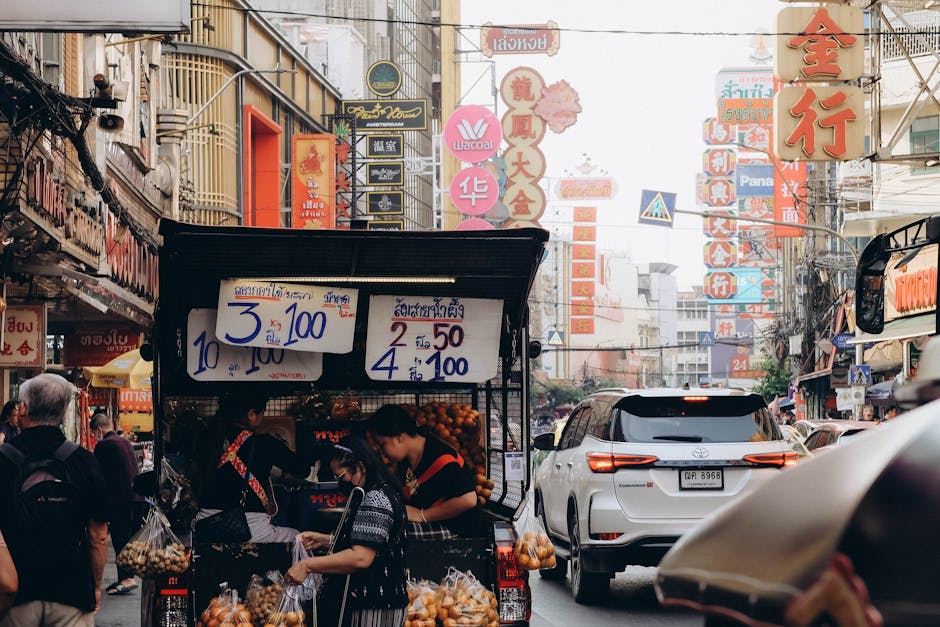
Digital Marketing in Thailand: Channels, Culture and What Singapore Brands Need to Know
Table of Contents
Thailand as a Digital Market
Thailand is ASEAN’s second-largest economy and one of the most digitally connected countries in the region. With a population of approximately 72 million and internet penetration exceeding 85 percent, digital marketing Thailand represents a significant opportunity for Singapore businesses looking to expand regionally. The country’s digital economy is valued at over USD 35 billion and growing steadily. Plan it within marketing across Asia-Pacific rather than market by market.
Bangkok is the commercial centre, home to roughly 15 million people in the greater metropolitan area and accounting for a disproportionate share of digital spending. However, secondary cities like Chiang Mai, Phuket, Pattaya, and Khon Kaen have growing digital populations and lower advertising costs. A Bangkok-first strategy makes sense for most market entrants, with expansion to other regions following initial traction.
Thai consumers are digitally sophisticated and brand-conscious. Unlike some ASEAN markets where price dominates every purchase decision, Thai consumers are willing to pay for quality, brand reputation, and emotional connection. This creates opportunities for Singapore brands with strong positioning and premium products. A well-crafted digital marketing strategy can establish brand credibility quickly in this market.
Platforms That Dominate Thailand
LINE is the single most important platform for marketing in Thailand. With over 53 million users, LINE is not merely a messaging app — it functions as a commerce platform, news source, payment system, and advertising channel. LINE Official Accounts are essential for business communication, and LINE Ads Platform provides sophisticated targeting capabilities. Any serious digital marketing Thailand strategy must include LINE.
Facebook remains the largest social media platform with over 56 million users. Thai consumers use Facebook for news, entertainment, and product discovery. Facebook Groups are particularly active and influential, with niche communities driving purchasing decisions across categories from beauty to electronics. Facebook Marketplace has also gained traction for local commerce.
TikTok has grown rapidly in Thailand and now has over 40 million users. The platform drives significant product discovery, particularly among consumers under 35. TikTok Shop Thailand is operational and growing, creating a direct path from content to purchase. Instagram maintains a strong presence, particularly in fashion, beauty, food, and travel categories.
YouTube is the most-visited website in Thailand after Google. Thai consumers are avid video viewers, and YouTube advertising reaches a massive audience. For brand awareness and educational content, YouTube is an essential channel. Twitter (X) has a dedicated but smaller user base, primarily among urban, educated consumers and is useful for real-time engagement and trending conversations.
Thai Consumer Behaviour and Cultural Factors
Thai culture values politeness, respect, and social harmony. Marketing communications should reflect these values. Aggressive sales tactics, direct comparisons with competitors, and confrontational messaging are culturally inappropriate and will damage brand perception. The Thai concept of kreng jai — consideration for others’ feelings — should inform your communication approach.
Visual aesthetics matter enormously to Thai consumers. Product presentation, packaging design, and creative quality directly influence purchasing decisions. Thai consumers are drawn to visually appealing content and are more likely to engage with well-designed advertisements. Invest in high-quality creative production for the Thai market.
Celebrity and influencer endorsements are exceptionally effective in Thailand. Thai consumers have strong parasocial relationships with celebrities, and endorsements from trusted figures can drive significant sales. Key Opinion Leaders (KOLs) in categories like beauty, fashion, and food wield considerable influence. Budget for influencer partnerships as a core component of your media mix.
Seasonal campaigns around Thai festivals drive major spending. Songkran (Thai New Year, April), Loy Krathong (November), and the King’s birthday are culturally significant periods. International shopping events like 11.11 and 12.12 have also been adopted enthusiastically. Plan promotional campaigns around these dates for maximum impact.
Paid Advertising Strategies for Thailand
Facebook and Instagram Ads offer the broadest reach and most flexible targeting in Thailand. CPMs range from USD 2-6, significantly lower than Singapore. Thai-language ad copy is essential — English-language ads drastically underperform. Use video creative wherever possible, as Thai consumers engage more with video than static images.

LINE Ads Platform provides access to Thailand’s most important messaging app. Targeting options include demographics, interests, and lookalike audiences based on your LINE Official Account followers. LINE advertising is particularly effective for direct response campaigns and driving traffic to your LINE account for ongoing customer relationship management.
Google Ads captures search intent in Thailand, but keyword research must be conducted in Thai script. Google is the dominant search engine, and Thai-language search volume is substantial across most commercial categories. Shopping campaigns work well for e-commerce, and display campaigns on the Google Display Network reach Thai audiences at scale.
TikTok Ads are increasingly important for reaching younger Thai consumers. The platform’s creative tools and algorithm-driven distribution mean that even brands without existing audiences can achieve significant reach. Spark Ads, which boost organic content from influencer partnerships, are particularly effective. Working with a social media marketing agency experienced in ASEAN markets can accelerate your learning curve.
Content and SEO in Thai
Search engine optimisation in Thailand requires Thai-language content. While Google is the dominant search engine, search behaviour in Thailand has nuances. Thai consumers frequently use long, conversational search queries, and voice search adoption is growing. Keyword research tools like Ahrefs and Semrush support Thai keywords, but supplementing with Google Keyword Planner data specific to Thailand provides the most accurate picture.
Content marketing is effective in Thailand but must be culturally adapted. Thai consumers appreciate informative, entertaining content that educates without being patronising. How-to guides, comparison articles, and review content perform well across categories. Blog content in Thai, published on your own domain, builds organic visibility and establishes expertise.
Social media content should be created in Thai by native speakers. Machine translation and even professional translation from English often misses the informal, playful tone that Thai audiences prefer on social platforms. Invest in native Thai content creators who understand platform norms and can produce content that feels authentic rather than translated.
Video content is particularly important for the Thai market. Short-form video on TikTok and Instagram Reels, combined with longer-form content on YouTube, covers the full spectrum of Thai content consumption habits. Product demonstrations, behind-the-scenes content, and customer testimonials all perform well when produced with Thai audiences in mind.
E-Commerce and Social Commerce
Shopee and Lazada are the leading e-commerce platforms in Thailand. Shopee holds the larger market share and is the recommended entry point for Singapore businesses. Both platforms offer cross-border seller programmes that allow you to sell into Thailand without a local entity. Optimise product listings in Thai, offer competitive pricing, and participate in platform-wide campaigns for visibility.
Social commerce is deeply embedded in Thai consumer culture. Selling directly through Facebook, Instagram, and LINE is common and often preferred over traditional e-commerce. Many Thai businesses conduct entire sales processes through LINE chat — from product enquiry to order confirmation to payment. This conversational commerce model may require adapting your sales processes.
PromptPay, Thailand’s national digital payment system, has been widely adopted and simplifies online transactions. TrueMoney Wallet, Rabbit LINE Pay, and credit/debit cards are also popular payment methods. Cash on delivery remains relevant but is declining. Ensure your e-commerce setup supports local payment preferences.
Logistics in Thailand are well-developed compared to other ASEAN markets. Kerry Express, Flash Express, and Thailand Post provide reliable domestic delivery. For cross-border sellers, Shopee and Lazada handle logistics through their own networks. Delivery expectations are high — Thai consumers increasingly expect next-day delivery in Bangkok and two to three day delivery elsewhere.
Regulations and Market Entry
Thailand’s Personal Data Protection Act (PDPA) has been in force since 2022 and mirrors many principles of the GDPR. Businesses collecting data from Thai consumers must obtain consent, provide privacy notices, and implement appropriate security measures. Marketing communications require opt-in consent, and consumers have the right to access, correct, and delete their data.
Advertising regulations in Thailand are enforced by the Office of the Consumer Protection Board and the Food and Drug Administration for regulated products. Comparative advertising is restricted, and all advertising claims must be substantiated. Health products, supplements, and cosmetics face particularly strict advertising requirements.
The Foreign Business Act restricts foreign ownership in certain business categories. Most service businesses require a Thai-majority entity or a Foreign Business Licence. However, cross-border e-commerce selling through marketplace platforms is generally exempt from these restrictions, making marketplace entry the simplest path for initial market testing.
Tax implications include VAT at seven percent for businesses with annual revenue exceeding 1.8 million THB from Thai customers. The Revenue Department has been increasing enforcement of digital services tax obligations for foreign businesses. Consult with Thai tax advisors to understand your obligations, particularly if revenue from the Thai market grows significantly.
Frequently Asked Questions
Is LINE really necessary for marketing in Thailand?
Yes. LINE has over 53 million users in Thailand, making it the most used app in the country. It functions as a communication, commerce, and payment platform. Businesses without a LINE presence are missing the primary channel through which Thai consumers interact with brands.
How much does digital advertising cost in Thailand?
Facebook CPMs range from USD 2-6, Google Search CPCs average USD 0.20-0.80 for most categories, and LINE advertising costs are comparable to Facebook. Overall, advertising costs are 40-60 percent lower than Singapore, allowing budgets to stretch further.
Do Thai consumers prefer to buy on marketplaces or brand websites?
Marketplaces dominate e-commerce in Thailand, with Shopee and Lazada accounting for the majority of online transactions. However, social commerce through LINE and Facebook is also significant. Brand websites are most effective for premium and luxury categories where the shopping experience matters.
How important is Thai-language content?
Essential. While some Thai consumers understand English, advertising and content in Thai consistently outperforms English alternatives. Thai-language SEO, ad copy, and social media content are necessary for meaningful reach and engagement in the market.
What are the best product categories for Singapore brands entering Thailand?
Beauty, skincare, health supplements, electronics accessories, and premium food products tend to perform well. Thai consumers perceive Singapore brands as trustworthy and high-quality. Categories where this reputation adds value are the strongest opportunities.
How do I find Thai influencers to work with?
Platforms like Tellscore and Revu connect brands with Thai influencers. Alternatively, work with Thai digital marketing agencies that maintain influencer networks. Start with micro-influencers in your category for cost-effective testing before investing in larger partnerships.
Can I manage Thai marketing campaigns from Singapore?
Paid advertising can be managed from Singapore using Meta, Google, and LINE’s advertising platforms. However, content creation, community management, and customer service should involve native Thai speakers. The one-hour time difference makes coordination straightforward.
What payment methods should I offer for Thai customers?
PromptPay (bank transfer), credit and debit cards, TrueMoney Wallet, and Rabbit LINE Pay are the most popular methods. Cash on delivery is declining but still used. Marketplace platforms handle payments automatically for cross-border sellers.
How long does it take to build brand awareness in Thailand?
Allow three to six months of consistent marketing activity to build meaningful awareness. Thai consumers are brand-conscious and take time to warm to new brands. Influencer partnerships can accelerate this timeline significantly by leveraging established trust.
What mistakes do Singapore brands commonly make in Thailand?
The most common mistakes are using English-only content, ignoring LINE as a channel, applying Singaporean pricing without market adjustment, and underestimating the importance of visual presentation and brand aesthetics in Thai consumer culture.