Digital Marketing in the Philippines: Social Media, E-Commerce and Regional Opportunities
Table of Contents
Why the Philippines Matters for Singapore Businesses
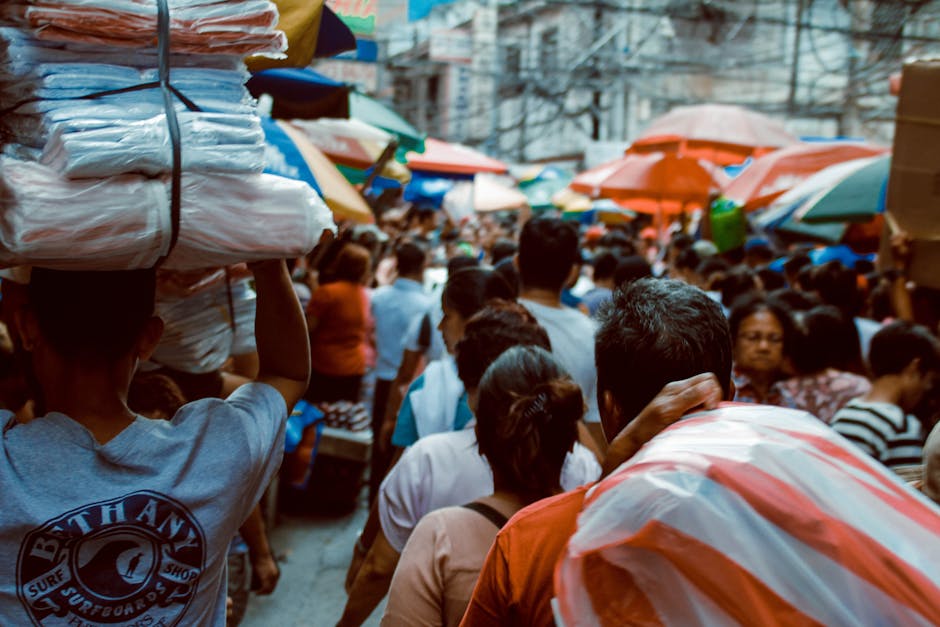
The Philippines is the second most populous country in ASEAN with over 115 million people and one of the most digitally engaged populations in the world. Understanding digital marketing Philippines is essential for any Singapore business with regional growth ambitions. Filipinos spend an average of over four hours daily on social media — the highest in the world — creating unparalleled opportunities for social-first marketing strategies.
The Philippine economy has grown consistently at five to six percent annually, and the middle class is expanding. With a median age of 25, the population is young, aspirational, and highly receptive to digital brands. English proficiency is among the highest in Asia, which significantly reduces the content creation barrier for Singapore businesses accustomed to English-language marketing.
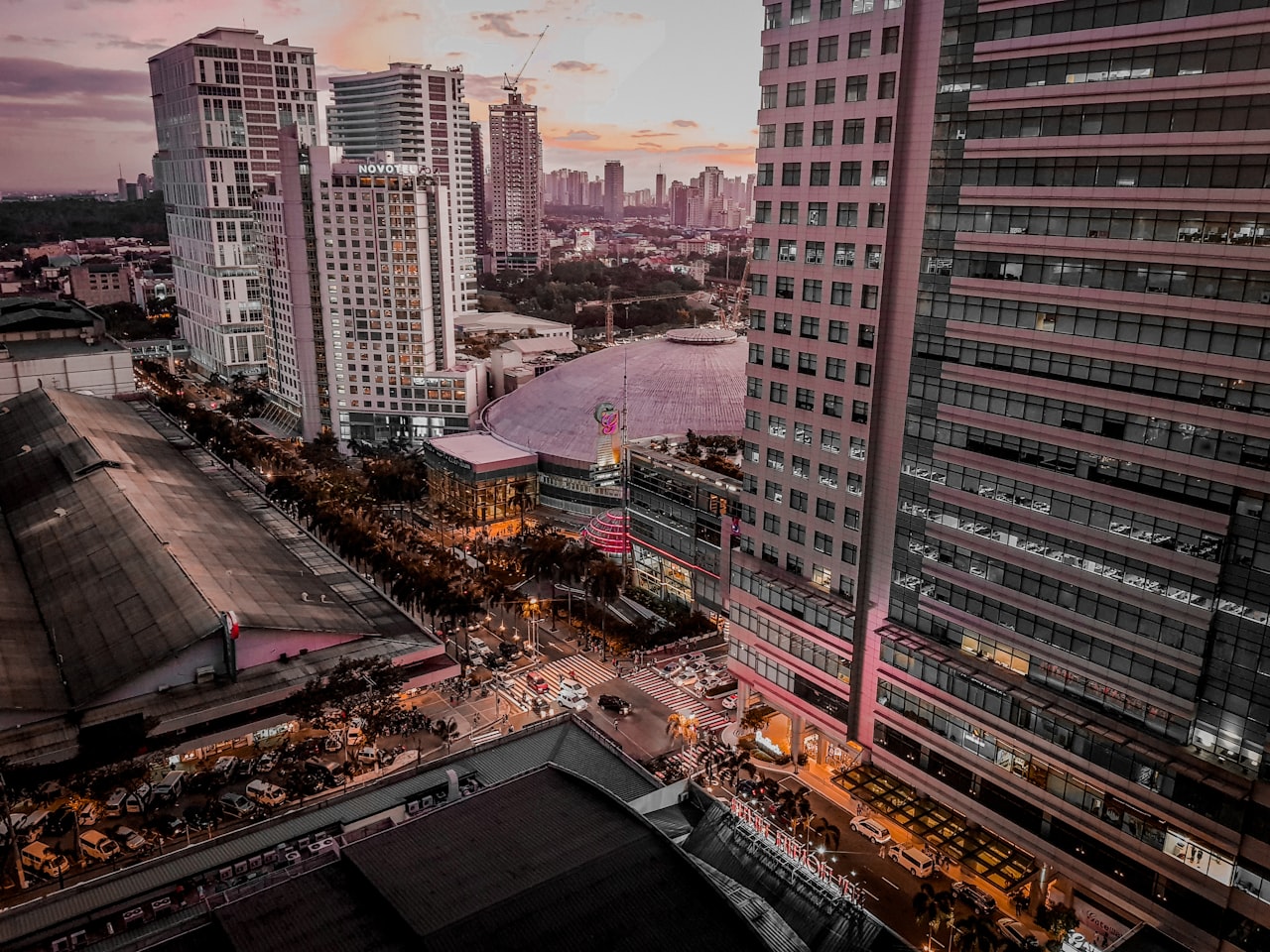
Metro Manila is the primary commercial hub, but Cebu, Davao, and Clark are growing rapidly as secondary economic centres. The Philippines’ archipelago geography creates logistical challenges but also means that digital channels are often the most efficient way to reach consumers across the country. A solid digital marketing strategy can access consumers that traditional distribution channels cannot.
Digital Platforms and Channels
Facebook is the undisputed king of social media in the Philippines. With over 95 million users, it is the first app Filipinos open in the morning and the last they check at night. Facebook is used for everything from personal communication to news consumption to product purchases. Facebook Marketplace, Facebook Groups, and Facebook Shop are all active commerce channels. Any digital marketing Philippines strategy begins with Facebook.
YouTube is the second most popular platform, with Filipinos being among the most avid video consumers globally. Content creators in the Philippines have massive followings, and YouTube advertising reaches a vast audience. Both short and long-form video content perform well, and YouTube Shorts has gained significant traction.
TikTok has grown rapidly with over 50 million Filipino users. The platform drives product discovery, trend adoption, and increasingly direct commerce through TikTok Shop. Instagram is popular among urban, younger demographics and is important for fashion, beauty, food, and lifestyle brands. Twitter (X) has a dedicated user base, particularly for real-time conversations and entertainment.
Messenger is the primary communication channel between businesses and consumers. Filipinos prefer to enquire about products, negotiate prices, and place orders through Facebook Messenger. Businesses that are unresponsive on Messenger lose sales. Automated responses and chatbots can help manage the volume, but personal, friendly communication is expected and valued.
Filipino Consumer Behaviour
Filipino consumers are social, community-oriented, and relationship-driven. Word-of-mouth recommendations from family and friends strongly influence purchasing decisions. Marketing strategies that encourage sharing, referrals, and community participation resonate deeply. User-generated content and customer testimonials are highly effective trust signals.
Price sensitivity is significant but nuanced. Filipinos are willing to save for aspirational purchases and will spend on brands that offer perceived prestige or quality. Promotional events, instalment payment plans, and buy-now-pay-later options can make premium products accessible. Major shopping events like 9.9, 11.11, and 12.12 drive enormous transaction volumes.
Entertainment and humour are integral to effective marketing in the Philippines. Filipinos respond warmly to brands that are fun, relatable, and engaging. Serious, corporate messaging tends to underperform compared to creative that incorporates local humour, trending references, or emotional storytelling. This does not mean being unprofessional — it means being human and approachable.
Filipinos are highly mobile-first. Smartphone penetration is high, and most internet access is through mobile devices. However, mobile data speeds vary, and data plans can be limited. Optimise all digital assets for mobile performance, and consider data-light formats for advertising creative to ensure reach across connectivity conditions.
Paid Advertising Strategies
Facebook Ads are the most effective paid advertising channel in the Philippines. CPMs range from USD 1-3, among the lowest in ASEAN, and the massive user base provides excellent reach. Video ads, carousel ads, and Messenger ads consistently perform well. Target by location (Metro Manila versus provincial), age, interests, and behaviours to optimise campaign performance.
TikTok Ads reach the growing short-video audience with in-feed ads, branded effects, and TikTok Shop promotions. Creative that feels native to the platform performs dramatically better than polished brand content. Work with Filipino content creators for authentic TikTok campaigns that drive both awareness and sales.
Google Ads captures search-intent traffic. Both English and Filipino (Tagalog) keywords are important, as Filipinos search in both languages depending on the topic. Google Shopping campaigns work well for e-commerce, and YouTube advertising provides cost-effective brand awareness. Display campaigns reach Filipino audiences across local news sites and entertainment platforms.
Influencer marketing deserves dedicated budget in any Philippine campaign. Filipino consumers trust influencer recommendations, and the influencer ecosystem is well-developed across all platforms. Micro-influencers with engaged local followings often deliver better ROI than celebrities. Platforms like Kumu, a Filipino live-streaming app, offer additional influencer collaboration opportunities.
E-Commerce and Social Commerce
Shopee is the leading e-commerce platform in the Philippines, followed by Lazada. Both offer cross-border seller programmes for Singapore businesses. Product listings should include both English and Filipino descriptions, detailed specifications, and competitive pricing. Participation in platform campaigns and flash sales is essential for visibility in this promotion-driven market.
Social commerce through Facebook is enormous. Many Filipino businesses operate entirely through Facebook Pages and Messenger, conducting sales through chat, accepting payments via bank transfer or GCash, and shipping through local couriers. This model is so prevalent that some consumers prefer buying through Facebook over marketplace platforms.
GCash is the dominant e-wallet in the Philippines with over 80 million registered users. Maya (formerly PayMaya) is the second largest. Cash on delivery remains significant, particularly outside Metro Manila. Bank transfers and instalment plans through credit cards are also popular. Supporting GCash and COD is essential for maximising conversions in e-commerce.
Logistics is a challenge in the Philippines due to the archipelago geography. Delivery to Metro Manila is straightforward with providers like J&T Express, JRS Express, and LBC. Delivery to Visayas and Mindanao takes longer and costs more. For marketplace sellers, platform-integrated logistics simplify fulfilment. For standalone e-commerce operations, partner with logistics providers that have broad coverage.
Content Marketing and SEO
The Philippines presents a unique advantage for Singapore businesses: English content works. While Filipino-language content performs well for certain demographics, English content reaches a broad audience. Many Filipinos consume content in English and switch between English and Filipino naturally. This reduces the content creation barrier compared to markets like Vietnam, Thailand, or Indonesia.
SEO in the Philippines targets both English and Filipino keywords. English search volume is substantial for commercial and professional topics, while Filipino keywords capture more casual and consumer-oriented queries. A bilingual content strategy captures the broadest audience. Google is the dominant search engine, and standard SEO practices apply.
Video content is the most engaging format for Filipino audiences. YouTube videos, Facebook Live sessions, TikTok content, and Instagram Reels all generate strong engagement. Educational content, product reviews, and entertaining brand content perform particularly well. Live-streaming commerce is growing rapidly, with Facebook Live and TikTok Live driving real-time sales.
Community building through Facebook Groups is a powerful content strategy. Creating or participating in groups related to your product category builds authentic connections with potential customers. Filipino consumers actively seek recommendations from group members and are highly engaged in community discussions. This organic approach complements paid advertising and supports content marketing efforts.
Regulations and Market Entry
The Philippines has the Data Privacy Act of 2012, one of the most comprehensive data protection laws in ASEAN. The National Privacy Commission enforces the law, which requires consent for data collection, mandates data breach notification, and grants consumers rights over their personal data. Businesses marketing to Filipino consumers must ensure compliant data practices.
Advertising regulations are enforced through the Ad Standards Council and various government agencies. Claims must be truthful and substantiated. Specific regulations apply to food, health products, financial services, and alcohol advertising. The Philippines is generally more relaxed than some ASEAN markets regarding advertising content, but compliance with consumer protection laws is essential.
Foreign ownership restrictions exist in certain sectors under the Foreign Investments Act. Retail trade, for example, requires a minimum capital investment for foreign-owned businesses. However, cross-border e-commerce through marketplace platforms is accessible without a local entity. For larger operations, a Philippine entity may be necessary.
Tax considerations include 12 percent VAT for businesses selling to Philippine consumers and corporate income tax for businesses with local operations. The Bureau of Internal Revenue has been expanding its oversight of digital businesses. Consult with Philippine tax advisors to understand your obligations as your revenue from this market grows.
Frequently Asked Questions
What makes the Philippines different from other ASEAN markets?
The Philippines stands out for its exceptionally high social media usage, strong English proficiency, and community-driven consumer culture. Filipino consumers are among the most digitally engaged in the world and are highly receptive to social commerce and influencer recommendations.
Do I need Filipino-language content or is English sufficient?
English content works well for many categories in the Philippines due to high English proficiency. However, Filipino-language and bilingual content (Taglish) often performs better for consumer products, social media, and mass-market campaigns. Test both approaches and optimise based on engagement data.
How much does digital advertising cost in the Philippines?
The Philippines offers some of the lowest digital advertising costs in ASEAN. Facebook CPMs range from USD 1-3, and Google Search CPCs average USD 0.10-0.40 for most categories. These low costs make it feasible to test extensively and scale successful campaigns quickly.
Is GCash really that important?
Yes. GCash has over 80 million registered users and is the most widely used digital payment method in the Philippines. Not offering GCash as a payment option significantly reduces your conversion potential, particularly for younger consumers and those outside Metro Manila.
What is the best e-commerce platform for selling in the Philippines?
Shopee Philippines is the leading marketplace and the recommended entry point. Lazada is a strong second option. Facebook Shop and Messenger-based selling are also significant channels. For premium brands, building a standalone e-commerce site can complement marketplace presence.
How effective is influencer marketing in the Philippines?
Highly effective. Filipino consumers trust influencer opinions and are influenced by recommendations from content creators they follow. The influencer ecosystem is well-developed, and costs are lower than Singapore. Micro-influencers with 10,000-100,000 followers often deliver the best engagement rates.
What are the logistics challenges in the Philippines?
The archipelago geography means delivery times and costs vary significantly by location. Metro Manila deliveries are fast and affordable, but shipping to Visayas and Mindanao takes longer. Use marketplace fulfilment services where possible, and set clear delivery expectations for provincial orders.
Can I target the Philippines from Singapore?
Yes. Advertising platforms like Meta, Google, and TikTok allow targeting of Philippine audiences from Singapore accounts. Marketplace cross-border seller programmes enable selling without a local entity. Community management and customer service in English are feasible from Singapore due to the shared language.
What shopping events should I plan campaigns around?
Major events include 9.9, 10.10, 11.11, 12.12, Christmas season (the Philippines has one of the longest Christmas shopping periods in the world, starting as early as September), Payday sales (twice monthly), and Summer sales in March-May. Plan promotions around these dates for maximum impact.
How long before I see meaningful results in the Philippines?
Marketplace sales can begin within one to two weeks. Social media engagement builds quickly due to the high activity of Filipino users. Brand awareness requires three to six months of consistent activity. The Philippines rewards brands that are present, responsive, and engaged with their community.