Digital Marketing for Beauty & Wellness in Singapore
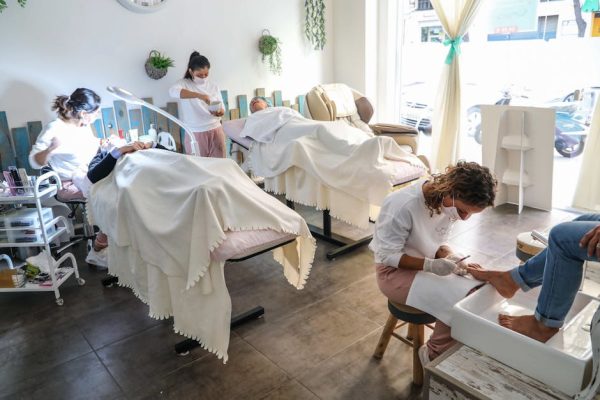
Marketing for the beauty industry in Singapore runs on aesthetic appeal and consumer trust in equal measure. A compelling Instagram grid is nothing without claims that stand up to the Health Sciences Authority’s cosmetics framework and the ASAS advertising code. We help salons, spas, aesthetic clinics, skincare brands and wellness studios grow bookings and product sales while keeping every claim honest and every campaign compliant.
Why Marketing for the Beauty Industry Is Different
HSA Cosmetics & ASAS Code Awareness
Cosmetic products in Singapore are regulated under the HSA’s cosmetic products framework, and advertising must respect the ASAS Singapore Code of Advertising Practice. We draft product claims, before-and-after assets and aesthetic service copy that avoid misleading efficacy language and unverifiable medical benefit claims.
“Results May Vary” Realism
Aesthetic, spa and wellness results differ from customer to customer. We include appropriate “results may vary” framing, realistic treatment expectations and honest timelines — which builds consumer trust and protects your clinic or brand from complaint exposure.
Influencer & UGC Dynamics
Beauty is a UGC-driven category — TikTok demos, Instagram reviews, real-customer photography. We design creator partnerships and user-generated content programmes that comply with disclosure expectations, preserve authentic voice, and avoid exaggerated claim language from collaborators.
Our Process for Beauty & Wellness Digital Marketing
Brand & Claim Audit
We review your product pages, service menus, social content and ad library against HSA cosmetic guidance and the ASAS code — flagging claims that need tightening and identifying visual assets that need refresh.
Channel & Creator Strategy
We plan a channel mix across Instagram, TikTok, Google, influencer collaborations and email — matched to whether the goal is product sales, bookings for in-salon services, or membership growth for a wellness studio.
Execution With Creative Cadence
We produce a steady flow of shoppable Instagram content, TikTok short-form, influencer briefs, Google Shopping feeds and booking-focused landing pages — with creative refreshed every 3-4 weeks to fight creative fatigue.
Bookings & Revenue Reporting
We report cost per booking, product revenue, repeat customer rate, influencer-attributed revenue and review sentiment — giving you a clear read on which treatments, products and creators are driving genuine business, not just likes.
Further Reading
- Beauty Wellness Market Entry Singapore
- Government Grants Beauty Wellness Singapore
- Aesthetic Clinic Marketing Singapore
- Beauty and Aesthetics Marketing in Singapore: The 2026 Playbook
- Beauty Marketing Singapore
- Digital Marketing for Beauty Brands in Singapore: Platforms, Strategies and Examples
Frequently Asked Questions
Cosmetic products are regulated by the Health Sciences Authority (HSA), and all advertising should respect the ASAS Singapore Code of Advertising Practice — including honest efficacy claims, responsible use of before-and-after imagery, and clear disclaimers. We review every campaign against this baseline before launch.
It depends on the treatment. For non-medical beauty services and cosmetic products, yes, with care: images should be genuine, consented, lit consistently and accompanied by honest context — treatment type, number of sessions, and a clear note that results vary, in line with the ASAS Singapore Code of Advertising Practice. For medical aesthetic procedures performed in licensed clinics (injectables, lasers and similar), no: MOH’s Healthcare Services (Advertisement) Regulations 2021 prohibit before-and-after images in advertising even with a disclaimer, and spas or salons cannot advertise medical procedures at all.
We match creators to brand tone rather than raw follower count, brief them on claim boundaries up front, require proper sponsorship disclosure, and review posts before they go live where contractually possible. Our influencer marketing team handles this end-to-end.
Essential. TikTok and Instagram drive both discovery and purchase intent for beauty and wellness. We build weekly shoot cadences, repurpose into short-form ads, and complement organic with paid through our social media marketing programmes to make every piece of creative work harder.
Yes — particularly for treatments consumers research before booking. Honest, doctor-authored articles about treatment suitability, recovery, and comparison build trust and rank well on Google. Our content marketing team produces these with your clinical team’s oversight.
We respond quickly and transparently, offer appropriate private resolution pathways, and avoid incentivised review practices that would breach platform guidelines. A steady stream of genuine reviews is the strongest long-term asset for any beauty or wellness brand.
Independent salons and studios often start from S$2,000-S$4,000 a month. Multi-outlet aesthetic clinics and direct-to-consumer skincare brands typically invest S$6,000-S$20,000. Creative production usually sits alongside media spend rather than inside it, because beauty lives or dies on creative quality.
Booking volume and revenue, cost per booking, product revenue and repeat rate, member lifetime value for wellness studios, and creator-attributed sales for influencer work. Vanity metrics are noted but never the headline — the report always ties back to real bookings and real revenue.
Both play different roles. Social media creates desire and shows results, while Google captures people actively searching for a treatment or a salon near them. Most successful beauty brands use social media for discovery and Google Search and Maps for bookings.
Use timed reminders based on each treatment’s natural cycle, offer packages or memberships that reward loyalty, and personalise messages using booking history. Simple, consented follow-ups are often more effective than discounts.
A beauty marketing agency should show proven results in beauty or wellness, such as cost per booking or product revenue, not just follower growth. Check its understanding of HSA cosmetic rules, the ASAS Code and MOH limits on aesthetic advertising, its creator network and its in-house creative production. Ask how it reports bookings and repeat customers, and who reviews claims before content goes live.
Cosmetic products do not need HSA approval, but the company responsible must notify HSA before supplying a cosmetic product in Singapore and is accountable for its safety and claims. Marketing must describe cosmetic effects, such as cleansing or moisturising, rather than treating or preventing medical conditions. Products making medicinal claims may be regulated as health products instead, with stricter advertising rules.
Wellness and supplement brands in Singapore can make general health maintenance claims, but should not claim their products treat, cure or prevent diseases. Health supplements do not need HSA approval before sale, yet the seller is responsible for product safety and accurate labelling. Claims should be substantiated and follow the ASAS Singapore Code of Advertising Practice, and testimonials must not imply medical outcomes.