Table of Contents
- What Is Customer Journey Mapping and Why It Matters
- Types of Customer Journey Maps
- How to Create a Customer Journey Map Step by Step
- Gathering Data for Accurate Journey Maps
- Identifying and Prioritising Experience Gaps
- Tools and Templates for Journey Mapping
- Turning Journey Maps Into Action Plans
- Frequently Asked Questions
What Is Customer Journey Mapping and Why It Matters
A customer journey mapping guide helps you visualise the complete path your customers take from the moment they become aware of your brand to the point where they become advocates who refer others. It is a strategic tool that reveals what customers actually experience — not what your internal teams think they experience.
Most businesses view their operations through internal lenses: departments, processes, and systems. Customers do not see any of that. They experience a continuous journey, and every moment of friction — a slow-loading page, a confusing form, an unhelpful response — erodes their trust and willingness to continue.
In Singapore’s competitive market, journey mapping is particularly valuable. With consumers who are digitally sophisticated and accustomed to seamless experiences from platforms like Grab and Shopee, even minor friction points cause drop-offs. A well-constructed journey map exposes these hidden exit points.
Journey maps serve multiple strategic purposes. They align cross-functional teams around a shared understanding of the customer experience. They prioritise improvement investments by revealing which touchpoints have the greatest impact on satisfaction and revenue. And they provide a baseline against which you can measure the impact of changes over time.
A comprehensive journey map is the foundation of any customer experience strategy. Without it, CX improvements become a guessing game — you might invest heavily in fixing a touchpoint that customers barely notice while ignoring a critical friction point that drives churn.
Types of Customer Journey Maps
Not all journey maps serve the same purpose. Choosing the right type depends on what you want to achieve and the maturity of your CX programme.

Current state maps document the experience as it exists today. They are the most common starting point and are invaluable for identifying pain points and opportunities. Build a current state map before you attempt any other type — you need to understand reality before you can improve it.
Future state maps visualise the ideal experience you want to create. They are aspirational documents that guide design and investment decisions. The gap between your current state map and future state map becomes your CX improvement roadmap.
Day-in-the-life maps zoom out beyond your brand to show the customer’s broader context. They document what a customer does throughout a typical day, revealing opportunities to add value at moments you might not have considered. For example, a Singapore insurance company might discover that customers research policies during their MRT commute, suggesting a mobile-optimised comparison experience.
Service blueprints add a behind-the-scenes layer to the journey map, documenting the internal processes, systems, and people that support each customer-facing touchpoint. These are essential for implementation — they connect what the customer experiences with what the organisation needs to deliver.
Micro-journey maps focus on a single interaction or process in granular detail. If your broader map reveals that the checkout process is a major friction point, a micro-journey map of just the checkout helps you identify exactly where and why customers struggle.
For most Singapore businesses starting their journey mapping practice, begin with a current state map of your primary customer segment’s end-to-end experience, then create micro-journey maps for the highest-friction touchpoints.
How to Create a Customer Journey Map Step by Step
Creating an effective journey map requires structure and rigour. Follow these steps to build a map that drives action, not just admiration.
Step one: define scope and objectives. Decide which customer segment you are mapping, which journey (acquisition, onboarding, support, renewal), and what decisions the map needs to inform. A map that tries to capture everything for everyone becomes too complex to be useful.
Step two: assemble a cross-functional team. Journey mapping should never be done by one department alone. Include representatives from marketing, sales, customer service, product, and operations. Each brings a different perspective on the customer experience, and cross-functional participation builds shared ownership of the outcomes.
Step three: define your journey stages. Most journeys follow a variation of awareness, consideration, purchase, onboarding, usage, and advocacy. Customise these stages to fit your business model. A SaaS company might split “usage” into trial, activation, and ongoing use. A retailer might add a returns and exchanges stage.
Step four: list all touchpoints within each stage. A touchpoint is any interaction between the customer and your brand — visiting your website, reading a blog article, talking to sales, receiving an invoice, contacting support. Be exhaustive. The most damaging friction points are often in touchpoints that teams forget exist.
Step five: document the customer’s actions, thoughts, and emotions at each touchpoint. What is the customer doing? What are they thinking? How are they feeling? This emotional layer transforms a process diagram into a genuine empathy tool that drives customer-centric decisions.
Step six: identify moments of truth — the touchpoints where the experience has the greatest impact on the customer’s overall perception. These are your highest-priority focus areas for improvement.
Step seven: map internal processes against each touchpoint. Document which teams, systems, and processes support the customer-facing experience. This reveals internal disconnects that create customer-facing friction.
Gathering Data for Accurate Journey Maps
The biggest risk in journey mapping is building a map based on internal assumptions rather than actual customer data. A map that reflects what your team thinks happens instead of what actually happens is worse than no map at all — it creates false confidence.
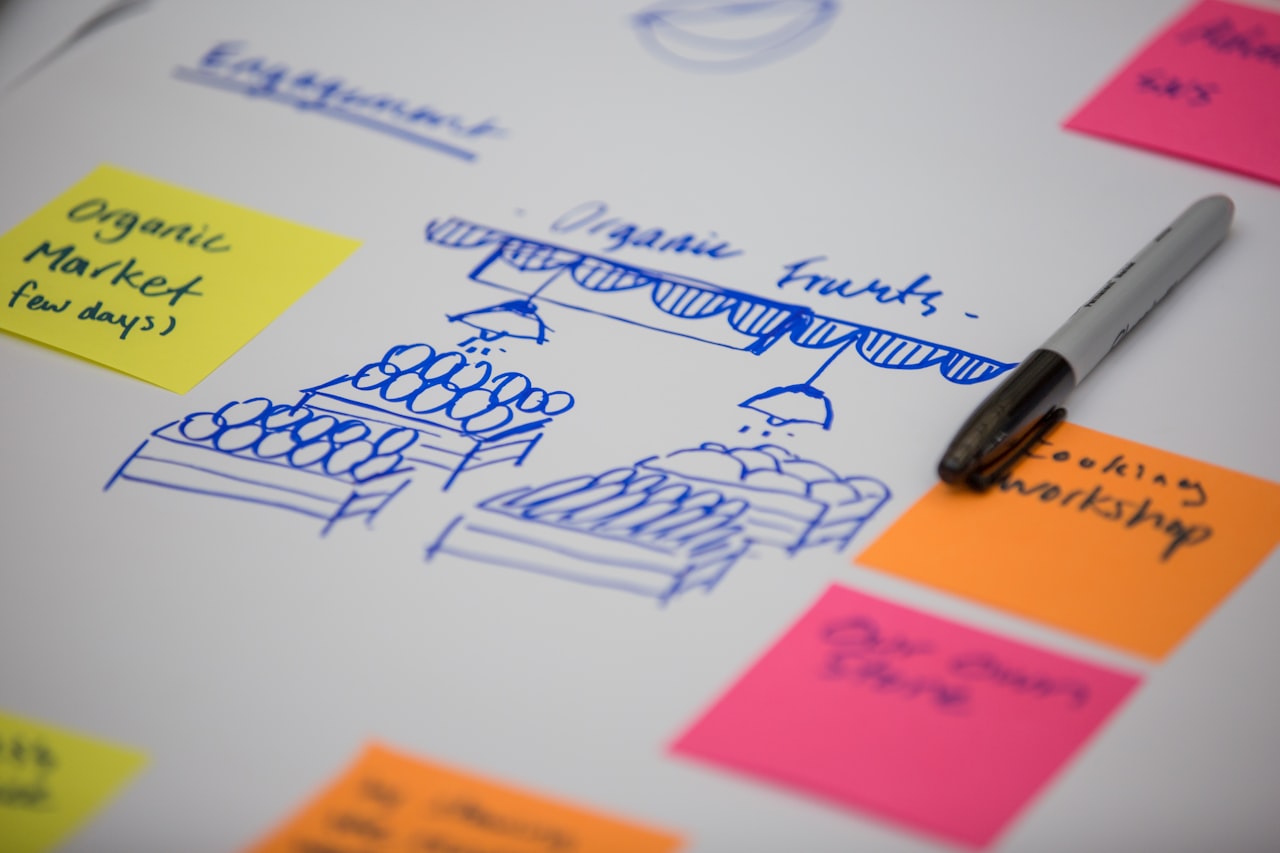
Start with quantitative behavioural data. Your website analytics show how customers navigate your digital experience, where they enter, where they drop off, and how long each step takes. Your CRM data reveals patterns in the sales process, support interactions, and customer lifecycle. Your advertising platforms show how customers first discover you and which messages resonate.
Supplement with qualitative research. Customer interviews are the richest source of journey data. Interview 15 to 20 customers from your target segment, asking them to walk you through their experience chronologically. Listen for emotional language — words like “frustrated,” “confused,” “surprised,” or “delighted” signal moments of truth.
Use contextual inquiry where possible. Watch customers interact with your product or service in their natural environment. In Singapore, this might mean observing how customers use your mobile app on the MRT, or shadowing a B2B customer through their procurement process. Observation reveals behaviours that customers cannot articulate in interviews.
Gather frontline employee insights. Your sales, support, and service teams interact with customers daily and have invaluable knowledge about recurring issues, common questions, and emotional patterns. Run workshops where frontline staff contribute their observations to the journey map.
Deploy customer satisfaction surveys at key touchpoints to collect ongoing data. Post-purchase surveys, support interaction surveys, and onboarding feedback forms provide a continuous stream of experience data that keeps your maps current.
Cross-reference all data sources. When interview insights align with behavioural data and frontline observations, you can be confident in your findings. When they conflict, investigate further — the discrepancy often reveals the most important insight.
Identifying and Prioritising Experience Gaps
Once your journey map is complete, the real work begins: identifying where the experience falls short and deciding which gaps to address first.
Look for moments of high negative emotion. Any touchpoint where customers consistently report frustration, confusion, or disappointment is a gap that demands attention. Pay particular attention to emotional drops — points where the experience goes from positive to negative. These feel worse to customers than consistently mediocre experiences.
Identify channel disconnects. In Singapore, customers frequently switch between channels — searching on mobile, continuing on desktop, calling for clarification, completing a purchase in-store. Every channel switch is a potential gap. If information does not transfer seamlessly, customers have to repeat themselves, which is a top frustration driver. An effective omnichannel experience eliminates these disconnects.
Map wait times and effort levels. Where do customers wait longest? Where do they expend the most effort? Reducing customer effort is often more impactful than creating delight. Research shows that minimising friction drives loyalty more effectively than exceeding expectations.
Prioritise gaps using a simple impact-effort matrix. Plot each gap on two axes: the impact on customer experience and business outcomes (high to low) and the effort required to fix it (high to low). Start with high-impact, low-effort improvements — these quick wins build momentum and demonstrate the value of journey mapping to stakeholders.
Quantify gaps where possible. If your checkout process loses 40 percent of customers at the payment step, calculate the revenue that represents. If support calls average 15 minutes when they could average 5, calculate the cost savings. Financial quantification makes prioritisation objective and builds the business case for investment.
Tools and Templates for Journey Mapping
You do not need expensive software to create effective journey maps. The best tool is the one your team will actually use and maintain.
For collaborative workshops, physical tools work surprisingly well. Sticky notes on a large wall allow teams to build and rearrange the journey in real time. This tactile approach encourages participation and makes the process feel accessible. Take photos to digitise the output afterward.
For digital mapping, Miro and Figma are popular choices in Singapore agencies and in-house teams. Both support real-time collaboration, templates, and easy sharing. Miro offers dedicated journey mapping templates that speed up the initial structure. Figma is better if your team is already using it for design work.
Spreadsheets remain a viable option for teams that want simplicity. Create columns for journey stage, touchpoint, customer action, customer thought, customer emotion, pain points, and opportunities. While less visual than dedicated tools, spreadsheets are easy to maintain and share.
For more sophisticated needs, consider dedicated CX platforms like Smaply, UXPressia, or CX management suites. These offer advanced features like persona integration, stakeholder sharing, and metric overlay. However, they add cost and complexity — only invest in dedicated tools once your journey mapping practice is mature enough to benefit from them.
Regardless of the tool, every journey map should include these elements: clearly defined stages, all touchpoints within each stage, customer actions and goals, emotional indicators, pain points and moments of truth, and opportunities for improvement. Include a visual emotional journey line that shows how satisfaction rises and falls across the journey — this is the most powerful communication tool for stakeholders.
Turning Journey Maps Into Action Plans
A journey map that sits in a presentation deck delivers zero value. The purpose of mapping is action. Here is how to convert insights into improvements that customers notice.
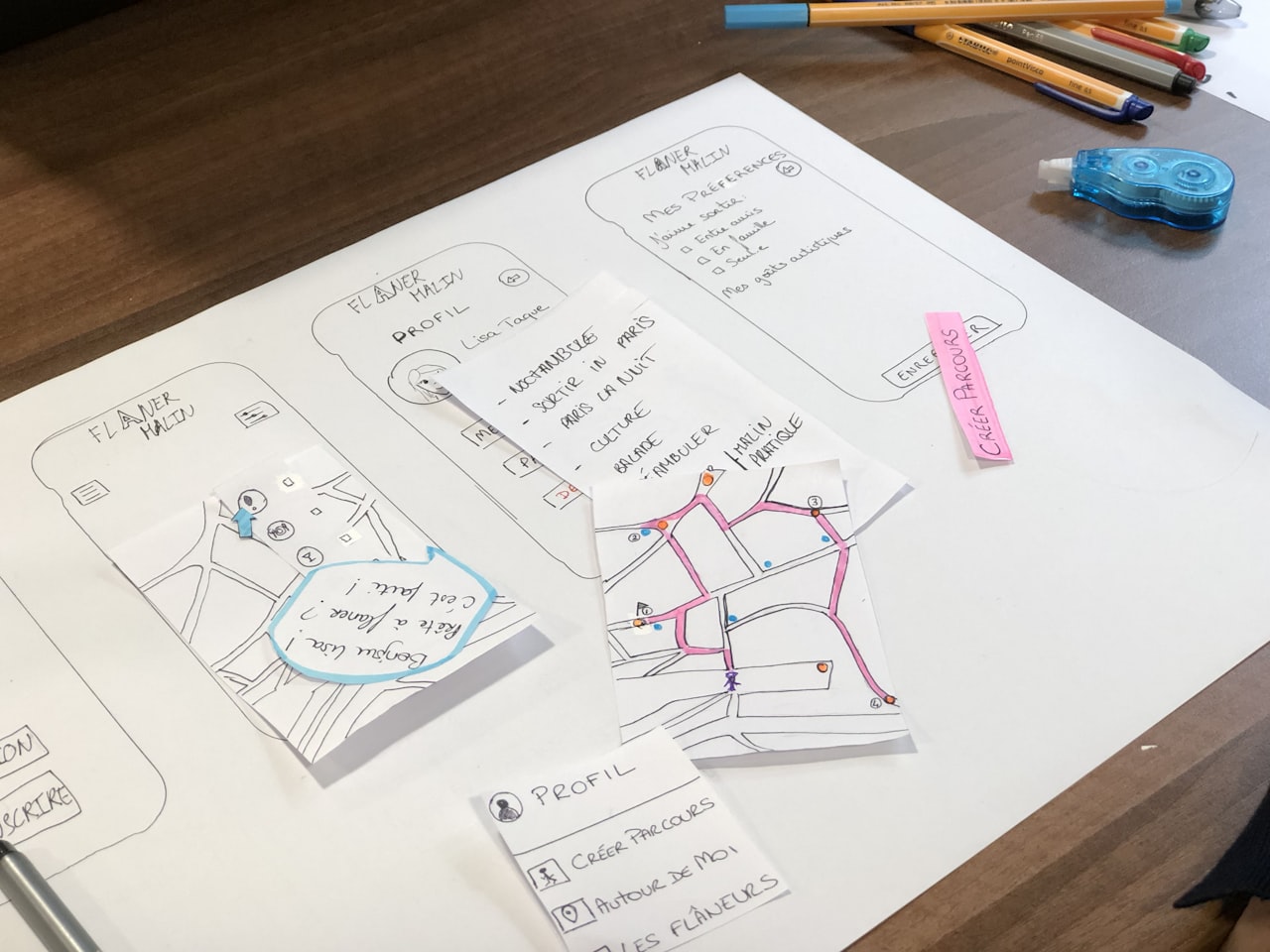
For each priority gap, assign a clear owner. CX improvements that belong to everyone belong to no one. Assign accountability to a specific person or team, with defined deliverables and timelines.
Create a phased improvement plan. Phase one should address quick wins — fixes that require minimal investment but noticeably improve the experience. These might include updating confusing error messages, reducing form fields, improving email response templates, or fixing broken links. Target completion within 30 to 60 days.
Phase two tackles medium-complexity improvements that require cross-functional coordination. This might include redesigning your website’s checkout flow, implementing a customer feedback loop at key touchpoints, or creating a customer onboarding programme. Budget three to six months for these initiatives.
Phase three addresses strategic changes that require significant investment — new technology platforms, process redesigns, or organisational restructuring. These take six to twelve months and should be justified by the business case built from phases one and two.
Establish a regular review cycle. Revisit your journey map quarterly to assess whether improvements are having the intended effect and whether new gaps have emerged. Customer expectations evolve, competitors improve, and your own changes create new dynamics that the map needs to reflect.
Share the journey map widely across your organisation. Make it visible — post it on walls, include it in onboarding, and reference it in planning discussions. The more people who understand the customer journey, the more customer-centric decisions your organisation makes every day. Connect it to your broader digital marketing efforts to ensure every campaign and channel supports a coherent end-to-end experience.
Frequently Asked Questions
How long does it take to create a customer journey map?
A basic journey map can be created in a one-day workshop if you have existing customer data. A research-backed, comprehensive map typically takes four to six weeks including data collection, analysis, and collaborative mapping sessions. Do not rush the research phase — the map is only as good as the data behind it.
How many journey maps do we need?
Start with one map for your primary customer segment and most important journey. Most businesses eventually need three to five maps covering different segments and journey types. Create them sequentially, not all at once, so each map gets the attention it deserves.
Who should lead the journey mapping process?
Ideally, someone with CX or UX expertise who can facilitate cross-functional collaboration. If you do not have a dedicated CX role, a marketing or product leader with strong facilitation skills can lead the process. The key is having someone who can keep the focus on the customer rather than internal processes.
How often should we update our journey maps?
Review and update your maps at least quarterly. Major updates are needed when you launch new products, change processes, enter new markets, or see significant shifts in customer feedback. Treat your journey map as a living document, not a one-time project.
Can we create journey maps without customer research?
You can create an assumption-based map using internal knowledge, but you must validate it with real customer data. Assumption-based maps are a useful starting point for workshops, but they should never be treated as truth until validated. Budget for at least basic customer research to ground your map in reality.
What is the biggest mistake in journey mapping?
Creating a map and then not acting on it. The second biggest mistake is mapping only the digital journey while ignoring offline touchpoints. In Singapore, many customer journeys blend online and offline interactions, and the most critical friction often occurs at the handoff between the two.
How do we measure the ROI of journey mapping?
Track the business impact of improvements that resulted from journey map insights. Measure changes in conversion rates, customer satisfaction scores, retention rates, and support costs before and after implementing improvements. Most organisations see three to five times return on their journey mapping investment within the first year.
Should B2B companies do journey mapping?
B2B journey mapping is arguably even more important than B2C because B2B journeys are longer, involve multiple stakeholders, and have higher revenue per customer. Map the journey for each stakeholder role — the end user, the decision maker, and the procurement team often have very different experiences and needs.