Why Brand Monitoring Matters
Brand monitoring is the systematic process of tracking what people say about your brand, products, competitors, and industry across the internet. It is not vanity monitoring — it is a fundamental business intelligence function that affects revenue, reputation, and strategic decision-making.
Consider what happens without brand monitoring: a dissatisfied customer posts a scathing review on Google that goes unanswered for three weeks. A competitor launches a product that directly targets your market segment, and you find out a month later. A blog post praising your service generates interest you never capitalise on because you did not know it existed. An employee’s social media post creates a PR issue that escalates because no one noticed it early enough.
For Singapore businesses, brand monitoring is particularly important for several reasons:
- Small market dynamics — Singapore’s compact market means word of mouth travels fast, both online and offline. A single viral complaint on forums like HardwareZone or Reddit Singapore can reach a significant portion of your target market within hours.
- Multilingual conversations — Discussions about your brand may occur in English, Mandarin, Malay, or Tamil across different platforms. Monitoring only English-language mentions misses a substantial portion of the conversation.
- High digital penetration — With over 90 per cent internet penetration and one of the highest social media usage rates globally, Singaporeans are vocal online consumers who research brands thoroughly before purchasing.
- Competitive density — Singapore’s business environment is intensely competitive. Knowing what competitors are doing and how they are being discussed gives you a meaningful advantage.
Effective brand monitoring turns scattered online mentions into structured, actionable data. It alerts you to problems before they escalate, identifies opportunities you would otherwise miss, and provides ongoing market intelligence that informs your strategy.
What to Monitor
Comprehensive brand monitoring goes beyond tracking your company name. Here is a thorough checklist of what to track and why each element matters.

Brand mentions
- Your company name and common misspellings
- Your product and service names
- Your brand tagline or slogan
- Your website URL and social media handles
- Names of key executives and spokespeople
Industry and keyword mentions
- Industry-specific terms related to your services
- Common customer problems your business solves
- Trending topics in your sector
- Regulatory changes and policy discussions affecting your industry
Competitor mentions
- Direct competitor brand names
- Competitor product launches and announcements
- Competitor reviews and customer feedback
- Competitor marketing campaigns and promotions
Sentiment and context
- Positive mentions — compliments, recommendations, and endorsements
- Negative mentions — complaints, criticism, and dissatisfaction
- Neutral mentions — news coverage, industry reports, and factual references
- Questions and enquiries — people asking about your brand or seeking solutions you provide
Channel coverage
- Social media platforms (Facebook, Instagram, Twitter/X, LinkedIn, TikTok)
- Review sites (Google, TripAdvisor, Yelp, industry-specific platforms)
- Forums (Reddit, HardwareZone, Quora)
- News sites and blogs
- Video platforms (YouTube, TikTok)
- Messaging apps and private groups (where publicly accessible)
Start with the channels most relevant to your industry and audience, then expand coverage as your monitoring processes mature. A brand monitoring service can help you identify which channels matter most for your specific business.
Brand Monitoring Tools and Platforms
The right tools transform brand monitoring from a manual, time-consuming task into an automated, systematic process. Here is an overview of the major categories and tools available in 2026.
Free tools for getting started
- Google Alerts — Set up email notifications for specific keywords. Limited in scope but useful as a baseline monitoring tool. Covers web pages and news articles indexed by Google.
- Google Search Console — Monitors how your brand appears in Google search results and identifies search queries people use to find you.
- Native social media analytics — Facebook Insights, Instagram Insights, X Analytics, and LinkedIn Analytics provide basic mention tracking and engagement data for their respective platforms.
- Talkwalker Alerts — A free alternative to Google Alerts that often catches mentions Google misses.
Professional monitoring platforms
- Brandwatch — Enterprise-level social listening and analytics platform. Covers social media, news, blogs, forums, and review sites. Strong sentiment analysis and reporting capabilities.
- Mention — Monitors web and social media mentions in real time. Offers competitive analysis features and customisable alerts. Suitable for mid-sized businesses.
- Brand24 — Affordable monitoring tool that covers social media, news, blogs, podcasts, and forums. Good for small to mid-sized businesses in Singapore.
- Sprout Social — Combines social media management with monitoring and analytics. Useful for teams that need to both track and respond to mentions from one platform.
- Meltwater — Comprehensive media monitoring that covers traditional media, social media, and online sources. Popular with PR teams and larger organisations.
Specialised tools
- ReviewTrackers — Dedicated review monitoring platform that aggregates reviews from over 100 sites. Useful for businesses heavily dependent on review ratings.
- Awario — Budget-friendly social listening tool with Boolean search capabilities for precise monitoring.
- BuzzSumo — Tracks content performance and identifies influential mentions of your brand or keywords across the web.
When selecting tools, consider your budget, the volume of mentions you expect, the platforms most relevant to your audience, and whether you need real-time alerts or periodic reports. Most professional tools offer free trials — test two or three before committing to an annual subscription. For deeper analytical capabilities, explore our guide on social media analytics.
Social Listening Strategies
Social listening goes beyond counting mentions. It involves analysing the context, sentiment, and patterns in social conversations to extract actionable insights. Here is how to build an effective social listening strategy.

Setting up effective listening queries
- Use Boolean operators (AND, OR, NOT) to refine your monitoring queries and reduce noise.
- Include common misspellings and abbreviations of your brand name.
- Monitor hashtags associated with your brand, campaigns, and industry.
- Track competitor mentions alongside your own to benchmark sentiment and volume.
- Set up separate queries for different purposes — brand health, campaign tracking, competitive intelligence, and crisis detection.
Analysing sentiment trends
- Track sentiment ratios (positive vs negative vs neutral) over time to identify shifts in brand perception.
- Correlate sentiment changes with specific events — product launches, campaigns, PR incidents, or competitor actions.
- Identify sentiment differences across platforms. Your brand may be well-received on LinkedIn but criticised on Reddit, indicating different audience expectations.
- Look beyond automated sentiment scores. Manual review of a sample of mentions provides context that algorithms miss, particularly for Singlish and local expressions that confuse automated tools.
Identifying influencers and advocates
- Track which individuals and accounts mention your brand most frequently and positively.
- Identify micro-influencers who genuinely use and recommend your products or services.
- Monitor industry thought leaders for mentions of your brand or relevant topics.
- Build relationships with brand advocates by acknowledging and engaging with their positive mentions.
Crisis detection
- Set up alerts for sudden spikes in mention volume, which often indicate a developing issue.
- Monitor for specific crisis keywords associated with your brand — “scam,” “fraud,” “lawsuit,” “complaint,” “boycott.”
- Establish response protocols that activate when monitoring flags a potential crisis — who is notified, how quickly they respond, and what channels they use.
Social listening is an ongoing discipline, not a one-time setup. Review and refine your queries quarterly, update your keyword lists as your business evolves, and ensure your team acts on insights rather than just collecting data.
Review Tracking and Management
Reviews are a specific and critically important subset of brand monitoring. They directly influence purchasing decisions — over 80 per cent of consumers in Singapore check online reviews before making a purchase — and they affect your local search rankings on Google.
Centralising review monitoring
- Identify all platforms where customers can review your business — Google Business Profile, Facebook, TripAdvisor, Yelp, Carousell, industry-specific directories, and app stores if applicable.
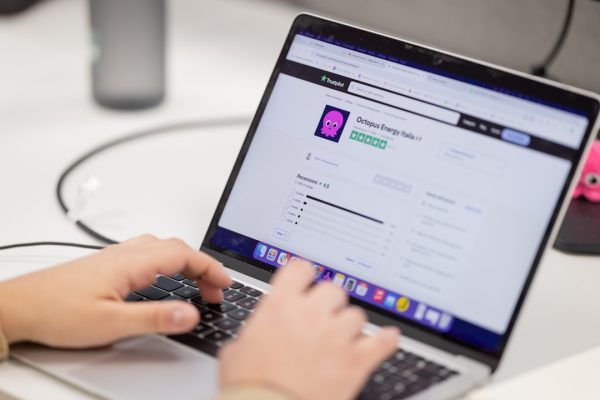
- Use a review tracking service or tool that aggregates reviews from multiple platforms into a single dashboard.
- Set up real-time notifications for new reviews so you can respond promptly.
- Track your average rating across each platform over time to identify trends.
Response frameworks
- Positive reviews — Thank the reviewer personally, reference a specific detail from their review to show you read it, and invite them to return or try other services.
- Negative reviews — Respond within 24 hours. Acknowledge the issue, apologise for the experience, offer a resolution, and provide a direct contact for follow-up. Never argue publicly.
- Fake or malicious reviews — Respond calmly noting you have no record of the reviewer as a customer, then report the review to the platform with evidence.
- Constructive criticism — Thank the reviewer for the feedback, explain what steps you are taking to address their concern, and follow up once changes are implemented.
Review generation strategies
- Ask for reviews at the moment of maximum customer satisfaction — immediately after a successful delivery, completion of service, or positive interaction.
- Use automated email or SMS sequences that request reviews a set period after purchase or service completion.
- Make the review process simple by providing direct links to your review profiles.
- Train customer-facing staff to identify satisfied customers and encourage reviews.
- Never offer incentives for positive reviews — this violates most platforms’ terms of service and can result in penalties.
Consistent review management builds a positive review profile over time, which serves as both a brand monitoring dataset and a marketing asset that influences prospective customers.
Competitor Monitoring
Brand monitoring is incomplete without tracking your competitors. Understanding how competitors are perceived, what they are launching, and where they are gaining or losing ground informs your own strategy.
What to track about competitors
- Share of voice — How much of the industry conversation your competitors own compared to you. If a competitor is mentioned three times more frequently than your brand, they have greater mindshare.
- Sentiment comparison — Are competitors perceived more positively or negatively than your brand? Identify specific areas where they are praised or criticised.
- Campaign activity — Track competitor marketing campaigns, promotions, and content launches. Understanding their strategy helps you differentiate and respond.
- Customer complaints — Competitor weakness is your opportunity. If customers consistently complain about a competitor’s customer service, highlight your own service quality in your marketing.
- Pricing changes — Monitor competitor pricing adjustments, especially if you operate in a price-sensitive market.
Competitive intelligence from monitoring data
- Identify gaps in competitor offerings that you can fill.
- Spot trends in customer preferences by analysing what people praise or criticise across all brands in your category.
- Benchmark your brand health metrics against competitors over time.
- Anticipate competitor moves by tracking their hiring patterns, partnerships, and public statements.
Ethical boundaries
- Monitor publicly available information only — do not attempt to access private data, hack competitor systems, or impersonate competitors.
- Use competitive intelligence to improve your own offerings, not to disparage competitors publicly.
- Focus on learning from competitor strengths and weaknesses rather than copying their strategies directly.
Competitive monitoring data feeds directly into your marketing strategy, product development, and customer experience improvements. When combined with your own brand monitoring data, it provides a comprehensive view of your market position. For a holistic approach to managing your brand’s online presence, see our reputation management guide.
Turning Mentions into Opportunities
The real value of brand monitoring lies not in data collection but in action. Every mention — positive, negative, or neutral — is a potential opportunity if you respond strategically.

Converting positive mentions
- Amplify praise — Share positive mentions on your social media channels (with the original poster’s permission). This extends the reach of organic endorsements.
- Build case studies — Reach out to satisfied customers who mention you publicly and ask if they would participate in a detailed case study or testimonial.
- Identify brand ambassadors — People who consistently mention your brand positively are potential ambassadors. Nurture these relationships with exclusive offers, early access, or partnership opportunities.
- Reinforce loyalty — Respond to positive mentions with genuine appreciation. Acknowledgement strengthens the relationship and encourages future advocacy.
Recovering from negative mentions
- Respond quickly and empathetically — A fast, genuine response to a complaint can turn a detractor into an advocate. People remember how you handled the problem more than the problem itself.
- Fix systemic issues — If monitoring reveals recurring complaints about the same issue, address the root cause rather than responding to each complaint individually.
- Use criticism as content — Common customer frustrations can inspire FAQ pages, how-to guides, or product improvements that demonstrate you listen and act.
- Escalate appropriately — Not every negative mention requires a public response. Some require a private conversation, others require operational changes, and a few may require reputation management intervention.
Capitalising on neutral and industry mentions
- Join relevant conversations — When people discuss topics related to your expertise, contribute valuable insights without overtly selling. This positions your brand as a helpful authority.
- Answer questions — Monitor for people asking questions your business can answer. Providing helpful responses builds visibility and trust.
- Spot partnership opportunities — Mentions by complementary businesses or influencers may indicate potential collaboration opportunities.
- Inform content strategy — The questions, topics, and concerns people discuss in your industry should directly influence your content marketing calendar.
Reporting and metrics
- Track mention volume trends — increasing mentions generally indicate growing awareness.
- Measure sentiment ratios monthly and aim for consistent improvement.
- Calculate response time averages and set targets for improvement.
- Report on opportunities captured — case studies created, partnerships formed, issues resolved, and content inspired by monitoring data.
Brand monitoring without action is just surveillance. Build processes that ensure insights reach the right team members — marketing, customer service, product development, leadership — and are acted upon within defined timeframes. If you need support establishing comprehensive monitoring processes, a brand monitoring specialist can design and implement a system tailored to your business needs.
Frequently Asked Questions
How much does brand monitoring cost?
Brand monitoring costs range from free to several thousand dollars per month depending on the scope and tools used. Free options like Google Alerts provide basic coverage. Professional tools like Brand24 start from approximately USD 79 per month, while enterprise platforms like Brandwatch or Meltwater can cost USD 500 to USD 5,000 or more per month depending on features, volume, and number of users. For Singapore businesses, budget between SGD 200 and SGD 2,000 per month for a mid-level monitoring setup that covers major social, news, and review platforms.
What is the difference between brand monitoring and social listening?
Brand monitoring focuses on tracking specific mentions of your brand name, products, and related keywords across online channels — it answers the question “what are people saying about us?” Social listening goes deeper by analysing the context, sentiment, trends, and patterns within those mentions and broader industry conversations — it answers “why are people saying this, and what does it mean?” In practice, effective programmes combine both: monitoring provides the raw data, and listening provides the strategic insights.
How quickly should I respond to brand mentions?
Response time expectations vary by platform and context. For complaints and negative mentions on social media, aim for a response within two to four hours during business hours. For reviews, respond within 24 hours. For positive mentions, responding within 24 to 48 hours is generally sufficient. For crisis situations — viral complaints, media coverage, or safety issues — respond within one hour. Setting up real-time alerts for negative mentions and crisis keywords helps you meet these targets consistently.
Can I monitor competitor brands without them knowing?
Yes, monitoring publicly available information about competitors is standard business practice and entirely legal. Setting up Google Alerts, tracking their social media mentions, reading their reviews, and analysing their content are all legitimate competitive intelligence activities. Competitors will not be notified that you are tracking their public mentions. However, avoid accessing private data, using fake accounts to join competitor groups, or engaging in any activity that misrepresents your identity or violates platform terms of service.
Do I need brand monitoring if my business is small?
Yes, small businesses arguably benefit more from brand monitoring than large enterprises. When you have a small customer base, every review and mention carries disproportionate weight. A single unanswered negative review can significantly impact a small business’s online reputation, while a positive mention presents an outsized opportunity for growth. Start with free tools like Google Alerts and native social media analytics, then upgrade to paid tools as your monitoring needs grow and your budget allows.