
Whitepaper Marketing for B2B: How to Create and Promote Whitepapers
Table of Contents
Why Whitepapers Are Essential for B2B Marketing
Whitepaper marketing b2b remains one of the most effective strategies for generating high-quality leads and establishing thought leadership. Despite the rise of shorter content formats, whitepapers continue to play a critical role in the B2B buyer’s journey — particularly in industries where purchasing decisions are complex, high-value, and involve multiple stakeholders.
Whitepapers work because they offer substantive value that other content formats cannot match. A blog post provides surface-level insights. A whitepaper provides comprehensive analysis, original data, expert frameworks, and actionable recommendations. This depth of content justifies the value exchange — providing contact information in return for downloading the whitepaper — that makes whitepapers an effective lead generation tool.
For Singapore businesses targeting B2B buyers, whitepapers address a specific market reality: decision-makers in this region value thoroughness and credibility. A well-researched whitepaper that addresses a genuine business challenge demonstrates the kind of analytical depth and industry knowledge that influences purchasing decisions.
Whitepapers also serve multiple marketing functions simultaneously. They generate leads through gated downloads. They establish thought leadership by showcasing expertise. They support sales conversations by providing detailed resources that sales teams can share with prospects. And they contribute to SEO when the landing page and supporting content are properly optimised. Few content formats deliver this range of benefits from a single asset.
Choosing a Whitepaper Topic That Attracts Leads
The topic of your whitepaper determines both the volume and quality of leads it generates. The best whitepaper topics sit at the intersection of what your audience needs to know and what positions your business as the solution.

Start with your audience’s pain points. What challenges are your ideal clients facing right now? What questions do they ask during sales conversations? What industry trends are creating uncertainty or opportunity? These pain points and questions are the foundation of compelling whitepaper topics.
Research keyword demand. Use keyword tools to identify what your target audience is searching for. If hundreds of people are searching for “digital transformation roadmap for Singapore SMEs” each month, that represents both a content opportunity and a lead generation opportunity. The whitepaper satisfies the information need while capturing the searcher’s contact details.
Analyse competitor content. What whitepapers have your competitors published? Where are the gaps? If every competitor has published a generic “state of the industry” report, you might differentiate with a tactical, how-to whitepaper that provides specific implementation guidance.
Choose topics that align with your service offerings. A whitepaper about social media trends is excellent if you offer social media marketing services. It creates a natural progression from educational content (the whitepaper) to service consideration (your offering). Avoid topics that attract an audience with no potential to become customers.
Consider data-driven topics. Whitepapers that present original research, survey data, or benchmark analysis are particularly effective. They are genuinely valuable to readers, attract media coverage and backlinks, and position your brand as a primary source of industry intelligence. Original data is difficult for competitors to replicate, giving you a sustainable competitive advantage.
Research and Content Development
The quality of your whitepaper’s content determines its credibility and impact. Unlike blog posts, whitepapers must demonstrate rigorous research, analytical depth, and expertise that justifies the effort of downloading and reading a longer document.
Conduct original research where possible. Run a survey of your client base or industry professionals. Analyse your own anonymised client data for trends and benchmarks. Original data makes your whitepaper unique and positions your brand as a primary source of industry intelligence. Even a modest survey of 50-100 respondents can produce interesting findings when the audience is well-targeted.
Supplement original research with secondary sources. Industry reports from firms like Forrester, Gartner, McKinsey, and local organisations like IMDA provide context and credibility. Government statistics, academic research, and published case studies add depth. Always cite your sources — proper attribution builds credibility and protects against accusations of plagiarism.
Include practical frameworks, models, and recommendations. The most valuable whitepapers do not just present information — they help readers apply it. Develop a framework, maturity model, decision matrix, or step-by-step methodology that readers can use immediately. These practical tools increase the perceived value of the whitepaper and make it more likely to be shared within organisations.
Interview industry experts to add diverse perspectives. Including quotes and insights from recognised authorities adds credibility and makes the content more engaging. Expert contributions also create promotion opportunities — contributors are likely to share the published whitepaper. For interview techniques, see our guide on interview-based content marketing.
Plan for depth. A substantial whitepaper is typically 2,500-5,000 words (6-15 pages including design). It should go significantly deeper than a blog post on the same topic. If your whitepaper does not provide insights that a reader could not find in a free blog post, it will not generate downloads or build credibility.
Writing and Structure Best Practices
Whitepaper writing requires a different approach from blog writing. The tone is more authoritative, the arguments more structured, and the evidence more rigorous. However, readability remains paramount — no one finishes a poorly written whitepaper, regardless of how good the research is.
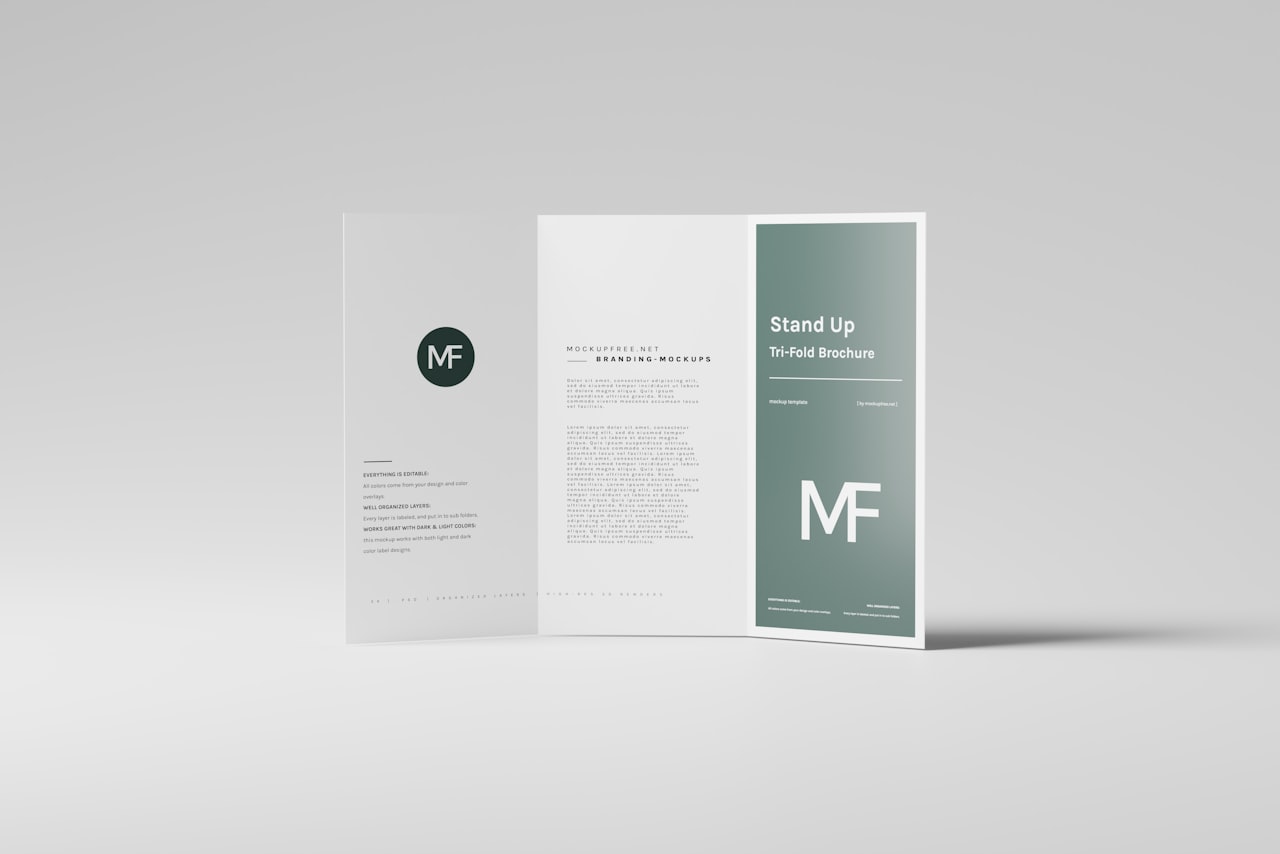
Structure your whitepaper with a clear logical flow. Start with an executive summary that previews the key findings and recommendations. Follow with sections that build the argument progressively — from context and challenge to analysis, findings, and recommendations. End with a conclusion that reinforces the key takeaways and a clear call to action.
Write in a professional but accessible tone. Avoid academic jargon and overly complex sentence structures. Your readers are busy professionals who want insights, not intellectual exercises. Use short paragraphs, clear headings, and bullet points to break up dense content.
Lead each section with its key insight. Busy readers often scan headings and opening sentences. If the most important point is buried in the middle of a paragraph, many readers will miss it. State the insight first, then provide the supporting evidence and analysis.
Include data visualisations. Charts, graphs, tables, and infographics break up text and make complex data more accessible. Every significant data point should be visualised — readers absorb visual data faster and retain it longer than text-based data.
Add callout boxes for key statistics, quotes, and actionable tips. These visual elements provide entry points for scanners and reinforce the most important messages. A reader who only reads the callout boxes should still walk away with the core value of the whitepaper.
Design and Production
Professional design is not optional for whitepapers. A poorly designed whitepaper undermines the credibility of its content, while a well-designed whitepaper enhances perceived expertise and authority.
Invest in professional layout and graphic design. Your whitepaper should align with your brand identity — consistent colours, typography, and visual style. Cover design is particularly important, as it creates the first impression and influences download decisions. A compelling cover design with a clear title and professional imagery signals quality.
Use a consistent template that includes your brand elements on every page — logo, colour scheme, and footer with contact information. This template ensures brand consistency and makes future whitepapers faster to produce.
Optimise for digital reading. Most whitepapers are consumed on screens, not printed. Use sufficient white space, readable font sizes (11-12pt minimum for body text), and hyperlinked table of contents for easy navigation. Consider interactive PDF features like clickable links and embedded charts.
Create multiple output formats. A designed PDF is the primary format for gated download. Additionally, consider an HTML web version (for SEO and accessibility), a SlideShare version (for additional distribution), and a summary infographic (for social media promotion).
Budget for professional production. A high-quality whitepaper typically costs SGD 3,000-10,000 to produce, covering research, writing, design, and project management. This investment is justified when the whitepaper generates leads over months or years — calculate the cost per lead based on expected downloads to assess ROI.
Gating Strategy: When and How to Gate Whitepapers
Gating — requiring contact information before allowing access to the whitepaper — is the mechanism that converts content consumption into lead generation. However, gating strategy requires careful consideration to balance lead capture with reach.
Gate your highest-value content. Whitepapers with original research, comprehensive frameworks, or exclusive insights justify gating — the content is valuable enough that professionals will exchange their contact information to access it. Thin content that could easily be a blog post should not be gated, as the value exchange feels unfair and damages trust.
Design your registration form carefully. Ask for the minimum information needed to qualify and follow up with leads. Name, email, company, and job title are typically sufficient. Every additional form field reduces conversion rates by approximately 5-10%. If you need more detailed information, collect it through progressive profiling in subsequent interactions rather than a lengthy initial form.
Provide a compelling landing page. The page should clearly communicate the whitepaper’s value proposition, key topics covered, and what the reader will learn. Include a preview — table of contents, key statistics, or a sample page — to demonstrate quality. Social proof (download count, endorsements, featured-in logos) increases conversion rates.
Consider a partial-gate strategy. Some businesses make the first section of the whitepaper freely available and gate the remainder. This allows readers to assess quality before providing contact information, reducing download regret and improving lead quality. Readers who gate after seeing the content are typically more engaged and more qualified.
Follow PDPA requirements for data collection. In Singapore, ensure your form includes consent mechanisms that comply with the Personal Data Protection Act. Clearly state how you will use the collected information and provide opt-out options. Compliance is both a legal requirement and a trust signal.
Promotion and Distribution
A whitepaper that nobody downloads is a wasted investment. Promotion should receive as much planning and budget as production — arguably more, since the same whitepaper can be promoted repeatedly over months.

Email marketing: Promote the whitepaper to your existing email list with a dedicated announcement email. Segment your list and personalise the pitch to different audience segments. Include whitepaper offers in your regular newsletter. Email typically drives 40-60% of initial downloads.
LinkedIn: The most effective social platform for B2B whitepaper promotion. Share an excerpt or key finding as a LinkedIn post with a link to the landing page. Use LinkedIn Sponsored Content to target specific job titles, industries, and company sizes. LinkedIn Lead Gen Forms reduce friction by auto-filling registration details, often improving conversion rates by 30-50% compared to landing page forms.
Google Ads: Run Google Ads campaigns targeting keywords related to your whitepaper topic. If your whitepaper covers “AI in Singapore marketing,” target searches for that topic with ads directing to your gated landing page. Paid search captures high-intent traffic from professionals actively researching the topic.
Content syndication: Publish excerpts on industry publications, submit to content libraries and resource directories, and partner with complementary businesses to co-promote. Content syndication extends your reach to audiences beyond your owned channels.
Repurpose into supporting content: Create blog posts, infographics, social media posts, and webinar presentations based on the whitepaper content. Each derivative piece promotes the full whitepaper while providing standalone value. A single whitepaper can generate 10-20 supporting content pieces that collectively drive downloads over months.
Sales enablement: Ensure your sales team has the whitepaper ready to share with prospects. A relevant whitepaper sent after an initial sales conversation provides value, reinforces expertise, and keeps your brand top of mind. Train the sales team on when and how to use the whitepaper in their outreach.
Frequently Asked Questions
How long should a B2B whitepaper be?
A typical B2B whitepaper is 2,500-5,000 words (6-15 designed pages). It should be long enough to provide genuine depth and value — significantly more than a blog post — but concise enough to be read in 15-25 minutes. Quality matters more than length; every page should deliver meaningful insights.
How many leads can a whitepaper generate?
A well-promoted whitepaper typically generates 200-2,000 downloads in its first year, depending on the topic’s relevance, promotion budget, and distribution channels. In the Singapore B2B market, 300-500 quality downloads is a strong result for a focused industry whitepaper. Evergreen whitepapers continue generating leads for 12-24 months.
Should I gate every whitepaper or make some freely available?
Gate your most valuable, comprehensive whitepapers — those with original research, exclusive data, or deep strategic frameworks. Consider making shorter reports, trend summaries, or introductory guides freely available to build awareness and trust. The ungated content serves as a funnel toward your gated premium content.
How much does it cost to produce a professional whitepaper?
Budget SGD 3,000-10,000 for a professionally produced whitepaper, covering research, writing, graphic design, and project management. Original research (surveys, data analysis) can add SGD 2,000-5,000 to the budget. The investment is justified when you calculate cost per lead — a whitepaper generating 500 downloads at a production cost of SGD 5,000 delivers leads at SGD 10 each.
What is the difference between a whitepaper and an e-book?
Whitepapers are research-driven, analytical, and authoritative. They present data, analysis, and expert recommendations on a specific topic. E-books tend to be more educational, visual, and accessible — they explain topics rather than analyse them. Whitepapers are better suited for executive audiences making high-value decisions. E-books work better for broader audiences seeking educational content.
How do I measure the ROI of whitepaper marketing?
Track total downloads, cost per download (production + promotion costs divided by downloads), download-to-MQL conversion rate, and MQL-to-customer conversion rate. Assign revenue from whitepaper-sourced customers back to the whitepaper to calculate true ROI. Most CRM and marketing automation platforms can track this attribution when properly configured.
How often should a business publish whitepapers?
For most B2B companies, 2-4 whitepapers per year is a sustainable and effective cadence. Each whitepaper should cover a substantive topic that warrants the depth of treatment. Avoid publishing whitepapers so frequently that quality suffers or that each individual whitepaper gets insufficient promotion. One excellent, well-promoted whitepaper is more effective than four mediocre ones.