What Is Brand Marketing? Building Brand Equity in 2026
Table of Contents
Brand Marketing vs Performance Marketing
Understanding what is brand marketing starts with distinguishing it from performance marketing. Performance marketing focuses on measurable short-term outcomes — clicks, leads, sales — where every dollar can be attributed to a result. It captures existing demand. Brand marketing focuses on long-term perception — awareness, trust, preference, loyalty — the intangible assets that influence every purchasing decision. It creates demand.
Performance marketing asks “how do we convert this person today?” Brand marketing asks “how do we become the brand they think of first, trust most and choose instinctively?” Research by Les Binet and Peter Field demonstrates that brands achieving the strongest long-term growth invest in both, with a roughly 60:40 split favouring brand building.
Brands shifting too heavily toward performance experience strong short-term results followed by stagnation as awareness erodes and the convertible audience shrinks. The practical implication: performance marketing harvests demand while brand marketing creates it. The most effective digital marketing strategies balance both approaches.
Brand Equity and Its Components
Brand equity is the commercial value derived from consumer perception beyond functional product value. Strong equity commands higher prices, attracts more customers, retains them longer and supports expansion into new categories.

Brand awareness: Recognition (identifying your brand when prompted) and recall (thinking of you spontaneously when a need arises). Consumers cannot prefer a brand they do not know exists.
Brand associations: The attributes, qualities and emotions mentally linked to your brand. Nike means athletic performance. Singapore Airlines means exceptional service. Strong associations differentiate and create preference.
Perceived quality: Consumer judgement of overall excellence relative to alternatives. Perceived quality enables premium pricing and loyalty — it does not necessarily reflect objective quality but rather how consumers perceive it.
Brand loyalty: Consistent preference over alternatives. Loyal customers purchase more frequently, tolerate price increases, cost less to serve and actively recommend. Loyalty requires consistently delivering on your brand promise.
Proprietary assets: Trademarks, distinctive logos, signature colours, memorable taglines. These protect recognition and reinforce equity.
Building Brand Awareness
Awareness is the entry point for all brand building. Without it, no other component of equity can develop.
Content marketing is the most cost-effective awareness engine. Valuable, discoverable content puts your brand before people searching for industry-related information. Consistent publishing builds familiarity. Search engine optimisation amplifies this by ensuring content reaches the right audiences.
Social media presence keeps your brand visible in daily digital life. Consistent posting, community engagement and shareable content build organic awareness. Paid social media advertising extends reach to new audiences matching your demographics.
Consistent identity makes awareness compound. Every touchpoint — website, social profiles, emails, advertisements — must present consistent visual and verbal identity. Consumers need multiple exposures before a brand registers. The “rule of seven” suggests at least seven encounters before action, underscoring why sustained multi-channel presence matters far more than one-off campaigns.
Brand Positioning and Differentiation
What is brand marketing without clear positioning? Positioning defines how your brand is perceived relative to competitors. It answers: “Why should a customer choose you over all alternatives?”
A positioning statement articulates your intended position: “For [target audience] who [need], [brand] is the [category] that [key benefit] because [reason to believe].” Effective positioning requires genuine differentiation — something valued by customers and difficult for competitors to replicate.
Target audience clarity is essential. Trying to appeal to everyone results in a position resonating with no one. The strongest brands clearly define who they serve and make deliberate choices about who they are not for. This focus enables sharper messaging, more relevant content and stronger emotional connections.
Consistency over time allows positioning to compound. Changing direction frequently confuses audiences. Iconic brands have maintained consistent positioning for years or decades. Tactical campaigns vary; strategic position remains stable.
Brand Identity: Visual, Verbal and Experiential
Visual identity includes logo, colour palette, typography, imagery style and design aesthetic. Document everything in brand guidelines ensuring consistency across your website, social media, print and all other applications.
Verbal identity encompasses brand name, tagline, tone of voice, messaging framework and vocabulary. It should feel natural and authentic whether the audience is reading a blog, watching a video or speaking with customer service.
Experiential identity covers how your brand behaves — customer service quality, website UX, physical environment, response to feedback. Experiences form opinions more powerfully than communications. When internal culture aligns with external identity, the brand feels authentic. When they disconnect, consumers sense inauthenticity immediately.
A comprehensive brand guidelines document codifies all elements into a reference ensuring consistency across teams, departments, agencies and partners. For professional brand development, our branding services cover strategy through execution.
Brand Storytelling and Emotional Connection
Stories activate multiple brain regions simultaneously — emotion, sensory experience, empathy — creating deeper engagement than factual information alone. Brands telling compelling stories create stronger emotional bonds leading to loyalty, advocacy and willingness to pay premium prices.
Origin stories humanise your brand and connect founding motivations to current values. Customer stories — case studies, testimonials, user-generated content — are inherently relatable and provide social proof. Purpose-driven stories connect with audiences sharing your values, creating deep loyalty. But purpose must be genuine and backed by action — Singapore audiences in 2026 recognise and punish brands whose stated purpose contradicts their behaviour.
Narrative should be consistent across channels, adapting format for each platform while maintaining the same core message. Emotional associations influence purchasing decisions — often unconsciously — and create preference far more durable than rational product comparisons.
Brand Building for Singapore SMEs
Brand building is not exclusively for corporations with massive budgets. Singapore SMEs can build strong brands through strategic, consistent effort.

Start with clarity: Define target audience, problem solved, differentiation and values before investing in any brand activity. These answers form the foundation ensuring every subsequent decision aligns.
Invest in professional visual identity: A polished logo, cohesive colours, consistent typography and professional website create credibility belying a small team. In Singapore’s competitive market, professional identity signals seriousness and trustworthiness.
Leverage content marketing: Publishing valuable articles, social content, industry insights and educational videos builds awareness and demonstrates expertise without requiring large advertising budgets.
Own your niche: SMEs achieve stronger positions by becoming the recognised expert in a specific vertical, category or segment. A Singapore accounting firm specialising in tech startups builds deeper equity than a generalist targeting everyone.
Be consistent and patient: The biggest mistake is changing direction too frequently. Maintain consistency in identity, messaging, values and experience. Allow time for recognition to develop. The brands that succeed show up consistently, month after month, with clear authentic identity.
Frequently Asked Questions
Is brand marketing worth the investment for small businesses?
Yes. A strong brand reduces acquisition costs, supports premium pricing, builds loyalty and generates referrals. For Singapore SMEs, consistent strategic brand building creates a compounding competitive advantage regardless of team size.
How long does it take to build a strong brand?
Meaningful equity typically takes one to three years of consistent effort, with deeper strength developing over five years and beyond. Start with a clear strategy, execute consistently and measure through awareness, perception and loyalty metrics.
What is the difference between brand marketing and branding?
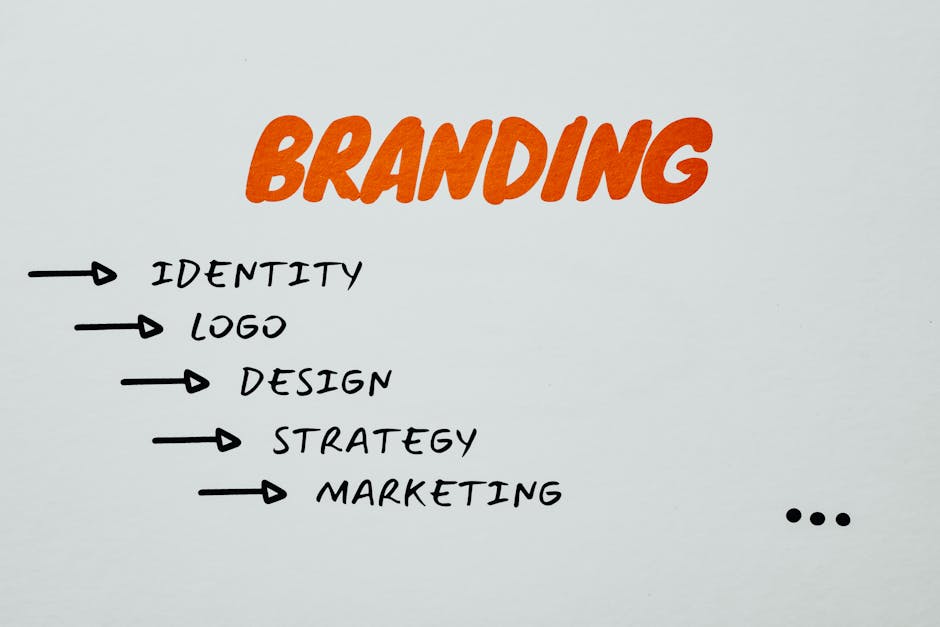
Branding creates your identity — name, logo, visual system, messaging, positioning. Brand marketing communicates that identity to your audience through content, campaigns and experiences. Branding decides who you are; brand marketing makes you known.
How do I measure brand marketing ROI?
Track leading indicators (awareness, perception, consideration, share of voice) alongside lagging business metrics (acquisition costs, lifetime value, pricing power, market share) over extended timeframes. Brand marketing should be evaluated quarterly and annually, not weekly.
Should I focus on brand or performance marketing first?
Start with brand identity foundations (visual system, messaging, website) plus performance marketing for immediate results. As revenue grows, gradually increase brand investment. The ideal state is balanced integration where brand fills the funnel and performance converts it.
Can I build a brand entirely through digital channels?
Yes. Content marketing, social media, SEO, email and online advertising provide all the tools needed for brand building. Singapore’s high digital penetration makes digital-first brand building particularly effective for local businesses.
What is share of voice and why does it matter?
Share of voice measures your brand’s visibility relative to competitors across marketing channels. Research shows strong correlation between share of voice and market share — brands with higher SOV than their market share tend to grow; those with lower SOV tend to shrink.
How do I maintain brand consistency across a team?
Create comprehensive brand guidelines covering visual standards, verbal tone, messaging templates and correct usage examples. Train all team members. Review external communications regularly. Appoint a brand guardian who reviews materials before publication.