Wedding Industry Marketing in Singapore: How to Book More Couples
Table of Contents
Wedding Platforms and Directory Listings
Wedding marketing Singapore starts where couples start: directory platforms. Blissful Brides, The Wedding Vow and WeddingWire Singapore are the dominant platforms where engaged couples research vendors. Your presence directly affects visibility during the planning phase.
Blissful Brides is particularly strong locally, offering vendor listings, editorial features and major bridal fairs including the Singapore Bridal Fair at MBS. Ensure your listing is complete: upload your best portfolio images, list all services with indicative pricing, include contact details and keep the listing updated with recent work.
The Wedding Vow provides editorial-style content alongside listings. Getting featured in their articles positions you as noteworthy rather than just another option. Pitch unique work — multicultural weddings, themed celebrations, unusual venues — for editorial coverage. WeddingWire runs on reviews. Actively encourage past couples to leave detailed reviews and respond to all of them.
Consistency across platforms is crucial. Business name, contact information, pricing brackets and portfolio should match everywhere. Inconsistencies erode trust. Audit all listings quarterly. For broader visibility, complement directory presence with a strong local SEO strategy.
Instagram Portfolio and Content Strategy
Instagram is the single most important social platform for wedding marketing Singapore businesses. Couples use it as a visual search engine — browsing hashtags, exploring vendor profiles and saving posts to planning collections.
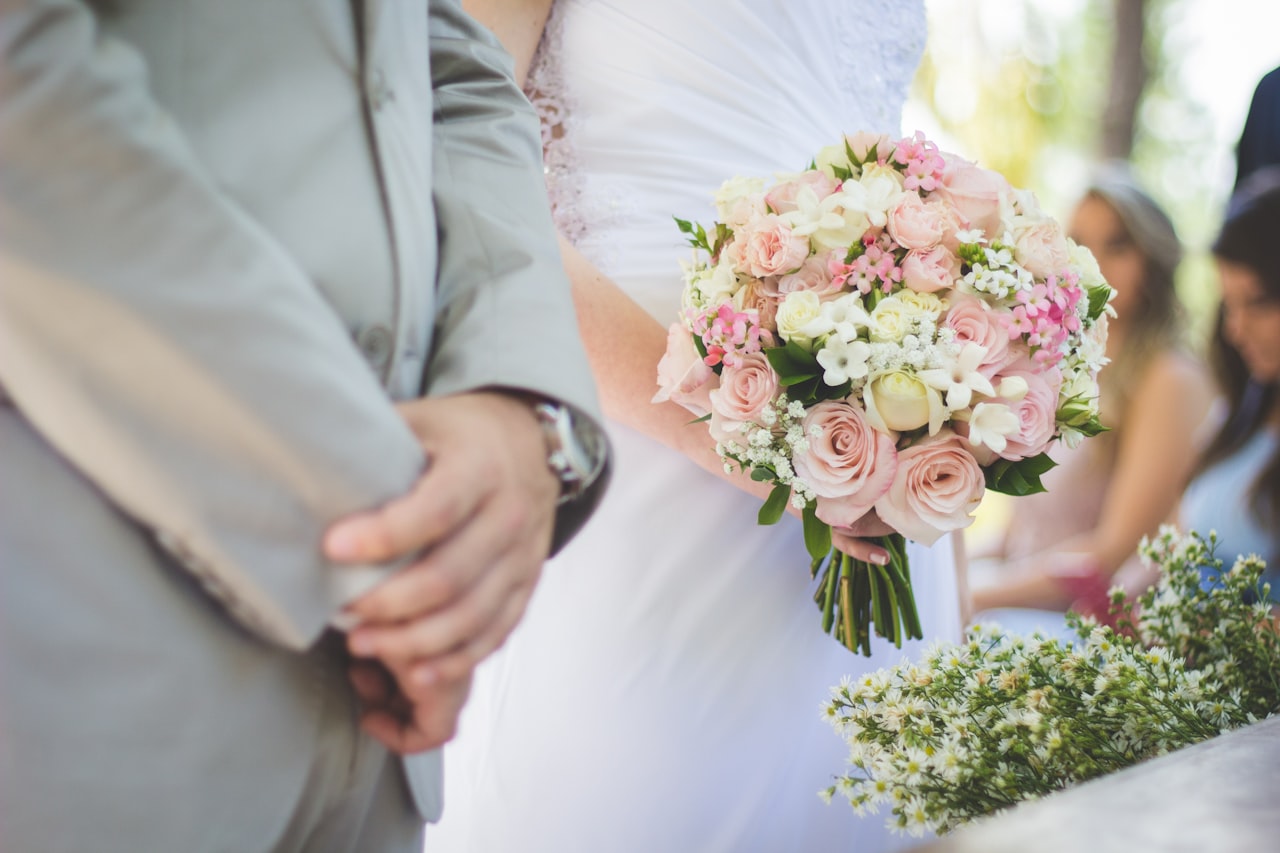
Curate your feed deliberately as a cohesive portfolio of your best recent work. Post three to four times weekly using single images, carousels (which receive higher engagement) and Reels. Short-form video is particularly powerful — a 30-second highlight reel, a time-lapse of floral setup or a venue walkthrough generates significant reach.
Hashtag strategy matters. Mix broad tags (#singaporewedding, #sgwedding) with specific ones (#singaporeweddingphotographer, #gardenvenuesingapore). Location tags are equally important — tag venues, neighbourhoods and Singapore to help discovery. Collaborate with complementary vendors by tagging photographers, venues, florists and makeup artists. This cross-promotion creates an organic word-of-mouth loop. Our social media marketing services help amplify your best content to reach more engaged couples.
Use Story Highlights to organise content into categories — Portfolio, Reviews, Packages, FAQ, Behind the Scenes — so new profile visitors can quickly assess your quality and offerings.
Google Ads and SEO for Wedding Keywords
When a couple types “best wedding photographer Singapore” or “affordable bridal package” into Google, they have high purchase intent. Google Ads places you at the top of these results. Wedding CPCs in Singapore range from $2 to $8, with high-intent terms like “wedding photographer price Singapore” converting well.
Structure campaigns by service type. Separate ad groups for pre-wedding photography and actual-day coverage allow tailored ad copy. Use callout extensions (“Award-Winning,” “500+ Weddings Shot”), sitelinks to portfolio pages and call extensions for direct enquiries.
For organic SEO, target long-tail keywords through blog content: “10 Best Pre-Wedding Photoshoot Locations in Singapore,” “How to Choose a Wedding Videographer” or “Chinese Wedding Traditions Guide.” These attract research-phase couples and build authority. Ensure your site loads fast — wedding portfolios contain large images that need proper optimisation.
Google Business Profile is critical for vendors with physical studios. Optimise with professional photos, service categories and business hours. Encourage reviews. Appearing in the local pack for “bridal studio near me” drives direct enquiries.
Maximising Bridal Fair ROI
Bridal fairs like the Singapore Bridal Fair, Blissful Brides Expo and hotel-organised shows attract thousands of actively planning couples. But participation is expensive — booth costs, staffing, collateral and promotions add up quickly.
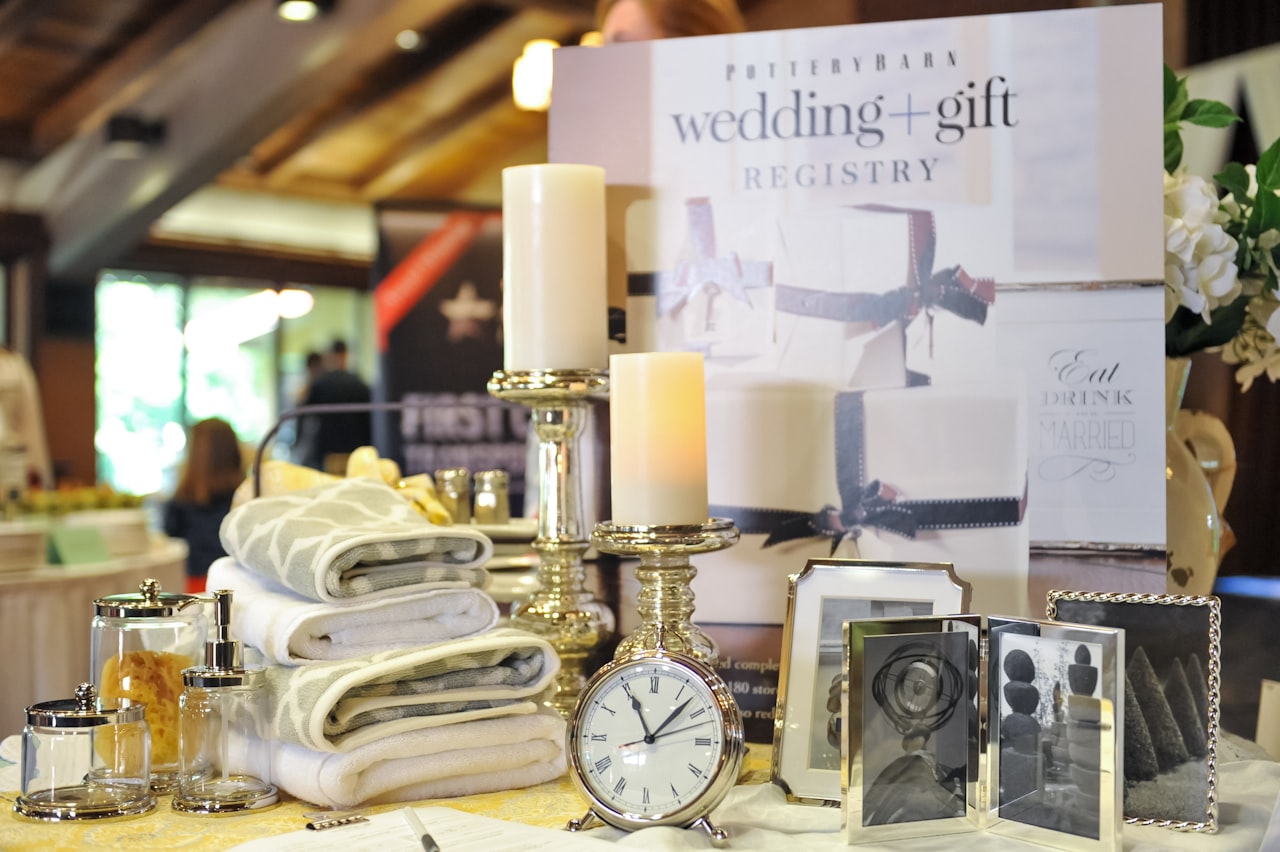
Promote your presence on social media at least three weeks beforehand. Create anticipation with exclusive package sneak peeks and early-bird appointment registration. Use social media advertising to target recently engaged couples with your fair promotions.
Invest in booth design that stands out. Large portfolio displays, video screens with highlight reels and clear signage stating your category and USP make the difference in a hall of dozens of vendors. Have a digital lead capture process — every interested couple should leave contact details via tablet form, incentivised by a lucky draw entry or complimentary mini-service.
Follow up within 24 hours. Couples meet dozens of vendors and your name fades quickly. A personalised WhatsApp message referencing your conversation, followed by a detailed email, is standard. Leads not ready to book enter a nurture sequence with periodic touchpoints.
Styled Shoots for Content Creation
Styled shoots give you full creative control to showcase your work at its best. Unlike actual weddings, there are no constraints — you choose the venue, theme and aesthetic.
They fill portfolio gaps. If you want garden wedding bookings but your portfolio shows mostly hotel ballrooms, a styled shoot at Burkill Hall or Capella Sentosa produces exactly the content you need. A single shoot generates weeks of material: Instagram posts, Reels, Pinterest pins, blog articles and advertising creative.
Collaborate with complementary vendors — photographer, florist, makeup artist, dress designer, venue — with each contributing services in exchange for portfolio images and mutual promotion. This network becomes a referral source over time. Plan shoots around trending styles and locations popular with Singapore couples: Fort Canning Park, National Gallery, Clifford Pier, heritage shophouses in Joo Chiat. Use the content for content marketing as “Wedding Inspiration” pieces.
Facebook and Instagram Ads for Engaged Couples
Facebook and Instagram offer remarkably precise targeting. You can reach users whose relationship status changed to “Engaged” within a specific timeframe — one of the most valuable targeting options available to wedding vendors. Layer with age (25 to 35 for Singapore weddings), location and wedding-related interests.
Visual quality is paramount. Use your best portfolio images or short video clips. Carousel ads showcasing multiple images from a single wedding work exceptionally well. Lead generation ads with auto-filled forms significantly reduce friction — but follow up immediately, as even 30-minute delays reduce conversion substantially.
Retargeting is essential. Install the Meta Pixel and create audiences of portfolio or pricing page visitors who did not enquire. Show them testimonial ads, limited-time promotions or objection-addressing content. These warm audiences convert at three to five times the rate of cold audiences.
Budget varies by category. Photographers typically need $500 to $1,500 monthly in social ad spend. Bridal studios and venues may invest $2,000 to $5,000. Start small, test variations and scale what works.
Reviews, Testimonials and Social Proof
In the wedding industry, social proof is everything. Couples make significant financial commitments based on trust, and reviews are the primary mechanism for building it.
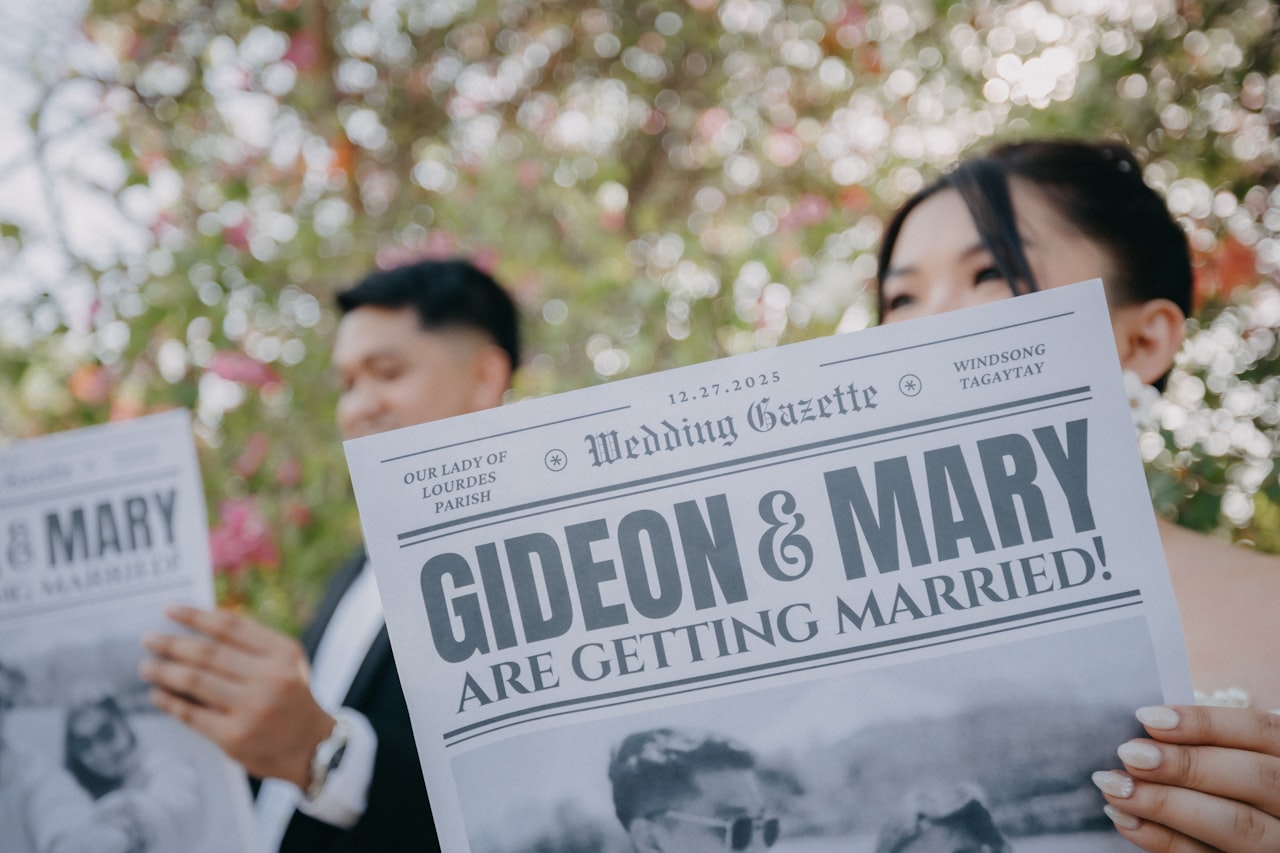
Request reviews two to four weeks after the wedding, once the couple has returned from honeymoon and received deliverables. Provide direct links to Google Business Profile, Facebook and wedding platforms. Video testimonials carry exceptional weight — even a short phone-recorded clip from a delighted couple is more persuasive than any sales copy.
Showcase reviews contextually on your website. Praise for pre-wedding photography belongs on that portfolio page. Display aggregate metrics like “500+ Weddings Photographed,” awards, media features and venue partnership badges. The more proof points stacked, the easier it is for couples to choose with confidence.
Frequently Asked Questions
How much should a wedding business spend on marketing?
Budget 10 to 15 per cent of annual revenue. For a photographer earning $150,000 annually, that is $15,000 to $22,500 across all channels. Allocate roughly 40 per cent to digital advertising, 25 per cent to platforms and fairs, 20 per cent to content creation and 15 per cent to SEO and website maintenance.
Google Ads or Facebook Ads — which works better for weddings?
Google captures high-intent searches — couples actively looking for vendors. Facebook and Instagram build awareness and reach couples in early planning. Most successful vendors use both, with Google delivering higher conversion rates and social providing broader reach.
How important are bridal fairs vs digital marketing?
Fairs offer face-to-face trust-building but are expensive and time-intensive. Digital marketing provides consistent, always-on lead generation. Use digital as your foundation and participate selectively in the highest-quality fairs.
What should a wedding vendor’s website include?
A stunning portfolio categorised by service type, clear service descriptions and packages, pricing guidance, an about page, testimonials, FAQ addressing common concerns, contact form, blog with wedding content, and fast mobile responsiveness.
How do I stand out in Singapore’s competitive market?
Specialise. Rather than “wedding photographer,” position as editorial wedding photography, intimate elopements, multicultural weddings or destination pre-wedding shoots. Specialisation makes marketing targeted, portfolios cohesive and brands memorable.
What role does Pinterest play in wedding marketing?
Pinterest is underutilised in Singapore but powerful for inspiration-phase discovery. Create keyword-rich boards, pin your work with links back to your site and post consistently. Pins have long lifespans — a well-optimised pin drives traffic for months or years.
How do I handle price-sensitive enquiries?
Demonstrate value before discussing price. Share portfolio highlights, testimonials and results that justify your rates. Offer tiered packages so couples can choose a level that fits their budget. Never compete solely on price — it erodes your brand and attracts clients who undervalue your work.
When is the best time to advertise for wedding bookings?
Peak engagement and planning periods: December to February (holiday proposals lead to planning), June to August (mid-year bookings) and around major bridal fairs. Maintain consistent year-round presence but increase spend during these peaks.