Part of our SEO Guides guide →
SEO for Pet Industry: How Vet Clinics, Pet Shops, and Groomers Can Rank in Singapore
Singapore’s pet industry is booming. Pet ownership surged past 800,000 households by 2025, and annual spending on pet food, services, and healthcare now exceeds SGD 1.5 billion. Veterinary clinics, pet shops, groomers, pet boarding facilities, and pet supply retailers are competing fiercely for attention — and the primary battleground is Google search.
If you run a pet business in Singapore, organic search is almost certainly your most valuable customer acquisition channel. Pet owners search for everything from “vet near me” and “dog grooming Tampines” to “best grain-free dog food Singapore.” Ranking for these queries means a steady pipeline of high-intent customers walking through your door or placing orders online.
This guide covers pet industry SEO from the ground up — keyword research, local search optimisation, content strategy, technical foundations, and link building — all tailored to the Singaporean market. Whether you operate a single veterinary clinic or a chain of pet supply shops, these strategies will help you rank higher and attract more customers.
Why Pet Industry SEO Matters in Singapore
Pet owners in Singapore are digitally savvy. They search online before choosing a vet, booking a grooming appointment, or purchasing pet food. According to search data, “veterinary clinic Singapore” and related terms receive thousands of searches monthly, and “pet shop near me” queries have grown steadily year on year.
Here is why pet industry SEO deserves serious investment:
- High purchase intent: Someone searching “dog boarding east Singapore” is actively looking for a service. These are not casual browsers — they need a solution now.
- Recurring revenue: Pet services are repeat businesses. A customer who finds your grooming salon through search may return monthly for years.
- Local dominance: Pet businesses are inherently local. Ranking in Google’s local pack for your area can deliver a disproportionate share of foot traffic.
- Cost efficiency: Compared to paid advertising, organic rankings compound over time. A well-optimised service page can generate leads for years without ongoing ad spend.
- Competitive moat: Most pet businesses in Singapore have weak or non-existent SEO. Investing now creates a durable advantage that competitors cannot easily replicate.
For a broader understanding of how search engine optimisation works, our service page breaks down the full process.
Keyword Research for Pet Businesses
Effective pet industry SEO starts with understanding what your customers actually type into Google. Pet business keywords fall into several distinct categories, each requiring its own approach.
Service-based keywords are the highest priority. These include terms like “vet clinic Bishan,” “cat grooming Singapore,” “dog boarding Jurong,” and “pet cremation services Singapore.” They carry strong commercial intent and typically convert well.
Product-based keywords matter for pet shops and online retailers. Examples include “Royal Canin cat food Singapore,” “dog harness shop,” and “aquarium supplies Clementi.” These searches often indicate imminent purchase decisions.
Informational keywords drive content marketing. Pet owners frequently search for advice: “how often to groom a poodle,” “signs your cat is sick,” “best food for senior dogs,” and “HDB approved dog breeds Singapore.” These queries build awareness and trust.
Emergency keywords are critical for veterinary clinics. Searches like “24-hour vet Singapore,” “emergency animal hospital near me,” and “dog poisoning symptoms” carry extreme urgency and often lead to immediate action.
When building your keyword list, pay attention to:
- Location modifiers: Singapore pet owners frequently append neighbourhood names, MRT stations, or regional identifiers (east, west, central) to their searches.
- Pet-specific modifiers: Searches differ by animal type. “Cat boarding” and “dog boarding” are separate keywords with different search volumes and competition levels.
- Breed-specific terms: Owners of specific breeds search for breed-relevant services — “Golden Retriever grooming” or “Persian cat vet specialist.”
- Long-tail opportunities: Terms like “affordable dog grooming for large breeds Woodlands” have lower volume but higher conversion rates.
Local SEO for the Pet Industry
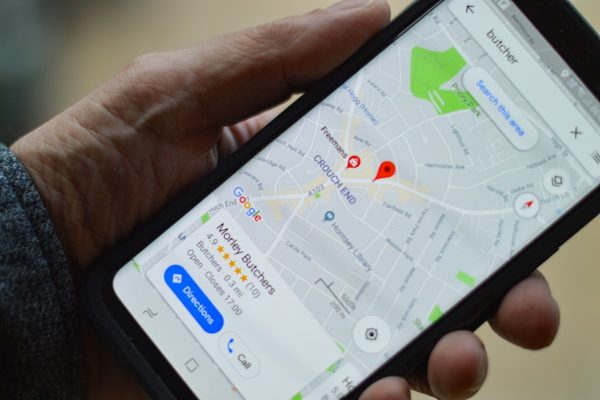
For brick-and-mortar pet businesses, local SEO is the single most important investment. When someone searches “vet near me” or “pet shop Tampines,” Google serves a local map pack above organic results. Appearing in that pack is worth more than any other ranking position.
Your Google Business Profile is the foundation. Here is how to optimise it for a pet business:
- Primary category: Choose the most specific category available. “Veterinarian” is better than “Animal Hospital” if you primarily offer outpatient services. “Pet Store” is more relevant than “Shop” for a retail pet business.
- Secondary categories: Add all relevant categories. A vet clinic might add “Animal Hospital,” “Pet Boarding Service,” and “Emergency Veterinary Service.”
- Business description: Write a thorough description that naturally includes your target keywords, services offered, and areas served.
- Services and products: List every service with descriptions. For a groomer, this means listing basic grooming, full grooming, de-shedding, nail trimming, teeth cleaning, and any breed-specific services.
- Photos: Upload high-quality images of your premises, staff, and happy pets (with owner permission). Businesses with more photos receive more engagement.
- Reviews: Actively request reviews from satisfied customers. Respond to every review — positive and negative — professionally and promptly.
Beyond your Google Business Profile, local SEO for pet businesses requires consistent NAP (name, address, phone) information across all online directories. List your business on Singapore-specific directories, pet directories, and veterinary association listings. Our local SEO guide for Singapore covers the full directory strategy in detail.
If you operate multiple branches, create individual landing pages for each location. A veterinary group with clinics in Bukit Timah, Marine Parade, and Sengkang should have separate, fully optimised pages for each — not just a single “locations” page with addresses.
On-Page SEO Strategies for Pet Businesses
Your website’s on-page SEO determines how well Google understands your services and matches your pages to relevant searches. Pet businesses need to get several key elements right.
Service pages are your primary conversion assets. Each core service deserves its own page with a unique target keyword. A veterinary clinic should have separate pages for:
- General consultations
- Vaccinations and preventive care
- Surgery and dental procedures
- Emergency and after-hours care
- Pet health screening packages
- Microchipping and licensing
Each service page should include the target keyword in the title tag, H1, URL, and meta description. The content should explain the service clearly, mention relevant pet types and breeds, include pricing guidance where possible, and end with a clear call to action.
Title tags for pet businesses should follow a consistent format. For service pages, use: “[Service] in [Location] | [Business Name]” — for example, “Cat Grooming in Toa Payoh | Happy Paws Salon.” Keep titles under 60 characters to avoid truncation in search results.
Schema markup helps search engines understand your business type. Implement LocalBusiness schema (or more specific subtypes like VeterinaryCare or PetStore) with your address, opening hours, price range, and accepted payment methods. For veterinary clinics, add MedicalBusiness schema where relevant.
Internal linking connects your service pages and content. Link from blog posts about pet health to your veterinary service pages. Link from grooming tip articles to your grooming service page. This distributes page authority and helps Google discover all your content.
URL structure should be clean and descriptive. Use /services/dog-grooming/ rather than /service-page-3/. Include the primary keyword in the URL slug without keyword stuffing.
Content Marketing for Pet Businesses
Content marketing is where pet businesses have a natural advantage. Pet owners are voracious consumers of educational content, and there is an enormous universe of topics to cover. A well-executed content strategy positions your business as an authority while capturing search traffic at every stage of the customer journey.

Evergreen educational content forms the foundation. This includes:
- Pet care guides by breed (e.g., “Complete Guide to Caring for a Shih Tzu in Singapore’s Climate”)
- Health and wellness articles (e.g., “Common Tick-Borne Diseases in Singapore Dogs”)
- Nutrition guides (e.g., “Choosing the Right Cat Food: Wet, Dry, or Raw”)
- Training tips (e.g., “Puppy Training 101: House Training in an HDB Flat”)
- Seasonal content (e.g., “Keeping Your Dog Cool During Singapore’s Hottest Months”)
Singapore-specific content sets you apart from generic pet blogs. Topics uniquely relevant to the local market include:
- HDB pet regulations and approved dog breeds
- AVS licensing requirements and processes
- Pet-friendly parks, cafés, and beaches in Singapore
- Importing and exporting pets — quarantine and documentation
- Comparison guides for local pet insurance providers
Seasonal and trending content captures timely search spikes. Write about fireworks anxiety before National Day and New Year’s Eve. Cover tick and flea prevention before the wetter months. Publish holiday boarding guides well before peak travel seasons like Chinese New Year and the June school holidays.
Video and multimedia content supports SEO indirectly. While this guide focuses on written content, embedding grooming tutorials, vet Q&A sessions, or facility tours on your pages increases time on site and engagement — both positive signals for search rankings.
Aim to publish at least two to four well-researched articles per month. Consistency matters more than volume. Each article should target a specific keyword cluster and include internal links to your service pages.
Technical SEO for Pet Websites
Technical SEO ensures search engines can crawl, index, and render your website correctly. Many pet business websites — particularly those built on basic website builders — have technical issues that silently undermine their rankings.
Site speed is critical. Pet business websites are often image-heavy (photos of pets, facilities, products), and unoptimised images are the most common cause of slow loading. Compress all images, use modern formats like WebP, implement lazy loading, and serve appropriately sized images for each device.
Mobile responsiveness is non-negotiable. Over 70% of local searches in Singapore happen on mobile devices. Your website must render perfectly on smartphones — menus should be easily navigable, phone numbers should be tappable, and booking forms should be mobile-friendly.
Crawlability requires a clean site architecture. Ensure your XML sitemap is up to date and submitted to Google Search Console. Use a logical URL hierarchy — /services/, /blog/, /locations/ — and avoid orphan pages that are not linked from anywhere on your site.
HTTPS is a baseline requirement. If your site still runs on HTTP, migrate immediately. Google has used HTTPS as a ranking signal since 2014, and browsers now display security warnings on non-HTTPS sites — a trust killer for pet owners looking to book services.
Core Web Vitals measure user experience. Focus on Largest Contentful Paint (loading speed), First Input Delay (interactivity), and Cumulative Layout Shift (visual stability). Test your site with Google PageSpeed Insights and address any flagged issues.
For e-commerce pet shops, additional technical considerations include product schema markup, canonical tags for similar products, faceted navigation management, and pagination handling for large product catalogues.
Link Building for Pet Businesses
Backlinks remain a powerful ranking factor, and pet businesses have several natural link-building opportunities in Singapore.
Pet directories and associations: Get listed on the Singapore Veterinary Association website, pet industry directories, and local business directories. These provide relevant, authoritative backlinks.
Content-driven links: Publish original research, surveys, or data about pet ownership in Singapore. Content like “2026 Singapore Pet Ownership Statistics” or “Average Vet Costs in Singapore by Procedure” naturally attracts links from journalists, bloggers, and other pet businesses.
Community involvement: Sponsor or participate in pet adoption drives, SPCA events, animal welfare campaigns, and community outreach programmes. Event pages and press coverage often include backlinks to participating businesses.
Expert contributions: Veterinarians can contribute expert quotes to media outlets, write guest columns for pet publications, and participate in podcast interviews. Each appearance typically generates a backlink.
Partnerships: Collaborate with complementary businesses — a groomer might partner with a pet photographer, or a vet clinic might work with a pet insurance provider. Cross-promotion often includes mutual linking.
Avoid buying links or participating in link schemes. Google’s spam detection has become increasingly sophisticated, and penalties can devastate a local business’s search visibility. Focus on earning links through genuine value and community engagement.
Measuring Pet Industry SEO Results
Pet industry SEO results should be tracked across several dimensions to ensure your investment is delivering returns.

Ranking positions: Track your target keywords weekly. Focus on local pack rankings (the map results) for service-based keywords and organic rankings for informational content. Tools like SEMrush, Ahrefs, or BrightLocal provide automated tracking.
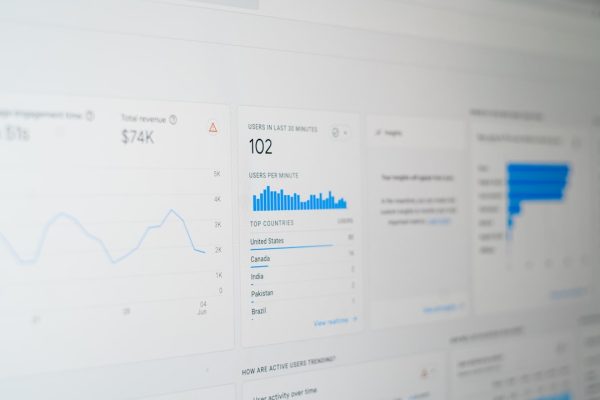
Organic traffic: Monitor overall organic traffic in Google Analytics, segmented by landing page type (service pages, blog posts, location pages). Look for month-on-month growth trends rather than daily fluctuations.
Conversions: Track meaningful actions — phone calls, booking form submissions, direction requests, and online purchases. Set up conversion tracking in Google Analytics and link it to Google Search Console data to understand which keywords drive the most valuable actions.
Google Business Profile insights: Review your profile’s performance monthly. Track discovery searches (people finding you through generic terms) versus direct searches (people searching for your business name). Monitor photo views, website clicks, and direction requests.
Revenue attribution: Where possible, tie SEO performance to actual revenue. Ask new customers how they found you, use call tracking numbers on your website, and implement booking system integrations that capture the traffic source.
Expect pet industry SEO to take three to six months to show meaningful results, with compounding returns over 12 to 24 months. Local SEO improvements (particularly Google Business Profile optimisation) often show faster results than organic ranking improvements for competitive keywords.
Frequently Asked Questions
How long does pet industry SEO take to show results?
For local SEO elements like Google Business Profile optimisation, you may see improvements within four to eight weeks. Organic rankings for competitive keywords like “vet clinic Singapore” typically take three to six months of consistent effort. Less competitive long-tail keywords and location-specific terms can rank faster. Content marketing results compound over time — a blog post published today may not peak in traffic for six to twelve months.
Should veterinary clinics and pet shops use different SEO strategies?
The core principles are the same, but the execution differs. Veterinary clinics should emphasise trust signals (qualifications, accreditations, emergency availability) and medical content. Pet shops should focus on product SEO, e-commerce optimisation, and comparison content. Groomers and boarding facilities sit somewhere in between, with strong emphasis on local SEO and visual content. Each business type has different keyword landscapes and content opportunities.
How important are online reviews for pet business SEO?
Extremely important. Reviews are a confirmed ranking factor for Google’s local pack, and they are arguably the most influential factor in a pet owner‘s decision. Pet owners are trusting you with a family member — they read reviews carefully. Aim for a steady stream of recent, genuine reviews. Respond to every review, including negative ones, with professionalism. Never buy fake reviews; Google is increasingly effective at detecting and penalising this practice.
Can a small pet business compete with large chains in SEO?
Yes, particularly in local search. Google’s local algorithm heavily favours proximity and relevance, which benefits neighbourhood businesses. A well-optimised independent groomer in Ang Mo Kio can outrank a national chain for “dog grooming Ang Mo Kio.” Small businesses can also compete through niche content — specialising in specific breeds, services, or pet types creates keyword opportunities that larger competitors often overlook. The key is consistency and focus rather than trying to rank for everything at once.
What is the most common SEO mistake pet businesses in Singapore make?
The most common mistake is neglecting their Google Business Profile. Many pet businesses set up their profile once and never update it. They miss adding services, fail to respond to reviews, do not upload new photos, and ignore the Q&A section. The second most common mistake is building a website without service-specific pages — lumping all services onto a single page instead of creating dedicated, keyword-targeted pages for each service. Both issues are straightforward to fix and deliver rapid improvements when addressed.