Waitlist Strategy: Build Anticipation and Capture Demand
Why Waitlists Work as a Marketing Tool
A waitlist is one of the most psychologically powerful tools in product marketing. It works because it leverages several cognitive biases simultaneously: scarcity (limited availability), social proof (others want this too), commitment (I have taken an action) and anticipation (the pleasure of looking forward). When executed well, a waitlist marketing strategy transforms a product launch from a cold start into a controlled release to an audience already primed to buy.
The modern waitlist has evolved far beyond simply collecting email addresses. Companies like Robinhood famously accumulated over one million waitlist signups before their public launch by combining a simple landing page with a referral mechanism that showed each subscriber their position in the queue. Closer to home, Singapore startups and established brands alike have used waitlists to validate demand, build buzz and ensure day-one revenue.
What makes the waitlist strategy particularly relevant for Singapore businesses is the market’s characteristics: a digitally connected population, high smartphone penetration, active social sharing behaviour and a culture that responds well to exclusivity signals. When a Singaporean consumer sees that a product has a waitlist, the implicit message is that demand exceeds supply — and that is a powerful motivator in a market that values quality and social currency.
This guide covers the complete waitlist marketing strategy: from deciding whether a waitlist suits your product through to landing page design, referral mechanics, email nurturing sequences and the critical conversion phase when you finally open the doors.
When to Use a Waitlist Strategy
A waitlist is not appropriate for every product launch. Used incorrectly, it creates frustration rather than anticipation. Understanding when a waitlist adds genuine value — versus when it is merely artificial scarcity theatre — is the first strategic decision.
Ideal Scenarios for a Waitlist
Waitlists work best when there is a legitimate reason to stagger access. SaaS products that need to onboard users gradually to manage server load and customer support capacity have a genuine operational reason. Products with limited initial inventory — handcrafted goods, limited-run hardware, pre-order items — naturally suit a waitlist model. Services that require careful matching (concierge services, private communities, marketplace platforms) benefit from controlling the intake pace.
They also work exceptionally well for products that are genuinely novel. If you are introducing something that requires explanation or a shift in consumer behaviour, a waitlist allows you to educate subscribers before they buy, reducing refund rates and improving satisfaction. Several Singapore fintech companies have used this approach when launching new financial products that require regulatory disclosures and consumer education.
When to Avoid a Waitlist
Do not use a waitlist if you have no capacity constraints and no legitimate reason to limit access. Consumers are increasingly savvy about manufactured scarcity, and if they discover your waitlist was artificial — that anyone who signed up was immediately granted access — it damages trust. Similarly, avoid waitlists for commoditised products where alternatives are readily available. If a customer can get the same thing elsewhere immediately, your waitlist simply pushes them to a competitor.
Waitlist as Demand Validation
One underappreciated use of waitlists is demand validation before committing to full production or development. If you are considering launching a new product line, a waitlist landing page with modest advertising spend can tell you within days whether there is genuine interest. This is significantly cheaper and faster than building first and hoping for the best. The data you collect — signup rates, geographic distribution, referral behaviour — feeds directly into your digital marketing strategy for the eventual launch.
Designing a High-Converting Waitlist Landing Page
Your waitlist landing page has one job: convert visitors into subscribers. Every element on the page should support this single objective. Resist the temptation to turn it into a full product showcase — save that for the launch.
Essential Page Elements
The page needs five things: a compelling headline, a brief explanation of what is coming, a clear value proposition for joining the waitlist (what do subscribers get that the general public does not?), an email capture form, and social proof if available.
Your headline should communicate both what the product is and why joining the waitlist matters. “Join the waitlist” alone is weak. “Be the first to access Singapore’s smartest investment tool — join 3,400 others on the waitlist” communicates exclusivity, social proof and product category in a single line.
Keep the form as simple as possible. Name and email address are the maximum fields for initial signup. Every additional field reduces conversion rates by 10-25%. You can collect additional information later through progressive profiling in your email nurturing sequence.
Design and Technical Considerations
The page should load in under 2 seconds on mobile — this is where most of your Singapore traffic will come from. Use a clean, modern design that signals the quality of the product to come. Professional web design matters here because the landing page is your first impression, and subscribers are making a judgement about your product based on the quality of this single page.
Implement proper tracking from day one. Facebook Pixel, Google Analytics 4 with conversion tracking, and UTM parameters on all inbound links are the minimum. You need to know which traffic sources drive the highest-quality signups — not just the most signups — so you can optimise your advertising spend.
Post-Signup Experience
What happens after someone submits their email is almost as important as the signup itself. The confirmation page should thank them, confirm their position (if using a queue system), explain what happens next and — critically — give them a reason and mechanism to share. This is where your referral loop begins.
Referral Mechanics and Viral Loops
The most successful waitlist campaigns grow organically through built-in referral mechanics. When each new subscriber brings in additional subscribers, your acquisition costs drop dramatically and your list grows exponentially rather than linearly.
Queue Position Referral System
The Robinhood model — where referring friends moves you up the queue — remains effective because it gives subscribers a self-interested reason to share. Each subscriber receives a unique referral link, and every successful referral improves their position. This works particularly well in Singapore where messaging apps like WhatsApp and Telegram are dominant communication channels, making link sharing frictionless.
Implementation tools include Viral Loops, SparkLoop, ReferralHero and KickoffLabs, all of which integrate with common email marketing platforms and can be embedded in a landing page. Pricing typically starts at USD 30-50 per month, which is trivial compared to the acquisition cost savings.
Reward Tiers for Referrals
An alternative to queue position is a tiered reward system: refer 3 friends and get early access, refer 5 friends and get a discount, refer 10 friends and get an exclusive bonus. This approach works well for products where a queue position is less meaningful — for instance, a consumer product launching simultaneously to all waitlist members.
Design your reward tiers carefully. The first tier should be achievable (1-3 referrals) to keep subscribers engaged. Higher tiers should offer genuinely compelling rewards that justify the effort. In Singapore, where digital word-of-mouth spreads quickly through dense social networks, even modest incentives can drive significant referral volumes.
Making Sharing Effortless
Remove every possible friction point from the sharing process. Pre-written sharing messages for WhatsApp, Telegram, Facebook, Twitter and email should be available with a single click. The messages should be written in a natural, conversational tone — not marketing-speak — because people share things that make them look good, not things that make them look like they are shilling for a brand.
Email Nurturing for Waitlist Subscribers
Collecting an email address is the beginning of a relationship, not the end of a transaction. The period between signup and launch is your opportunity to educate, build trust and increase the likelihood that subscribers convert to customers when the product becomes available.
Welcome Sequence
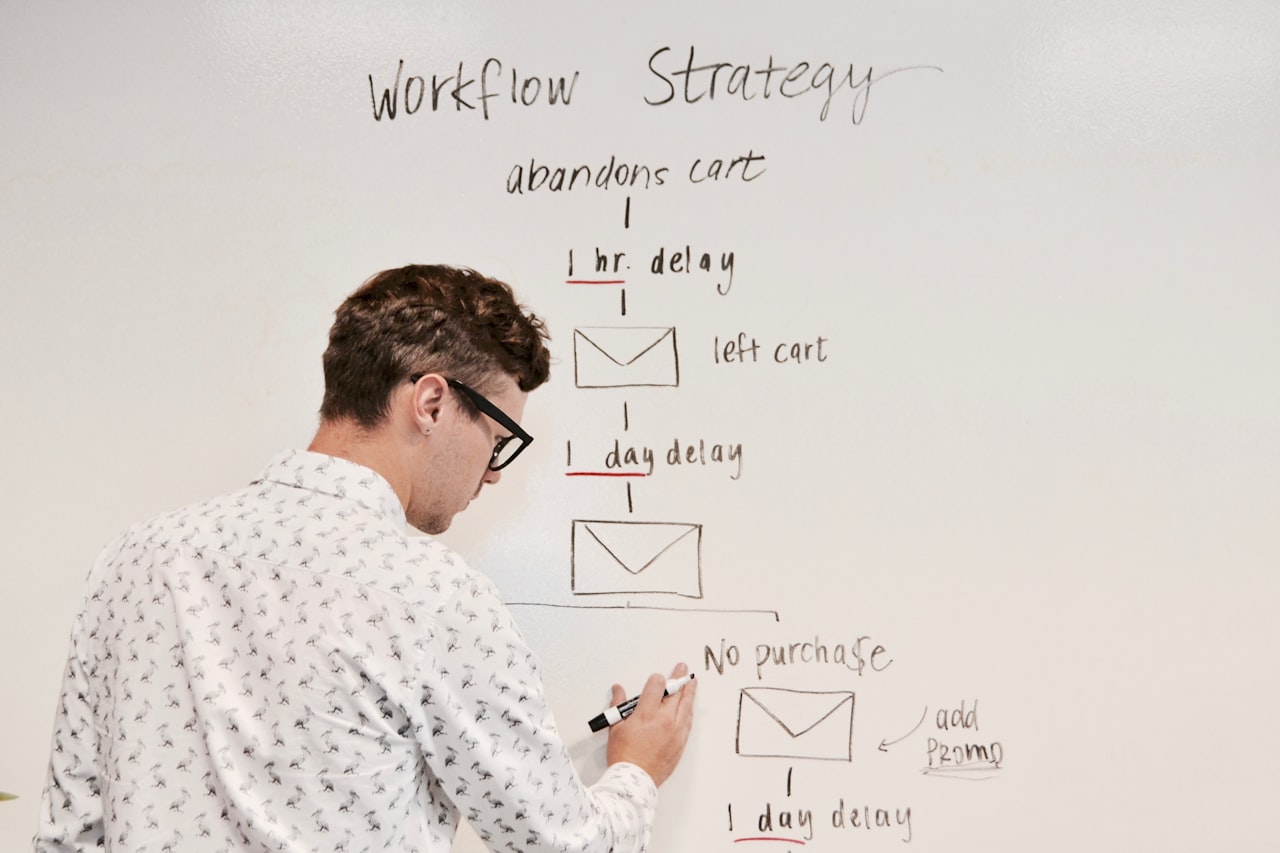
Your welcome email should send immediately upon signup. It confirms their place on the waitlist, sets expectations for communication frequency, introduces the founder or team, and includes the referral link. Open rates for waitlist welcome emails are typically 60-80% — significantly higher than standard marketing emails — so make this message count.
Follow with 3-5 emails over the first two weeks. Cover the problem your product solves, the story behind why you are building it, early teasers or previews, and social proof (number of subscribers, press mentions, advisor endorsements). Each email should feel like an insider update, not a marketing broadcast.
Ongoing Nurturing
Between the welcome sequence and launch, send regular updates — fortnightly is a good cadence for most waitlists. Content should include development milestones, behind-the-scenes glimpses, user research findings, and countdown messaging as the launch approaches.
Segment your list based on engagement. Subscribers who open every email and refer friends are your VIPs — they should receive exclusive previews and be the first cohort to gain access. Subscribers who have not opened an email in weeks may need a re-engagement message or should be deprioritised in your launch sequence. Effective email marketing for waitlists depends on this kind of intelligent segmentation.
Content That Builds Purchase Intent
Every nurturing email should subtly advance the subscriber toward a purchase decision. Share customer testimonials from beta users, publish comparison content that positions your product against alternatives, and address common objections before they become barriers at checkout. By the time you announce the launch, subscribers should feel that they already know and trust the product.
Managing Expectations and Communication
The biggest risk of a waitlist strategy is frustrating your most eager potential customers. If people sign up expecting access within days and hear nothing for months, you lose them — and you have turned potential advocates into vocal critics.
Setting Timelines
Be honest about your expected timeline from the beginning. If the product is six months from launch, say so. Subscribers who know the timeline can plan accordingly, and those who are not willing to wait self-select out — which is fine, because they were unlikely to convert anyway.
If your timeline slips (and it often does), communicate the delay before the original deadline passes. A proactive “We need an extra four weeks to get this right” email preserves trust far more effectively than silence followed by a belated explanation.
Transparency About Queue Position
If you are using a queue system, show subscribers their position. “You are number 847 of 12,340” provides concrete information and subtle social proof. Update this number in subsequent emails to show the list growing — “You are now number 847 of 23,500 — the waitlist has doubled since you joined” reinforces the subscriber’s decision to sign up early.
Handling the Long Wait
For extended waitlists (3+ months), consider offering interim value. A private community (Telegram group or Discord server), early access to content, exclusive research reports or partner discounts keep subscribers engaged and feeling that their membership has tangible benefits. This is particularly important in Singapore’s competitive market where consumers have no shortage of alternatives vying for their attention.
Converting Waitlist Subscribers to Paying Customers
The launch moment is the culmination of your waitlist strategy. The conversion rate from subscriber to customer determines whether the entire effort was worthwhile. Get this phase right and you generate immediate revenue with near-zero acquisition cost. Get it wrong and your carefully nurtured list evaporates.
Phased Rollout
Launch to your waitlist in cohorts, starting with your most engaged subscribers. This serves multiple purposes: it limits the blast radius if something goes wrong, it creates genuine scarcity (even within the waitlist, not everyone gets in at once), and it allows you to collect feedback and iterate between cohorts.
A typical rollout might be: Day 1 — top referrers and VIP subscribers. Day 3 — active email openers. Day 7 — remaining waitlist. Day 14 — general public. Each cohort receives messaging that acknowledges their priority status, reinforcing the value of having joined the waitlist.
Launch Offer and Urgency
Give waitlist subscribers a genuine advantage over the general public. A launch discount (10-20%), a limited bonus, extended trial period or exclusive feature access rewards their patience and creates conversion urgency. Time-limit the offer — “Your exclusive waitlist pricing expires in 72 hours” drives action far more effectively than an open-ended discount.
The launch email sequence should be 3-5 emails over 5-7 days: announcement, feature highlight, social proof or testimonials, objection handling, and final reminder before the offer expires. Pair this with content marketing assets (blog posts, guides, case studies) that subscribers can review as part of their purchase decision process.
Reducing Friction at Checkout
After months of building anticipation, do not lose conversions to a clunky checkout experience. Ensure your payment flow is optimised for Singapore — support PayNow, GrabPay and major credit cards alongside standard payment methods. Pre-fill information where possible, offer guest checkout, and keep the number of steps to a minimum.
Measuring Waitlist Performance
Track your waitlist performance rigorously so you can optimise in real time and build institutional knowledge for future launches.
Key Metrics to Monitor
The core metrics for a waitlist marketing strategy are: signup rate (visitors to subscribers), referral rate (subscribers who refer at least one person), viral coefficient (average referrals per subscriber), email engagement rates (open and click rates for nurturing emails), and — most importantly — conversion rate (subscribers who become paying customers).
Benchmark targets for a well-executed waitlist: landing page conversion rate of 20-40%, referral rate of 15-30%, viral coefficient above 0.5 (meaning every two subscribers bring in at least one more), and launch conversion rate of 10-25%. Track these through proper analytics and advertising platforms to attribute performance accurately.
Cohort Analysis
Analyse subscriber behaviour by cohort — when they signed up, what source they came from, and how they engage over time. Early subscribers often convert at higher rates because they have the strongest interest and the longest nurturing period. Understanding these patterns helps you predict revenue from your waitlist size and optimise your acquisition spending.
Lifetime Value Tracking
Waitlist subscribers who convert to customers tend to have higher lifetime values than customers acquired through other channels. They are more engaged, more forgiving of early-stage issues and more likely to refer others organically. Track this cohort separately in your customer analytics to quantify the long-term value of waitlist marketing and justify investment in future launches.
Frequently Asked Questions
How long should a waitlist be open before launching?
The ideal waitlist duration depends on your product readiness and marketing goals. For demand validation, 2-4 weeks of data is usually sufficient. For audience building, 2-3 months allows time for referral loops to compound and email nurturing to build purchase intent. Waitlists longer than 6 months risk subscriber fatigue — if yours will be extended, ensure you provide interim value to keep subscribers engaged throughout the waiting period.
What tools do I need to run a waitlist?
At minimum, you need a landing page builder (Carrd, Unbounce, or your own website), an email marketing platform (Mailchimp, ConvertKit, or ActiveCampaign) and analytics tracking (Google Analytics 4, Facebook Pixel). For referral mechanics, add a tool like Viral Loops, SparkLoop or KickoffLabs. Total cost ranges from SGD 50-300 per month depending on your subscriber volume and tool choices.
How do I drive traffic to my waitlist landing page?
The most effective channels for waitlist traffic in Singapore are Facebook and Instagram advertising (for B2C products), LinkedIn advertising (for B2B products), organic social media content, PR and media coverage, community engagement (Reddit, Facebook Groups, forums) and partnerships with complementary brands or influencers. Start with paid advertising to validate your landing page conversion rate, then layer in organic and referral channels to reduce your blended acquisition cost.
What conversion rate should I expect from my waitlist?
Launch conversion rates from waitlist to paying customer typically range from 5-25%, depending on your product category, pricing, nurturing quality and the strength of your launch offer. Free products or freemium models see higher conversion rates (20-40%) since the barrier is lower. Premium-priced products may see 5-10% but with higher revenue per conversion. The key lever is your nurturing sequence — well-nurtured subscribers convert at 2-3 times the rate of those who received minimal communication.
Should I show the total number of people on the waitlist?
Yes, displaying your waitlist size is a powerful social proof mechanism — provided the number is genuinely impressive for your category. A fintech app with 15,000 subscribers signals strong demand. A niche B2B tool with 200 subscribers also signals demand within its context. If your numbers are very small (under 100), consider waiting until you cross a threshold that feels meaningful before displaying the count publicly.
How do I prevent fake signups on my waitlist?
Fake signups are a genuine problem, especially if your referral programme offers tangible rewards. Implement double opt-in email confirmation to ensure valid addresses, use CAPTCHA or honeypot fields to block bots, and monitor for patterns like multiple signups from the same IP address or disposable email domains. For referral programmes, only count referrals from confirmed email addresses and consider requiring referrals to complete an action beyond signup (like opening the welcome email) before they count.
Can a waitlist strategy work for a service business?
Absolutely. Service businesses in Singapore regularly use waitlists for new programme launches, capacity-limited offerings and premium service tiers. A marketing consultancy launching a new group coaching programme, a private clinic opening a new specialist service, or a co-working space opening a new location can all benefit from a waitlist approach. The key is ensuring there is a genuine capacity constraint that justifies the waitlist — otherwise it feels forced.
What is a viral coefficient and why does it matter?
Your viral coefficient measures how many new subscribers each existing subscriber generates through referrals. A viral coefficient of 0.5 means every two subscribers bring in one new person. A coefficient of 1.0 or above means your list grows exponentially — each subscriber generates at least one new subscriber, who generates another, and so on. While a coefficient above 1.0 is rare, even a coefficient of 0.3-0.5 significantly reduces your paid acquisition costs and accelerates list growth.
How should I handle subscribers who signed up but did not get early access?
Subscribers who joined your waitlist but missed the early access window should receive a dedicated communication explaining that general access is now available, along with a meaningful (if smaller) incentive for their patience. Never make these subscribers feel penalised for not referring enough friends or opening enough emails. A message like “Thank you for your patience — here is your access along with a 10% welcome discount” maintains goodwill and still drives conversions.
Is a waitlist better than a pre-order campaign?
They serve different purposes. A waitlist captures interest without financial commitment, making it ideal for demand validation, audience building and products still in development. A pre-order campaign collects payment upfront, providing revenue and a stronger signal of purchase intent — but it also creates a fulfilment obligation and potentially consumer protection considerations under Singapore law. Many businesses use a waitlist first to build the audience, then convert waitlist subscribers to pre-orders once the product is closer to ready.