Upselling and Cross-Selling: Increase Average Order Value
Upselling vs Cross-Selling: Clear Definitions
The terms upselling and cross-selling are used interchangeably, but they describe different tactics with different mechanics. Getting the distinction right matters because each requires a different approach to timing, messaging, and product selection.
Upselling means encouraging a customer to purchase a higher-tier version of what they are already buying. A customer looking at a 128GB phone is shown the 256GB model. A client enquiring about a basic SEO package is presented with the comprehensive plan that includes technical audits and link building. The product category stays the same; the value (and price) goes up.
Cross-selling means recommending complementary products alongside the original purchase. A customer buying a laptop is shown a carry case and wireless mouse. A client purchasing web design is offered ongoing content marketing services. The product category changes; the total basket size grows.
Both strategies share one goal: increasing average order value (AOV). For Singapore businesses operating in a compact, competitive market, improving AOV is often the fastest path to profitability because it extracts more revenue from existing traffic and customer relationships without increasing acquisition costs.
The Revenue Impact
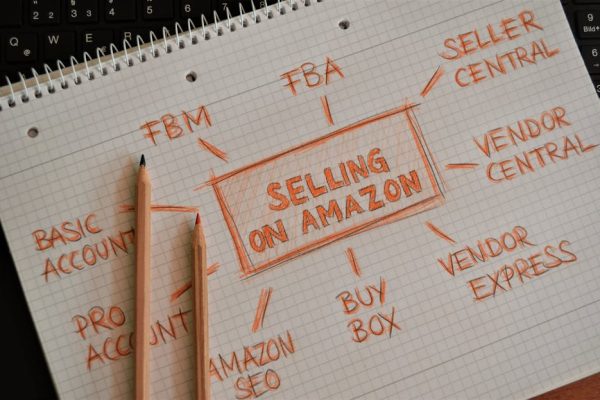
Amazon attributes approximately 35% of its revenue to cross-selling and upselling through its “frequently bought together” and “customers also bought” features. While most Singapore businesses will not match that percentage, even modest improvements are significant. Increasing AOV by 15-20% through systematic upselling and cross-selling can be the difference between a break-even year and a profitable one, particularly for e-commerce businesses where customer acquisition costs through Google Ads and social media continue to rise.
The Psychology Behind Buying More
Effective upselling and cross-selling work because they align with how the human brain makes purchasing decisions. Understanding these psychological principles helps you design offers that feel helpful rather than pushy.

Commitment and Consistency
Once someone has decided to buy, they have crossed a psychological threshold. The decision to purchase is the hard part; spending a bit more on a related item or an upgraded version requires far less mental effort. This is Robert Cialdini’s commitment and consistency principle in action — having committed to a purchase, people behave consistently with that decision by being open to spending more.
The Anchoring Effect
When a customer sees a product at SGD 200, a complementary accessory at SGD 30 feels insignificant — it is only 15% more. That same SGD 30 item, encountered independently, would face the full scrutiny of a standalone purchase decision. The original purchase price serves as an anchor that makes additional items seem relatively cheap.
Loss Aversion and Completeness
Cross-selling works particularly well when framed around what the customer might miss out on. “Without a screen protector, you risk scratching your new SGD 1,500 phone” is more compelling than “Add a screen protector for SGD 25.” The customer has already invested; the cross-sell protects that investment. The fear of loss (a scratched screen) is psychologically stronger than the appeal of a gain (a pristine screen).
Social Proof and Bundling
“80% of customers who bought this also added…” is one of the most effective cross-selling triggers because it combines social proof with a specific recommendation. It removes the burden of decision-making — if most people add this item, perhaps I should too. Bundling leverages a similar principle by presenting the combination as the default, standard choice.
Timing: When to Make the Offer
The timing of your upsell or cross-sell offer is arguably more important than the offer itself. Present it too early and you interrupt the buying decision. Present it too late and the customer has mentally closed their wallet. Each touchpoint in the customer journey offers different opportunities.
Pre-Purchase (Product Page)
Show upsell options on the product page itself. Comparison tables that highlight the features of the basic vs premium tier work well here. Keep the upgrade path clear: “For SGD 15 more per month, you also get…” This is the strongest moment for upselling because the customer is still evaluating options and has not committed to a specific tier.
Add-to-Cart Moment
When a customer clicks “Add to Cart,” display a modal or slide-out panel showing complementary items. This is the most natural cross-selling moment because the customer has committed to buying but has not yet entered the checkout flow. Keep options to 2-3 items maximum. More than that creates decision paralysis.
In-Cart and Checkout
The cart page is ideal for bundle offers (“Add these 2 items and save 10%”) and threshold-based incentives (“Spend SGD 20 more for free shipping”). Avoid introducing upsells during the actual payment step — at that point, any friction can cause abandonment. The checkout should be frictionless; the cart page can still sell.
Post-Purchase (Confirmation and Follow-Up)
The order confirmation page and follow-up emails are underused cross-selling opportunities. The customer has just bought and feels good about their decision. A well-timed “Complete your setup with…” email 24-48 hours later can capture additional sales. Post-purchase cross-selling has the added benefit of zero abandonment risk — the original purchase is already complete.
During Service Delivery
For service businesses, the delivery period is the prime upselling window. A web design agency presenting initial wireframes might identify opportunities to suggest additional pages, advanced functionality, or an ongoing maintenance plan. The client can see the value taking shape and is most receptive to enhancing the scope.
E-Commerce Upselling and Cross-Selling Techniques
Online stores have the richest toolkit for implementing upsells and cross-sells because every interaction can be tracked, personalised, and optimised.
Product Recommendations
“Frequently bought together” widgets remain one of the highest-converting cross-sell mechanisms. Display 2-4 items that genuinely complement the viewed product, with a one-click “add all to cart” button. The recommendations should be based on actual purchase data, not assumptions. If you lack transaction data, start with manual curation based on product knowledge and switch to algorithmic recommendations once you have sufficient data.
Tiered Product Pages
Present products in good-better-best tiers with the middle option highlighted as “most popular.” This anchoring technique makes the premium option seem reasonable while nudging customers away from the cheapest tier. Highlight the specific features that differentiate each tier, focusing on outcomes rather than specifications.
Cart Threshold Incentives
Progress bars showing “You’re SGD 18 away from free shipping” or “Add SGD 30 more to unlock a free gift” are simple but effective. They give customers a specific, achievable target. The psychology of “almost there” drives incremental spending. Set thresholds based on your AOV — typically 20-30% above your current average — to nudge spending upward meaningfully.
Product Bundles
Create pre-assembled bundles that offer 5-15% savings compared to buying items individually. The key is making the bundle feel curated, not random. “Work From Home Essentials Kit” bundles a desk lamp, cable organiser, and ergonomic mouse pad — items that share a purpose. Price the bundle so it is genuinely cheaper than the components, but not so cheap that it cannibalises individual sales from customers who only want one item.
Urgency and Scarcity on Upgrades
“Upgrade to the Pro plan today and lock in the current price before it increases next month.” Time-limited upgrade offers create urgency that can tip the decision. Use this sparingly and honestly — fake urgency damages trust, especially in Singapore’s well-connected consumer market where deceptive practices get called out quickly on social media.
Upselling for Service Businesses
Service businesses in Singapore — agencies, consultancies, professional services — face different upselling dynamics because the purchase is relational, the product is intangible, and the decision-maker is often a senior person who resists being “sold to.”
Scope Expansion During Discovery
The best service upsells emerge naturally during discovery or onboarding when you uncover needs the client did not initially articulate. A digital marketing agency engaged for paid search might discover during the audit that the client’s landing pages are poorly optimised. Rather than a hard sell, a consultative observation — “Your ad performance will be constrained by these landing page issues; would you like us to address those as well?” — frames the upsell as problem-solving.
Retainer Upgrades
For clients on monthly retainers, quarterly business reviews are the ideal moment to discuss scope upgrades. Present results, show what is working, and then outline what additional investment could achieve. Concrete projections (“Adding social media marketing to your current SEO programme could increase lead volume by an estimated 30-40%”) give clients a basis for the decision.
Productised Add-Ons
Create clearly defined, fixed-price add-on services that clients can buy without a lengthy proposal process. A branding agency might offer a “Social Media Brand Kit” add-on for SGD 1,200 that includes profile templates, story templates, and brand guidelines for social platforms. Productised add-ons lower the barrier to buying more because the scope, deliverable, and price are all predetermined.
Training and Workshops
Offer training sessions as an upsell to service delivery. After building a client’s email marketing system, offer a half-day workshop to train their team on running campaigns. This creates additional revenue, deepens the relationship, and makes the client more effective — which in turn makes them more likely to see value in your services and renew.
Tools and Technology
The right tools make upselling and cross-selling systematic rather than ad hoc. Here are the key categories and options relevant to Singapore businesses.
E-Commerce Platforms
Shopify’s built-in product recommendations are basic but functional. Apps like Bold Upsell, ReConvert, and Zipify OneClickUpsell add post-purchase upsells, in-cart cross-sells, and funnel-based offers. WooCommerce has plugins like CartFlows and WooCommerce Product Recommendations. Magento offers Adobe Sensei-powered recommendations for enterprise stores.
Recommendation Engines
For larger catalogues, dedicated recommendation engines like Nosto, Dynamic Yield, or Clerk.io use machine learning to serve personalised product suggestions. These tools analyse browsing behaviour, purchase history, and product attributes to surface relevant recommendations. They typically pay for themselves within 2-3 months for stores with 500+ products and 10,000+ monthly visitors.
Email Marketing Tools
Post-purchase cross-selling relies heavily on email marketing. Klaviyo, Omnisend, and Drip all offer automated post-purchase flows with product recommendation blocks. Set up sequences triggered by specific purchases: someone who buys running shoes gets an email about running socks, insoles, and hydration accessories 48 hours later.
CRM and Sales Tools
For service businesses, CRM platforms like HubSpot, Pipedrive, and Salesforce can flag upsell opportunities based on client activity, contract renewal dates, and engagement patterns. Custom fields tracking “services not yet purchased” help account managers identify and pursue cross-sell opportunities systematically.
Measuring Success
You cannot improve what you do not measure. Track these metrics to evaluate and optimise your upselling and cross-selling programme.
Average Order Value (AOV)
The headline metric. Calculate AOV as total revenue divided by number of orders. Track it weekly and segment by channel, device, and customer type (new vs returning). A rising AOV indicates your upsell and cross-sell tactics are working; a flat or falling AOV despite tactical changes suggests the offers are not resonating.
Revenue Per Visitor (RPV)
RPV combines conversion rate and AOV into a single metric: total revenue divided by total visitors. It is more useful than AOV alone because an upselling tactic that increases AOV but tanks conversion rate could actually reduce total revenue. RPV captures both effects.
Upsell Take Rate
What percentage of customers accept your upsell offer? Track this by offer type and placement. A well-targeted upsell should achieve a 10-25% take rate. Below 5% suggests the offer is irrelevant or poorly timed. Above 30% suggests you are under-pricing the upsell or the base product is missing something essential.
Units Per Transaction
For cross-selling specifically, track the average number of items per order. This metric isolates the cross-selling effect from price changes that might inflate AOV without actually selling more products.
Customer Lifetime Value Impact
Do customers who accept upsells and cross-sells have higher lifetime value? In most cases, yes — they are more engaged and have demonstrated willingness to invest. Track LTV by segment to confirm this and use the data to justify investment in better upselling tools and tactics.
Singapore Market Examples
Singapore businesses across sectors have implemented effective upselling and cross-selling strategies. Here are patterns that work in the local market.

F&B and Quick-Service Restaurants
The classic “Would you like to upsize?” is upselling in its purest form. Singapore QSRs have refined this further — GrabFood and Foodpanda both show “Popular add-ons” during checkout, with items curated to complement the order. Bubble tea chains are masters of upselling: every order involves decisions about size, sugar level, toppings, and premium tea bases, each incrementing the price by SGD 0.50-2.00.
Telecommunications
Singtel, StarHub, and M1 cross-sell aggressively during plan sign-ups. A mobile plan purchase triggers offers for broadband, streaming subscriptions, and device protection. The cross-sell works because the products share a billing relationship — adding a service to an existing account is frictionless. Bundled pricing (mobile + broadband + TV for less than the sum of individual plans) is cross-selling disguised as a discount.
E-Commerce and Marketplace
Shopee and Lazada use algorithmic cross-selling extensively, but smaller Singapore e-commerce brands achieve strong results with simpler approaches. A local skincare brand includes product samples in every order, each with a QR code linking to a discounted purchase page. This physical cross-sell achieves a 12-15% conversion rate — far higher than digital recommendations alone.
Professional Services
Singapore law firms, accounting practices, and consulting firms cross-sell through client relationship management rather than digital tactics. A corporate secretary firm that handles annual filings might identify clients who also need accounting services. The cross-sell happens through relationship managers who understand the client’s full needs, not through automated recommendations.
Frequently Asked Questions
What is a good upsell take rate?
A healthy upsell take rate ranges from 10-25% depending on the industry, product, and offer relevance. E-commerce product upgrades typically see 10-15%, while service upsells during delivery can reach 20-30% because the offer is more personalised and the relationship context is stronger.
How much should the upsell cost relative to the original product?
Keep the upsell price within 25-40% of the original product price. A customer buying a SGD 100 item is comfortable adding SGD 25-40 but will baulk at a SGD 80 add-on. For SaaS tier upgrades, the premium should be 30-60% above the base tier — enough to be meaningful but not so much that it feels like a different product entirely.
When does cross-selling become annoying?
Cross-selling becomes annoying when it is irrelevant (suggesting unrelated products), excessive (showing 10 recommendations on every page), or obstructive (pop-ups that interrupt the checkout flow). Limit cross-sell offers to 2-3 relevant items at each touchpoint, and never make them harder to dismiss than to accept.
Can upselling hurt my brand?
Aggressive or deceptive upselling (dark patterns, pre-checked add-ons, hidden price increases) will absolutely hurt your brand. Helpful upselling — genuinely recommending a better solution for the customer’s needs — builds trust. The test is simple: would the customer thank you for the suggestion? If yes, it is a good upsell. If they would feel manipulated, it is a bad one.
Should I offer free shipping thresholds as a cross-selling tool?
Yes, if the economics work. Calculate whether the additional revenue from higher AOV exceeds the shipping cost. For most Singapore e-commerce businesses, a free shipping threshold set 25-30% above the current AOV drives meaningful basket increases. If your average order is SGD 60, set free shipping at SGD 79 — close enough to feel achievable, far enough to add meaningful revenue.
How do I cross-sell services without seeming pushy?
Frame cross-sells as insights, not pitches. “During our SEO audit, we noticed your site speed scores are impacting rankings — here’s what we found” is an insight that naturally leads to a web performance service discussion. Send value first, then discuss scope. Quarterly business reviews are the ideal setting because they are structured for strategic discussion.
What is the best post-purchase email timing for cross-selling?
Send the first cross-sell email 24-48 hours after purchase for digital products and 3-5 days after delivery for physical products. The customer needs time to receive and engage with the initial purchase before they are receptive to buying more. Follow up with a second recommendation email 7-10 days later if the first was not acted upon.
Do product bundles cannibalise individual product sales?
There is some cannibalisation risk, but it is usually outweighed by higher total revenue. Mitigate this by pricing bundles at only a 5-15% discount (not a deep cut), limiting bundle availability to certain periods or channels, and ensuring the individual products remain prominently available. Monitor both bundle sales and individual product sales to catch any negative trends early.
How do I upsell subscription customers to annual plans?
Offer annual plans with a 15-20% discount versus monthly billing, presented at the point of sign-up and again at the 3-month mark when the customer has experienced enough value to commit. Highlight the total savings in dollar terms (“Save SGD 72 per year”) rather than percentage terms, as the absolute number feels more tangible.
Can I use AI for product recommendations in a small e-commerce store?
AI-powered recommendations typically require a minimum of 5,000-10,000 monthly sessions and several hundred transactions to generate meaningful patterns. Below that threshold, manual curation based on product knowledge outperforms algorithms. Start with manually curated “frequently bought together” sets and switch to algorithmic recommendations once you have sufficient data volume.