Trade Associations in Singapore: Network and Grow as a Foreign Business
Table of Contents
- Why Trade Associations Matter for Foreign Companies in Singapore
- International Chambers of Commerce
- Industry-Specific Trade Associations
- Key Singapore Business Organisations
- Maximising Networking Opportunities
- Accessing Market Intelligence Through Associations
- Business Development and Partnerships
- Choosing the Right Associations for Your Business
- Frequently Asked Questions
Why Trade Associations Matter for Foreign Companies in Singapore
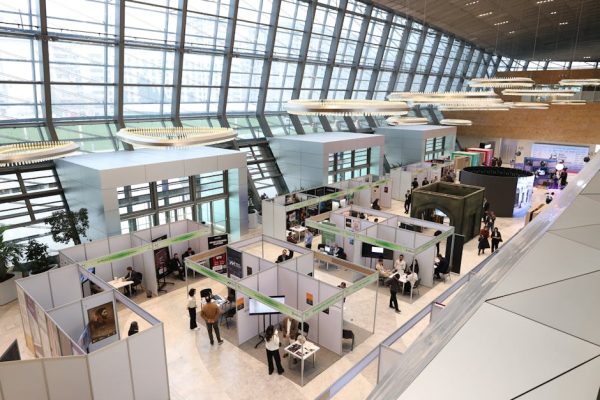
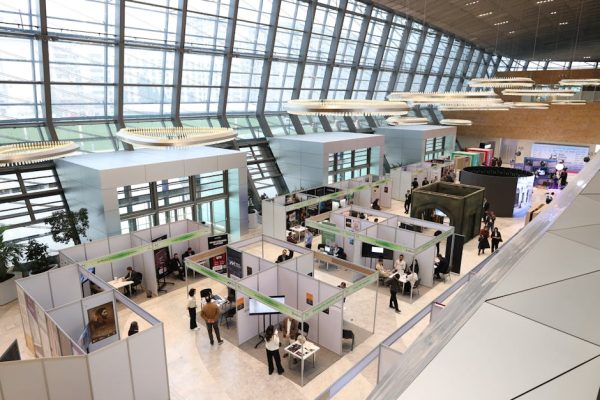
For foreign companies entering Singapore, trade associations and business chambers represent one of the most efficient pathways to building networks, accessing market intelligence and establishing credibility. Understanding the role of trade associations singapore foreign companies can leverage is fundamental to a successful market entry strategy. While digital channels provide broad visibility, the relationships built through association memberships often open doors that marketing alone cannot.
Singapore hosts one of the densest concentrations of trade associations, bilateral business chambers and professional organisations in Asia. The city-state’s role as a regional hub means that associations based in Singapore typically offer access not just to the local market but to networks spanning Southeast Asia, China, India, Australia and beyond. For foreign companies, this creates extraordinary leverage — a single Singapore-based membership can provide introductions, market insights and partnership opportunities across multiple markets.
Trade associations in Singapore serve several critical functions for foreign businesses. They provide warm introductions to potential clients, partners, suppliers and investors through structured networking events. They offer market intelligence through industry reports, member surveys and expert briefings. They advocate for business-friendly policies and regulatory frameworks. And they provide a platform for visibility, positioning foreign companies as serious, committed market participants rather than tentative explorers.
The Singapore Networking Culture
Business culture in Singapore values personal relationships alongside professional credentials. While Singaporeans are pragmatic and outcome-oriented, trust built through face-to-face interaction significantly accelerates business development. Trade association events provide structured settings for relationship building that feel organic rather than transactional. A foreign company that is known and visible within relevant association circles gains informal endorsements and referrals that carry substantial weight in Singapore’s interconnected business community.
International Chambers of Commerce
Singapore hosts more than 40 international chambers of commerce representing countries from every continent. These bilateral chambers serve as bridges between Singapore and their respective home countries, making them natural first stops for foreign companies entering the Singapore market.

Major International Chambers
The American Chamber of Commerce in Singapore (AmCham) is one of the largest and most active international chambers, with over 5,500 members representing more than 600 companies. AmCham provides extensive programming including business luncheons, policy dialogues, industry committees and networking events. For American companies, AmCham offers a ready-made network of peers with Singapore market experience.
The European Chamber of Commerce (EuroCham) represents European business interests in Singapore, offering industry committees, networking events and policy advocacy. Individual country chambers — including the British Chamber of Commerce, German Chamber of Commerce (SGC), French Chamber of Commerce and Italian Chamber of Commerce — provide country-specific networking and support services. These chambers often facilitate introductions to local partners, share market entry guidance and host events featuring government officials and industry leaders.
The Australian Chamber of Commerce (AustCham), Canadian Chamber of Commerce and chambers representing Japan, South Korea, India, China and ASEAN nations each maintain active presences in Singapore. For companies from these countries, their respective chambers offer the most immediately relevant networks and cultural familiarity.
Benefits of International Chamber Membership
International chamber membership provides structured access to networking events, business directories, market reports and advocacy services. Many chambers offer tiered membership levels, from individual or startup memberships to premium corporate memberships that include board-level networking and exclusive briefings. Chambers regularly organise business delegations, trade missions and matchmaking sessions that connect foreign companies with potential Singapore partners. Building a strong brand presence alongside chamber membership reinforces your positioning in the market.
Industry-Specific Trade Associations
Beyond bilateral chambers, Singapore hosts numerous industry-specific trade associations that bring together companies operating within particular sectors. These associations offer deeper industry expertise, more targeted networking and closer alignment with sector-specific regulatory and market dynamics.
Technology and Digital
The Singapore Computer Society (SCS) is the leading ICT professional association, offering membership to individuals and companies in the technology sector. The Singapore FinTech Association (SFA) represents the fintech ecosystem with over 900 members. The Singapore Semiconductor Industry Association (SSIA) serves the semiconductor and electronics sector. SGTech (formerly the Singapore Infocomm Technology Federation) represents the technology industry broadly. For foreign technology companies, these associations provide access to the local tech ecosystem, talent networks and regulatory insights.
Financial Services
The Association of Banks in Singapore (ABS) represents the banking industry. The Investment Management Association of Singapore (IMAS) serves the asset management sector. The Singapore Venture and Private Capital Association (SVCA) represents the private equity and venture capital community. For foreign financial services companies, industry association membership signals credibility to regulators and potential partners in Singapore’s heavily regulated financial sector.
Manufacturing and Trade
The Singapore Manufacturing Federation (SMF) is one of the largest industry bodies, representing over 3,000 member companies across manufacturing sectors. The Singapore Business Federation (SBF) represents the broader business community, including manufacturers, traders and service providers. The Singapore Logistics Association and Singapore Retailers Association serve their respective sectors. These associations offer trade facilitation services, industry benchmarking data and advocacy on issues affecting foreign manufacturers and traders in Singapore.
Professional Services
The Law Society of Singapore, Institute of Singapore Chartered Accountants (ISCA), Singapore Institute of Directors (SID) and Marketing Institute of Singapore represent professional service sectors. Foreign professional services firms benefit from these memberships through access to continuing education programmes, regulatory updates, professional standards guidance and networking with potential clients and referral partners.
Key Singapore Business Organisations
Several umbrella business organisations in Singapore provide broad networking and advocacy services that complement sector-specific and bilateral chambers.
Singapore Business Federation (SBF)
The SBF is the apex business chamber representing over 28,000 companies across all sectors of the economy. As a member of the International Chamber of Commerce, the SBF provides a gateway to global business networks. For foreign companies, SBF membership offers visibility within Singapore’s broader business community, access to government consultation processes and participation in major business events and trade shows.
Singapore National Employers Federation (SNEF)
SNEF represents employers in Singapore, providing guidance on employment law, industrial relations, workplace practices and human resource management. For foreign companies establishing operations with local employees, SNEF membership offers practical employment advisory services, training programmes and access to wage benchmarking data essential for competitive compensation planning.
Enterprise Singapore and TAFEP
While not membership organisations in the traditional sense, Enterprise Singapore and the Tripartite Alliance for Fair and Progressive Employment Practices (TAFEP) provide important services for foreign companies. Enterprise Singapore offers business advisory services, market intelligence and connections to government support programmes. TAFEP provides guidance on fair employment practices, which foreign companies must understand and adhere to when hiring in Singapore.
Maximising Networking Opportunities
Joining associations is only the first step. Extracting genuine value requires active, strategic participation that builds relationships and visibility over time.

Attending Events Strategically
Most associations host a range of events including formal dinners, business luncheons, networking cocktails, panel discussions, workshops and annual galas. Rather than attending every event, identify those most likely to connect you with your target audience. Pre-event research — reviewing attendee lists when available, researching speakers and understanding the event format — maximises the value of each attendance. Follow up with new contacts within 48 hours, referencing specific conversation points to demonstrate genuine interest.
Joining Committees and Working Groups
Active participation in association committees and working groups provides deeper engagement than event attendance alone. Committee members develop closer relationships with fellow members, gain visibility as industry contributors and access decision-makers within the association. For foreign companies, committee participation signals long-term commitment to the Singapore market. Consider joining committees aligned with your expertise — marketing, technology, sustainability, policy or industry-specific working groups — where your contribution is genuine and visible.
Speaking and Thought Leadership
Volunteering to speak at association events, contribute to publications or participate in panel discussions positions your company as a thought leader. Associations constantly seek speakers with fresh perspectives and relevant expertise. A foreign company executive sharing insights from their home market, discussing global industry trends or presenting case studies provides value to association members while building brand authority. Complement speaking engagements with a strong content marketing programme that amplifies these thought leadership positions across digital channels.
Accessing Market Intelligence Through Associations
Trade associations are rich sources of market intelligence that would be expensive or impossible to obtain independently. This intelligence provides foreign companies with nuanced understanding of the Singapore market beyond what public sources offer.
Industry Reports and Research
Many associations publish annual industry reports, member surveys, salary benchmarks, market outlook analyses and regulatory updates available exclusively to members. These reports provide granular data on market size, growth trends, competitive landscapes and consumer behaviour within specific sectors. For foreign companies developing market entry strategies, this proprietary data informs more accurate business planning than generic market research.
Regulatory and Policy Insights
Associations maintain close relationships with government agencies and regulators, providing members with early visibility on policy changes, regulatory updates and consultation opportunities. For foreign companies unfamiliar with Singapore’s regulatory landscape, this intelligence is invaluable. Associations often provide interpretation guidance — explaining not just what regulations say but how they are practically applied and enforced, which nuances are difficult to discern from official documentation alone.
Peer Intelligence and Benchmarking
Informal conversations at association events provide intelligence that no report can capture. Learning from peers who have already navigated Singapore market entry challenges — which vendors are reliable, what pitfalls to avoid, how specific processes actually work — accelerates your own learning curve. Association membership places you in environments where such conversations occur naturally, providing a continuous feed of practical, current market intelligence. Combining these insights with a robust digital marketing strategy gives foreign brands a comprehensive competitive advantage.
Business Development and Partnerships
Trade associations are powerful business development engines for foreign companies. Beyond networking, associations provide structured mechanisms for identifying, evaluating and connecting with potential business partners, clients, suppliers and investors.
Business Matching Services
Many associations offer formal business matching services that connect companies with complementary interests. These services range from simple member directory access to curated introductions based on specific business needs. International chambers often facilitate cross-border matchmaking between their Singapore members and companies in their home countries, creating valuable two-way connections.
Trade Missions and Delegations
Associations regularly organise trade missions, business delegations and market visits that provide structured opportunities for business development. Participating in an inbound delegation from your home country to Singapore provides credibility through association endorsement and access to pre-arranged meetings with potential partners. Similarly, joining Singapore-based delegations to regional markets leverages association networks for business development across Southeast Asia.
Member Directories and Referrals
Association member directories provide vetted contact lists of companies operating in Singapore across various sectors. These directories are particularly valuable for identifying potential suppliers, service providers, partners and clients. The implicit endorsement of membership — being part of a reputable association — facilitates warmer initial contacts and faster trust building compared to cold outreach. Investing in your online presence ensures that contacts who search for your company after association events find a professional, credible website.
Choosing the Right Associations for Your Business
With dozens of associations available, foreign companies must select memberships strategically rather than joining indiscriminately. The right portfolio of memberships depends on your industry, target audience, business objectives and available resources for active participation.
Evaluating Association Fit
Before joining an association, evaluate several factors. Membership composition — do the member companies include your target clients, potential partners or relevant peers? Activity level — how frequently does the association host events, and what is typical attendance? Relevance — does the association’s focus align with your strategic priorities in Singapore? Reputation — is the association well-regarded within the Singapore business community? Cost — do membership fees and event costs fit your budget relative to expected returns?
Starting with Your Home Country Chamber
For most foreign companies, joining their home country’s chamber of commerce in Singapore is the logical first step. These chambers understand the specific challenges companies from your country face in Singapore and provide culturally familiar networking environments. Home country chambers often have established relationships with Singapore government agencies and can facilitate introductions that might otherwise take months to arrange independently.
Building a Balanced Portfolio
A balanced association portfolio typically includes one bilateral chamber (your home country), one industry-specific association and one broader business organisation. This combination provides access to country-specific support, industry-depth networking and cross-sector exposure. As your Singapore presence matures, you can adjust your portfolio — adding or changing memberships based on evolving business priorities and the value delivered by each association. Complement your offline networking with a comprehensive online visibility strategy that ensures contacts can find you digitally.
Frequently Asked Questions
How much do trade association memberships cost in Singapore?
Membership fees vary significantly by organisation and membership tier. International chambers of commerce typically charge SGD 500 to SGD 5,000 annually for corporate memberships, with premium tiers reaching SGD 10,000 or more for large companies seeking board-level access. Industry associations generally charge SGD 300 to SGD 2,000 annually. Most associations offer tiered pricing based on company size, with startup and SME rates available at lower price points. Individual memberships are typically cheaper than corporate memberships.
Can foreign companies join Singapore trade associations without a local entity?
Most international chambers of commerce accept members regardless of whether they have a Singapore entity, recognising that companies may join during the market exploration phase. Some Singapore industry associations require a local registered entity for full membership but may offer associate or overseas member categories. Check individual association requirements before applying. Many associations welcome foreign companies at any stage of market entry.
How long does it take to see business results from association membership?
Meaningful business results from association membership typically take six to twelve months of active participation. Initial months focus on building visibility and relationships through event attendance and committee involvement. Business opportunities — referrals, partnerships, client introductions — emerge as your network grows and trust develops. Companies that attend events sporadically without active engagement may see limited returns. Consistency and genuine contribution to the association community accelerate results.
Which associations are best for technology companies entering Singapore?
Technology companies should consider SGTech (Singapore’s technology industry association), the Singapore Computer Society (SCS), the Singapore FinTech Association (SFA) if in financial technology, and their home country chamber of commerce. AmCham Singapore has an active technology committee. The French Tech Singapore community is notable for French technology companies. Industry-specific associations in areas like cybersecurity, artificial intelligence and blockchain also maintain active Singapore chapters.
Do associations help with government connections?
Yes, established trade associations maintain strong relationships with Singapore government agencies including EnterpriseSG, EDB, MAS, IMDA and various ministries. Associations regularly invite government officials to speak at events, participate in policy consultations and facilitate introductions between members and government representatives. Some associations have formal government liaison roles and can arrange briefings or meetings on specific policy or regulatory topics relevant to their members.
Are there associations specifically for startup companies?
Singapore’s startup ecosystem is served by several organisations including the Singapore Venture and Private Capital Association (SVCA), ACE (Action Community for Entrepreneurship) and various accelerator and incubator networks. Many international chambers have startup membership tiers and entrepreneur committees. Co-working spaces like JTC LaunchPad, WeWork and The Great Room also host community events that serve a similar networking function for early-stage companies. The startup ecosystem in Singapore is notably collaborative and accessible.
How can foreign companies maximise the value of association events?
Maximise event value by preparing beforehand — research attendees, set specific networking goals and prepare concise introductions about your company and its Singapore objectives. During events, focus on quality conversations rather than collecting the most business cards. Ask questions about others’ businesses before discussing your own. Follow up within 48 hours with personalised messages referencing specific conversation topics. Volunteer to help organise events or contribute to association initiatives, which provides deeper relationship building than passive attendance.
Can associations help with hiring local talent?
Several associations facilitate talent acquisition through job boards, career events and professional development programmes. Industry associations often host career fairs or maintain job listing services for members. Professional associations like ISCA and the Law Society maintain practitioner directories. Networking at association events also provides access to referral hiring — a highly effective recruitment channel in Singapore’s relationship-driven business culture. Some associations offer internship programmes connecting member companies with local university students.
What is the difference between a chamber of commerce and a trade association?
Chambers of commerce are typically bilateral organisations representing business relationships between two countries. They focus on facilitating trade, investment and business connections between the countries. Trade associations are industry-specific organisations representing companies within a particular sector, focusing on industry advocacy, standards, professional development and sector-specific networking. Both provide networking and business development opportunities, but chambers offer country-focused support while trade associations offer industry-focused expertise.
Should foreign companies join multiple associations simultaneously?
Joining two to four associations is typical for foreign companies in Singapore. A balanced approach includes your home country chamber, one or two industry associations and potentially one broader business organisation. Joining too many associations dilutes your participation quality and budget without proportional returns. Start with two or three memberships, participate actively for six to twelve months and then evaluate whether to add, change or reduce memberships based on the business value delivered by each.