
Sustainable Marketing: How Brands Can Go Green Without Greenwashing
Table of Contents
What Is Sustainable Marketing?
Sustainable marketing is the practice of promoting products, services and brand values in a way that accounts for environmental and social impact alongside commercial objectives. It goes beyond simply advertising green products. It means embedding sustainability into every aspect of how you communicate with and serve your customers.
Sustainable marketing operates at two levels. At the strategic level, it means developing products and services that meet customer needs without depleting natural resources or harming communities. At the communications level, it means being transparent, honest and evidence-based when making environmental or social claims in your marketing materials.
For Singapore businesses, sustainable marketing sits at the intersection of consumer demand, regulatory direction and competitive advantage. The Singapore Green Plan 2030 has set national sustainability targets that affect every industry. Consumers, particularly younger demographics, increasingly factor sustainability into purchase decisions. Brands that communicate their sustainability efforts effectively gain trust and loyalty.
Why Sustainable Marketing Matters Now
Consumer expectations have shifted. A 2025 survey by Deloitte found that 60 per cent of Southeast Asian consumers have made at least one purchasing decision based on a brand’s environmental credentials. In Singapore, where consumers are well-educated and digitally connected, sustainability claims are scrutinised more closely than in many markets.

Regulatory pressure is increasing. Singapore’s mandatory climate reporting requirements for listed companies, the upcoming carbon tax increases and sector-specific sustainability standards mean that businesses must back up their green claims with verifiable data. Marketing messages that overstate sustainability credentials risk regulatory action as well as reputational damage.
Investors and B2B buyers care about sustainability. ESG (Environmental, Social and Governance) criteria influence investment decisions and procurement policies. A company with authentic sustainability credentials has an advantage when pitching to corporate clients, applying for government tenders or seeking investment. Brand positioning that includes genuine sustainability commitments opens doors that purely commercial messaging cannot.
Sustainability is a long-term competitive advantage. Price and features can be copied quickly. A genuine sustainability commitment, built over years through consistent action and transparent communication, creates a brand moat that competitors cannot easily replicate. Businesses that invest in sustainable marketing now are building equity that will appreciate as sustainability becomes even more important to consumers and regulators.
The Greenwashing Problem
Greenwashing is the practice of making misleading claims about the environmental benefits of a product, service or company. It ranges from vague claims like “eco-friendly” with no supporting evidence, to outright fabrication of sustainability credentials. Greenwashing erodes consumer trust not just in the offending brand, but in sustainability claims across the entire market.
Common greenwashing tactics include using green imagery and nature-themed packaging to imply environmental benefits where none exist; highlighting one small sustainable initiative while ignoring significant environmental harm elsewhere in the business; using made-up certifications or labels that sound official but have no third-party verification; and making technically true but misleading claims, such as “CFC-free” for products where CFCs have been banned for decades.
The consequences of greenwashing are significant. Social media makes it easy for consumers and activists to call out misleading claims, and reputational damage spreads quickly. Regulatory bodies in Singapore and globally are increasing enforcement against misleading environmental claims. The Advertising Standards Authority of Singapore (ASAS) guidelines cover environmental claims in advertising, and brands found to be greenwashing face reputational damage that is difficult to reverse.
The solution is not to avoid sustainability messaging altogether, but to ensure that every claim is specific, verifiable and supported by evidence. “We reduced packaging waste by 30 per cent in 2025” is a credible claim. “We are committed to the environment” is empty.
Building an Authentic Sustainable Brand
Start with genuine action, not marketing. Audit your business operations to identify where you can reduce environmental impact: energy consumption, packaging, supply chain, waste management and transportation. Set specific, measurable targets and make progress before communicating publicly. Authenticity requires substance behind the message.
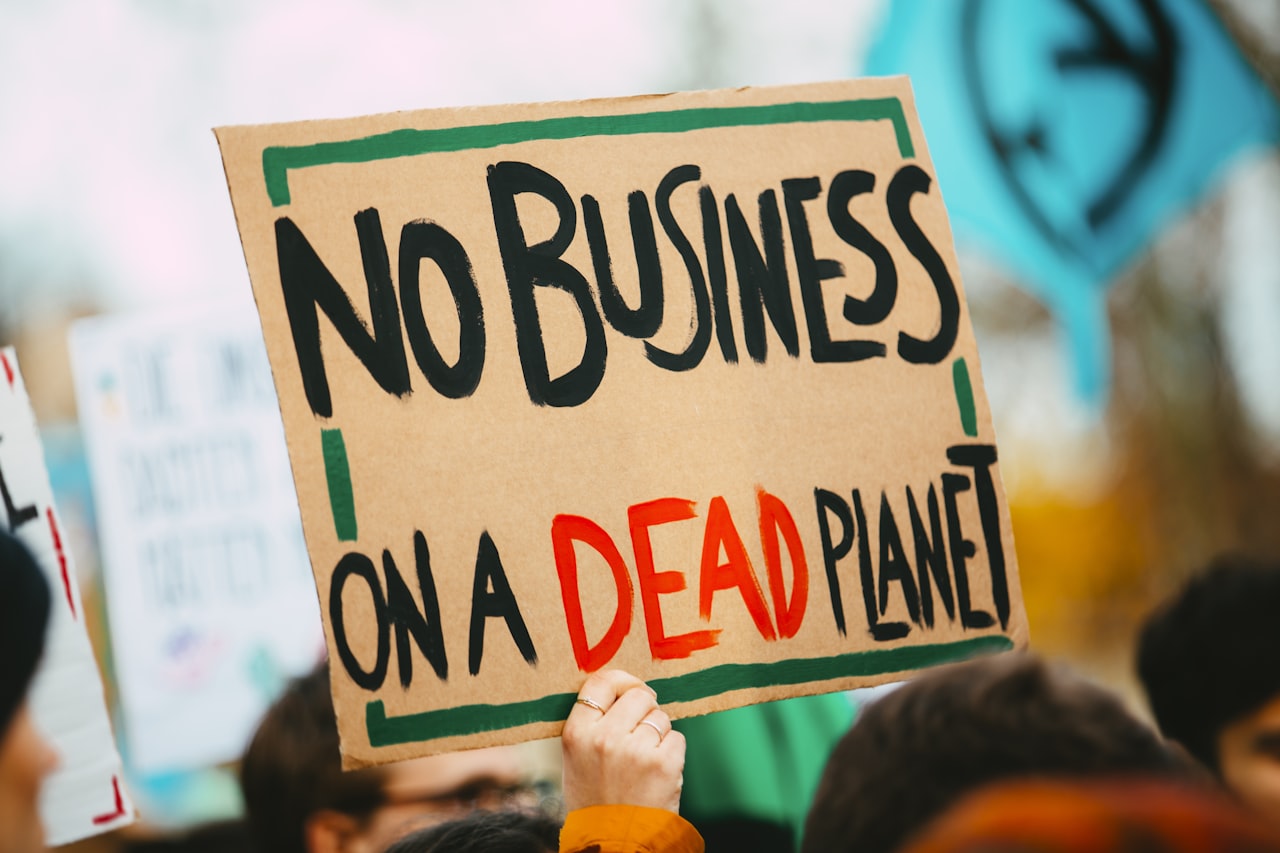
Be transparent about where you are on the journey. No business is perfectly sustainable, and consumers do not expect perfection. They expect honesty. Acknowledge areas where you are still improving alongside areas where you have made progress. “We have switched to 100 per cent recyclable packaging for our top 10 products and are working toward full range coverage by 2027” is more credible than claiming to be a completely green company.
Use third-party certifications and standards to validate your claims. B Corp certification, ISO 14001 (environmental management), the Singapore Green Building Mark and industry-specific sustainability standards provide independent verification that your claims are genuine. These certifications require rigorous auditing and create credible proof points for your marketing.
Involve your customers in the sustainability journey. Share behind-the-scenes content about your sustainability initiatives. Educate customers about how they can reduce their own environmental impact. Create programmes that let customers participate, such as recycling schemes, carbon offset options or buy-back programmes. Engaged customers become advocates who amplify your message authentically.
Sustainable Marketing Strategies That Work
Tell stories, not statistics. While data is essential for credibility, stories create emotional connection. Share the journey of how your business is becoming more sustainable: the challenges you faced, the choices you made and the impact of those choices. A story about redesigning your packaging to eliminate plastic resonates more than a bullet point about reducing plastic by X per cent.
Integrate sustainability into your content marketing naturally. Rather than creating a separate “sustainability” section on your website, weave sustainability messages into your regular content. A product page can mention sustainable materials. A blog post about industry trends can include environmental considerations. A case study can highlight the sustainability benefits delivered to a client.
Use digital channels to reduce the environmental impact of marketing itself. Digital marketing is inherently more sustainable than print-heavy traditional campaigns. Email replaces direct mail. Virtual events replace travel-intensive conferences. Digital catalogues replace printed brochures. Highlight these choices as part of your sustainability narrative where appropriate.
Partner with organisations that share your values. Collaborate with environmental non-profits, sustainability-focused industry groups and community organisations. These partnerships provide content opportunities, credibility through association and access to like-minded audiences. In Singapore, organisations like the Singapore Environment Council and Zero Waste SG offer partnership and certification programmes for businesses.
Sustainable Marketing in Singapore
Singapore’s Green Plan 2030 creates a framework that every business should understand. The plan targets areas including green buildings, sustainable transport, a circular economy and climate resilience. Businesses that align their marketing with these national priorities demonstrate relevance and forward-thinking positioning.
The Singapore Green Labelling Scheme, administered by the Singapore Environment Council, certifies products that meet environmental standards. Products carrying the Singapore Green Label gain credibility with environmentally conscious consumers and are preferred in government procurement. If your products qualify, this certification is a powerful marketing asset.
Singapore consumers are pragmatic about sustainability. They want genuine commitment and clear evidence, not emotional appeals or virtue signalling. Marketing messages that combine sustainability with practical benefits (cost savings from energy efficiency, health benefits from organic products, durability from quality materials) resonate more effectively than purely environmental messaging.
The Singapore market’s small size means that reputation travels quickly. A genuine sustainability commitment earns word-of-mouth endorsement from early adopters and opinion leaders. Conversely, a greenwashing incident can damage a brand across the entire market within days. The reputational stakes in Singapore make authenticity even more important than in larger, more diffuse markets.
Measuring Sustainable Marketing Impact
Track both sustainability outcomes and marketing performance. Sustainability metrics include carbon footprint reduction, waste reduction, sustainable sourcing percentages and energy efficiency improvements. Marketing metrics include brand perception shifts (measured through surveys), engagement with sustainability content, lead generation from sustainability-focused campaigns and customer retention rates among sustainability-conscious segments.

Conduct brand perception surveys before and after major sustainability campaigns. Measure whether consumers associate your brand with sustainability, whether they trust your claims and whether sustainability influences their purchase decisions. These surveys provide the data needed to quantify the brand value of your sustainability investment.
Monitor social media sentiment around your sustainability communications. Tools like Brandwatch and Mention track how your sustainability messages are received and whether they generate positive or negative discussion. This real-time feedback helps you adjust messaging and identify potential greenwashing concerns before they escalate.
Report sustainability metrics publicly. Annual sustainability reports, website sustainability pages and social media updates about progress demonstrate accountability and transparency. In Singapore, listed companies are increasingly required to disclose ESG metrics, but voluntary disclosure by SMEs can differentiate your brand and build trust with customers, partners and investors who value transparency in your brand strategy.
Frequently Asked Questions
What is the difference between sustainable marketing and green marketing?
Green marketing focuses specifically on environmental claims and eco-friendly products. Sustainable marketing is broader, encompassing environmental, social and economic sustainability. It includes ethical labour practices, community impact, long-term business viability and responsible consumption, not just environmental initiatives.
How do I avoid greenwashing?
Make specific, verifiable claims backed by data. Use third-party certifications. Be transparent about both progress and areas for improvement. Avoid vague terms like “eco-friendly” or “natural” without supporting evidence. Have sustainability claims reviewed by someone outside your marketing team before publication.
Do consumers really pay more for sustainable products?
Research consistently shows that 40-60 per cent of consumers say they are willing to pay a premium for sustainable products, though actual behaviour varies. In Singapore, the premium tolerance is typically 10-20 per cent above conventional alternatives. The key is demonstrating clear value, not just charging more for a green label.
What sustainability certifications matter in Singapore?
Key certifications include the Singapore Green Label, B Corp certification, ISO 14001, Fair Trade, Forest Stewardship Council (FSC) for paper products and the Singapore Green Building Mark for properties. Choose certifications that are recognised by your target audience and relevant to your industry.
How do I communicate sustainability to a sceptical audience?
Lead with data and evidence, not emotion. Share specific numbers, timelines and verifiable outcomes. Acknowledge limitations and areas for improvement. Use third-party validation through certifications and independent audits. Let customers verify claims rather than asking them to take your word for it.
Can small businesses afford sustainable marketing?
Sustainable marketing does not require a large budget. Start with genuine operational changes (reducing waste, sourcing responsibly, minimising energy use), then communicate those changes through your existing marketing channels. Social media, email and blog content are free or low-cost channels for sharing your sustainability story.
How does sustainability affect SEO?
Sustainability content creates additional keyword opportunities and can attract backlinks from environmental publications and directories. Google does not directly reward sustainability claims, but content that demonstrates expertise and meets searcher needs on sustainability topics ranks well. As more consumers search for sustainable options, this content becomes an organic traffic driver.
Should I create a separate sustainability page on my website?
Yes. A dedicated sustainability page or section provides a central location for your commitments, certifications, progress reports and initiatives. It also creates an internal linking hub for sustainability-related blog content. Keep it updated regularly with measurable progress to maintain credibility.
What industries benefit most from sustainable marketing?
Food and beverage, fashion, beauty, real estate, hospitality and consumer goods see the strongest consumer response to sustainability messaging. However, B2B companies also benefit as corporate procurement increasingly factors in ESG criteria. Virtually every industry can leverage sustainability as a differentiator with the right approach.
How do I train my marketing team on sustainable marketing?
Start with education on greenwashing risks and how to make credible claims. Share case studies of brands that have done sustainable marketing well and poorly. Create internal guidelines for sustainability messaging. Consider certifications from organisations like the Chartered Institute of Marketing or specific sustainability marketing courses available online.