Social Media for Startups: Build a Following From Zero
Table of Contents
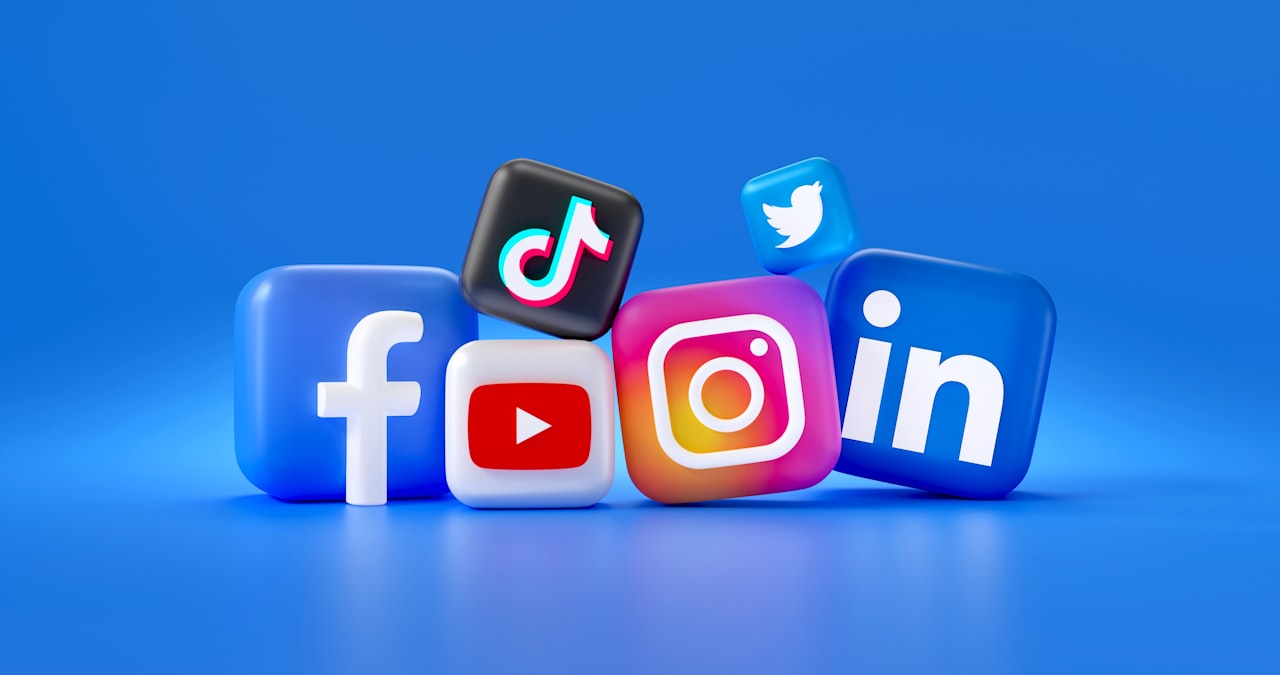
Choosing the Right Platforms for Your Startup
Social media for startups is not about being everywhere. It is about being excellent on the one or two platforms where your target audience is most active and most receptive. Spreading your limited time across five platforms guarantees mediocrity on all of them.
The platform decision depends entirely on your business type and target audience. For B2B startups in Singapore, LinkedIn is the clear priority. Decision-makers, founders, and professionals spend meaningful time on LinkedIn consuming industry content. A strong LinkedIn presence directly translates to business opportunities.
For B2C startups targeting younger demographics, Instagram and TikTok dominate attention. Singapore’s social media usage rates are among the highest globally, with the average user spending over two hours daily on social platforms. If your product appeals to consumers under forty, visual social platforms should be central to your strategy.
Facebook remains relevant for community building and for reaching Singapore’s broader consumer base, particularly audiences over thirty-five. Facebook Groups in particular offer powerful engagement opportunities for startups building communities around specific interests or industries.
Twitter, now X, has a smaller but highly engaged user base in Singapore, particularly in tech, finance, and media circles. If your startup operates in these sectors, a Twitter presence can generate valuable connections and thought leadership opportunities.
The decision framework is simple. Where does your target customer spend time? What type of content can you consistently produce? Which platform aligns with your product’s communication style? Answer these three questions honestly, and your platform choice becomes obvious.
Building Your Content Pillars
Content pillars are the three to five themes that define what your startup talks about on social media. They provide structure that makes content creation predictable while ensuring every post serves a strategic purpose.
Your first pillar should be industry expertise. Share insights, analysis, and perspectives on your industry that demonstrate deep knowledge. A cybersecurity startup might share commentary on recent data breaches, explain emerging threats, or debunk common security myths. This pillar establishes credibility and attracts followers interested in your domain.
Your second pillar should be product education. Show how your product works, share customer results, and highlight specific use cases. Keep this pillar focused on value to the viewer rather than pure promotion. A post showing how a customer saved ten hours per week using your tool is more engaging than a post listing your product features.
Your third pillar should be brand personality. Share behind-the-scenes content, team stories, company milestones, and cultural moments. This humanises your brand and builds emotional connection. People follow and buy from brands they feel connected to, not just brands with the best products.
Optional fourth and fifth pillars might include industry news curation, user-generated content, or community spotlights. The specific pillars matter less than having a defined structure. Without pillars, social media content becomes random, inconsistent, and strategically worthless.
Allocate content across pillars using a rough ratio. Forty percent expertise, thirty percent product, twenty percent personality, and ten percent promotional. This balance keeps your feed valuable and engaging rather than feeling like a constant sales pitch.
LinkedIn Strategy for Startups
LinkedIn offers startups the best organic reach of any social platform for B2B audiences. The platform actively promotes content from individual profiles, making it possible to build a significant following without spending on ads.
Lead with founder-led content. Posts from personal profiles receive five to ten times more engagement than posts from company pages. As a founder, share your startup journey: the challenges you face, the decisions you make, the lessons you learn. Authenticity and vulnerability perform exceptionally well on LinkedIn.
Post consistently, aiming for three to five times per week. LinkedIn’s algorithm rewards regular posting with increased visibility. Test different content formats: text-only posts for thought leadership, carousel documents for educational content, short videos for demonstrations, and polls for engagement. Track which formats generate the most meaningful engagement for your specific audience.
Engage strategically with others’ content. Spend twenty minutes daily commenting thoughtfully on posts from people in your target audience. Not “great post!” comments, but substantive responses that add perspective or ask intelligent questions. This activity puts your profile in front of new audiences and builds relationships with potential customers and partners.
Use LinkedIn’s native features to maximise reach. LinkedIn newsletters allow you to build a subscriber base that receives notifications for each edition. LinkedIn Events drive registration for webinars and meetups. LinkedIn Articles provide long-form content that ranks in Google search. Each feature expands your reach within the platform.
Connect your LinkedIn activity with your broader startup marketing strategy. LinkedIn content should support your SEO efforts by driving traffic to your website, your email marketing by converting followers to subscribers, and your sales efforts by warming prospects before outreach.
Instagram and TikTok: Visual Storytelling for Growth
Instagram and TikTok are ideal for startups with visually compelling products or services. Both platforms prioritise video content, and their algorithms can expose your content to audiences far beyond your current follower count.
For Instagram, Reels are currently the highest-reach content format. Create short videos under thirty seconds that deliver a quick insight, demonstration, or entertaining moment related to your product or industry. Behind-the-scenes content, quick tutorials, and customer transformation stories perform consistently well.
Instagram Stories serve a different purpose: nurturing your existing audience. Use Stories for daily updates, quick polls, Q&A sessions, and real-time content. Stories build intimacy with followers who already know your brand, while Reels attract new followers who have never heard of you.
TikTok’s algorithm is arguably the most democratic in social media. Even accounts with zero followers can achieve viral reach if the content resonates. For Singapore startups, TikTok works particularly well for consumer brands, food and beverage businesses, lifestyle products, and educational content.
Content creation for both platforms does not require professional equipment. A smartphone with good lighting and clear audio is sufficient. Authenticity outperforms production quality on these platforms. Spend your effort on the content idea and script rather than the production value.
Use trending sounds, formats, and hashtags strategically. Participating in trends increases your content’s discoverability, but only when the trend is relevant to your brand. Forcing irrelevant trends damages credibility. Monitor trending content in your niche daily and participate when you have a genuine angle.
Cross-post content between platforms with format adjustments. A Reel that works on Instagram often works on TikTok with minor tweaks to the caption and hashtags. This multiplies your content output without multiplying your effort. Coordinate your visual social presence with your overall social media marketing strategy.
Community Engagement That Builds Real Followers
Followers gained through genuine engagement are worth ten times more than followers gained through growth hacks. These are people who know your brand, care about your content, and are likely to become customers or advocates.
Respond to every comment on your posts, especially in your first year. When someone takes the time to engage with your content, a thoughtful reply builds a personal connection that generic brands cannot replicate. This is one of the clearest advantages small startups have over large companies.
Initiate conversations rather than just broadcasting. Ask questions in your posts that invite substantive responses. Share opinions that spark discussion. Tag relevant people when sharing content they would find valuable. Social media is a conversation medium, and brands that only broadcast miss its fundamental advantage.
Join and actively participate in relevant groups and communities. Facebook Groups, LinkedIn Groups, and Telegram channels related to your industry provide access to concentrated audiences. Follow the ninety-ten rule: provide value ninety percent of the time and promote your product ten percent of the time, and only when genuinely relevant.
Collaborate with other startups and small businesses for mutual amplification. Joint Instagram Lives, co-created TikToks, LinkedIn collaboration posts, and cross-promotions introduce each brand to the other’s audience. These partnerships are especially effective in Singapore’s collaborative startup ecosystem.
Feature your customers and community members in your content. User-generated content, customer spotlights, and community member profiles generate engagement while showing appreciation for the people who support your brand. People share content that features them, expanding your reach organically.
Content Creation for Small Teams
Most startup teams cannot dedicate a full-time person to social media. Efficient content creation systems allow one person to maintain a consistent, high-quality presence without it consuming their entire workweek.
Batch content creation into dedicated sessions. Set aside one half-day per week to create all your social media content for the following week. Batching reduces context-switching costs and produces more cohesive content than creating posts ad hoc throughout the week.
Build a content template library for your recurring post types. If you post weekly tips every Tuesday, create a visual template that only requires updating the tip content. If you share customer stories monthly, create a standard interview format. Templates reduce creation time from thirty minutes to ten minutes per post.
Repurpose content across formats aggressively. A single blog article can generate a LinkedIn text post summarising the key takeaway, an Instagram carousel covering the main points, a TikTok video discussing one insight, and three Twitter threads diving into subtopics. Read our guide on content marketing for startups for more repurposing strategies.
Use scheduling tools to automate publishing. Buffer, Hootsuite, or Later allow you to schedule a week’s content in one sitting. Schedule posting and then batch your engagement time into two to three daily fifteen-minute sessions rather than checking notifications constantly throughout the day.
Create a simple content calendar using a spreadsheet or free project management tool. Map out which pillar each day covers, what format the post will take, and any relevant dates or events to align with. Planning prevents the blank-page paralysis that makes social media management feel overwhelming.
Keep a running idea list. When inspiration strikes, whether from a customer conversation, industry news, or a competitor’s content, capture it immediately in a notes app. This idea bank eliminates the most time-consuming part of content creation: figuring out what to post.
Measuring Social Media Success
Social media metrics can be misleading if you track the wrong ones. Vanity metrics like follower count and total impressions feel good but often do not correlate with business results. Focus on metrics that indicate actual progress toward your goals.
Engagement rate is your primary metric. Calculate it as total meaningful engagements divided by impressions or followers. Comments, shares, and saves indicate deeper engagement than likes. An account with one thousand followers and a five percent engagement rate is more valuable than one with ten thousand followers and a half percent engagement rate.
Track website traffic from social media in Google Analytics. How many people actually click through from your social profiles to your website? What do they do once they arrive? If social media drives traffic but that traffic never converts, your content may be attracting the wrong audience or your website may need improvement.
Monitor direct inquiries and leads generated from social media activity. Set up proper UTM tracking on every link you share so you can attribute leads and customers to specific social media efforts. This attribution data justifies continued investment in social media and guides platform prioritisation.
Benchmark your growth rate rather than your absolute numbers. Growing from five hundred to one thousand followers is a one hundred percent growth rate, which is excellent. Obsessing over the fact that competitors have fifty thousand followers is unproductive. Focus on your trajectory and the quality of your audience.
Review your social media analytics monthly and adjust your strategy based on what the data reveals. Double down on content types and topics that generate engagement and leads. Reduce or eliminate content that consistently underperforms. Integrate social media metrics into your broader digital marketing reporting for a holistic view of performance.
Frequently Asked Questions
How many social media platforms should a startup be on?
Start with one primary platform where your target audience is most active. Add a second platform only after you have established a consistent presence and measurable results on the first. Most startups should not be on more than two or three platforms simultaneously due to resource constraints.
How often should a startup post on social media?
LinkedIn: three to five times per week. Instagram: four to seven feed posts per week, daily Stories. TikTok: three to seven times per week, with more frequent posting rewarded by the algorithm. Consistency matters more than frequency. Posting three times per week consistently outperforms posting daily for two weeks then going silent for a month.
Should I focus on the company page or my personal profile?
Personal profiles first, company page second. Especially on LinkedIn, personal content receives significantly higher organic reach than company page content. Build the founder’s personal brand as the primary social media asset and use the company page as a supporting channel.
How long does it take to build a meaningful social media following?
Expect six to twelve months of consistent activity before building a following that generates meaningful business results. Some accounts grow faster with viral content, but sustainable growth from genuine engagement typically follows this timeline. Patience and consistency are non-negotiable.
Is it worth paying for social media management tools?
Free plans from tools like Buffer or Later are sufficient for most startups. Upgrade to paid plans when you need features like team collaboration, detailed analytics, or multi-platform management. Avoid spending on tools before you have established a consistent content creation habit.
How do I handle negative comments or reviews on social media?
Respond professionally and promptly. Acknowledge the concern, apologise if appropriate, and offer to resolve the issue privately. Never delete negative comments unless they are spam or abusive. A well-handled complaint often builds more trust than no complaint at all, because it demonstrates your commitment to customer satisfaction.
Should startups use hashtags?
On Instagram and TikTok, yes. Use five to fifteen relevant hashtags mixing popular, medium, and niche tags. On LinkedIn, two to three hashtags per post is optimal. On Facebook, hashtags have minimal impact. Research hashtags specific to Singapore and your industry for better targeting.
Can social media replace a website for startups?
No. Social media platforms are rented spaces where the rules change without warning. Algorithm shifts, policy changes, or account suspensions can eliminate your audience overnight. Your website is owned media that you control completely. Social media should drive traffic to your website, not replace it. Invest in solid web design alongside your social strategy.