Part of our APAC Platforms & Market Entry guide →
For ambitious companies across Southeast Asia — from Jakarta’s tech unicorns and Bangkok’s consumer conglomerates to Manila’s BPO powerhouses and Ho Chi Minh City’s manufacturing firms — Singapore represents the ultimate step up. The city-state is ASEAN’s most developed economy, its premier financial hub, and the region’s gateway to global capital and talent. Understanding southeast asian companies singapore market entry is essential for any ASEAN business ready to scale regionally and internationally. This fits into an Asia-Pacific marketing strategy that coordinates every market.
This guide provides a comprehensive roadmap for Southeast Asian companies establishing a presence in Singapore, covering corporate setup, market positioning, digital marketing strategies, and the cultural nuances of operating in Singapore’s premium, competitive business environment.
Why Southeast Asian Companies Expand to Singapore
The flow of business investment within ASEAN is not unidirectional. While multinational corporations have long used Singapore as a base to access the wider region, a growing number of companies from ASEAN member states are establishing Singapore operations to elevate their regional presence.
Access to Global Capital
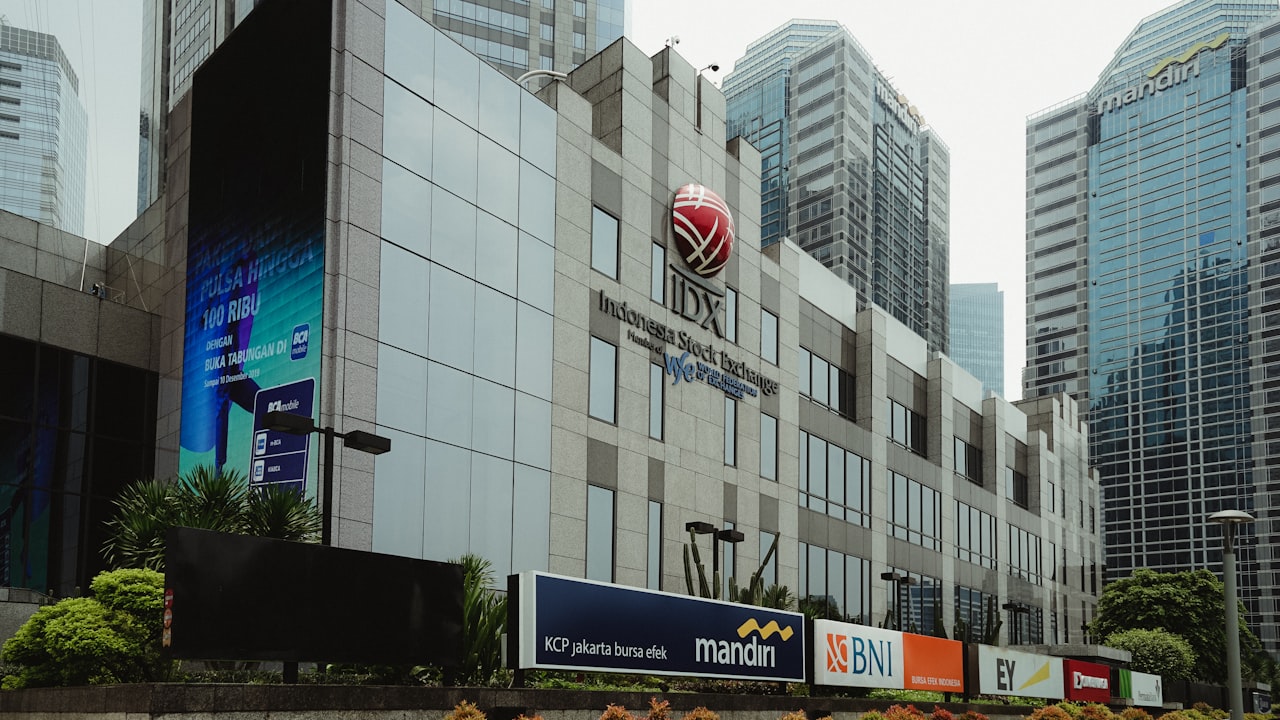
Singapore is Southeast Asia’s undisputed financial hub, home to over 200 banks, hundreds of venture capital and private equity firms, and the region’s most active stock exchange. For Southeast Asian companies seeking growth funding, IPO listings, or corporate financing, a Singapore presence provides proximity to capital sources that may be less accessible from other ASEAN markets.
Credibility and Brand Elevation
A Singapore corporate address and operating presence confer significant credibility in the eyes of international clients, investors, and partners. Companies from developing ASEAN economies often find that a Singapore base helps overcome perception barriers when engaging with clients in North America, Europe, Japan, and Australia. “Headquartered in Singapore” carries weight in global business circles.
Talent and Professional Services
Singapore’s talent pool — comprising highly educated locals and experienced international professionals — provides access to skills that may be scarce in home markets. The city-state’s concentration of world-class professional services firms (in law, accounting, consulting, and banking) supports sophisticated corporate operations.
Regulatory Quality and Ease of Business
Singapore’s transparent, efficient regulatory environment is a significant draw for companies from ASEAN countries where bureaucracy, regulatory uncertainty, or corruption may pose challenges. Operating from Singapore offers predictability, speed, and clarity in all regulatory interactions.
ASEAN Centrality and Connectivity
Singapore’s Changi Airport provides direct flights to virtually every major city in ASEAN, making it easy to manage regional operations. The city-state’s digital infrastructure — with one of the world’s fastest internet speeds — supports seamless communication and collaboration across the region.
Understanding Singapore’s Premium Market
Southeast Asian companies entering Singapore must recognise that they are entering a premium, mature market that differs significantly from most other ASEAN markets.
High Consumer Expectations
Singapore’s consumers are among the most sophisticated in Asia. They expect high-quality products, excellent customer service, seamless digital experiences, and transparent pricing. Companies from other ASEAN markets must be prepared to meet — and often exceed — these expectations from day one.
Price-Quality Dynamics
While Singapore consumers are willing to pay premium prices for quality, they are also well-informed and quick to compare options. The “value for money” equation is carefully considered. Southeast Asian companies that compete primarily on price in their home markets may need to reposition around quality, innovation, or unique value propositions to succeed in Singapore.
Multicultural Consumer Base
Singapore’s population comprises Chinese (74%), Malay (13%), Indian (9%), and other ethnic groups, plus a large expatriate community representing virtually every nationality. Marketing strategies must be inclusive and culturally sensitive, avoiding assumptions based on home market demographics.
Small but Influential Market
Singapore’s domestic market of 5.9 million people is small by ASEAN standards. However, its influence extends far beyond its borders — trends, brands, and businesses that succeed in Singapore often gain credibility and momentum across the wider region. Southeast Asian companies should view Singapore as a strategic market rather than purely a revenue opportunity.
Business Setup and Regulatory Framework
The process of establishing a company in Singapore is well-documented and efficient, though Southeast Asian companies should be aware of specific requirements and considerations.
Corporate Structure
The Private Limited Company (Pte Ltd) is the standard choice for foreign companies, including those from ASEAN. It provides limited liability, tax incentive eligibility, and a professional local presence. Incorporation through ACRA typically takes one to three business days, with minimum paid-up capital of just S$1.
Local Director Requirement
Every Singapore company must have at least one locally resident director — a Singapore citizen, permanent resident, or Employment Pass holder. Southeast Asian companies often address this by having a senior executive relocate to Singapore on an Employment Pass. Nominee director arrangements are also possible for the initial setup period.
Employment Passes for ASEAN Nationals
Citizens of ASEAN countries relocating to Singapore for work require Employment Passes (for professionals) or S Passes (for mid-skilled workers). The EP minimum salary of S$5,600 per month and COMPASS framework apply equally to ASEAN nationals. Companies should note that Singapore’s foreign workforce policies aim to ensure a balanced local-to-foreign worker ratio, so hiring local staff alongside transferees is important.
Tax Considerations
Singapore’s 17% corporate tax rate is competitive relative to most ASEAN countries. ASEAN companies should explore double taxation agreements between Singapore and their home country to ensure efficient cross-border tax management. Singapore’s extensive network of DTAs covers all ASEAN member states, preventing double taxation on the same income.
Regulatory Compliance
Singapore enforces strict compliance standards across areas including corporate governance, anti-money laundering, data protection (PDPA), employment law, and sector-specific regulations. Southeast Asian companies accustomed to less stringent enforcement environments must invest in compliance from the outset to avoid penalties and reputational damage.
Regional Headquarters Strategy
Many Southeast Asian companies establish their Singapore presence specifically as a regional headquarters, leveraging the city-state’s advantages to manage and coordinate operations across ASEAN.

EDB Incentive Programmes
Singapore’s Economic Development Board (EDB) offers incentive packages for companies establishing regional or international headquarters. These can include concessionary tax rates on qualifying income, grants for operational setup, and assistance with talent recruitment. Southeast Asian companies planning significant regional operations from Singapore should engage with the EDB early in their planning process.
Treasury and Finance Functions
Singapore’s financial ecosystem makes it the natural location for regional treasury centres. Southeast Asian companies can centralise cash management, foreign exchange operations, inter-company financing, and investment activities in Singapore, benefiting from the city-state’s deep banking sector, efficient payment systems, and favourable tax treatment for treasury activities.
IP Holding and Licensing
Companies with significant intellectual property may benefit from establishing an IP holding structure in Singapore. The city-state’s IP tax incentives, strong IP protection regime, and extensive DTA network make it an efficient jurisdiction for licensing IP across the ASEAN region.
Talent Hub for Regional Operations
Singapore serves as an effective talent hub for recruiting regional leaders and specialists who manage operations across multiple ASEAN markets. The city-state’s quality of life, international schools, healthcare, and safety make it attractive to senior professionals who might be reluctant to relocate to other ASEAN cities.
Digital Marketing Strategies for SEA Companies
Southeast Asian companies entering Singapore need a digital marketing strategy specifically designed for this premium, competitive market. Approaches that work in Jakarta, Bangkok, or Manila may not translate directly to Singapore.
Search Engine Optimisation
Google dominates Singapore’s search market with over 95% share. A robust SEO strategy targeting Singapore-specific keywords in English is essential. Southeast Asian companies should not assume that rankings in their home market will carry over — a Singapore-focused SEO campaign with local content, local backlinks, and Singapore-hosted or geo-targeted pages is necessary.
Google Ads and Paid Acquisition
For immediate visibility, Google Ads campaigns targeted at Singapore deliver fast results. Cost-per-click rates in Singapore are higher than in most ASEAN countries, so campaigns must be well-optimised to ensure positive return on investment. Precise geographic targeting and Singapore-specific ad copy are critical.
Social Media Marketing
Singaporeans are highly active on social media, with Instagram, TikTok, Facebook, LinkedIn, and YouTube as the primary platforms. A well-executed social media marketing strategy tailored to Singaporean audiences helps build brand awareness and engagement. Content should be in English and reflect Singapore’s cultural values — sophistication, efficiency, and multicultural inclusivity.
Content Marketing
Publishing high-quality, locally relevant content establishes credibility and supports SEO. Southeast Asian companies can differentiate themselves by sharing their unique ASEAN perspective and expertise, positioning themselves as bridges between Singapore and the wider region. Blog articles, case studies, industry insights, and how-to guides all perform well.
E-Commerce Considerations
For consumer-facing companies, Singapore’s e-commerce landscape includes Shopee, Lazada, Amazon Singapore, and direct-to-consumer websites. Singaporean consumers expect fast delivery, easy returns, and secure payment options. Companies selling physical products should ensure their fulfilment and customer service operations meet Singapore’s high standards.
Comprehensive Digital Strategy
Working with a digital marketing agency that understands both Singapore and the wider ASEAN landscape ensures that your marketing investment is strategically allocated across channels for maximum impact.
Brand Positioning and Market Credibility
One of the biggest challenges for Southeast Asian companies entering Singapore is establishing credibility in a market that hosts the world’s leading brands and companies.
Overcoming Perception Barriers
Companies from developing ASEAN economies may face perception barriers in Singapore, where consumers and businesses are accustomed to products and services from established international brands. Overcoming these barriers requires investment in professional branding, consistent quality delivery, and strategic positioning that highlights unique strengths.
Investing in Professional Branding
A professional brand identity is non-negotiable in Singapore. This includes a polished visual identity, a compelling brand story, and consistent messaging across all touchpoints. Engaging experienced branding services ensures that your brand presentation meets Singapore’s premium market standards.
Website as a Credibility Platform
In Singapore, your website is often the first impression potential clients or customers form of your company. A professionally designed, fast-loading, mobile-optimised website with clear value propositions and local contact information builds immediate credibility. Investing in quality web design is one of the most impactful steps a Southeast Asian company can take when entering Singapore.
Local Partnerships and Endorsements
Partnerships with established Singapore brands, industry associations, or government-linked entities can accelerate credibility building. Membership in relevant chambers of commerce (such as the Singapore Business Federation or bilateral business councils) also enhances visibility and networking opportunities.
Leveraging ASEAN Expertise
Southeast Asian companies possess genuine advantages in Singapore: deep understanding of ASEAN markets, established regional networks, cultural fluency across multiple markets, and often competitive cost structures. These advantages should be prominently communicated in marketing materials, positioning the company as a credible ASEAN partner rather than a newcomer trying to compete on unfamiliar terrain.
Common Mistakes and How to Avoid Them
Southeast Asian companies expanding to Singapore commonly encounter predictable challenges that can be mitigated with proper awareness and planning.

Underestimating Singapore’s Cost Structure
Commercial rents, labour costs, and operating expenses in Singapore are substantially higher than in most ASEAN countries. Companies must develop realistic financial projections that account for Singapore-level costs rather than extrapolating from home market budgets. It is not uncommon for operating costs to be three to five times higher than in cities like Jakarta, Bangkok, or Manila.
Applying Home Market Strategies Without Adaptation
Marketing strategies, pricing models, and customer engagement approaches that work in home markets often need significant adaptation for Singapore. The city-state’s consumers are more discerning, the competitive landscape is more intense, and the regulatory environment is more demanding. Invest in local market research before replicating existing strategies.
Neglecting Compliance
Singapore’s regulatory environment is well-enforced. Companies that take a casual approach to corporate governance, tax compliance, employment law, or data protection risk penalties, business disruption, and reputational damage. Engage professional advisors to ensure full compliance from the start.
Insufficient Investment in Marketing
Some Southeast Asian companies enter Singapore with minimal marketing budgets, expecting that their home market reputation or word-of-mouth will suffice. In Singapore’s competitive, information-rich environment, consistent marketing investment is necessary to build and maintain visibility.
Failing to Hire Local Talent
While transferring key staff from the home market is often necessary, companies that do not hire Singaporean talent miss out on local market knowledge, professional networks, and cultural understanding. Singapore’s workforce policies also incentivise local hiring, making it both strategically and regulatorily important.
Frequently Asked Questions
Do ASEAN companies enjoy special privileges when setting up in Singapore?
Singapore’s business registration process treats all foreign companies equally, regardless of origin. However, ASEAN nationals benefit from generally smoother visa arrangements, and companies from ASEAN countries benefit from the ASEAN Framework Agreement on Services, which provides enhanced market access for service providers from member states.
How much does it cost to set up a company in Singapore?
Incorporating a Pte Ltd typically costs between S$1,500 and S$5,000, including government fees and corporate services. Ongoing annual compliance costs (company secretary, registered address, annual filing) range from S$2,000 to S$5,000. These costs are higher than in most other ASEAN countries but modest relative to Singapore’s business value proposition.
What is the minimum salary for an Employment Pass?
The current minimum qualifying salary for an Employment Pass is S$5,600 per month, with higher thresholds for older and more experienced candidates and for the financial services sector. Applications are assessed under the COMPASS framework, which evaluates salary, qualifications, diversity, and company workforce composition.
Is Singapore too small a market for Southeast Asian companies?
Singapore’s domestic market of 5.9 million people is small, but its strategic value extends far beyond domestic sales. A Singapore presence provides access to global capital, regional credibility, talent, and the ability to manage wider ASEAN operations from a world-class business hub. Most Southeast Asian companies enter Singapore for these strategic benefits rather than domestic market size alone.
How competitive is Singapore’s market compared with other ASEAN countries?
Singapore is one of the most competitive markets in ASEAN — and arguably in all of Asia. Companies from every major economy operate here, and Singaporean consumers have high expectations. Southeast Asian companies must bring genuine differentiation to succeed.
What digital marketing channels work best in Singapore?
Google (organic SEO and paid ads) is essential for capturing search-driven traffic. Social media platforms — Instagram, TikTok, Facebook, LinkedIn, and YouTube — are important for brand awareness and engagement. The optimal mix depends on your sector and target audience. B2B companies should emphasise LinkedIn and Google, while B2C companies should invest in Instagram, TikTok, and e-commerce platform advertising.
Should Southeast Asian companies rebrand for the Singapore market?
A full rebrand is not always necessary, but brand adaptation is strongly recommended. This may include refining visual identity, adjusting messaging tone and language, developing Singapore-specific marketing materials, and ensuring that all brand touchpoints meet Singapore’s premium market expectations.
How long does it take to establish a profitable presence in Singapore?
Timelines vary by sector and business model, but most companies should expect 12 to 24 months to establish a stable, profitable Singapore operation. Initial investment in market entry, brand building, and client acquisition typically precedes profitability. Companies with strong regional networks or unique technology may accelerate this timeline.
What industries are Southeast Asian companies strongest in within Singapore?
Southeast Asian companies have found particular success in Singapore across food and beverage, logistics and supply chain, fintech, e-commerce, technology services, real estate development, and natural resources. The specific sectors vary by country — for example, Thai and Vietnamese F&B brands, Indonesian tech unicorns, and Philippine BPO firms have all established notable Singapore presences.
Can Southeast Asian companies access Singapore government grants?
Most Singapore government grants are designed for Singapore-registered companies, which includes locally incorporated subsidiaries of Southeast Asian firms. Grants from Enterprise Singapore, IMDA, and other agencies may be accessible depending on the programme criteria, the company’s Singapore employment base, and the nature of the project.