Social Media Calendar: How to Plan, Organise and Schedule Content That Performs
Table of Contents
- Why You Need a Social Media Calendar
- Choosing the Right Calendar Format and Tools
- Content Pillars and Weekly Themes
- Planning Around Singapore Events and Seasons
- Scheduling and Posting Frequency by Platform
- Workflow and Approval Process
- Reviewing and Adjusting Your Calendar
- Frequently Asked Questions
Why You Need a Social Media Calendar
A social media calendar transforms your social media presence from reactive posting to strategic communication. Without a calendar, most businesses fall into a pattern of posting when they remember, scrambling for content ideas at the last minute, and letting accounts go silent during busy periods. This inconsistency kills engagement because algorithms reward regular posting and audiences reward reliability.
The discipline of planning content in advance forces strategic thinking. Instead of asking “What should we post today?” you ask “What do our audiences need this month, and how does each post support our business objectives?” This shift from tactical to strategic thinking is what separates social media that generates results from social media that simply fills space.
For Singapore businesses managing multiple platforms with small teams, a calendar is an operational necessity. It provides visibility across the team, prevents duplicate or conflicting posts, ensures coverage across all platforms, and creates accountability for content production. When integrated with your social media marketing strategy, the calendar becomes the execution layer that turns plans into consistent, published content.
Choosing the Right Calendar Format and Tools
The best calendar tool is the one your team will actually use consistently. For solo marketers and small teams, a shared Google Sheet or Notion board provides sufficient structure without unnecessary complexity. For larger teams with approval workflows, dedicated tools like Hootsuite, Sprout Social, or Later offer scheduling, preview, and collaboration features.
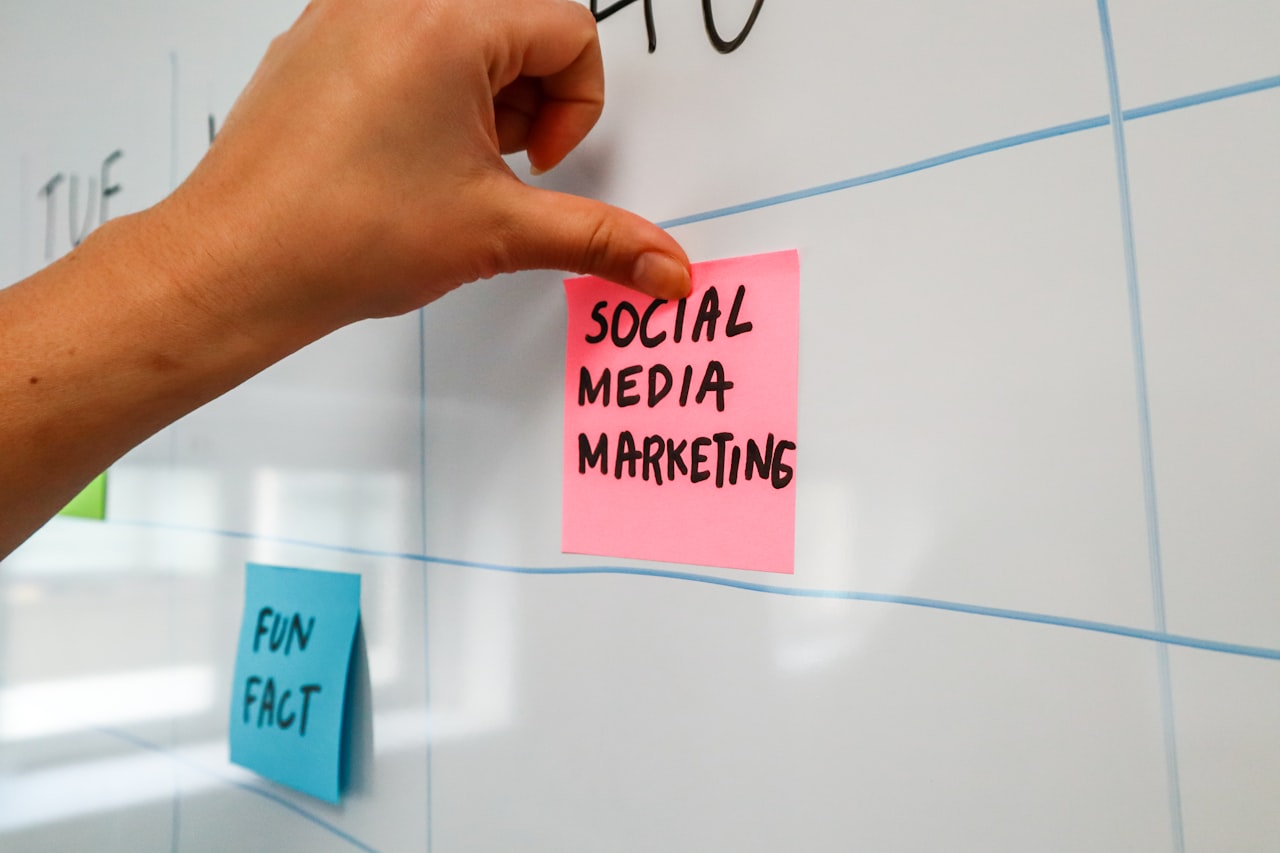
At minimum, your calendar should track the following for each post: date and time of publishing, platform, content type (image, video, carousel, story, reel), copy text, visual asset status, relevant links, hashtags, and approval status. Additional fields might include content pillar, campaign association, and performance tracking.
Monthly and weekly views serve different purposes. The monthly view provides an overview of content distribution, campaign alignment, and key date coverage. The weekly view is your operational document for content production and scheduling. Maintain both perspectives to balance strategic planning with daily execution.
If your team uses a project management tool like Asana, Monday.com, or Trello, consider building your social media calendar within that ecosystem rather than adding another tool. The fewer places your team needs to check, the more likely the calendar will be maintained and followed.
Content Pillars and Weekly Themes
Content pillars are the three to five core topics your social media consistently addresses. They ensure variety in your content mix while maintaining topical focus. A typical Singapore marketing agency might use pillars like industry insights, client results, team culture, practical tips, and thought leadership.
Assign pillars to specific days of the week to create a predictable rhythm. “Marketing Tip Monday,” “Case Study Wednesday,” and “Industry News Friday” give your team a clear framework for content creation and give your audience a reason to check back on specific days. This structure makes content planning faster because the topic is predetermined; only the specific content needs to be created.
Within each pillar, vary the content format. A “practical tips” pillar might include carousel posts, short-form video tips, text-based advice posts, and infographic summaries across different days and platforms. This keeps the content fresh while maintaining thematic consistency. Work with your content marketing team to ensure social media pillars align with your broader content strategy.
Leave flexibility in your calendar for timely, reactive content. Allocating eighty per cent of your social media calendar to planned content and twenty per cent to reactive or spontaneous posts gives you structure without rigidity. Breaking news, trending topics, and unexpected opportunities should have room in your schedule.
Planning Around Singapore Events and Seasons
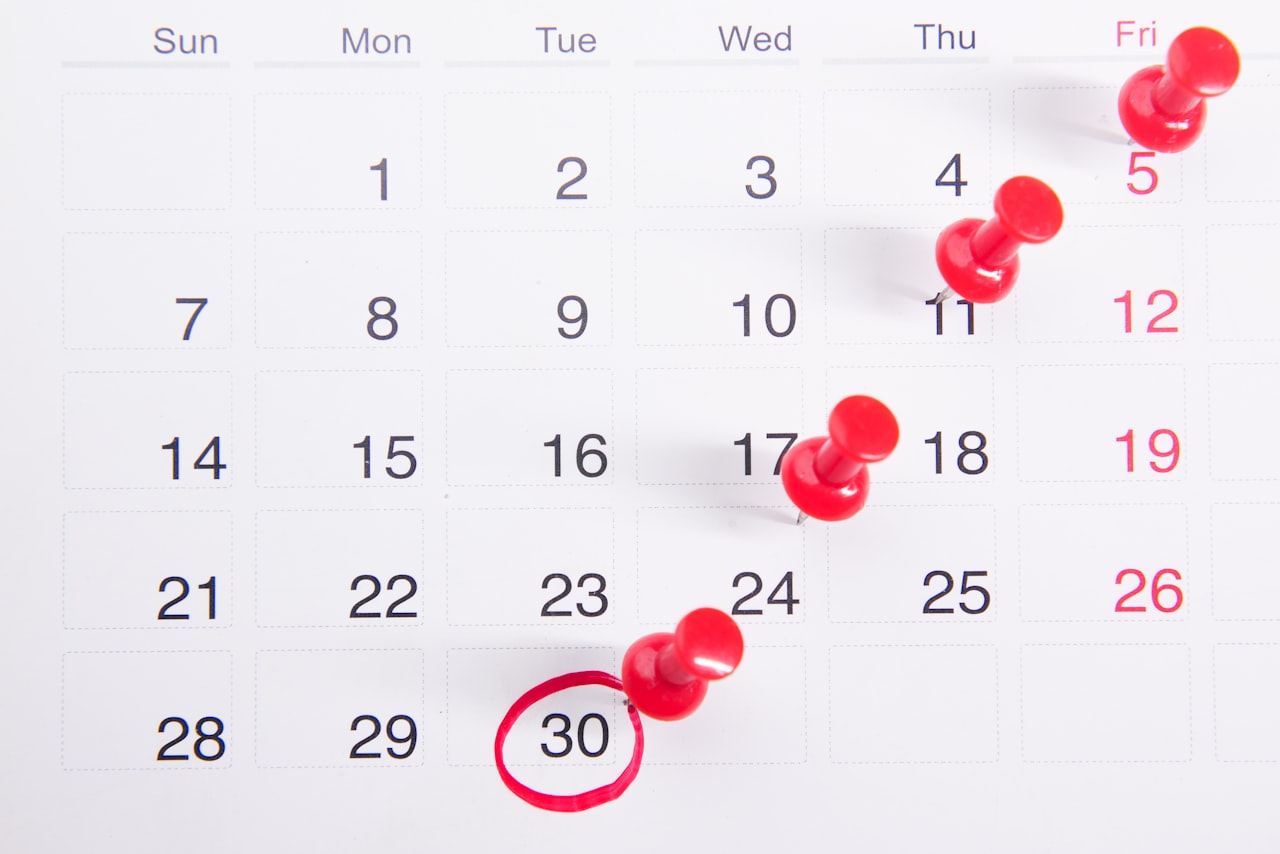
Singapore’s unique calendar of events, holidays, and cultural moments provides a rich source of content opportunities. Plan your calendar around key dates that are relevant to your audience and industry, ensuring you have content prepared well in advance rather than scrambling at the last minute.
Major events to build content around include Chinese New Year, Hari Raya, Deepavali, National Day, the Great Singapore Sale, Singapore FinTech Festival, and industry-specific conferences and exhibitions. For B2B businesses, budget planning seasons in Q4 and financial year-end periods in Q1 are important contextual moments for content about planning, strategy, and investment.
Create a master list of relevant dates for the year and map them to your content pillars. Not every holiday or event warrants a post. Be selective and genuine. A technology company posting a generic Deepavali greeting adds little value, but a food delivery platform sharing Deepavali meal traditions or a financial services firm discussing year-end tax planning connects the occasion to genuine audience interest.
Plan event-related content at least two to four weeks in advance to allow time for design, copywriting, and approval. Last-minute holiday posts look rushed and often miss the mark. For major campaigns tied to events like National Day or Chinese New Year, begin planning six to eight weeks ahead.
Scheduling and Posting Frequency by Platform
Each social media platform has its own optimal posting frequency and timing. Over-posting fatigues your audience and dilutes engagement, while under-posting reduces visibility and algorithmic reach. Your calendar should reflect platform-specific cadences based on your capacity and audience behaviour.
For LinkedIn, three to five posts per week is optimal for most Singapore B2B businesses. Post during business hours, with Tuesday through Thursday mornings between 8am and 10am SGT typically generating the best engagement. For Instagram, aim for four to seven feed posts per week supplemented by daily Stories. Engagement tends to peak during lunch hours (12pm-1pm) and evenings (7pm-9pm).
Facebook business pages benefit from three to five posts per week. The platform’s declining organic reach for business content means quality matters far more than quantity. TikTok rewards frequent posting; three to seven videos per week is standard for businesses building an audience. Consistency matters more than volume on every platform.
Use scheduling tools to publish content at optimal times without requiring someone to be online. Buffer, Hootsuite, Later, and native platform scheduling tools all handle this effectively. Schedule content in batches, typically weekly, to create efficiency. Your social media ROI improves when you spend less time on logistics and more on content quality.
Workflow and Approval Process
A clear workflow prevents bottlenecks, missed deadlines, and content that goes live without proper review. Define each stage of the content production process: ideation, copywriting, design, review, approval, and scheduling. Assign responsibility for each stage and set deadlines relative to the publish date.
For most Singapore SMEs, a simple two-stage review process works well: the content creator drafts the post, a reviewer checks accuracy, brand alignment, and quality, and the approved post is scheduled. For larger organisations or regulated industries, additional legal or compliance reviews may be necessary, particularly for financial services, healthcare, or government-related content.
Build in lead time for each stage. A post scheduled for next Monday should have copy drafted by the previous Wednesday, design completed by Thursday, and final approval by Friday. This timeline prevents the last-minute rush that produces mediocre content and creates stress for the team.
Document your approval criteria so reviewers know exactly what to check. Common criteria include brand voice consistency, factual accuracy, legal compliance, visual quality, correct hashtags and links, and alignment with the content pillar. Clear criteria speed up the review process and reduce subjective back-and-forth.
Reviewing and Adjusting Your Calendar
A social media calendar is a living document that should evolve based on performance data. Conduct a monthly review of your content performance to identify what resonated with your audience and what fell flat. Use these insights to refine your content mix, pillar allocation, and posting schedule.
Look for patterns in your high-performing content. Do certain content formats consistently outperform others? Are specific pillars generating more engagement? Do posts at certain times receive more interaction? These patterns should inform your calendar adjustments for the following month.
Track key metrics for each post including reach, engagement rate, click-through rate, and conversions where applicable. Aggregate these by content pillar, format, and platform to identify strategic trends rather than just individual post performance. If your “industry insights” pillar consistently underperforms compared to “practical tips,” consider shifting your content mix accordingly.
Conduct a quarterly strategic review that looks beyond individual post performance. Assess whether your social media calendar is supporting your broader business objectives, whether your content pillars still reflect your audience’s interests, and whether your platform allocation matches where your audience is most active. Align this review with your overall digital marketing strategy to ensure social media is contributing to business goals, not operating in isolation.
Frequently Asked Questions
How far in advance should I plan my social media calendar?
Plan content themes and key dates one to three months ahead. Draft and schedule specific posts one to two weeks in advance. This balance provides strategic direction while allowing flexibility for timely content and last-minute adjustments.
What is the best social media scheduling tool for Singapore businesses?
Hootsuite and Sprout Social offer comprehensive features for larger teams. Later excels for Instagram-focused strategies. Buffer provides excellent value for small teams managing multiple platforms. Choose based on your team size, platform mix, and budget.
How many platforms should I include in my calendar?
Focus on two to three platforms where your target audience is most active. For Singapore B2B businesses, LinkedIn and Facebook are typically primary, with Instagram secondary. B2C businesses often prioritise Instagram, Facebook, and TikTok. Managing fewer platforms well outperforms spreading thin across many.
Should I post the same content across all platforms?
Adapt content for each platform rather than cross-posting identically. The same message might be a professional article on LinkedIn, a carousel on Instagram, and a short video on TikTok. Core messaging can be consistent, but format, tone, and presentation should suit each platform’s culture.
How do I handle a crisis if my calendar has scheduled posts?
Immediately pause all scheduled posts when a crisis affects your brand or industry. Tone-deaf scheduled content during a crisis can cause significant reputational damage. Resume scheduled posting only when the situation is resolved and the content remains appropriate.
What is the ideal content mix for a social media calendar?
A common framework is seventy per cent value-driven content (education, entertainment, inspiration), twenty per cent shared or curated content, and ten per cent promotional content. Adjust based on your audience’s engagement patterns and your business objectives.
How do I maintain consistency when my team is small?
Batch content creation into dedicated sessions, typically one to two hours per week. Use templates for recurring content formats. Repurpose long-form content like blog posts and webinars into multiple social media posts. Scheduling tools ensure posts go live even when you are busy with other tasks.
Should I include paid social media content in my calendar?
Yes. Tracking both organic and paid content in one calendar prevents message overlap and ensures consistent messaging. Note which posts are boosted or promoted so you can assess the combined impact of organic and paid content.
How do I plan content for holidays I do not personally celebrate?
Research the significance of the holiday, consult team members or community contacts who celebrate it, and ensure your content is respectful and relevant. Avoid superficial or generic posts. If your business has no genuine connection to a holiday, it is better to skip it than to post something inauthentic.
What should I do when I run out of content ideas?
Review your best-performing past content for repurposing opportunities. Check industry news and trending topics. Ask your sales team about common customer questions. Monitor competitors for inspiration, not imitation. A content backlog of evergreen ideas, built during brainstorming sessions, prevents creative drought.