SMS Marketing Automation in Singapore: Sequences and Compliance
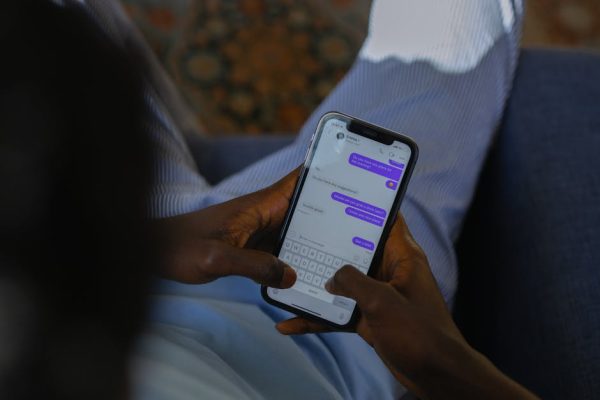
With over 97 per cent smartphone penetration and SMS open rates consistently exceeding 90 per cent, text messaging remains one of the most direct ways to reach customers in Singapore. Yet many businesses still use SMS as a manual, one-off broadcast tool rather than integrating it into automated marketing workflows.
SMS marketing automation in Singapore combines the immediacy of text messaging with the intelligence of behavioural triggers, conditional logic and sequenced delivery. When done properly, it turns SMS from a blunt broadcast instrument into a precision engagement channel that delivers the right message at the moment it matters most.
However, Singapore’s regulatory environment adds a layer of complexity. The Personal Data Protection Act sets clear boundaries on how businesses can use phone numbers for marketing. Getting compliance wrong carries financial penalties and reputational damage. This guide covers everything you need to automate SMS marketing in Singapore — from sequence design and trigger logic to PDPA compliance and platform selection.
Table of Contents
- Why SMS Marketing Automation Matters in Singapore
- PDPA Compliance for SMS Marketing
- Essential SMS Automation Triggers and Sequences
- Crafting Effective Automated SMS Messages
- Integrating SMS with Email Marketing Workflows
- Platform Selection for SMS Automation in Singapore
- Measuring and Optimising SMS Automation Performance
- Advanced SMS Automation Strategies
- Frequently Asked Questions
Why SMS Marketing Automation Matters in Singapore
SMS occupies a unique position in the marketing channel mix. It commands attention in a way that email and social media cannot match, and it reaches contacts even without an internet connection or app installation.
Unmatched Open and Response Rates
Research consistently shows that SMS messages are read within three minutes of delivery by the majority of recipients. In Singapore, where mobile phones are essentially an extension of the person, this immediacy is particularly pronounced. Compare this with email open rates of 18 to 25 per cent and social media organic reach in the single digits, and the case for SMS becomes compelling for time-sensitive communications.
The Singapore Mobile Landscape
Singapore ranks among the top countries globally for mobile connectivity. The average Singaporean spends over four hours daily on their smartphone, and mobile commerce continues to grow year on year. This environment makes SMS a natural channel for reaching consumers where they already spend their time. Businesses investing in comprehensive digital marketing strategies increasingly recognise SMS as a core channel rather than an afterthought.
Automation Transforms the Economics
The traditional criticism of SMS marketing is cost — each message incurs a per-credit charge that makes it more expensive than email on a per-message basis. Automation addresses this by ensuring SMS is only sent when it will have the highest impact. Rather than broadcasting to your entire list, automated SMS triggers fire based on specific behaviours, dramatically improving the cost-per-conversion and overall return on investment.
PDPA Compliance for SMS Marketing
Before building any SMS automation, you must understand and implement Singapore’s regulatory requirements. The Personal Data Protection Act and the Do Not Call (DNC) Registry provisions are non-negotiable.
Consent Requirements
Under the PDPA, businesses must obtain clear and specific consent before sending marketing SMS messages. Consent must be informed — the individual must understand what they are agreeing to. Blanket consent that bundles SMS marketing with other unrelated purposes is insufficient. Best practice is to collect SMS marketing consent separately from email consent, with clear language explaining the type and frequency of messages the contact can expect.
Do Not Call Registry Obligations
Singapore’s DNC Registry allows individuals to register their numbers against marketing messages. Before sending any marketing SMS, businesses must check their contact list against the DNC Registry. There are exceptions — if you have clear and unambiguous consent from the individual, the DNC provisions do not apply. However, maintaining proper consent records is essential to demonstrate this exemption if challenged.
Opt-Out Mechanisms
Every marketing SMS must include a clear opt-out mechanism. This is typically achieved by including “Reply STOP to unsubscribe” or a similar instruction. Your automation platform must process opt-out requests immediately and prevent any further marketing messages from being sent to that number. Compliance is not just a legal obligation — it builds trust with your audience and reduces complaint rates.
Record-Keeping Requirements
Maintain detailed records of when and how consent was obtained for each phone number, all messages sent, opt-out requests and when they were processed, and DNC Registry check dates and results. These records serve as your defence in the event of a complaint or investigation by the Personal Data Protection Commission (PDPC).
Essential SMS Automation Triggers and Sequences
The most effective SMS automations are triggered by specific customer actions or events. Here are the highest-impact automated SMS sequences for Singapore businesses.
Welcome and Onboarding SMS
When a new customer signs up and provides SMS consent, a welcome message establishes the communication channel and sets expectations. Keep it brief — confirm their subscription, mention the type of content they will receive, and include one clear call to action such as a first-purchase discount code. Time this within minutes of sign-up for maximum impact.
Abandoned Cart Recovery
For e-commerce businesses, abandoned cart SMS is often the highest-revenue automation. Send a reminder two to four hours after cart abandonment with a direct link back to the cart. If your email marketing automation already handles abandoned carts, use SMS as an escalation channel for contacts who did not open the email. Conversion rates for abandoned cart SMS in Singapore typically range from 10 to 20 per cent.
Order and Delivery Notifications
Transactional SMS messages confirming orders, providing shipping updates and notifying delivery completion reduce customer service enquiries and build confidence. While these are transactional rather than marketing messages, they create touchpoints that reinforce your brand. Under PDPA, transactional messages to existing customers generally do not require separate marketing consent.
Appointment Reminders
Service businesses — clinics, salons, consultancies, fitness studios — benefit enormously from automated appointment reminder SMS. Send a reminder 24 hours before and optionally a second reminder two hours before the appointment. Include the date, time, location and a link to reschedule if needed. This automation alone can reduce no-show rates by 30 to 50 per cent.
Re-Engagement Sequences
When customers have not purchased or engaged within a defined period, an SMS with a personalised offer can reignite interest. These work best when they reference the customer’s previous purchase history or browsing behaviour. For example: “Hi Sarah, it has been 60 days since your last order. Here is 15% off your favourite skincare range — valid this week only.”
Event and Flash Sale Alerts
Time-limited promotions and events are perfectly suited to SMS. The urgency of a flash sale matches the immediacy of the channel. Schedule these automations to fire at optimal times — typically late morning or early evening in Singapore — and ensure the offer has a clear expiration to drive prompt action.
Crafting Effective Automated SMS Messages
SMS copywriting is a discipline distinct from email or social media writing. Every character counts, and clarity is paramount.
Character Limits and Segmentation
A standard SMS is 160 characters. Messages exceeding this limit are split into multiple segments, each incurring a separate charge. For cost efficiency, aim to keep messages within 160 characters. If you must exceed this, plan for the message to read naturally even if displayed across segments. Using Unicode characters (such as emojis) reduces the per-segment limit to 70 characters, so use them sparingly or not at all.
Personalisation Variables
Include the recipient’s first name and any relevant personalisation variables such as order numbers, appointment times or product names. Personalised SMS messages consistently outperform generic ones. Ensure your automation platform handles missing data gracefully — a message reading “Hi {first_name}” because the field was empty is worse than no personalisation at all.
Clear Calls to Action
Each automated SMS should have one clear call to action. Include a shortened URL if directing to a webpage, and ensure the landing page is mobile-optimised. For Singapore audiences, using branded short links builds trust compared to generic URL shorteners that may look suspicious.
Tone and Brand Voice
SMS is inherently informal, but your messages should still reflect your brand voice. Avoid excessive abbreviations that could confuse older demographics. Be conversational but professional. The goal is to feel like a helpful notification from a trusted brand, not a spam message from an unknown sender.
Integrating SMS with Email Marketing Workflows
SMS delivers its greatest value when integrated with your email marketing automation rather than operating in isolation.
Channel Escalation Logic
The most common integration pattern is channel escalation — using SMS as a follow-up when email does not generate engagement. For example, if an abandoned cart email remains unopened after 24 hours, the workflow escalates to SMS. This approach reserves the more expensive SMS channel for situations where email alone was insufficient, optimising your overall cost per conversion.
Shared Segmentation and Data
Ensure your SMS and email platforms share the same customer database and segmentation. A customer tagged as “VIP” in your email platform should receive VIP treatment via SMS as well. Disconnected data leads to inconsistent experiences — such as sending a discount to someone who just paid full price — that damage trust and brand perception.
Coordinated Suppression Rules
When SMS and email operate from the same workflow, implement suppression rules to prevent over-communication. If a contact converts after receiving an email, suppress the follow-up SMS. If they opt out of SMS, ensure the email workflow adjusts accordingly. These rules require a unified automation platform or well-configured integrations between separate tools.
Cross-Channel Engagement Scoring
Build engagement scores that account for both email and SMS interactions. A contact who consistently opens SMS but ignores emails should be weighted toward SMS in future workflows. This cross-channel intelligence improves both deliverability and engagement over time. Effective SEO and inbound strategies feed leads into these workflows, making the entire funnel more efficient.
Platform Selection for SMS Automation in Singapore
Choosing the right platform for SMS marketing automation in Singapore involves several considerations specific to the local market.
Local SMS Gateway Support
Ensure the platform supports Singapore sender IDs and integrates with local SMS gateways. Messages sent through international routes may experience delays or filtering by local carriers. Platforms with direct connections to Singapore telecommunications providers (Singtel, StarHub, M1) typically deliver better deliverability and speed.
All-in-One vs Dedicated SMS Platforms
All-in-one marketing automation platforms like HubSpot, ActiveCampaign or Klaviyo include SMS capabilities alongside email and other channels. Dedicated SMS platforms like Twilio, MessageBird or local providers offer more advanced SMS features but require integration with your email platform. For most Singapore SMEs, an all-in-one platform simplifies management. Larger businesses with complex requirements may benefit from dedicated SMS infrastructure.
DNC Registry Integration
Some platforms offer built-in DNC Registry checking for Singapore numbers. If your chosen platform does not, you must implement a manual or API-based process to check numbers against the registry before campaigns. Automating DNC checks is strongly recommended to prevent accidental non-compliance.
Pricing Structures
SMS pricing in Singapore varies considerably between providers. Most charge per message segment, with prices ranging from S$0.03 to S$0.08 per segment depending on volume and provider. Some platforms add a monthly subscription fee on top of per-message costs. Calculate your expected monthly volume and compare total costs, not just per-message rates.
Measuring and Optimising SMS Automation Performance
Rigorous measurement is essential to justify SMS costs and continuously improve performance.
Core SMS Metrics
Track these metrics for every automated SMS sequence: delivery rate (percentage of messages successfully delivered), click-through rate (for messages containing links), conversion rate (actions taken after receiving the message), opt-out rate (unsubscribes per message sent), and revenue attributed (for e-commerce). Benchmark your metrics against industry averages and your own historical performance.
A/B Testing for SMS
Test systematically, changing one variable at a time. Test different message copy, send times, personalisation approaches, offer structures, and call-to-action phrasing. Even small improvements in click-through rate translate to meaningful revenue gains given SMS’s high baseline engagement. Ensure test groups are large enough for statistical significance — typically at least 500 recipients per variant.
Send Time Optimisation
While general guidelines suggest late morning and early evening for Singapore audiences, your specific audience may differ. Test send times in two-hour increments and analyse performance. Some businesses find that lunchtime (12 to 1 PM) outperforms other slots for B2C, while B2B SMS may perform better during standard working hours. Avoid sending before 9 AM or after 9 PM regardless of performance data — the reputational cost is not worth any marginal improvement.
Cost-Per-Conversion Analysis
Calculate the true cost per conversion for each SMS automation by dividing total SMS costs (platform fees plus per-message charges) by the number of conversions attributed. Compare this with your email and social media marketing cost per conversion to allocate budget effectively across channels.
Advanced SMS Automation Strategies
Once your foundational SMS automations are performing well, consider these advanced strategies to further improve results.

Conversational SMS and Two-Way Messaging
Move beyond one-way broadcasts by enabling two-way SMS conversations. Use keyword-based auto-replies to handle common responses and route complex enquiries to human agents. For example, a customer replying “HOURS” to a promotional SMS could automatically receive your business hours, while “HELP” triggers a notification to your customer service team.
SMS Surveys and Feedback Collection
Automated post-purchase or post-service SMS surveys achieve significantly higher response rates than email surveys. Keep surveys to one or two questions maximum — for example, “How would you rate your experience? Reply 1-5” — and follow up based on the response. Low scores can trigger a customer service workflow, while high scores can prompt a review request.
Predictive Send Time and AI Optimisation
Some advanced platforms offer machine learning-based send time optimisation that analyses individual contact behaviour patterns and delivers messages at the time each person is most likely to engage. While not yet widely available for SMS specifically, this capability is emerging in enterprise-grade platforms and represents the future of SMS automation.
Geofencing and Location-Based Triggers
For businesses with physical locations in Singapore, geofencing triggers SMS messages when opted-in contacts enter a defined geographic area. A retail store could send a promotional SMS when a loyalty member is detected near Orchard Road or a specific mall. This technology requires app-based location permissions and is best suited for businesses with dedicated mobile applications. Combining location triggers with strong content marketing creates highly contextual customer experiences.
Frequently Asked Questions
Is SMS marketing legal in Singapore?
Yes, SMS marketing is legal in Singapore provided you comply with the Personal Data Protection Act and Do Not Call Registry provisions. You must obtain clear consent before sending marketing messages, check numbers against the DNC Registry (unless you have consent), and include an opt-out mechanism in every message.
What is the cost of SMS marketing automation in Singapore?
Per-message costs typically range from S$0.03 to S$0.08 per segment, depending on volume and provider. Platform subscription fees vary from free tiers for basic usage to several hundred dollars monthly for advanced features. Total cost depends on your message volume, automation complexity and chosen provider.
How do I check the DNC Registry in Singapore?
The DNC Registry is managed by the PDPC. Businesses can check numbers through the official DNC Registry website or via API integration. Some marketing automation platforms offer built-in DNC checking. You must check your contact list before each campaign and maintain records of your checks.
What are good SMS open rates in Singapore?
SMS open rates in Singapore typically exceed 90 per cent, with most messages read within three minutes of delivery. Click-through rates for SMS with links range from 15 to 30 per cent depending on the offer relevance and audience segmentation. These rates significantly outperform email benchmarks.
Can I send SMS to customers who gave email consent only?
No. Under PDPA, consent should be specific to the purpose and channel. Email marketing consent does not automatically extend to SMS marketing. You need to obtain separate SMS marketing consent, clearly informing the individual about the nature of SMS communications they will receive.
How often should I send marketing SMS?
For most Singapore businesses, one to two marketing SMS messages per week is a reasonable frequency. Transactional messages (order confirmations, delivery updates) can be sent as needed. Monitor opt-out rates — if they spike after a campaign, you may be sending too frequently or the content may not be sufficiently relevant.
What should I include in an automated SMS?
Every marketing SMS should include your brand name (as sender ID or within the message), a clear and concise value proposition, one specific call to action, a link if directing to a webpage, and opt-out instructions. Keep within 160 characters if possible to avoid multi-segment charges.
How do I integrate SMS with my email marketing platform?
If your email platform includes native SMS capabilities, integration is built in. Otherwise, connect your email and SMS platforms through API integrations, Zapier, or Make. Ensure customer data, consent records and engagement history synchronise between platforms so workflows can make intelligent cross-channel decisions.
What types of SMS automations generate the most revenue?
Abandoned cart recovery SMS typically generates the highest direct revenue for e-commerce businesses. For service businesses, appointment reminder SMS reduces no-shows and protects revenue. Welcome sequences with first-purchase incentives and win-back campaigns for lapsed customers also deliver strong returns on investment.
Do I need a Singapore sender ID for SMS marketing?
Using a registered Singapore sender ID improves deliverability and brand recognition. Messages sent from unregistered or international sender IDs may be filtered by local carriers or appear suspicious to recipients. Register your sender ID with your SMS gateway provider to ensure consistent delivery and professional presentation.