Part of our APAC Platforms & Market Entry guide →
Table of Contents
Market Overview and Traffic
Singapore’s e-commerce marketplace landscape is dominated by two platforms, and the shopee vs lazada debate is one every local seller faces. Together, these marketplaces account for the majority of marketplace transactions in the country, and understanding their differences is essential for maximising your return on investment.
Shopee, owned by Singapore-headquartered Sea Limited, consistently ranks as the top marketplace by monthly active users, visits and app downloads. Its gamification features (Shopee Coins, flash sales, Shopee Live, daily check-in rewards) drive high engagement, though average order values tend to be lower. Shopee’s demographic skews younger (18 to 35), with strong penetration among mobile-first shoppers.
Lazada, owned by Alibaba Group, maintains a strong position particularly in electronics, home appliances and branded goods. Its audience skews slightly older with higher average order values. LazMall provides a trusted environment for branded products. In raw traffic, Shopee leads by approximately 30 to 40 per cent more monthly visits. However, traffic volume alone does not determine success — conversion rates, order values and competition within your category matter equally.
Seller Fees and Commission Rates
The shopee vs lazada fee comparison reveals relatively small differences that can still impact margins. Shopee’s combined fees (commission, transaction and service) range from 6 to 9 per cent. Lazada’s combined fees range from 6 to 10 per cent. Both charge no listing fees, monthly subscriptions or withdrawal fees.
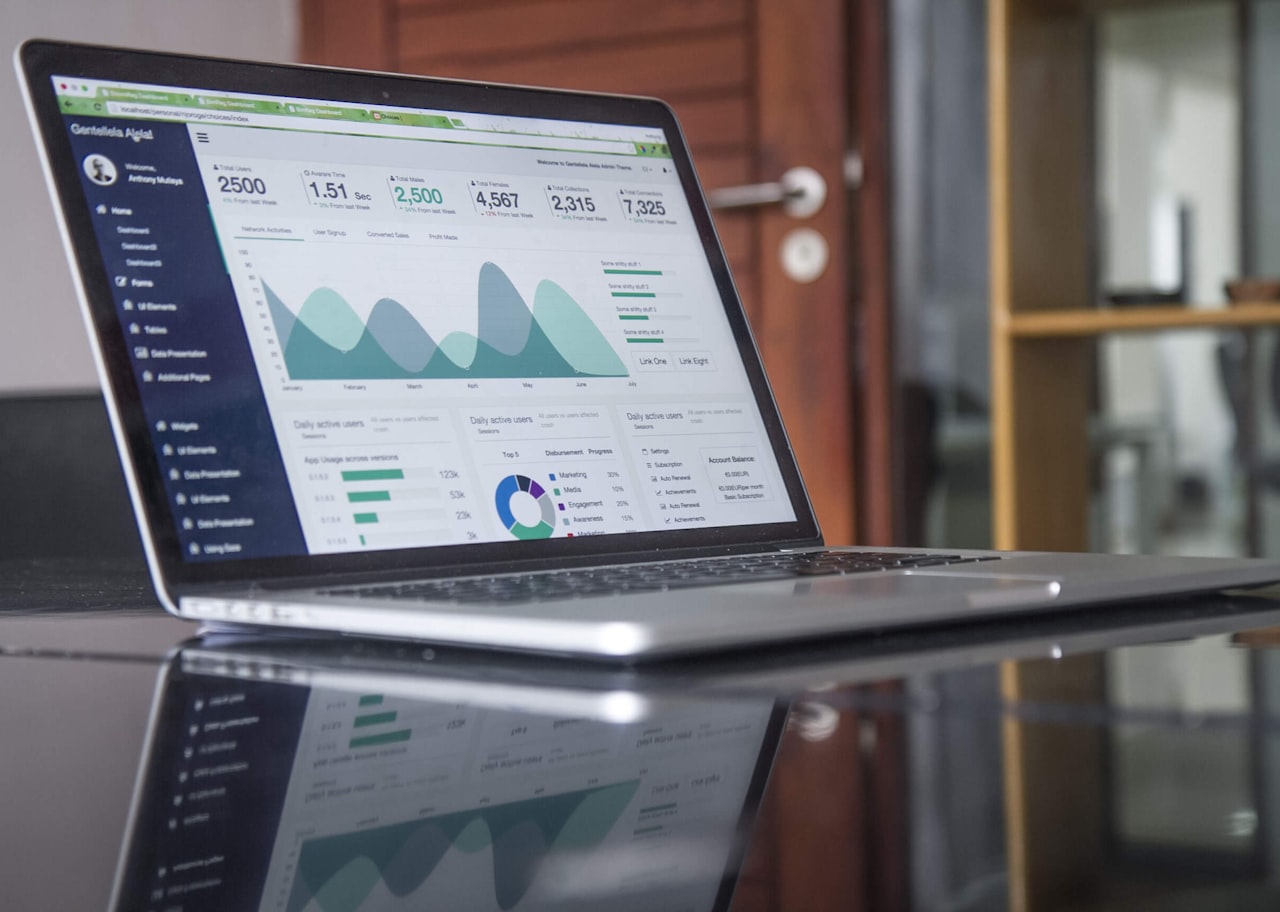
The more significant impact on profitability comes from sales volume, average selling prices, advertising costs and return rates. Singapore sellers should calculate per-unit margins on each platform factoring in all fees plus advertising spend. Developing a comprehensive e-commerce marketing strategy that accounts for marketplace fees ensures accurate financial planning.
Advertising and Promotion Options
Marketplace advertising has become essential for visibility on both platforms. Shopee Ads offers Search Ads (keyword-targeted, CPC model, bids typically SGD 0.10 to 3.00), Discovery Ads (product recommendations, lower CPC) and Shopee Live ads. Shopee’s regular promotional events (9.9, 10.10, 11.11, 12.12) generate massive traffic spikes critical for many sellers’ revenue.
Lazada’s advertising includes Sponsored Discovery, Sponsored Search and Sponsored Affiliate (off-platform traffic). Lazada benefits from Alibaba’s advertising technology, offering more sophisticated targeting and automated bidding. CPC rates tend to be slightly higher than Shopee. For sellers running campaigns across multiple channels, integrating marketplace ads with broader digital marketing campaigns ensures consistent messaging and optimal budget allocation.
Fulfilment and Logistics
Shopee’s logistics programme integrates multiple carriers (J&T Express, Ninja Van, Singapore Post) into a unified system. Fulfilment by Shopee (FBS) offers warehousing and fulfilment with faster delivery times and improved search rankings. Lazada Logistics provides a more integrated experience. Fulfilled by Lazada (FBL) is well-established in Singapore with same-day and next-day delivery options.

For Singapore sellers, both platforms deliver reliable logistics within the country’s compact geography. The choice between self-fulfilment and platform fulfilment depends on order volume, warehouse capacity and cost. Sellers processing more than 50 orders per day often benefit from platform fulfilment due to reduced operational burden and improved delivery metrics.
Seller Tools and Analytics
Shopee Seller Centre provides listing management, order processing, advertising management, finance tracking and performance analytics. The Business Insights dashboard shows page views, visitors, conversion rates and revenue. Lazada Seller Centre offers similar functionality with more detailed analytics through Business Advisor, including competitor benchmarking and category insights.
Both integrate with third-party tools like Ginee, SiteGiant and EasyStore for centralised multi-marketplace management. For sellers also maintaining their own e-commerce website, professional SEO services for your independent store provide a valuable complement to marketplace sales.
Category Performance
Categories performing better on Shopee: fashion and accessories, beauty and personal care, home and living, food and beverages, mobile accessories and low to mid-price items (under SGD 50). Categories performing better on Lazada: electronics and gadgets, home appliances, sports and outdoor, branded products (through LazMall), baby and kids products (premium brands) and higher-price items (SGD 50+).
These patterns reflect demographic differences. Shopee’s younger, price-sensitive audience gravitates toward affordable, trend-driven products. Lazada’s audience is more comfortable with considered purchases and branded goods. For sellers with products suited to either platform, testing on both for 30 to 90 days provides more reliable guidance than general trends.
Multi-Platform Strategy
Most successful Singapore sellers operate on both platforms. Start with the platform best suited to your category and price point. Build your rating, optimise listings and develop advertising expertise before expanding. Once profitable on one, replicate best-performing listings on the second. Use multi-channel tools to synchronise inventory.
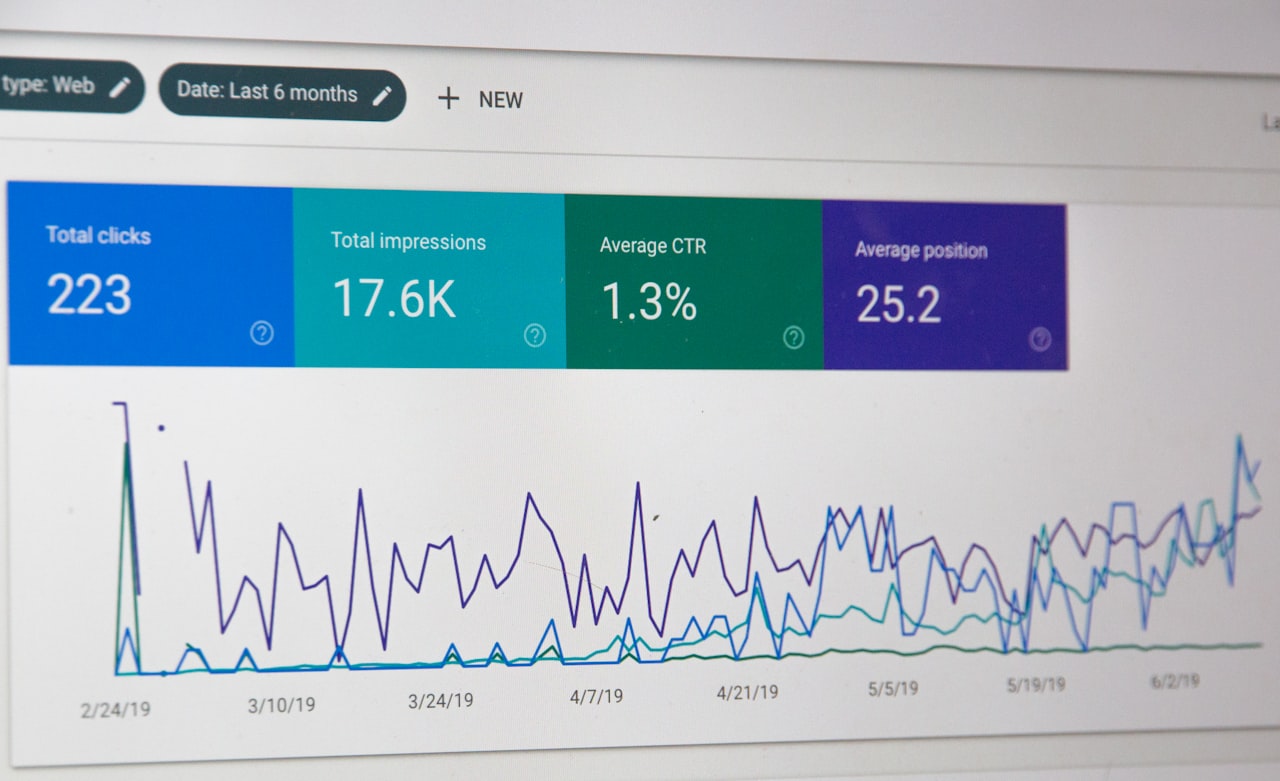
Crucially, also invest in building your own e-commerce website on Shopify, WooCommerce or similar. Your own site provides higher margins, direct customer relationships and an asset you control. Drive traffic through SEO, Google Ads and social media marketing. Complementing marketplace sales with a branded website gives you control over the customer experience and reduces dependence on any single platform.
Frequently Asked Questions
Can I sell the same products on both Shopee and Lazada?
Yes, selling on both simultaneously is common and permitted. Use inventory management tools to synchronise stock levels. Price consistently across platforms. Managing two operations requires more time and potentially more team members than focusing on one.
Which platform is easier for new sellers?
Shopee is generally considered easier. The onboarding is straightforward, listing creation is simple and the Seller Education Hub provides guidance for beginners. Lazada’s onboarding is slightly more rigorous, though basic registration is still accessible. Budget two to four weeks to set up and start generating initial sales on either platform.
How important are marketplace advertising budgets?
Marketplace advertising has become essential for most categories. Budget approximately 10 to 20 per cent of target revenue for advertising initially. Sellers who do not advertise risk products being buried below competitors. Measure ROAS rigorously and allocate to profitable keywords and products.
What are the biggest challenges for Singapore marketplace sellers?
Rising competition (particularly cross-border sellers), increasing advertising costs, shrinking margins from fee adjustments, buyer-friendly return policies and building brand loyalty on platforms that control the customer relationship. Counter these through differentiation, brand building, excellent service and channel diversification.
Should I use FBS or FBL?
Platform fulfilment is generally worthwhile for sellers processing 30 to 50+ orders per day. It reduces operational burden, improves delivery speeds and can boost search rankings. Calculate per-order costs of self-fulfilment versus platform fulfilment, factoring in your time, warehouse costs and courier rates.
How do I optimise product listings for better visibility?
Use keyword-rich titles that include the most searched terms for your product. Write detailed descriptions covering specifications, benefits and use cases. Upload multiple high-quality images showing the product from different angles. Competitive pricing, fast shipping and positive reviews all boost algorithmic ranking on both platforms.
What is the best approach for managing returns on both platforms?
Both platforms have shifted towards buyer-friendly return policies. Factor return rates of 2 to 8 per cent (varying by category) into your pricing strategy. Reduce returns by providing accurate product descriptions, clear sizing guides and high-quality images. Process returns quickly to maintain your seller rating. Track return reasons to identify and address product or listing issues.
How do mega sale events (9.9, 11.11, 12.12) affect seller strategy?
Mega sales generate massive traffic spikes and can represent 20 to 40 per cent of a seller’s monthly revenue. Prepare by stocking inventory, setting up promotion campaigns and creating competitive vouchers two to three weeks before each event. Participate in platform-wide promotions to benefit from increased visibility. Budget for higher advertising costs during these periods as competition for ad placements intensifies.
Can I build a brand on marketplace platforms?
Building strong brand recognition purely on marketplaces is challenging since the platform controls the customer experience. However, you can build product recognition through consistent quality, distinctive packaging, excellent service and active review management. For true brand building, complement marketplace sales with your own website and social media presence where you control the brand narrative.
Is it worth joining LazMall or Shopee Mall?
Mall programmes provide increased trust, better visibility and access to premium promotional placements. They suit established brands and sellers with consistent quality and reliable fulfilment. Requirements include brand registration, minimum sales history and quality standards. If you meet the criteria, the benefits typically justify the slightly higher commission rates in Singapore’s competitive marketplace environment.