Sentiment Analysis for Marketing: How to Understand What Customers Really Think
Table of Contents
What Sentiment Analysis Is and How It Works
Sentiment analysis marketing uses natural language processing and machine learning to classify text as positive, negative, or neutral. It transforms unstructured data from reviews, social media posts, customer feedback, and survey responses into quantifiable insights about how people feel about your brand, products, or industry.
At its simplest, sentiment analysis identifies whether a piece of text expresses a positive, negative, or neutral opinion. More sophisticated approaches detect specific emotions like frustration, excitement, or disappointment, and can identify the specific aspects of your product or service that those emotions relate to. “The food was excellent but the wait was unacceptable” contains both positive sentiment about food quality and negative sentiment about service speed.
For Singapore businesses, sentiment analysis provides a scalable way to process the high volume of customer feedback generated across multiple platforms and languages. Manually reading and categorising every review, social mention, and survey response is impractical for most businesses. Automated sentiment analysis processes thousands of text entries in minutes, revealing patterns that would be invisible to manual review. This capability is foundational for social media marketing teams that need to understand audience perception at scale.
Why Marketers Need Sentiment Data
Sentiment data reveals what customers think and feel, which traditional analytics cannot capture. GA4 tells you that a hundred people visited your pricing page; sentiment analysis tells you that prospects find your pricing confusing, too high, or surprisingly competitive. This qualitative layer transforms data into understanding.
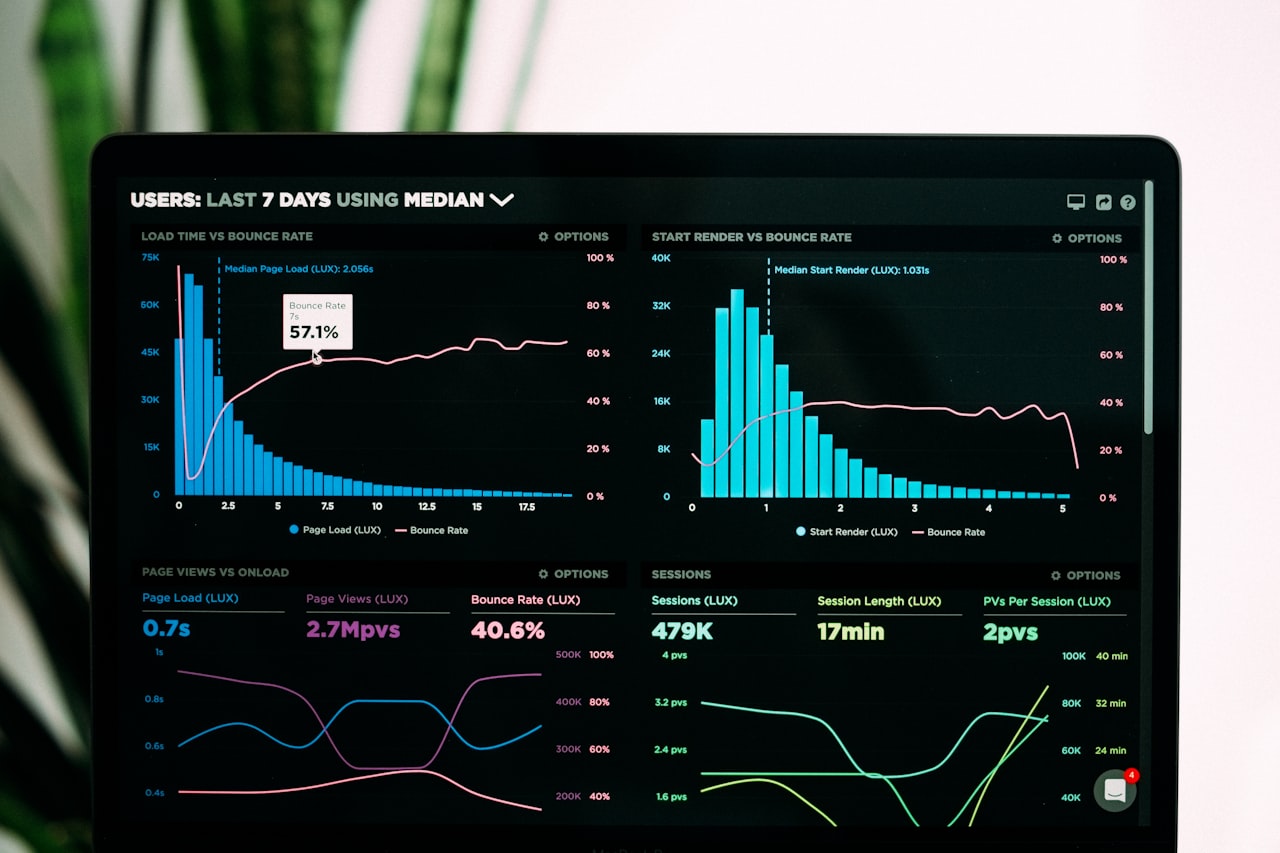
Brand health monitoring is the most common marketing application. Track sentiment trends over time to measure the impact of campaigns, product launches, and PR events. A campaign that generates strong reach but negative sentiment has failed, even if the engagement numbers look impressive. Sentiment data prevents you from celebrating vanity metrics while missing genuine audience reactions.
Competitive sentiment analysis reveals how your brand is perceived relative to competitors. If customer sentiment toward your main competitor shifts negative due to a service issue, that is both a threat you need to monitor and an opportunity to highlight your own strengths. This intelligence informs messaging, positioning, and timing decisions across your digital marketing strategy.
Product and service improvement insights emerge naturally from sentiment data. When sentiment analysis reveals consistent negative reactions to a specific product feature, service process, or customer touchpoint, you have actionable intelligence for operational improvement. Marketing that promises one experience while customers consistently report another creates a credibility gap that no amount of advertising can bridge.
Methods and Approaches to Sentiment Analysis
Rule-based sentiment analysis uses predefined lists of positive and negative words to classify text. “Excellent,” “amazing,” and “love” score positive; “terrible,” “awful,” and “hate” score negative. This approach is fast and transparent but struggles with sarcasm, context, and the nuanced language that characterises real customer feedback.
Machine learning approaches train models on labelled datasets to recognise sentiment patterns. These models learn from context, handling negation (“not great”), modifiers (“somewhat disappointing”), and implicit sentiment (“the delivery took three weeks”) more accurately than rule-based methods. Modern models built on large language models achieve accuracy rates of eighty-five to ninety-five per cent on standard benchmarks.
Aspect-based sentiment analysis marketing goes beyond overall sentiment to identify which specific aspects of your product or service receive positive or negative reactions. A hotel review saying “Beautiful rooms but terrible breakfast” contains positive sentiment for accommodation and negative sentiment for dining. This granularity is far more actionable than a single positive or negative classification.
Hybrid approaches combine rule-based and machine learning methods. Rules handle straightforward cases efficiently while machine learning tackles complex, context-dependent language. For most marketing applications, a hybrid approach provides the best balance of accuracy, speed, and cost.
Tools for Sentiment Analysis
Social media management platforms like Sprout Social, Brandwatch, and Hootsuite include built-in sentiment analysis for social media mentions. These tools are the most accessible entry point because they integrate sentiment tracking into your existing social media workflow. Accuracy varies between platforms, so validate results against manual review periodically.

Dedicated sentiment analysis tools like MonkeyLearn, Lexalytics, and Repustat offer more sophisticated analysis including aspect-based sentiment, emotion detection, and multilingual support. These tools can process data from any text source, not just social media, making them suitable for analysing survey responses, support tickets, and reviews.
For Singapore’s multilingual market, ensure your chosen tool supports Mandarin, Malay, and Tamil in addition to English. Singlish expressions and code-switching between languages present unique challenges for sentiment analysis. Tools trained on Singaporean text data perform significantly better than those trained only on standard English.
Cloud APIs from Google Cloud Natural Language, AWS Comprehend, and Azure Text Analytics offer sentiment analysis as a service. These are ideal for businesses with development resources who want to build custom sentiment analysis into their own tools and dashboards. Pricing is usage-based, making them cost-effective for both small-scale testing and large-scale production. Pair these tools with your social media listening setup for maximum coverage.
Practical Applications for Marketing Teams
Campaign monitoring is the most immediate application. Track sentiment before, during, and after a campaign to measure its emotional impact on your audience. A successful campaign should shift sentiment positively. If sentiment drops during a campaign, you can adjust messaging or address concerns before the campaign concludes.
Product launch feedback analysis processes the surge of customer reactions that follows a new product or service launch. Sentiment analysis categorises this feedback rapidly, identifying what customers love, what concerns them, and what confuses them. This intelligence allows you to adjust marketing messaging, update FAQ content, and brief your customer service team within days of launch.
Customer experience mapping uses sentiment data from multiple touchpoints to identify where in the customer journey sentiment shifts. If sentiment is positive during the purchase process but turns negative after delivery, you have pinpointed a specific operational issue. This cross-touchpoint analysis provides a more complete picture than any single feedback channel.
Content strategy optimisation uses sentiment data to identify which topics, formats, and messages generate the most positive audience response. If your audience responds positively to practical how-to content but negatively to promotional content, your editorial calendar should reflect that preference. Align your content marketing with the emotional responses that drive engagement and conversion.
Challenges and Limitations
Sarcasm and irony remain the greatest challenge for automated sentiment analysis. “Great, another price increase” is negative despite containing the positive word “great.” While modern models have improved at detecting sarcasm, accuracy rates for ironic text remain lower than for straightforward expressions. Human review of flagged cases improves overall accuracy.
Context dependency means the same words carry different sentiment in different situations. “The film was predictable” is negative for a thriller but might be neutral for a children’s movie. Industry-specific and brand-specific context matters. A generic sentiment model may misclassify text that a domain-specific model would handle correctly.
Volume bias can skew perception. A single viral negative review can dominate sentiment scores even when the vast majority of feedback is positive. Ensure your analysis considers both the volume and the representativeness of sentiment signals. Weight results by source credibility and recency to prevent outliers from distorting the overall picture.
Cultural and linguistic nuances affect sentiment expression. Singaporean communication styles, including the indirect expression of dissatisfaction common in Asian business cultures, may understate negative sentiment in ways that Western-trained models miss. Calibrate your analysis for local communication patterns and validate with native speakers.
Building a Sentiment Analysis Programme
Start with a specific use case rather than trying to analyse everything at once. Brand mention sentiment on social media is the most accessible starting point. Once you have established a baseline and built internal confidence in the methodology, expand to customer reviews, support tickets, and survey responses.
Establish a baseline by analysing three to six months of historical data. This baseline provides context for interpreting future trends. A sentiment score of sixty per cent positive means very different things depending on whether your baseline is forty per cent or eighty per cent positive.
Create a reporting rhythm that delivers sentiment insights to the teams that need them. Marketing needs weekly sentiment updates to inform content and campaign decisions. Product teams need monthly summaries of feature-specific sentiment. Leadership needs quarterly sentiment trend reports alongside other brand health metrics.
Combine automated analysis with periodic human review. Manually review a sample of classified texts each month to validate accuracy and identify emerging patterns that automated tools may miss. This human-in-the-loop approach ensures your sentiment programme remains accurate and relevant as language, products, and market conditions evolve. Feed these insights into your social media ROI measurement for a complete picture of marketing performance.
Frequently Asked Questions
How accurate is automated sentiment analysis?
Modern sentiment analysis tools achieve eighty to ninety per cent accuracy on standard text. Accuracy drops for sarcasm, slang, and highly contextual language. For marketing purposes, this accuracy level is sufficient to identify trends and patterns, though individual classifications should be taken with appropriate caution.
What data sources should I analyse for sentiment?
Start with social media mentions and online reviews. Expand to customer support tickets, survey responses, forum discussions, and email feedback as your programme matures. Each source provides different insights: social media captures real-time reactions, reviews reflect considered opinions, and support tickets reveal pain points.
How often should I run sentiment analysis?
Monitor social media sentiment continuously with real-time alerts for significant shifts. Analyse review and survey sentiment monthly. Conduct quarterly deep-dive analyses that combine all sources for a comprehensive brand health assessment.
Can sentiment analysis work with Singlish?
Standard tools struggle with Singlish due to unique vocabulary, grammar patterns, and code-switching. Choose tools that support Southeast Asian language variations or train custom models on Singlish text data. Human validation is particularly important when analysing Singlish content.
What is the difference between sentiment analysis and social listening?
Social listening tracks and analyses online conversations about your brand and industry. Sentiment analysis is a specific technique within social listening that classifies the emotional tone of those conversations. Social listening answers “What are people saying?” while sentiment analysis answers “How do they feel about it?”
How do I measure the ROI of sentiment analysis?
Track decisions influenced by sentiment data and their outcomes. If sentiment analysis revealed a product issue that you fixed, measure the improvement in customer satisfaction and retention. If sentiment insights informed a campaign adjustment, measure the performance difference. The ROI comes from better decisions, not from the analysis itself.
Should I build or buy sentiment analysis capability?
Most marketing teams should buy. Building custom models requires data science expertise and significant training data. Off-the-shelf tools provide adequate accuracy for marketing applications at a fraction of the cost. Consider building only if you have unique language requirements or need to integrate sentiment into proprietary systems.
How do I handle mixed sentiment in a single review?
Use aspect-based sentiment analysis that can identify multiple sentiments within a single text. “Great product, terrible customer service” should be classified as positive for product quality and negative for customer service, not averaged into a neutral overall score. Aspect-level analysis provides actionable insights that overall sentiment scores miss.
Can sentiment analysis predict customer churn?
Declining sentiment in customer communications and support interactions can signal churn risk. When a previously positive customer’s language shifts negative, this is an early warning. Combining sentiment trends with behavioural data like usage decline and engagement drop creates a powerful churn prediction model.
What role does sentiment analysis play in crisis management?
Sentiment analysis provides real-time tracking of public reaction during a crisis. It helps you measure the severity of the crisis, assess whether your response is improving or worsening sentiment, and determine when the crisis is subsiding. This data-driven approach prevents both underreaction and overreaction during critical moments.