Table of Contents
- The Review Platform Landscape in Singapore
- Google Reviews: The Dominant Platform
- Facebook Recommendations
- TripAdvisor for Hospitality and F&B
- Yelp, Carousell and Other Niche Platforms
- How to Choose the Right Platforms for Your Business
- Managing Your Presence Across Multiple Platforms
- Frequently Asked Questions
The Review Platform Landscape in Singapore
Understanding which review platforms singapore consumers use is essential for any business that wants to build trust and attract customers online. Singapore’s review ecosystem spans multiple platforms, each serving different audiences, industries and use cases. Where your customers look for reviews depends on your industry, your target demographics and the purchase journey they follow.
The Singapore market is characterised by high digital literacy and a strong research-before-purchase culture. Consumers routinely check reviews across two to three platforms before making a decision. This multi-platform behaviour means that having a strong presence on just one review site is insufficient — your reputation needs to be consistent across every platform where your customers look.
Review platforms in Singapore can be categorised into three groups: universal platforms (Google, Facebook) that matter for virtually every business; industry-specific platforms (TripAdvisor, HungryGoWhere, Zomato) that dominate certain sectors; and emerging or niche platforms (Carousell reviews, Trustpilot, industry forums) that serve specific audiences or transaction types.
The right platform strategy depends on where your customers are. A neighbourhood restaurant needs strong Google and TripAdvisor reviews. An e-commerce business needs Carousell reviews and Trustpilot ratings. A professional services firm needs Google Reviews and LinkedIn recommendations. This guide helps you identify and prioritise the platforms that matter most for your specific business.
Google Reviews: The Dominant Platform
Google Reviews is the single most important review platform for nearly every business in Singapore. With over 90 percent of local searches starting on Google, your Google review profile is visible at the exact moment potential customers are evaluating their options. Google Reviews appear in search results, Google Maps and your Google Knowledge Panel.
The integration between Google Reviews and local search makes this platform uniquely powerful. Review quantity, quality and recency directly influence your ranking in the Local Pack — the map-based results that appear at the top of local search queries. Businesses with more and better Google Reviews consistently achieve higher local search visibility, making reviews a critical component of your SEO strategy.
Google Reviews feature a five-star rating system with optional text reviews. Reviews are tied to Google accounts, which provides some level of verification but does not entirely prevent fake reviews. Business owners can respond to all reviews through their Google Business Profile dashboard.
Key statistics for Singapore: the average Singapore business has between 20 and 100 Google Reviews. Top-performing businesses in competitive categories often have 200 or more. The average rating across Singapore businesses hovers around 4.3 stars. To stand out, aim for a minimum of 50 reviews with a rating of 4.5 or above.
For a comprehensive approach to generating and managing Google Reviews, refer to our detailed Google Reviews guide. That article covers profile optimisation, review generation tactics, response strategies and advanced techniques specific to the Google platform.
Facebook Recommendations
Facebook replaced its traditional star rating system with Recommendations in 2018. Users now choose whether to recommend or not recommend a business and can add optional text and tags describing their experience. Despite the simplified format, Facebook Recommendations remain highly influential in Singapore due to Facebook’s massive user base.
Facebook Recommendations have unique viral potential. When a user recommends your business, their recommendation can appear in their friends’ news feeds, extending reach beyond people actively searching for reviews. This organic amplification makes Facebook Recommendations particularly valuable for consumer-facing businesses.
The social context of Facebook Recommendations adds credibility. When you see a friend’s recommendation, it carries the weight of a personal endorsement rather than an anonymous review. This social proof dynamic makes Facebook Recommendations especially influential for purchases where trust is a major factor — healthcare, education, financial services and family-oriented services.
Managing Facebook Recommendations requires an active Facebook Business Page. Respond to recommendations promptly, particularly negative ones. Facebook’s algorithm favours businesses that engage actively with their community, and responsive businesses appear more trustworthy to potential customers browsing recommendations.
For businesses investing in social media marketing, Facebook Recommendations should be integrated into your overall Facebook strategy. Encourage reviews through post-visit follow-ups, and share positive recommendations on your page to amplify their visibility.
TripAdvisor for Hospitality and F&B
TripAdvisor is the dominant review platform for hospitality, tourism and dining in Singapore. With millions of monthly visitors researching Singapore attractions, hotels, restaurants and experiences, TripAdvisor presence is non-negotiable for businesses in these sectors.
TripAdvisor’s ranking algorithm considers review quantity, quality, recency and consistency. The platform awards Travellers’ Choice badges (formerly Certificate of Excellence) to top-performing businesses, which serves as a powerful trust signal. Achieving and maintaining this recognition requires consistent review volume and high ratings.
The platform allows detailed reviews with ratings across multiple dimensions — for restaurants, this includes food, service, value and atmosphere. These granular ratings provide specific feedback and help potential customers make informed decisions. They also give you actionable insights into which aspects of your business are strongest and where improvement is needed.
TripAdvisor’s influence extends beyond the platform itself. TripAdvisor ratings and reviews appear in Google search results, giving the platform secondary visibility that amplifies its impact. A strong TripAdvisor profile enhances your overall search presence for branded and category queries.
For Singapore’s F&B industry, TripAdvisor competes with Google Reviews, Burpple and HungryGoWhere as key decision-making platforms. Each serves slightly different audiences — TripAdvisor skews toward tourists and expats, while Burpple has a stronger local following. Maintaining presence across all relevant platforms maximises your reach.
Yelp, Carousell and Other Niche Platforms
Yelp has a modest but growing presence in Singapore, particularly among the expat community and internationally minded consumers. If your business serves this demographic — international restaurants, professional services, lifestyle brands — a Yelp presence is worthwhile. The platform provides detailed reviews, business information and photos.
Carousell, Singapore’s leading marketplace platform, has a built-in review system that is essential for businesses selling through the platform. Carousell reviews focus on transaction reliability, communication quality and product accuracy. For e-commerce sellers, maintaining a high Carousell rating is critical for attracting buyers in a competitive marketplace.
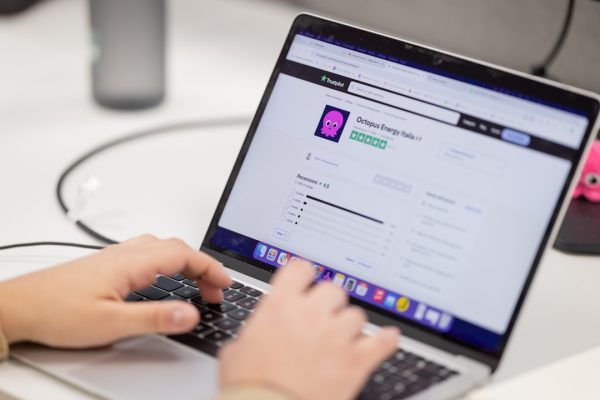
Trustpilot is increasingly relevant for online businesses, SaaS companies and e-commerce brands serving Singapore customers. The platform provides verified reviews and integrates with Google to display seller ratings in search ads. Businesses using Google Ads benefit from Trustpilot integration through enhanced ad visibility.
Industry-specific platforms serve particular sectors. Glassdoor and Indeed for employer reputation. ProductReview.com.au (which covers Singapore) for consumer electronics and home products. SgCarMart for automotive. PropertyGuru for real estate. Identify the niche platforms relevant to your industry and ensure your presence is managed.
Forums and community platforms like HardwareZone, Reddit Singapore and specific Facebook groups function as informal review platforms. While you cannot manage these spaces in the same way as formal review platforms, monitoring them through social listening tools provides valuable sentiment insights and early warning of emerging issues.
Burpple deserves special mention for Singapore’s F&B industry. The platform features curated food guides, user reviews and a subscription programme (Burpple Beyond) that drives foot traffic to participating restaurants. For restaurants and cafes, an active Burpple presence with positive reviews can directly influence dine-in traffic.
How to Choose the Right Platforms for Your Business
Start with Google Reviews — it is universally important regardless of your industry or business type. The integration with Google Search and Maps makes it the highest-impact platform for virtually every Singapore business. Make Google your primary review platform and build outward from there.
Add Facebook Recommendations as your second platform if you serve consumers directly. Facebook’s reach and the social proof dynamic of friend recommendations make it the most valuable secondary platform for B2C businesses. The effort required is minimal if you already maintain an active Facebook Business Page.
Layer in industry-specific platforms based on your sector. Hospitality and F&B businesses should prioritise TripAdvisor and Burpple. E-commerce businesses should focus on Carousell reviews and Trustpilot. Professional services should invest in LinkedIn recommendations and Google Reviews. Healthcare providers should monitor platforms like DoctorxDentist.
Research your competitors’ review presence. Search for your top five competitors and note which platforms feature their reviews prominently in search results. If competitors have strong TripAdvisor profiles that appear in search results for your category keywords, you need to be present there too to remain competitive.
Consider your customer demographics. Younger, tech-savvy audiences are more likely to check Google and Instagram. The expat community gravitates toward Yelp and TripAdvisor. Older demographics rely heavily on Google and Facebook. Align your platform investment with where your specific target audience looks for reviews.
Do not spread yourself too thin. It is better to have a strong, well-managed presence on three platforms than a weak, neglected presence on eight. Prioritise based on impact and manageability. As your capacity grows, expand to additional platforms systematically as part of your broader digital marketing strategy.
Managing Your Presence Across Multiple Platforms
Ensure your business information is consistent across all review platforms. Name, address, phone number (NAP), business hours, website URL and business description should be identical everywhere. Inconsistencies confuse customers and can negatively impact your local SEO performance.
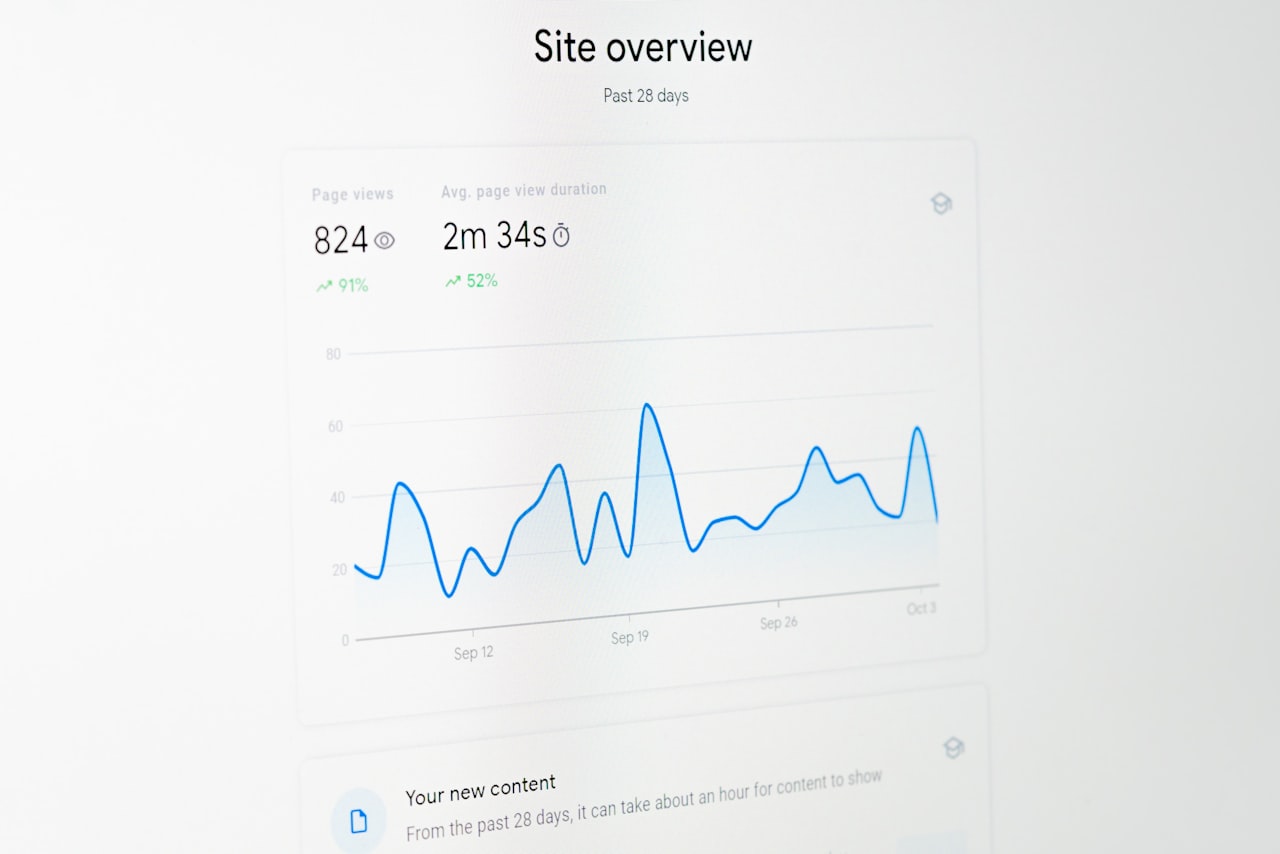
Use a review management platform to centralise monitoring and response across multiple sites. Tools like ReviewTrackers, Podium, Birdeye and Reputation.com aggregate reviews from all major platforms into a single dashboard. These tools save significant time compared to checking each platform individually and ensure no reviews fall through the cracks.
Establish a response protocol that applies consistently across all platforms. Whether a review appears on Google, Facebook or TripAdvisor, your response should follow the same principles — timeliness, personalisation, empathy and professionalism. Platform-specific formatting may vary, but your brand voice and quality standards should remain constant.
Direct review requests to your priority platforms. When asking customers for reviews, guide them to the platform that matters most for your business. For most businesses, this means Google. Include a direct link to your Google review form in email signatures, follow-up emails and physical materials. For our complete approach, see the online review strategy guide.
Track review metrics across all platforms in a consolidated report. Monitor total reviews, average rating, review velocity and sentiment trends for each platform. Compare platform performance to identify where you are strong and where you need improvement. Monthly reporting keeps you informed and enables data-driven decisions about where to focus your efforts.
Claim and optimise your profile on every relevant platform, even those where you are not actively generating reviews. An unclaimed profile with outdated information or no management response creates a poor impression. At minimum, ensure your business information is accurate, your profile photo is professional and you respond to any reviews that come in organically.
Integrate review management into your team’s daily routine. Assign responsibility for daily review checks, designate back-up responders for holidays and absences, and create escalation procedures for reviews that require management attention. Consistency in monitoring and response is what separates businesses with strong review reputations from those with neglected profiles. This systematic approach supports your overall reputation management and contributes to stronger social proof across all channels.
Frequently Asked Questions
Which review platform is most important for Singapore businesses?
Google Reviews is the most important platform for the vast majority of Singapore businesses due to its integration with Google Search and Maps. It has the highest visibility and the most direct impact on local search rankings. Start with Google and add industry-specific platforms based on your sector.
How many review platforms should my business be active on?
Focus on two to four platforms that are most relevant to your industry and audience. For most businesses, this means Google Reviews plus one or two industry-specific platforms. It is better to manage a few platforms well than to spread your attention across many platforms poorly.
Do I need to be on TripAdvisor if I am not in hospitality?
If you are not in hospitality, tourism or F&B, TripAdvisor is generally not a priority. Focus your efforts on Google Reviews, Facebook and any platforms specific to your industry. TripAdvisor’s audience is primarily travellers and diners — if that is not your customer base, your time is better spent elsewhere.
How do I handle inconsistent ratings across platforms?
Investigate why ratings differ. Lower ratings on one platform may indicate a demographic mismatch, a handful of negative reviews disproportionately affecting a small sample size, or legitimate feedback from a specific customer segment. Address the root cause rather than treating it as a platform-specific issue.
Should I ask customers to review on a specific platform?
Yes. Direct customers to the platform that matters most for your business — typically Google. You can ask “Would you mind leaving us a Google review?” rather than a generic “Please leave us a review somewhere.” Directing requests to your priority platform concentrates your review efforts where they have the greatest impact.
Can I transfer reviews from one platform to another?
No. Reviews are platform-specific and cannot be transferred or copied between platforms. Each platform has its own review ecosystem. You can quote reviews from one platform on your website (with proper attribution), but you cannot move the review itself to a different review platform.
How do I deal with fake reviews on different platforms?
Each platform has its own reporting process for fake reviews. On Google, flag the review through your Business Profile. On Facebook, report the recommendation. On TripAdvisor, use their Management Centre to report suspicious reviews. Provide as much evidence as possible — timing patterns, reviewer profile analysis, factual impossibilities.
Are review aggregator widgets useful for my website?
Yes. Review aggregator widgets that display your reviews from Google, Facebook and other platforms on your website create a centralised social proof experience. Visitors see your best reviews without leaving your site, which can improve conversion rates. Ensure the widget updates automatically and displays recent reviews for maximum credibility.