Retail Market Entry in Singapore: Malls, Shophouses and Omnichannel Strategy
Singapore is one of the most attractive retail markets in Asia-Pacific. With a highly urbanised population of nearly six million, world-class shopping infrastructure and deep consumer spending power, the city-state offers foreign retailers a compact yet lucrative entry point into the region. However, retail market entry in Singapore demands careful planning — from choosing between mall leases and shophouse tenancies to building an omnichannel presence that resonates with digitally savvy Singaporean consumers.
This guide walks foreign brands through every stage of retail market entry in Singapore, covering regulatory setup, location strategy, leasing considerations, omnichannel marketing and long-term growth planning.
Table of Contents
- Why Singapore Is a Prime Retail Market
- Company Registration and Retail Licensing
- Location Strategy: Malls, Shophouses and Pop-Ups
- Leasing Considerations and Negotiation
- Building an Omnichannel Retail Strategy
- Digital Marketing for Retail Brands in Singapore
- Understanding Singaporean Consumer Behaviour
- Frequently Asked Questions
Why Singapore Is a Prime Retail Market
Singapore consistently ranks among the top retail destinations in Asia. The country’s strategic location, strong rule of law and transparent business environment make it a natural launchpad for foreign brands looking to establish a regional presence.
High Consumer Spending Power
Singapore’s GDP per capita exceeds USD 80,000, placing it among the wealthiest nations globally. The median household income supports discretionary spending on fashion, beauty, electronics, food and beverage, and lifestyle products. Foreign brands entering the market benefit from a consumer base that is willing to pay premium prices for quality and novelty.
Tourism and Transit Traffic
Changi Airport handles tens of millions of passengers annually, and Singapore attracts significant tourist footfall from China, Indonesia, India and Australia. Retail locations in the Orchard Road belt, Marina Bay and Jewel Changi benefit from both resident and tourist spending, giving foreign retailers dual revenue streams.
Regional Gateway
Many foreign brands use Singapore as a test market before expanding into Malaysia, Indonesia, Thailand and the broader ASEAN region. Success in Singapore lends credibility and operational experience that can be leveraged across Southeast Asia.
Company Registration and Retail Licensing
Before opening a retail operation, foreign businesses must establish a legal entity in Singapore. The most common structure is a private limited company registered with the Accounting and Corporate Regulatory Authority (ACRA).
Incorporation Requirements
Foreign companies need at least one local director who is a Singapore citizen, permanent resident or EntrePass holder. The incorporation process is straightforward and typically completed within one to two business days through ACRA’s BizFile+ portal. Paid-up capital of SGD 1 is the statutory minimum, though landlords and suppliers may expect higher capitalisation.
Retail-Specific Licences
General merchandise retail does not require a specific licence beyond the standard business registration. However, certain product categories need additional approvals:
- Food and beverage retail: Singapore Food Agency (SFA) licence required for any food handling or sale.
- Alcohol retail: A liquor licence from the police is mandatory for off-premise alcohol sales.
- Health products: Products classified as health supplements, cosmetics or therapeutic devices require Health Sciences Authority (HSA) notification or registration.
- Tobacco products: Heavily regulated with import permits and display restrictions.
Goods and Services Tax (GST)
Businesses with annual taxable turnover exceeding SGD 1 million must register for GST, currently at nine per cent. Retailers should factor GST into pricing strategies and ensure their point-of-sale systems are configured for compliant invoicing.
Location Strategy: Malls, Shophouses and Pop-Ups
Choosing the right retail location is arguably the most critical decision for foreign brands entering Singapore. The three main options — shopping malls, shophouses and pop-up spaces — each serve different strategic purposes.
Shopping Malls
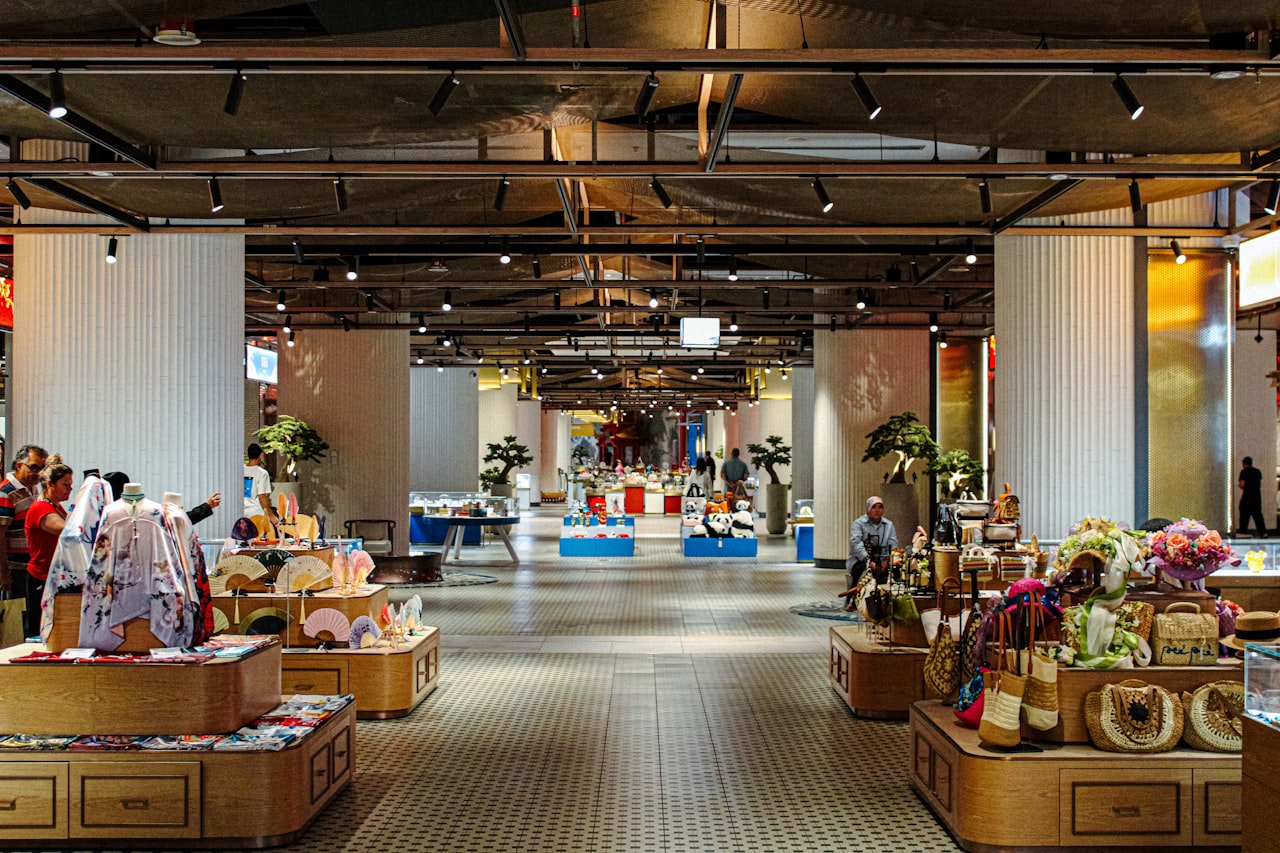
Singapore’s mall density is among the highest in the world. Prime locations include:
- Orchard Road belt: ION Orchard, Paragon, Ngee Ann City and Mandarin Gallery cater to luxury and premium lifestyle brands.
- Marina Bay: The Shoppes at Marina Bay Sands attract affluent locals and tourists.
- Suburban malls: VivoCity, Tampines Mall, Jurong Point and Northpoint City serve heartland consumers with higher volume but lower average transaction values.
Mall tenancies offer high footfall, air-conditioned environments, integrated marketing and established infrastructure. However, rents in prime malls can be substantial, often ranging from SGD 20 to SGD 80 per square foot per month depending on location and floor level.
Shophouses
Conservation shophouses in areas like Tiong Bahru, Haji Lane, Kampong Glam and Joo Chiat offer character-driven retail spaces. Shophouse tenancies appeal to boutique brands, artisanal food and beverage concepts, and lifestyle retailers seeking a distinctive brand identity. Rents are generally lower than prime mall locations, though renovation costs for heritage buildings can be significant.
Pop-Up and Concept Stores
For brands testing the market before committing to a long-term lease, pop-up spaces offer a lower-risk entry point. Pop-up locations are available in malls such as Design Orchard and community spaces like *SCAPE. Short-term leases of one to six months allow brands to gauge consumer response, build awareness and generate media coverage before scaling.
Leasing Considerations and Negotiation
Retail leases in Singapore typically run for three years with an option to renew. Foreign brands should understand the key terms before signing.
Lease Structure
Most mall leases comprise a base rent plus a percentage of gross turnover (typically three to eight per cent), whichever is higher. This gross turnover rent (GTO) model means that landlords share in a tenant’s upside, but it also means that brands must report sales figures accurately and transparently.
Fitting-Out and Reinstatement
Landlords generally provide bare units. Tenants are responsible for all interior fit-out costs, which can range from SGD 100 to SGD 300 per square foot depending on the brand’s design requirements. Equally important is the reinstatement clause — tenants must restore the unit to its original condition upon lease expiry, which adds to total occupancy costs.
Key Negotiation Points
Foreign brands should negotiate on the following terms:
- Rent-free fitting-out periods of four to eight weeks.
- Graduated rent structures with lower rates in the first year.
- Exclusivity clauses preventing the landlord from leasing to direct competitors on the same floor.
- Advertising and promotion fund contributions — malls typically charge one to two per cent of gross rent for collective marketing.
Engaging a commercial real estate agent with retail specialisation is advisable, as they can benchmark rents and leverage relationships with landlords. Working with a professional branding agency early on ensures your store design and visual identity are optimised for the Singaporean market.
Building an Omnichannel Retail Strategy
Singaporean consumers are among the most digitally connected in the world. A purely brick-and-mortar approach is insufficient — foreign brands must integrate online and offline channels from day one.
E-Commerce Platforms
Singapore’s leading e-commerce platforms include Shopee, Lazada and Amazon Singapore. These marketplaces offer immediate access to millions of active shoppers and are particularly useful for building brand awareness before or alongside a physical retail launch. Platform fees typically range from five to fifteen per cent of sales value.
Brand-Owned Online Store
A well-designed e-commerce website builds brand equity and provides higher margins than marketplace selling. Platforms like Shopify and WooCommerce are popular choices, while larger brands may opt for custom builds. Your web design and development must be mobile-optimised, as over 80 per cent of Singapore’s online shopping traffic comes from mobile devices.
Click-and-Collect and Same-Day Delivery
Integrating click-and-collect services bridges the gap between online convenience and in-store experience. Singapore’s compact geography makes same-day delivery feasible and increasingly expected by consumers. Third-party logistics providers such as Ninja Van, Lalamove and GrabExpress support last-mile delivery for retailers.
Social Commerce
Platforms like Instagram, TikTok Shop and Facebook Marketplace are becoming significant sales channels. Live selling, influencer partnerships and shoppable posts drive direct conversions. A robust social media marketing strategy is essential for retail brands targeting younger demographics.
Digital Marketing for Retail Brands in Singapore
Effective digital marketing accelerates brand awareness, drives foot traffic and supports online sales. Foreign retailers should invest across multiple channels to reach Singaporean consumers.
Search Engine Optimisation (SEO)
Optimising your website for local search terms helps capture high-intent traffic. Keywords such as “best [product category] in Singapore” and “where to buy [brand] Singapore” drive qualified visitors. A dedicated SEO strategy ensures your brand appears in search results when consumers are actively looking for your products.
Google Ads and Paid Search
Pay-per-click advertising on Google delivers immediate visibility. Retail brands benefit from Shopping Ads, which display product images and prices directly in search results. A well-managed Google Ads campaign targets high-commercial-intent searches and drives both online purchases and store visits.
Content Marketing
Blog articles, buying guides, style lookbooks and video content build brand authority and support SEO. A content marketing programme tailored to Singaporean consumer interests — seasonal events, local trends and cultural moments — resonates more deeply than generic global content.
Influencer and KOL Marketing
Singapore’s influencer ecosystem is mature. Micro-influencers with 10,000 to 50,000 followers often deliver higher engagement rates than celebrities. Partnering with local key opinion leaders (KOLs) who align with your brand values helps build trust and drive trial among Singaporean consumers.
Understanding Singaporean Consumer Behaviour
Foreign brands that succeed in Singapore take the time to understand local consumer preferences and cultural nuances.
Price Sensitivity and Value Orientation
Despite high incomes, Singaporean consumers are research-driven and value-conscious. Shoppers compare prices across platforms, read reviews extensively and wait for sales events like the Great Singapore Sale, 11.11 and Black Friday. Transparent pricing and genuine value propositions perform better than artificial urgency tactics.
Quality and Authenticity
Singaporeans place high importance on product quality, authenticity and provenance. Counterfeit concerns drive consumers towards authorised retailers and brand-owned channels. Clearly communicating your brand story, sourcing and quality standards builds consumer confidence.
Multicultural Market
Singapore’s population comprises Chinese, Malay, Indian and Eurasian communities, along with a significant expatriate population. Marketing messages should be culturally sensitive and, where appropriate, multilingual. Understanding dietary restrictions, cultural celebrations and aesthetic preferences across communities informs product assortment and promotional calendars.
Sustainability Consciousness
Environmental awareness is growing among Singaporean consumers, particularly younger demographics. Brands that demonstrate genuine sustainability commitments — through packaging, sourcing and corporate responsibility — gain favour with an increasingly eco-conscious market.
A comprehensive digital marketing approach that accounts for these behavioural nuances will outperform a one-size-fits-all strategy imported from other markets.
Frequently Asked Questions
How much does it cost to open a retail store in Singapore?
Total setup costs vary significantly by location and format. Budget between SGD 150,000 and SGD 500,000 for a small to mid-sized store, covering incorporation, fit-out, initial inventory, deposits and first-year marketing. Prime mall locations in Orchard Road will require substantially higher investment.
Do I need a local partner to open a retail business in Singapore?
No local partner is required. Foreign companies can wholly own a Singapore subsidiary. However, you need at least one locally resident director. Many foreign retailers appoint a nominee director initially and transition to a hired local director once operations are established.
What is the typical lease duration for retail space in Singapore?
Standard retail leases run for three years with an option to renew for another three years. Some landlords offer shorter one to two-year leases for smaller units or new-to-market brands. Pop-up leases can be as short as one week to six months.
Which shopping malls are best for foreign brands entering Singapore?
It depends on your brand positioning. Luxury brands target ION Orchard or Marina Bay Sands. Mid-range lifestyle brands perform well in Funan, PLQ Mall or Jewel Changi. Mass-market brands benefit from suburban malls like VivoCity, NEX or Waterway Point, which offer high residential footfall.
How important is e-commerce for retail brands in Singapore?
E-commerce is essential. Online retail penetration in Singapore continues to grow, with consumers expecting seamless integration between online browsing and in-store purchasing. Brands without an e-commerce presence miss a significant portion of consumer spending.
What digital marketing channels work best for retail in Singapore?
A combination of SEO, Google Ads, social media marketing (particularly Instagram and TikTok), influencer partnerships and email marketing delivers the strongest results. The optimal mix depends on your target demographic and product category.
Are there grants available for retail businesses in Singapore?
Singapore-registered companies with at least 30 per cent local shareholding may qualify for Enterprise Development Grant (EDG) funding for branding, marketing and digitalisation projects. Foreign-owned companies may access some grants through partnerships or by meeting specific criteria.
How do I handle Goods and Services Tax (GST) for retail?
If your annual taxable turnover exceeds SGD 1 million, GST registration is mandatory. The current rate is nine per cent. Retailers must issue tax invoices and file quarterly GST returns. Tourist refund schemes (GST refund for tourists) can be implemented through approved retailers.
What are the employment regulations for hiring retail staff in Singapore?
Retail businesses must comply with the Employment Act for local staff and obtain work passes for foreign employees. The Fair Consideration Framework requires employers to advertise positions on MyCareersFuture before hiring foreign workers. Retail typically relies on a mix of local part-time and full-time staff supplemented by work-permit holders.
How long does it take to set up a retail business in Singapore?
Company incorporation takes one to two days. Securing retail space typically takes two to four months, including negotiation and legal review. Fit-out works require four to twelve weeks depending on complexity. From initial planning to store opening, most foreign brands should budget four to eight months.