Marketing to Remote Workers in Singapore: The Work-From-Home Economy
The way Singaporeans work has fundamentally changed. What began as a pandemic necessity has evolved into a permanent shift — hybrid and remote work arrangements are now standard across many industries, and a growing community of freelancers, digital nomads and remote employees work from home, coworking spaces and cafes. Remote worker marketing Singapore targets a digitally native, convenience-driven audience with distinct needs across technology, home office products, food delivery, wellness, coworking and lifestyle services.
For brands that understand this audience’s daily routines, pain points and aspirations, the work-from-home economy represents a substantial and growing market opportunity.
Table of Contents
- The Remote Work Landscape in Singapore
- Remote Worker Audience Segments
- Home Office Products and Technology
- Coworking and Workspace Marketing
- Food, Wellness and Lifestyle Services
- Digital Channels and Advertising Strategies
- Content Marketing and Community Building
- Measuring and Optimising Remote Worker Campaigns
The Remote Work Landscape in Singapore
Understanding the current state of remote work in Singapore provides the context needed for effective marketing to this audience.
The Hybrid Work Norm
Most Singaporean companies have adopted hybrid work arrangements, with employees typically working from home two to three days per week. The Ministry of Manpower’s Tripartite Guidelines on Flexible Work Arrangement Requests, implemented in late 2024, formalised the right for employees to request flexible arrangements. This regulatory support has cemented remote and hybrid work as a permanent feature of Singapore’s employment landscape.
Market Size and Growth
While exact figures vary, surveys consistently show that over half of Singapore’s white-collar workforce works remotely at least part of the time. Add to this a growing freelance and gig economy — estimated at over 200,000 workers — and the digital nomad community attracted by Singapore’s connectivity and infrastructure. The total addressable market for remote work-related products and services is substantial and growing.
Industries and Roles
Remote work is concentrated in knowledge-based industries — technology, finance, consulting, marketing, design, media and professional services. Workers in these industries tend to be educated, digitally literate and have above-average household incomes. They are early adopters of technology and comfortable with online purchasing.
The Singapore Context
Singapore’s compact geography, excellent digital infrastructure, high-speed internet penetration and strong food delivery ecosystem create an environment particularly conducive to remote work. However, small home sizes (especially HDB flats) create unique challenges — dedicated home offices are a luxury, and shared living spaces create ergonomic and productivity concerns that brands can address.
Remote Worker Audience Segments
Remote workers are not monolithic. Different sub-segments have distinct needs, budgets and communication preferences.
Corporate Hybrid Workers
The largest segment — employees of companies with hybrid work policies who work from home two to three days per week. They have stable incomes, company-provided technology (often) and a mix of home and office work environments. Their needs centre on making their home workspace comfortable and productive without over-investing in a setup they only use part-time.
Full-Time Remote Employees
Employees who work entirely from home, often for overseas companies or fully remote organisations. This segment invests more heavily in home office infrastructure since it is their primary workspace. They are also more likely to use coworking spaces for social interaction and professional networking.
Freelancers and Self-Employed
Independent workers across creative, technical and consulting fields. Their needs include not only workspace and productivity tools but also business services — accounting, invoicing, legal advice and professional development. Budget consciousness varies widely, from bootstrapping newcomers to established freelancers earning premium rates.
Digital Nomads
A smaller but growing segment of location-independent workers who choose Singapore as a base. They seek reliable internet, comfortable workspaces, community connections and lifestyle experiences. Many are on shorter-term stays and value flexibility in services and subscriptions.
Entrepreneurs and Startup Founders
Early-stage entrepreneurs working from home or coworking spaces. Their needs span business services, productivity tools, networking opportunities and professional growth. They are highly active online and receptive to brands that support their entrepreneurial journey. A well-targeted digital marketing approach can reach these motivated buyers effectively.
Home Office Products and Technology
The home office products market has expanded dramatically as remote work has become permanent. Understanding what remote workers need — and when they need it — is key to capturing this spend.
Ergonomic Furniture
Ergonomic chairs, adjustable standing desks, monitor arms and laptop stands have become essential purchases for remote workers. In Singapore, where home spaces are limited, compact and multi-functional furniture designs are particularly appealing. Brands that address the small-space challenge — foldable desks, wall-mounted workstations, convertible furniture — differentiate themselves in this market.
Technology and Peripherals
External monitors, keyboards, mice, webcams, headsets and microphones are standard remote work purchases. As video conferencing remains central to remote collaboration, equipment that improves on-camera presence and audio quality is in demand. Ring lights, green screens and acoustic panels serve the growing segment of remote workers who participate in frequent video calls.
Internet and Connectivity
Reliable, high-speed internet is non-negotiable for remote workers. Broadband providers, mesh WiFi systems and mobile hotspot solutions all serve this need. Marketing that emphasises reliability and speed — particularly for video calls and large file transfers — resonates with remote workers who depend on their connection for their livelihood.
Productivity Software and Services
Project management tools, communication platforms, VPN services, cloud storage and cybersecurity solutions are essential for remote work. While many are provided by employers, freelancers and self-employed workers make their own purchasing decisions. Free trials, freemium models and annual subscription discounts are effective customer acquisition strategies.
Home Environment
Air purifiers, noise-cancelling solutions, ambient lighting and even indoor plants are purchased to improve the home working environment. Brands that position their products as productivity enhancers — rather than just home decor — can capture the remote worker segment with relevant messaging.
Coworking and Workspace Marketing
Coworking spaces serve remote workers who seek professional environments, social interaction and separation between work and home life.
The Singapore Coworking Market
Singapore has a mature coworking market with operators ranging from global brands like WeWork and Regus to local operators like JustCo and The Great Room. The market has diversified beyond traditional hot-desking to include private offices, meeting rooms, podcast studios, event spaces and hybrid solutions.
Targeting the Right Sub-Segment
Different remote worker segments seek different coworking experiences. Corporate hybrid workers might need occasional day passes. Freelancers seek affordable monthly plans with community benefits. Entrepreneurs want networking opportunities and professional addresses. Marketing should segment these audiences and tailor messaging accordingly.
Location and Convenience
For remote workers choosing a coworking space, location matters — proximity to home, MRT stations and food options are key decision factors. Coworking brands should invest in local SEO to appear in “coworking space near me” searches and target neighbourhood-specific keywords.
Community and Events
The social aspect of coworking is a major draw for remote workers experiencing isolation. Spaces that offer community events, workshops, networking sessions and social activities differentiate themselves from those offering merely a desk and WiFi. Marketing the community experience, not just the physical space, attracts members seeking connection.
Flexible Pricing Models
Remote workers value flexibility — day passes, part-time memberships, off-peak pricing and pay-per-use meeting rooms appeal to workers who may not need a full-time desk. Subscription models with the ability to scale up or down match the variable work patterns of hybrid and freelance workers.
Food, Wellness and Lifestyle Services
Remote work changes daily routines, creating new consumption patterns for food, fitness, wellness and lifestyle brands.
Food Delivery and Meal Subscriptions
Working from home increases reliance on food delivery platforms like GrabFood, Foodpanda and Deliveroo. Meal subscription services, healthy lunch box deliveries and coffee subscriptions target remote workers seeking convenient, nutritious meals during the workday. Brands that offer lunch-specific promotions on weekdays can capture this routine spending.
Coffee Culture
Coffee is deeply integrated into remote work culture. Specialty coffee subscriptions, premium instant coffee brands, home espresso machines and cold brew deliveries all target the remote worker who no longer has access to a corporate pantry or nearby cafe. Marketing that positions coffee as fuel for productivity resonates with this audience.
Fitness and Wellness
Remote workers face specific health challenges — sedentary behaviour, poor posture, screen fatigue and blurred work-life boundaries. Fitness studios, online workout platforms, massage services, mental health apps and wellness brands can address these pain points. Lunchtime and after-work fitness classes marketed to remote workers tap into the flexibility of their schedules.
Fashion and Personal Care
Remote work has shifted fashion spending from formal office wear to comfortable yet presentable “video call” attire. Athleisure, smart casual clothing and grooming products for an on-camera appearance serve this evolving need. Marketing that acknowledges the “waist-up dressing” phenomenon with humour connects with the remote work experience.
Pet Products and Services
Pet adoption and spending surged during the pandemic and remain elevated as remote workers enjoy spending more time with their animals. Pet food delivery, veterinary telehealth, pet grooming and pet-friendly coworking spaces all serve the intersection of remote work and pet ownership.
Digital Channels and Advertising Strategies
Remote workers are, by definition, heavy digital users. Reaching them through the platforms and channels they use daily is both natural and effective.
Social Media Advertising
LinkedIn is uniquely effective for reaching remote workers in a professional context — targeting by industry, job function and company size aligns well with this segment. Facebook and Instagram reach remote workers during personal time, while TikTok’s growing remote work and productivity content community offers creative engagement opportunities. A comprehensive social media marketing strategy should include multiple platforms.
Search Engine Marketing
Keywords like “best ergonomic chair Singapore,” “coworking space [neighbourhood],” “home office setup ideas” and “lunch delivery work from home” capture high-intent searches from remote workers. Google Ads campaigns targeting these queries should be structured by product category and buyer intent stage.
Content and SEO
Remote work generates enormous search volume for how-to content, product reviews, productivity tips and lifestyle advice. Building an SEO-optimised content library addressing these topics creates sustainable organic traffic. Topics like “How to Set Up a Productive Home Office in an HDB Flat,” “Best Coworking Spaces in Singapore” and “Work From Home Productivity Tips” attract qualified visitors.
Podcast and Audio Advertising
Remote workers are often podcast listeners — consuming content during commutes (on office days), workouts or household tasks. Podcast advertising and sponsorships targeting productivity, business and technology podcasts reach this audience in an intimate, trusted format.
Email and Newsletter Marketing
Remote workers subscribe to newsletters on productivity, technology, industry news and lifestyle topics. Sponsored newsletter placements and email marketing with valuable content reach engaged audiences. The key is providing genuine value — tips, insights, exclusive offers — rather than purely promotional content.
Retargeting and Remarketing
Remote workers research purchases thoroughly online. Retargeting website visitors with progressive messaging — from product education to comparison to conversion — mirrors their research behaviour. Dynamic remarketing showing products they have viewed is particularly effective for e-commerce brands.
Content Marketing and Community Building
Remote workers actively seek content that helps them work better, live better and connect with others in similar situations. Brands that provide this content build lasting relationships.
Productivity and Work Tips
Articles, videos and infographics about productivity techniques, time management, communication best practices and work-life balance attract remote workers seeking to optimise their routines. Brands can weave product recommendations naturally into this content — an ergonomic furniture brand discussing posture tips, or a meal delivery service sharing nutrition advice for desk-bound workers.
Home Office Inspiration
Instagram, Pinterest and YouTube content showcasing home office setups, desk tours and organisation hacks is hugely popular among remote workers. User-generated content campaigns inviting customers to share their setups generate authentic content and community engagement. This visual content also performs well as social proof for furniture and technology brands.
Remote Work Communities
Online communities — Slack groups, Discord servers, Facebook groups and Reddit communities — dedicated to remote work in Singapore provide organic engagement opportunities. Brands that participate genuinely in these communities, answering questions and sharing expertise rather than promoting products, build organic credibility.
Events and Meetups
Virtual and in-person events for remote workers — productivity workshops, networking sessions, coworking pop-ups and skill-sharing sessions — create touchpoints for brands to engage their audience. Sponsoring or hosting these events builds brand awareness within a targeted community.
Thought Leadership
Publishing research, surveys and insights about remote work trends in Singapore positions brands as authorities in this space. Annual remote work surveys, salary benchmarks for remote roles and productivity research all generate media coverage and industry discussion. A distinctive brand voice helps thought leadership content stand out in a crowded content landscape.
Measuring and Optimising Remote Worker Campaigns
Effective measurement ensures marketing spend is allocated to the channels and strategies that deliver the best results for remote worker-focused campaigns.
Defining Success Metrics
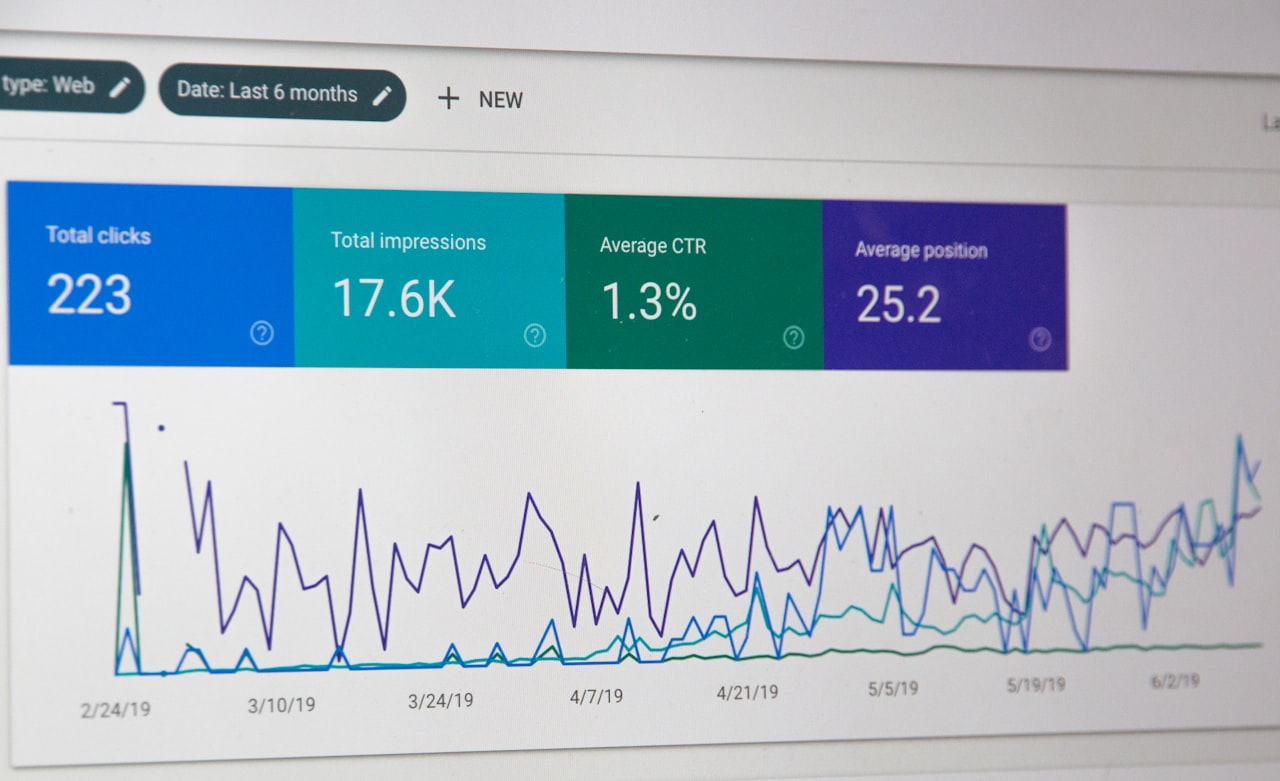
Success metrics depend on the product or service being marketed. E-commerce brands track conversion rates, average order values and customer acquisition costs. Coworking spaces measure trial visits, membership sign-ups and retention rates. SaaS products track free trial activations, paid conversions and monthly active users. Defining clear KPIs upfront enables meaningful optimisation.
Audience Insights and Segmentation
Use analytics data to understand which remote worker sub-segments engage most with your marketing. Are corporate hybrid workers or freelancers converting at higher rates? Which neighbourhoods generate the most demand? What content topics drive the most engagement? These insights inform budget allocation and creative strategy.
Channel Performance Analysis
Remote workers interact with multiple channels before making a purchase. Analyse channel contribution across the full funnel — from initial awareness (social media, content) through consideration (search, email) to conversion (direct, retargeting). Multi-touch attribution reveals which channels contribute most effectively at each stage.
Seasonal and Behavioural Patterns
Remote work patterns create specific timing opportunities. Mondays and Fridays are common work-from-home days, making them ideal for targeting lunchtime food delivery or afternoon coffee promotions. Year-end and New Year periods see spikes in home office upgrades. Return from holidays often triggers productivity tool purchases. Aligning campaign timing with these patterns improves efficiency.
A/B Testing and Iteration
Continuously test messaging angles, creative formats, audience segments and landing page designs. Test whether productivity-focused messaging outperforms lifestyle-focused messaging. Test whether LinkedIn or Facebook delivers better cost per acquisition. The remote work market is still evolving, and what worked six months ago may not be optimal today.
Customer Feedback Integration
Remote workers are vocal about their experiences — on social media, review platforms and community forums. Monitor feedback actively and integrate insights into your marketing strategy. Customer pain points revealed through reviews and forum discussions can inform new content topics, product improvements and campaign messaging.
Frequently Asked Questions
What is remote worker marketing in Singapore?
Remote worker marketing encompasses strategies designed to reach and engage Singaporeans who work from home, coworking spaces or other non-office locations. It covers products and services including home office equipment, technology, coworking memberships, food delivery, wellness and lifestyle offerings tailored to the work-from-home lifestyle.
How large is the remote worker market in Singapore?
Over half of Singapore’s white-collar workforce works remotely at least part of the time, with the majority on hybrid arrangements of two to three days per week. Adding freelancers, self-employed workers and digital nomads, the total market represents a significant portion of Singapore’s working population.
What products do remote workers buy most?
The highest-demand categories include ergonomic furniture (chairs, desks), technology peripherals (monitors, headsets, webcams), food delivery and meal subscriptions, coffee products, productivity software, coworking memberships and wellness services. Home environment products like air purifiers and noise-cancelling solutions are also popular.
Which digital channels are best for reaching remote workers?
LinkedIn is effective for professional context targeting. Facebook and Instagram reach remote workers during personal time. Google Ads captures high-intent product and service searches. Content marketing and SEO drive organic traffic from remote work-related queries. Email newsletters and podcast sponsorships provide additional touchpoints.
How do I target remote workers on social media?
Use interest-based targeting for remote work, productivity, home office and coworking content. On LinkedIn, target by industry, job function and company type. Combine with demographic and behavioural targeting. Lookalike audiences based on existing remote worker customers can expand reach effectively.
What content resonates with remote workers?
Productivity tips, home office setup inspiration, product reviews, work-life balance advice, remote work community content and practical guides (like setting up a home office in a small apartment) all drive engagement. Content should be practical, relatable and acknowledge both the benefits and challenges of remote work.
How important is the coworking market in Singapore?
The coworking market remains strong despite hybrid work reducing demand for full-time memberships. Flexible options — day passes, part-time plans and meeting room bookings — are growing. The social and community aspects of coworking attract remote workers seeking connection and professional environments outside the home.
How do I market food delivery to remote workers?
Target weekday lunchtime with convenient, healthy meal options. Offer subscription plans for regular work-from-home days. Use geo-targeting for delivery zones. Partner with coworking spaces for corporate lunch deals. Content that positions your food as the perfect work-from-home lunch — quick, nutritious and delivered to the door — resonates well.
What wellness services are popular with remote workers?
Fitness classes (particularly online or lunchtime options), massage and physiotherapy for desk-related pain, mental health support, meditation apps, eye care and ergonomic assessments are all in demand. Marketing should address specific remote work health concerns like prolonged sitting, screen fatigue and social isolation.
How is the remote work market in Singapore likely to evolve?
Remote and hybrid work will continue expanding as companies normalise flexible arrangements and the government supports work-life balance policies. The freelance economy will grow, digital nomad infrastructure will improve and the products and services supporting remote work will become more sophisticated. Brands that establish themselves now in the remote work economy will benefit from continued market growth.