
Building a Regional Marketing Hub in Singapore: Manage ASEAN From One Base
Table of Contents
- Why Singapore Is the Ideal Regional Marketing Hub
- Designing the Hub Operating Model
- Team Structure and Talent Acquisition
- Technology Platform for Regional Operations
- Managing Local Market Teams and Agencies
- Regional Content Strategy and Localisation Workflow
- Budget Allocation and Performance Governance
- Frequently Asked Questions
Why Singapore Is the Ideal Regional Marketing Hub
Building a regional marketing hub Singapore has become a strategic priority for companies expanding across Southeast Asia. Singapore offers a unique combination of advantages that make it the most practical base for managing ASEAN marketing operations from a single location.
Geographic centrality places Singapore within a four-hour flight of every major ASEAN market. This proximity enables regular in-person contact with local teams and markets, which remains essential for effective marketing management despite advances in remote collaboration. Day trips to Kuala Lumpur and short overnight trips to Bangkok, Jakarta, or Ho Chi Minh City make Singapore the most connected hub in the region.
Talent availability is a critical factor. Singapore attracts marketing professionals from across Asia, creating a multilingual talent pool with diverse market knowledge. You can build a team in Singapore that collectively speaks English, Mandarin, Malay, Bahasa Indonesia, Thai, and Vietnamese, covering the major ASEAN markets without maintaining large teams in each country.
Infrastructure quality supports demanding regional operations. High-speed internet, reliable power, world-class office spaces, and seamless connectivity to global technology platforms ensure your marketing operations run without the infrastructure challenges that can disrupt operations in some other ASEAN countries.
The regulatory and business environment in Singapore is among the most transparent and efficient globally. Setting up operations, hiring foreign talent, transferring funds across borders, and protecting intellectual property are all straightforward processes supported by clear regulations. This operational ease allows marketing leaders to focus on marketing rather than administrative complexity.
Singapore’s reputation as a business hub also confers credibility. A Singapore-based regional marketing function signals professionalism and commitment to the ASEAN market. Partners, clients, and global headquarters all view Singapore favourably as a regional centre of excellence.
Designing the Hub Operating Model
The operating model defines what the Singapore hub does centrally, what local teams handle, and how decisions flow between them. Getting this model right is the single most important factor in hub success.

The centralised strategy model concentrates all strategic functions in Singapore: brand strategy, campaign planning, budget allocation, analytics, and technology management. Local teams focus purely on execution, adapting centrally produced campaigns for their markets. This model works well for companies with strong brand consistency requirements and relatively similar markets.
The federated model gives local teams more autonomy. The Singapore hub provides brand guidelines, technology platforms, and strategic direction, but local teams develop their own campaigns, manage their own budgets within allocated limits, and make tactical decisions independently. This model works better for companies operating in diverse markets where local adaptation is more important than consistency.
Most companies end up with a hybrid model that centralises some functions and decentralises others. A practical hybrid for ASEAN might centralise SEO strategy, analytics, technology management, and brand governance in Singapore while decentralising social media management, local partnerships, and event marketing to in-market teams.
Document your operating model explicitly. Create a responsibility matrix that lists every marketing function and specifies whether it is owned by the hub, owned by local teams, or shared. Without this clarity, gaps and overlaps emerge that cause conflict and inefficiency. Review and update the matrix annually as your regional operations mature and local teams build capability.
Build in escalation paths for disagreements between the hub and local teams. These disagreements are inevitable and healthy. The hub has a broader perspective and brand consistency mandate. Local teams have deeper market knowledge. A structured process for resolving conflicts, whether through the regional marketing director, a steering committee, or predefined criteria, prevents these disagreements from becoming destructive.
Team Structure and Talent Acquisition
The right team structure balances regional oversight with market-specific expertise. Building this team is one of the highest-impact investments you will make in your regional marketing function.
The core hub team in Singapore typically includes a Regional Marketing Director who owns the overall strategy and P&L, a Regional Brand Manager who maintains brand consistency across markets, a Digital Marketing Manager who oversees cross-market digital campaigns and digital marketing services, a Content Lead who manages the regional content strategy and localisation process, an Analytics Manager who provides cross-market reporting and insights, and a Marketing Operations Manager who oversees technology, processes, and vendor relationships.
For a company operating in three to five ASEAN markets, this hub team of six to eight people can effectively coordinate regional marketing with local teams of two to four people per market. As you scale to more markets or increase marketing intensity, both the hub and local teams grow proportionally.
Hire for regional mindset, not just functional skills. Hub team members need to be comfortable working across cultures, managing through influence rather than authority, and adapting their communication style for different markets. Marketing skills can be trained, but cultural intelligence and regional experience are harder to develop quickly.
Invest in regular cross-market team building. Bring local team members to Singapore quarterly for workshops, strategy sessions, and relationship building. Send hub team members to local markets regularly. These investments in personal relationships are critical for the trust and communication that make remote regional management work.
Consider rotational programmes that move promising marketers between Singapore and local markets. This builds bench strength, deepens market understanding across the team, and creates career development opportunities that improve retention. A content marketer who spends six months in Indonesia and six months in the Singapore hub develops a perspective that pure hub-based or pure local marketers lack.
Technology Platform for Regional Operations
Technology is the nervous system of a regional marketing hub. The right platforms enable coordination, consistency, and efficiency across markets. The wrong ones create frustration and workarounds.

Start with a unified marketing automation and CRM platform that all markets use. Salesforce, HubSpot, or similar enterprise platforms with multi-market capabilities allow the hub to see cross-market data, run coordinated campaigns, and maintain consistent customer journeys. Each market should have its own instance or workspace within the shared platform, with the hub having visibility across all markets.
A digital asset management system is essential for maintaining brand consistency across a regional operation. All approved brand assets, templates, photography, and campaign materials should be stored in a central repository that local teams can access and use. This prevents local teams from creating off-brand materials and reduces duplication of creative production.
Project management tools like Asana, Monday.com, or Jira keep cross-market campaigns on track. The hub needs visibility into local team workloads and campaign status across all markets. Choose a tool that balances the hub’s need for oversight with local teams’ need for autonomy in managing their day-to-day work.
Analytics infrastructure should provide both market-specific and cross-market views. Google Analytics 4 with separate properties for each market and a roll-up property for regional views is a practical starting point. Add Google Looker Studio dashboards that present regional performance comparisons alongside market-specific deep dives. The enterprise martech stack you build should scale with your regional operations.
Communication tools matter more than most companies realise. With teams spread across multiple time zones and cultures, clear communication channels prevent misunderstandings and delays. Establish which communications happen via email, which via Slack or Teams channels, and which require video meetings. Document communication norms and respect them consistently.
Standardise your technology stack across markets from day one. Allowing each market to choose its own tools creates data silos, integration challenges, and increased costs. The hub should specify the approved technology stack, provide training, and support adoption across all markets.
Managing Local Market Teams and Agencies
Effective management of local teams requires a different approach from managing a co-located team. Distance, cultural differences, and competing priorities create challenges that must be actively managed.
Establish a regular cadence of touchpoints. Weekly video calls between the hub and each local team keep everyone aligned on priorities and surface issues early. Monthly cross-market calls share learnings and best practices between local teams. Quarterly in-person meetings in Singapore bring everyone together for strategic planning and relationship building.
Create standardised reporting templates that all markets use. This ensures the hub receives comparable data from each market and local teams know exactly what is expected. Include both quantitative metrics and qualitative market intelligence in reporting. The numbers tell you what happened. The local team’s context and interpretation tell you why and what to do next.
When working with local agencies across ASEAN, the hub should manage agency selection, contract negotiation, and performance evaluation. Local team members should manage day-to-day agency relationships and briefing. This division ensures quality control and cost management from the hub while maintaining the local responsiveness that effective agency relationships require.
Build a knowledge base that captures market-specific insights, campaign results, and best practices. When a campaign works exceptionally well in Thailand, document why and make the case study available to all markets. When a campaign fails in Indonesia, document the lessons so other markets avoid the same mistake. This institutional knowledge is one of the most valuable assets a regional hub creates.
Respect cultural differences in management style. Direct feedback that is normal in Singapore may be perceived as confrontational in some ASEAN cultures. Consensus-building expectations vary. Meeting norms differ. Hub leaders need cultural intelligence and the flexibility to adapt their management approach for different markets while maintaining consistent performance standards.
Regional Content Strategy and Localisation Workflow
Content is typically the highest-volume marketing activity that a regional hub must coordinate. A clear content strategy and efficient localisation workflow prevent bottlenecks and maintain quality across markets.
Develop a tiered content model. Tier one content is created centrally and distributed across all markets with minimal adaptation. This includes brand campaigns, thought leadership from senior executives, and product announcements. Tier two content is created centrally and localised for each market. Blog posts, social media campaigns, and email sequences fall into this category. Tier three content is created locally for market-specific needs. Local events, market-specific trends, and culturally specific campaigns are best produced by local teams.
Build an efficient localisation workflow. Content moves from creation to localisation to review to approval to publication through a defined process with clear ownership at each stage. Use project management tools to track content through this workflow and identify bottlenecks. A typical turnaround for localising a piece of content marketing from English to a local language should be three to five business days, including review.
Use professional translators who specialise in marketing content, not general translation. Marketing translation requires an understanding of persuasive writing, cultural nuances, and brand voice that general translators lack. Build relationships with translators for each language who understand your brand and can maintain consistent quality over time.
Localisation goes beyond language. Adapt examples, statistics, cultural references, and imagery for each market. A case study about a Singapore company might be replaced with a local example in the Indonesian version. A statistic about Singapore’s GDP might be replaced with the equivalent local figure. These details signal that the content is truly local, not just translated.
Create a shared editorial calendar that shows content planned and published across all markets. This enables coordination of messaging, prevents conflicting campaigns, and creates opportunities for cross-market amplification. When multiple markets publish complementary content on the same theme in the same week, the combined impact is greater than the sum of individual market efforts.
Budget Allocation and Performance Governance
Budget allocation across markets is one of the most consequential decisions a regional hub makes. It determines where you invest for growth, where you maintain, and where you accept limited returns while building foundations.
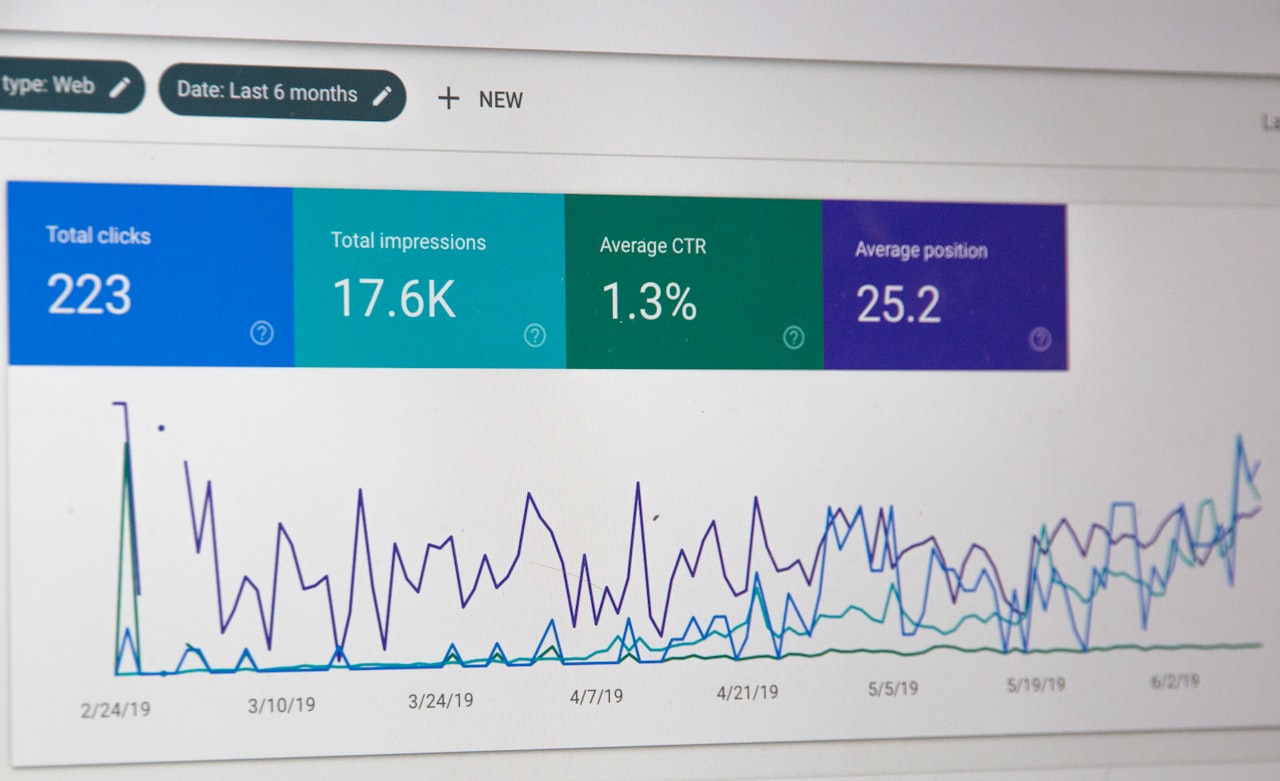
Allocate budgets based on a combination of market potential, current performance, and strategic priority. A large market like Indonesia might receive a bigger absolute budget but a smaller budget relative to its potential, reflecting the higher investment needed to build market presence from scratch. A mature market like Singapore might receive a proportionally smaller budget because established channels are already efficient.
Use a portfolio approach. Some markets are growth investments where you accept below-target returns while building presence. Some markets are performance markets where you optimise for immediate ROI. And some markets are experimental where you are testing viability with minimal budget. Classifying markets this way sets appropriate expectations and prevents premature judgement of growth-stage markets against performance-stage benchmarks.
Implement consistent KPIs across all markets while allowing for market-specific targets. Every market should report on customer acquisition cost, return on ad spend, and brand awareness. But the target for each metric should reflect local market conditions. A CPA of SGD 50 might be excellent in Singapore and excessive in Vietnam, where media costs are significantly lower.
Quarterly business reviews bring together performance data from all markets for strategic discussion. Review what worked, what did not, and how budget should be adjusted for the next quarter. Include local team leaders in these reviews so they can provide context and advocate for their markets. These reviews are also where you identify opportunities to scale successful campaigns from one market to others, an approach that feeds into scale-up marketing strategy across the region.
Establish clear governance for unplanned spending. When a market opportunity or competitive threat requires budget outside the plan, define the approval process and thresholds. Below a certain amount, the local team can decide. Above that amount, the hub approves. Above a higher threshold, global headquarters is involved. Clear governance prevents both bureaucratic delay and unauthorised spending.
Track total cost of regional marketing operations, not just media spend. Include hub team costs, technology costs, agency fees, localisation costs, and travel. This total cost view gives you the true picture of what your ASEAN marketing investment is and allows accurate ROI calculation at the regional level. Many organisations track media spend closely but lose visibility on operational costs, leading to incomplete performance assessment.
Frequently Asked Questions
How much does it cost to set up a regional marketing hub in Singapore?
Initial setup costs range from SGD 500,000 to SGD 1.5 million, covering team hiring, technology setup, office space, and the first six months of operations before processes are fully established. Ongoing annual costs for a hub managing three to five ASEAN markets typically range from SGD 1.2 million to SGD 3 million, excluding media spend.
How many people should a regional marketing hub have?
A lean hub managing three markets needs six to eight people in Singapore. A hub managing five to eight markets with higher marketing intensity needs 12 to 18 people. These numbers assume local teams of two to four people per market handling execution, with the hub focusing on strategy, coordination, and specialist functions.
What is the best operating model for an ASEAN marketing hub?
A hybrid model that centralises strategy, brand governance, analytics, and technology in Singapore while decentralising tactical execution to local teams. The exact balance depends on your industry, brand consistency requirements, and the capability of your local teams. Start more centralised and gradually increase local autonomy as teams develop.
How long does it take to establish an effective regional hub?
Expect 12 to 18 months from initial setup to fully operational status. The first six months cover team hiring, technology implementation, and process design. Months six to twelve focus on establishing routines, building local team capabilities, and optimising workflows. By month 18, the hub should be operating efficiently with measurable impact on regional marketing performance.
Should the hub manage all marketing channels or only specific ones?
The hub should manage channels that benefit from regional coordination, including brand campaigns, SEO strategy, analytics, and technology. Channels that require heavy local execution, such as social media community management, local events, and market-specific partnerships, should be managed by local teams with hub oversight.
How do I justify the cost of a regional hub to headquarters?
Quantify the benefits: cost savings from consolidated technology and agency contracts, which typically save 15 to 25 percent; revenue growth from coordinated cross-market campaigns; speed-to-market improvements from shared resources and processes; and risk reduction from consistent brand governance and compliance management.
What are the common reasons regional marketing hubs fail?
The top reasons are over-centralisation that alienates local teams, under-investment in hub team quality, lack of clear governance that creates confusion about decision rights, technology fragmentation across markets, and insufficient travel budget to maintain in-person relationships with local teams. Addressing these risks during setup prevents the most common failure modes.
Can a small company build a regional marketing hub in Singapore?
Smaller companies can build a lightweight hub with two to three people who combine hub functions with Singapore market execution. This lean model works when complemented by strong local agency partnerships in each market. The hub provides strategic direction and quality control while agencies handle execution. Scale the hub team as regional revenue justifies the investment.