
Quora Marketing: How to Build Authority and Drive Traffic Through Q&A
Table of Contents
Why Quora Matters for Marketing
Quora marketing is the practice of using the Q&A platform Quora to build thought leadership, drive website traffic, and generate leads by providing expert answers to questions your target audience is asking. With over 400 million monthly active users, Quora is one of the largest question-and-answer platforms globally. What makes it particularly valuable for marketers is that Quora answers frequently rank on the first page of Google for informational queries, giving your content reach far beyond Quora’s own user base.
The platform’s users are actively seeking information and solutions, which means they arrive with intent. When someone asks “What is the best digital marketing strategy for a small business in Singapore?” and you provide a comprehensive, helpful answer, that person has self-identified as your potential customer. Unlike social media where you interrupt people’s entertainment, quora marketing lets you meet people at the exact moment they are looking for expertise in your domain.
For B2B businesses and professional service providers in Singapore, Quora is especially valuable. Decision-makers researching solutions, comparing options, and evaluating strategies frequently turn to Quora for peer insights and expert opinions. A well-maintained Quora presence builds the kind of credibility and visibility that supports your broader digital marketing efforts and positions your brand as a trusted authority in your field.
Setting Up Your Quora Presence
Your Quora profile is your credibility foundation. Complete it thoroughly: use a professional headshot, write a compelling bio that establishes your expertise and credentials, and include your professional title and company affiliation. Your bio appears alongside every answer you write, so it functions as a persistent advertisement for your professional authority. Include relevant credentials, years of experience, and notable achievements that signal expertise to readers.

Quora allows topic-specific credentials — short descriptions that appear when you answer questions in particular topics. Set up credentials for each topic area where you plan to be active. For a digital marketing professional, you might have separate credentials for “SEO,” “Google Ads,” “Content Marketing,” and “Social Media Marketing.” These topic-specific credentials increase trust and click-through rates on your answers.
If your business has a Quora-eligible use case, create a Quora Business Profile (formerly Quora for Business). This lets you publish answers under your company name, access Quora’s advertising platform, and track engagement metrics for your business content. However, personal profiles often outperform business profiles for organic answers because people trust individual experts more than company accounts. The most effective approach uses personal profiles for organic answer writing and the business profile for advertising and brand-level content.
Content Strategy for Quora
An effective Quora content strategy starts with finding the right questions to answer. Focus on questions that meet three criteria: they are relevant to your expertise, they have an active audience (indicated by follower count and recent activity), and they lack a comprehensive, high-quality answer. Questions with many followers but only brief or outdated answers represent the best opportunities — your thorough answer will stand out and attract upvotes.
Use Quora’s search function and topic pages to discover relevant questions. Follow topics related to your expertise and monitor them for new questions. Look for questions that align with your target keywords and content themes. Quora’s “Answer Request” feature sends you notifications when users ask questions in your areas of expertise, making it easier to find opportunities consistently.
Plan your Quora activity as part of your content marketing calendar. Aim to publish three to five substantive answers per week. Consistency matters more than volume — regular activity builds your profile’s authority and keeps you visible in your topic areas. Batch your Quora writing into dedicated time blocks rather than answering sporadically. Prioritise quality over quantity: a single comprehensive answer that earns hundreds of upvotes is worth more than ten brief answers that get ignored.
Writing Answers That Perform
High-performing Quora answers share several characteristics. They are comprehensive, addressing the question thoroughly rather than superficially. They demonstrate expertise through specific examples, data, and personal experience. They are well-formatted with clear structure, short paragraphs, bullet points, and bold text for key points. The first two lines are particularly important because they appear in the collapsed preview — hook the reader immediately with a strong opening statement.

Structure your answers using this framework: start with a direct answer to the question (do not bury the lead), provide supporting detail with examples and evidence, share personal experience or professional insight that adds unique value, and end with a brief conclusion or actionable takeaway. Include links to your website or blog naturally and sparingly — one or two links per answer maximum, and only when the linked content genuinely adds value for the reader.
Avoid overtly promotional answers. Quora’s community aggressively downvotes and reports answers that read like advertisements. Your expertise should sell itself through the quality of your information, not through sales pitches. The most effective Quora marketing is indirect: you demonstrate expertise, readers recognise your authority, they click through to your profile or website, and some percentage convert to leads or customers. This approach requires patience but builds sustainable, compounding results.
Quora Ads Platform
Quora Ads offers a self-serve advertising platform with targeting capabilities that are particularly suited to B2B and consideration-phase marketing. Campaign objectives include traffic, conversions, awareness, lead generation, and app installs. Ad formats include text ads (appearing alongside Quora answers), image ads, and promoted answers (boosting your existing Quora answers as paid placements).
Quora’s targeting options are unique. Topic targeting places your ads alongside content about specific topics. Question targeting lets you place ads on specific high-value questions. Interest targeting reaches users based on the topics they follow and engage with. Keyword targeting shows ads to users who have searched for specific terms on Quora. Audience targeting includes website retargeting, lookalike audiences, and email list matching.
Quora Ads CPCs are generally lower than Google Ads and LinkedIn Ads for comparable B2B audiences, making it a cost-effective complement to your main paid channels. Average CPCs range from US$0.50-2.00 for most B2B targeting options. The audience quality is high because Quora users tend to be educated, professional, and in research mode. Start with a test budget of S$1,000-2,000 per month, targeting topics and questions most relevant to your product or service. Measure performance against your other paid channels and scale if Quora delivers competitive cost per lead or conversion rates.
Quora for SEO and Brand Visibility
Quora has significant domain authority, and its answers frequently rank on the first page of Google for informational and question-based queries. When your answer ranks on Google, it generates ongoing traffic to Quora where readers see your profile, credentials, and any links within your answer. This creates a secondary SEO benefit alongside your own website’s organic presence.
Strategically write answers for questions that align with keywords you also target through your SEO strategy. If your blog targets “how to improve website conversion rate,” writing a comprehensive Quora answer to the same question creates an additional search result that you control. Even if the Quora answer outranks your blog post for some queries, your brand still benefits because readers see your expertise and credentials.
Quora Spaces (topic-specific communities you can create and manage) offer an additional brand visibility mechanism. Create a Space related to your professional domain and curate content within it. Spaces can develop their own following, providing a platform-within-a-platform where your brand has editorial control. Use Spaces to repurpose your best blog content, curate industry insights, and build a community of interested followers who may eventually become leads or customers.
Measuring Quora Marketing Results
Quora provides analytics for your organic content showing views, upvotes, and shares for each answer. Track these metrics weekly to identify which topics, question types, and answer formats generate the most engagement. Over time, patterns emerge that guide your content strategy — certain topics may consistently outperform others, or particular answer structures may generate higher engagement.
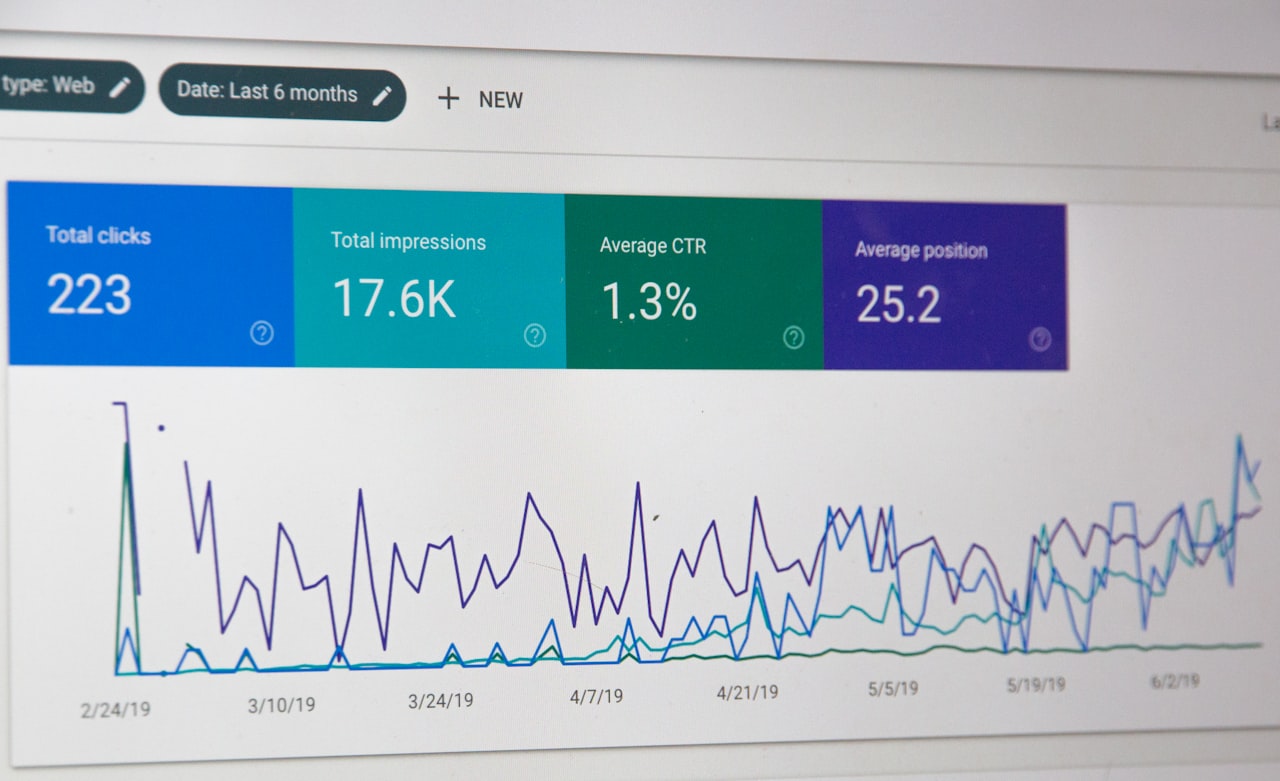
For website traffic measurement, use UTM parameters on all links within your Quora answers. Tag links with source (quora), medium (organic or paid), and campaign (answer-topic or specific question). This lets you track Quora-referred traffic accurately in Google Analytics, including pages per session, time on site, and conversion rate for Quora visitors versus other traffic sources.
Calculate the value of your Quora marketing investment by tracking time spent (writing and research hours), traffic generated, leads attributed, and any direct business won from Quora-originated contacts. For Quora Ads, track standard paid media metrics alongside cost per lead and lead quality compared to other paid channels. The total picture should include both direct attribution (measurable clicks and conversions) and indirect benefits (brand awareness, thought leadership, SEO support) that are harder to quantify but genuinely valuable for building long-term authority in your market.
Frequently Asked Questions
How long does it take for Quora marketing to generate results?
Organic Quora marketing typically takes two to three months of consistent activity to generate meaningful traffic. High-quality answers can accumulate views for years as they rank in Quora and Google search results. Quora Ads generate immediate results similar to other paid channels. The compounding nature of organic Quora content means early investment pays dividends over a long period.
Is Quora marketing relevant for Singapore businesses?
Yes. Quora has a significant user base in Singapore, and many Singapore-specific questions receive active engagement. Additionally, Quora’s global reach means your answers can attract international audiences. For B2B businesses and professional services in Singapore, Quora provides access to decision-makers researching solutions in your domain.
How many answers should I write per week?
Three to five quality answers per week is a sustainable pace that builds momentum without consuming excessive time. Each answer should take 15-30 minutes to write well. Quality always trumps quantity — a single outstanding answer generates more value than ten mediocre ones. Adjust frequency based on the results you observe and the time you can dedicate consistently.
Can I link to my website in Quora answers?
Yes, but do so sparingly and naturally. Include one or two links per answer, only when the linked content adds genuine value to the reader. Answers that exist solely to drive traffic to your website will be flagged as spam. The link should feel like a helpful resource, not a sales funnel. Over time, profile clicks generate more traffic than in-answer links as your authority grows.
What topics generate the most traffic on Quora?
Technology, business, marketing, health, personal finance, career advice, and education topics consistently generate high traffic on Quora. Within these categories, questions with broad appeal, strong search intent, and evergreen relevance perform best. Niche topics generate less traffic per answer but often attract more qualified readers who are closer to purchasing decisions.
How does Quora Ads compare to LinkedIn Ads for B2B marketing?
Quora Ads typically offer lower CPCs (US$0.50-2.00 versus US$5-15 for LinkedIn) but less precise firmographic targeting. LinkedIn excels at targeting by job title, company size, and industry. Quora excels at reaching people in research mode based on the topics and questions they engage with. For most B2B marketers, Quora Ads work best as a complement to LinkedIn rather than a replacement.
Should I use my personal profile or company profile on Quora?
Use your personal profile for organic answer writing — personal profiles consistently generate higher engagement and trust than company profiles. Use the company profile for Quora Ads and brand-level content like Quora Spaces. Many businesses benefit from having multiple team members active on Quora with personal profiles, each covering different topic areas and collectively building the company’s authority.
How do I handle negative or challenging questions about my industry?
Address them directly and honestly. Questions like “Is [your industry] worth the investment?” or “Why do [service providers] charge so much?” are opportunities to demonstrate transparency and expertise. Acknowledge valid criticisms, provide balanced perspectives, and share genuine advice. Answers that dodge difficult questions or become defensive lose credibility. Honest, nuanced responses to tough questions often become the highest-performing answers on your profile.
Can Quora content be repurposed for other channels?
Absolutely. Well-written Quora answers can be expanded into blog posts, adapted for LinkedIn articles, used as the basis for social media content, or compiled into comprehensive guides. The Q&A format translates well to FAQ sections on your website. Repurposing Quora content across channels maximises the return on your writing investment and ensures consistent messaging across your marketing presence.
What metrics indicate successful Quora marketing?
Track answer views (cumulative and per-answer average), upvotes (indicating content quality), profile views (indicating authority growth), click-throughs to your website (using UTM tracking), and leads or enquiries attributed to Quora traffic. For Quora Ads, track cost per click, cost per lead, and lead quality compared to other paid channels. A healthy Quora marketing programme shows steady growth in views and profile visits over time.