Client details anonymised under NDA. Industry, scope and outcomes are presented as engaged.
Overview
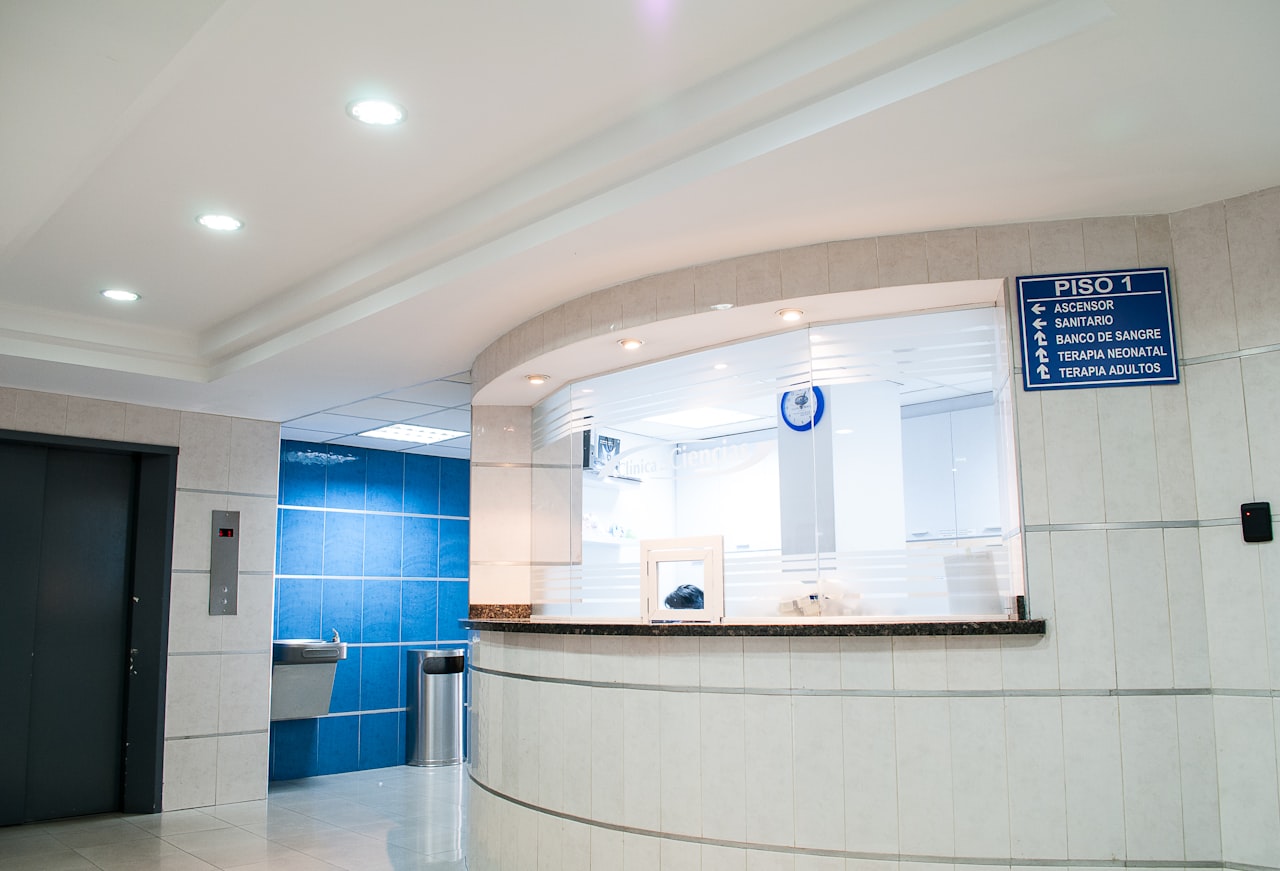
A four-location specialist clinic group was losing the search battle at the map level: strong clinical reputation, referral-heavy patient base, but near-invisible in the local pack where “specialist near me” decisions actually happen. We rebuilt their local search presence location by location — Google Business Profiles, location pages, reviews, and citations — within healthcare advertising compliance.
Project Snapshot
- Sector: Healthcare — specialist clinic group, 4 locations
- Engagement: Multi-location local SEO within healthcare compliance
- Timeline: Map-pack presence across all branches in 6 months
- Map-pack presence for all four branches on their priority “specialty + area” queries within 6 months — including #1 positions in two neighbourhoods
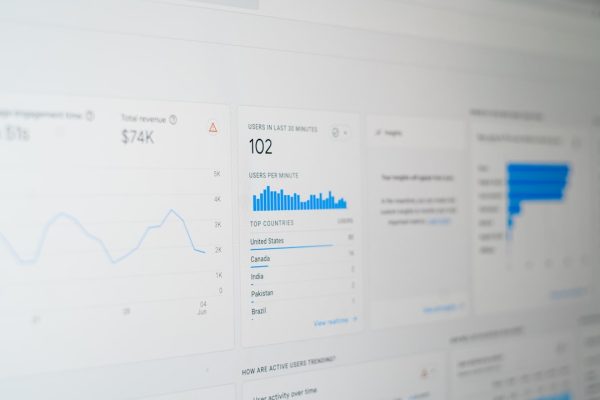
- Profile actions (calls, directions, bookings) up over 3x across locations year on year
The Challenge
Each branch had a Google Business Profile in some state of neglect: inconsistent naming, wrong categories, stray duplicate listings from old premises, and a review presence that badly trailed less-established competitors. The website compounded it — one generic “Our Locations” page for four branches, giving Google nothing to rank for any of the four neighbourhoods. Healthcare rules constrained the obvious fixes: review solicitation and service descriptions both needed compliant handling.
Our Approach
- Listing infrastructure — cleaned and verified all four profiles, killed the duplicates, standardised categories and attributes, and populated services, photos and Q&A properly for each branch.
- Location pages — one substantive page per branch covering the specialists, services, directions, parking and insurers — the content that ranks for neighbourhood queries and answers what patients actually check before booking.
- Compliant review growth — post-visit invitation flow within healthcare guidelines, with response frameworks for the sensitive review situations clinics face.
- Citations and consistency — NAP-consistent listings across the medical directories and local platforms that feed Google’s confidence in each location.
The Results
- Map-pack presence for all four branches on their priority “specialty + area” queries within 6 months — including #1 positions in two neighbourhoods
- Profile actions (calls, directions, bookings) up over 3x across locations year on year
- Review volume and average rating now lead the local competitive set at every branch
- New-patient bookings attributable to search became a tracked, growing acquisition line alongside referrals
Why This Worked
Specialist referrals fill some of a clinic group’s appointment book; the map pack fills the rest — and the group was invisible there while less-established competitors collected the “specialist near me” demand. The engagement worked by treating each of the four locations as its own local-search entity with its own competitive set, rather than one brand with four addresses.
The infrastructure pass came first because nothing ranks on broken listings: profiles cleaned and verified, duplicate listings from old premises killed (they leak reviews and confuse proximity signals), categories and attributes standardised, services and Q&A populated per branch. The website then gave Google something to rank: one substantive page per location — specialists, services, directions, parking, insurers — replacing the single “Our Locations” page that had given four neighbourhoods nothing to match against.
Review growth ran inside healthcare compliance — invitation flows that solicit honestly without incentives, response frameworks for the sensitive situations clinics face — and citations built the consistency layer that lets Google trust each location’s identity. Profile actions (calls, directions, bookings) tripling year on year is the map pack doing what referrals can’t: capturing patients who didn’t know the group existed.
Key Takeaways
- Multi-location local SEO is N separate battles — each branch has its own competitors, queries and profile hygiene.
- Duplicate listings are silent killers: they split reviews and scramble ranking signals.
- Location pages must be substantive to rank — a name and map pin is not a page.
- Compliant review growth is achievable in healthcare; silence is a choice, not a requirement.
- Profile actions (calls, directions, bookings) are the local-SEO metrics that map to revenue.
Frequently Asked Questions
What belongs on a clinic location page?
The resident specialists and their credentials, services offered at that branch, directions and parking, accepted insurers and panels, opening hours and booking paths — the practical questions patients check before choosing, which are also the content signals neighbourhood queries match against.
How do clinics grow reviews within healthcare rules?
Post-visit invitations that ask honestly for feedback without incentives or filtering, sent at the moment satisfaction is highest — compliant in approach and far more effective than the silence most clinics default to.
Why did two branches reach #1 and others not?
Local competition differs by neighbourhood: branch rankings reflect each area’s competitive density and the branch’s review base. All four reached the map pack for priority queries; the two in less-contested neighbourhoods took the top spot.
What is NAP consistency and why does it matter?
Name, address, phone — identical across every directory and platform. Inconsistencies read as identity uncertainty to Google and dilute local rankings; the citation cleanup is tedious, invisible and disproportionately effective.
What duplicate-listing problems existed?
Stray profiles from old premises and inconsistent branch naming — splitting reviews across listings and confusing Google’s identity signals. Consolidation moved review equity onto the verified profiles before any ranking work began.
How does the map pack differ from organic rankings?
The map pack ranks on proximity, relevance and prominence — profile quality, reviews and citations — and appears above organic results for local-intent searches. For ‘specialist near me’ queries, map-pack presence is the visibility that matters.
What Q&A content went on the profiles?
The questions patients actually ask before booking: insurer and panel acceptance, referral requirements, parking, first-visit expectations — pre-answered on the profile so the booking decision completes without a phone call.
How do new branch openings plug into the system?
As a repeatable playbook now: profile creation and verification before opening day, the location page live at announcement, citation building through launch month, and review invitations from the first week’s patients. The fourth branch’s map-pack entry took under half the time of the first, because the infrastructure and process already existed.