Overview
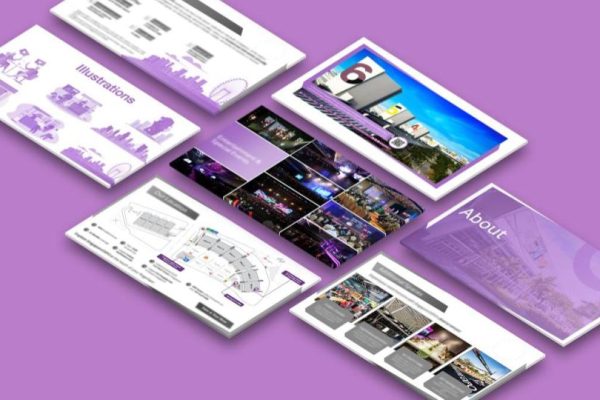
McWel is a Singapore industrial manufacturer, established 2006, producing generators, welders, water pumps and compressors that power villages, construction sites, factories and commercial buildings across ASEAN. The engineering was solid; the collateral wasn’t. Commissioned via JPN Industrial, we wrote McWel’s 20-page master product catalogue — the piece their teams put in front of engineers, project managers and procurement decision-makers.
Project Snapshot
- Sector: Industrial manufacturing, ASEAN
- Engagement: 20-page master product catalogue copywriting
- Timeline: Three review rounds to print-ready delivery
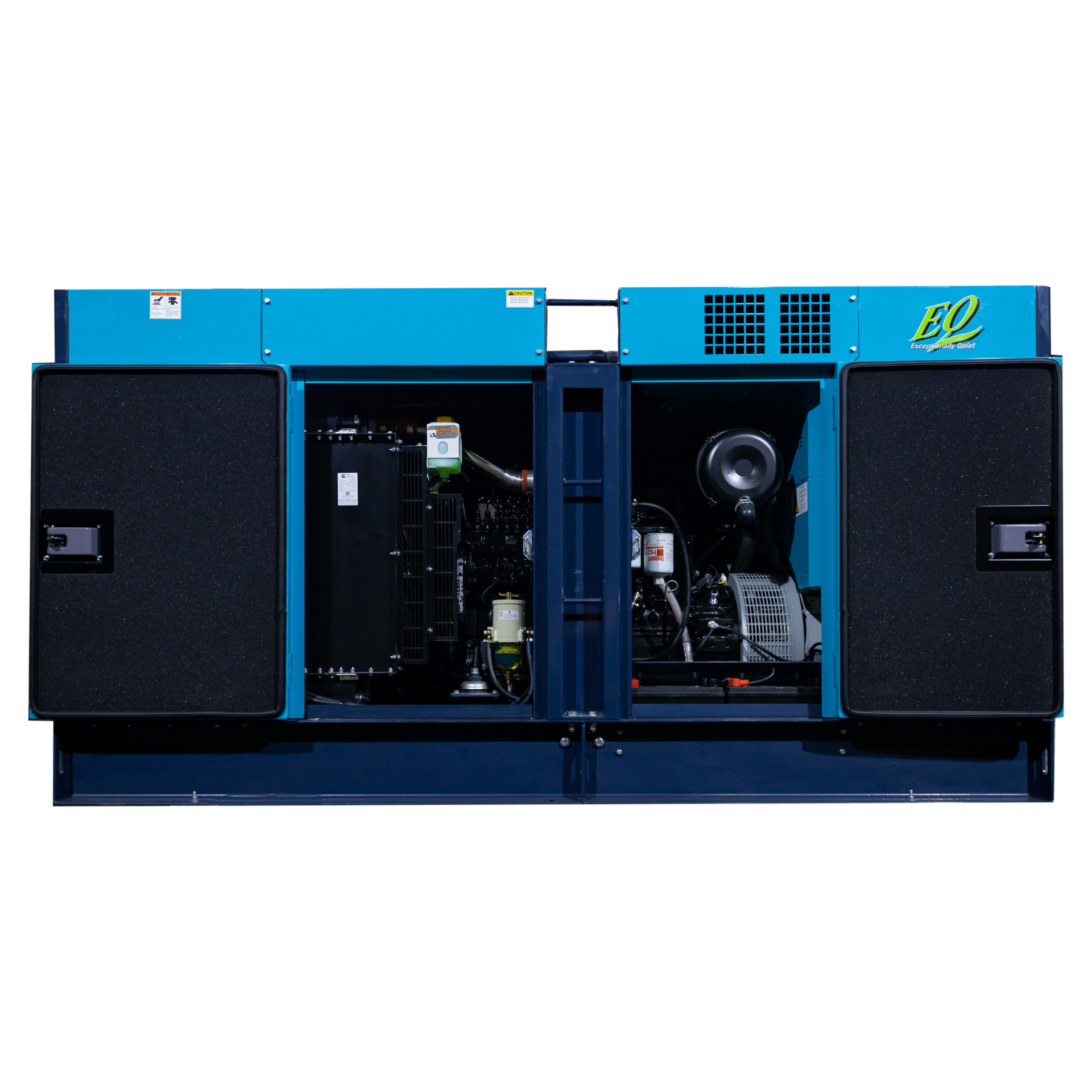
- A 20-page master catalogue in active use across McWel’s ASEAN sales conversations — covering the MGC156S generator, M630 welder, VT8 Lightning Tower and the broader range with consistent treatment
- Differentiated features — accessible maintenance frames, low-noise compliant engines, dual voltage, ATS and parallel operation options — surfaced as buying triggers rather than buried specs
The Challenge
Industrial B2B copy fails in two predictable ways: too generic — “innovative”, “reliable”, “cutting-edge”, words that mean nothing to a specifier comparing technical sheets — or too dry, burying the actual buying triggers under undifferentiated detail. The catalogue had to read as credible to engineers while still serving the non-technical decision-makers who see it at executive sign-off, and it had to make the after-sales offering visible enough for total-cost-of-ownership comparisons.
Our Approach
A three-party collaboration with clean lanes: our copy, VoidFocal Photography on industrial photography, Conquest Creatives on layout and visual system.
- Discovery by product category — the buying journey and triggers per audience type, and the after-sales differentiation procurement teams actually weigh.
- A consistent template per product family — positioning paragraph, technical specifications as readable structured copy (not dumped tables), optional enhancements, after-sales coverage and use-case context, with clean cross-references between related product lines.
- Photography direction in step with copy — hero shots, operational context, and detail captures of the maintenance access points engineers care about; the photography doing work the copy shouldn’t say explicitly.
- Three review rounds with McWel before final print-ready and digital delivery.
The Results
- A 20-page master catalogue in active use across McWel’s ASEAN sales conversations — covering the MGC156S generator, M630 welder, VT8 Lightning Tower and the broader range with consistent treatment
- Differentiated features — accessible maintenance frames, low-noise compliant engines, dual voltage, ATS and parallel operation options — surfaced as buying triggers rather than buried specs
- We don’t claim post-distribution sales attribution — that was outside scope. What changed observably: the catalogue replaced a piece the team was visibly less confident putting in front of customers, and is now part of standard sales practice
Why This Worked
Industrial copy fails at two poles: generic superlatives that mean nothing to a specifier comparing technical sheets, or translated-spec-sheet dryness that buries the buying triggers. The McWel catalogue worked by writing to the narrow band between them — language engineers recognise as credible, structured so non-technical decision-makers at executive sign-off can still follow the argument.
Discovery focused on what actually moves industrial procurement: the buying journey per product category, the triggers per audience type, and — critically — the after-sales differentiation (parts, repair contracts, extended warranties, rentals, training, load testing) that procurement teams weigh in total-cost-of-ownership comparisons but which most catalogues bury. Surfacing the after-sales offering as a first-class section gave the sales team a written answer to the comparison that actually decides vendor selection.
The three-party structure — our copy, VoidFocal’s industrial photography, Conquest Creatives’ layout — held because roles stayed clean. The photography did work copy shouldn’t attempt (making build quality feel substantial without saying so), including detail captures of the maintenance access points engineers physically check. Specifications ran as readable structured copy rather than dumped tables, and consistent templates across generators, welders, pumps and compressors made the range navigable rather than exhausting.
Key Takeaways
- Industrial copy has one job: credibility with specifiers, clarity for sign-off — both at once.
- After-sales offering is the hidden decider in equipment procurement; surface it, don’t bury it.
- Photography should carry the claims copy can’t credibly make — substance, build, access.
- Consistent per-category templates make a 20-page range readable instead of overwhelming.
- Honest attribution builds trust: we claim the catalogue’s adoption, not sales numbers we didn’t measure.
Frequently Asked Questions
What machinery did the catalogue cover?
The four main product families — generators, welders, water pumps and compressors — including the MGC156S generator, M630 welder and VT8 Lightning Tower in standard and extended configurations, with consistent structural treatment across the broader range.
How do you write specifications without dumping tables?
By ordering them as an argument: the positioning paragraph frames what the machine is for, specifications follow in scannable structure, optional enhancements and after-sales coverage close the buying case. The table data survives; the reader’s attention does too.
Who is the audience for an industrial master catalogue?
Engineers and project managers evaluating fit, procurement leads comparing total cost of ownership, and executives signing off — across ASEAN markets. Each reads differently, which is why structure and layering matter more than in consumer collateral.
Why produce print and digital versions?
Industrial buying still happens at trade counters, site visits and exhibitions where a physical catalogue works, while the digital version travels through procurement email chains — the same asset, both distribution realities.
What differentiated features did the copy surface?
Accessible maintenance frames, low-noise compliant engines, dual voltage systems, and optional automatic transfer switches and parallel operation — presented as buying triggers for specifiers rather than buried spec-sheet lines.
Why does after-sales visibility matter in the catalogue?
Because procurement compares total cost of ownership: parts, repair, maintenance contracts, warranties, rentals, training and load testing weigh into vendor selection, and a catalogue that surfaces them answers the deciding comparison in writing.
Who were the collaboration partners?
VoidFocal Photography on industrial photography and Conquest Creatives on layout and visual system, with the catalogue commissioned via JPN Industrial — three disciplines with clean lanes and a jointly agreed structure.
Does a catalogue still matter in an online-first buying process?
In ASEAN industrial procurement, emphatically — specification meetings, trade counters and site visits still run on documents that work offline, while the same PDF travels through email approval chains. The catalogue is the format that survives every step of a multi-stakeholder industrial purchase, which is why it was worth writing properly.