Product Launch Plan: Step-by-Step Guide for Singapore Brands
Why You Need a Structured Product Launch Plan
A product launch plan is the difference between a product that enters the market with momentum and one that fizzles out before anyone notices. In Singapore’s compact but fiercely competitive market, where consumers have access to global brands and local challengers alike, launching without a plan is essentially gambling with your investment.
The statistics are sobering. Research from Harvard Business School suggests that roughly 75 percent of new products fail to generate more than USD 7.5 million in first-year revenue. In Singapore, where the addressable market is smaller, the margin for error is even thinner. A structured product launch plan forces you to identify your target audience, validate your positioning, coordinate your marketing channels and build measurable checkpoints into every stage of the process.
What separates successful launches from forgettable ones is rarely the product itself. It is the orchestration — the way messaging, timing, channel selection and audience engagement come together in a deliberate sequence. A well-crafted launch plan gives you that orchestration.
This guide walks you through every phase of a product launch, from the earliest strategic decisions twelve weeks out to the optimisation work that happens months after launch day. It is written specifically for Singapore businesses navigating local media, consumer behaviour and competitive dynamics.
The Four Phases of a Product Launch
Every successful product launch follows a rhythm. Trying to compress everything into a frantic week of activity produces shallow results. Instead, think of your launch as four distinct phases, each with its own objectives, activities and success metrics.
Phase Overview
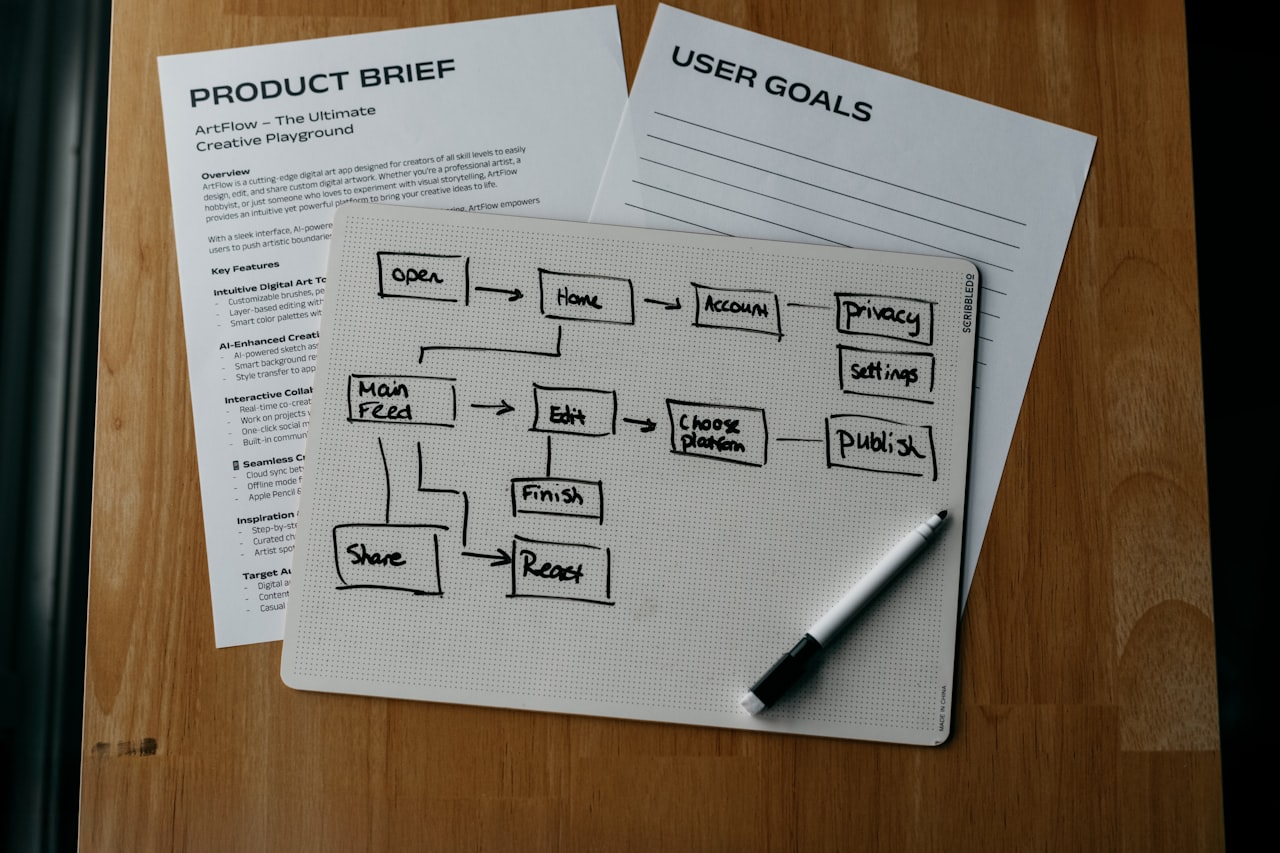
The pre-launch phase (12 to 8 weeks before launch) focuses on research, positioning and internal alignment. The build-up phase (8 to 2 weeks out) is where you create anticipation and begin public-facing activity. Launch day and launch week are your moment of maximum visibility. The post-launch phase (weeks 2 through 12) is where you convert initial interest into sustained growth.
Why Timing Matters in Singapore
Singapore’s calendar is packed with shopping events, public holidays and cultural festivals that can either amplify or overshadow your launch. Launching a consumer product the same week as the Great Singapore Sale means competing with aggressive retail discounting. Launching a B2B SaaS tool during Chinese New Year means decision-makers are on leave. Map your timeline against the local calendar before committing to a date.
Similarly, consider Singapore’s media cycle. Budget announcements, National Day and major political events dominate news coverage. If earned media is part of your plan, avoid these periods unless your product directly relates to the news cycle.
Phase 1: Pre-Launch (12–8 Weeks Out)
The pre-launch phase is where most of the strategic heavy lifting happens. Skip this phase and you will spend the rest of your launch reacting instead of executing.
Market Research and Competitive Analysis
Start by mapping the competitive landscape in Singapore. Identify direct competitors (products that solve the same problem) and indirect competitors (alternative solutions your audience currently uses). For each competitor, document their pricing, positioning, distribution channels and customer sentiment. Tools like SimilarWeb, SEMrush and even manual Google searches for Singapore-specific terms will reveal how competitors are reaching your target audience.
Conduct customer research through surveys, interviews or focus groups. In Singapore, platforms like Milieu Insight and local Facebook community groups offer access to consumer panels. The goal is to validate that your product solves a real problem and to understand the language your audience uses to describe that problem.
Positioning and Messaging
Your positioning statement should answer three questions: who is this for, what problem does it solve, and why is it better than alternatives. In Singapore’s multicultural market, consider whether your messaging needs to resonate across English, Mandarin, Malay and Tamil-speaking audiences, or whether you are targeting a specific demographic.
Develop a messaging hierarchy: a primary value proposition, three to five supporting messages and proof points for each. Every piece of marketing content you create during the build-up and launch phases should trace back to this hierarchy. Working with a branding specialist at this stage ensures your positioning is distinctive and defensible.
Setting Launch Goals and KPIs
Define what success looks like before you start spending money. Common launch KPIs include first-week revenue, sign-ups or downloads, media mentions, email list growth, website traffic and social media engagement. Be specific: “500 sign-ups in the first 14 days” is actionable; “lots of awareness” is not.
Set targets at three levels: minimum viable (the launch is not a failure), target (the launch is a success) and stretch (the launch exceeds expectations). This gives your team a shared definition of success and helps with post-launch evaluation.
Phase 2: Build-Up (8–2 Weeks Out)
The build-up phase is where your launch becomes visible to the outside world. The objective is to create anticipation, grow your audience and ensure everything is ready for launch day.
Building Your Launch Audience
If you are launching to an existing customer base, segment your audience by likelihood to adopt the new product. Your most engaged customers — those who open every email, follow you on social media and have purchased recently — should be your first targets. Offer them early access, beta invitations or exclusive previews.
If you are launching a new brand or entering a new market, audience building starts from scratch. In Singapore, the most cost-effective channels for list building are Facebook and Instagram lead ads (targeting can be very precise in a small market), LinkedIn for B2B products, and content marketing through SEO-optimised blog posts that attract organic traffic from people searching for solutions to the problem your product solves.
Content Creation and Asset Production
Six to eight weeks before launch, begin producing the content assets you will need. This typically includes a landing page, email sequences (announcement, reminder, launch day, follow-up), social media posts for at least two weeks of activity, press materials (media release, product images, founder quotes) and sales collateral if you have a direct sales team.
For Singapore audiences, video content performs exceptionally well. Short-form product demos for TikTok and Instagram Reels, longer explainer videos for YouTube and product walkthrough videos for your website should all be in the production pipeline. A strong content marketing strategy ensures these assets work together rather than existing in isolation.
Influencer and Partner Outreach
In Singapore, micro-influencers with 5,000 to 50,000 followers often deliver better engagement rates than macro-influencers. Start outreach six weeks before launch. Send product samples, offer exclusive discount codes for their audiences and negotiate content deliverables. Budget SGD 500 to SGD 3,000 per micro-influencer depending on their platform and engagement metrics.
Partnership opportunities are also worth exploring. Can you co-launch with a complementary brand? Can a retail partner give you shelf space or an online feature? In Singapore’s tight business community, warm introductions through industry associations like SME Centre or the Singapore Business Federation can open doors.
Technical and Operational Readiness
Ensure your website can handle launch traffic. Load-test your checkout process, verify that tracking pixels and analytics are firing correctly, and confirm that your payment gateway handles SGD transactions smoothly. If you are running Google Ads or social ads on launch day, set up campaigns in advance so they only need to be switched on.
Phase 3: Launch Day and Launch Week
Launch day is execution, not strategy. If you have done the pre-launch and build-up work properly, launch day should be a matter of activating prepared assets and monitoring performance.
Launch Day Morning
Start the day with a team check-in. Confirm that all assets are live: landing page, email campaigns triggered, social posts scheduled, ads activated, PR distribution completed. Assign one person to monitor each critical channel — website analytics, social media mentions, customer support inquiries and ad performance.
In Singapore, posting times matter. For B2C products, the morning commute window (7:30 to 9:00 AM) and the lunch break (12:00 to 1:30 PM) are high-engagement periods. For B2B, mid-morning (10:00 to 11:30 AM) tends to perform best on LinkedIn.
Real-Time Monitoring and Response
Monitor social media mentions and respond to every comment, question and share within 30 minutes. Speed of response on launch day signals credibility and builds community. Use tools like Hootsuite or Sprout Social to track mentions across platforms.
Watch your analytics dashboard for anomalies. If traffic is spiking but conversions are flat, there may be a UX issue on your landing page. If ad costs are unusually high, your targeting may need adjustment. Be prepared to make real-time decisions, but resist the urge to make sweeping changes based on the first few hours of data.
Launch Week Sustain Activities
Launch day generates a spike; launch week sustains it. Plan content drops throughout the week — customer testimonials on day two, a behind-the-scenes story on day three, a limited-time offer on day four. Each piece of content gives your audience a new reason to engage and share.
If you have media coverage, amplify it through your own channels. Share press mentions on social media, include them in email follow-ups and add “As featured in” logos to your landing page. In Singapore, coverage in The Straits Times, CNA, Tech in Asia or e27 carries significant credibility.
Phase 4: Post-Launch (Weeks 2–12)
The post-launch phase is where many Singapore brands drop the ball. The initial excitement fades, the team moves on to other priorities and the product loses momentum. A structured post-launch plan prevents this.
Analysing Launch Performance
Two weeks after launch, conduct a thorough performance review against your KPIs. Which channels drove the most conversions? Which messages resonated? Where did you lose people in the funnel? This analysis informs your ongoing marketing strategy and your next launch.
Customer Feedback Collection
Actively solicit feedback from early customers. Send post-purchase surveys, monitor reviews on Google and social platforms, and conduct follow-up interviews with a sample of buyers. In Singapore, consumers are generally willing to share feedback if asked directly — the response rates for well-timed email surveys typically exceed 15 percent.
Scaling What Works
Double down on the channels and messages that performed during launch. If Google Ads delivered the best cost per acquisition, increase budget there. If a particular blog post drove significant organic traffic, create related content to capture adjacent search queries. The post-launch phase is about efficiency — doing more of what works and cutting what does not.
Choosing the Right Marketing Channels in Singapore
Not every channel is right for every product. Your choice depends on your audience, budget and product category.
Digital Channels
Search engine marketing (Google Ads) is effective for products that solve a problem people are actively searching for. Social media marketing works well for products with visual appeal or emotional resonance. Email marketing excels when you have an existing relationship with your audience. SEO is a long-term play that compounds over time but rarely drives launch-day results.
Offline Channels
In Singapore, offline channels still matter. Pop-up events at malls like ION Orchard, Jewel Changi Airport or VivoCity can generate buzz and provide a tactile product experience. Partnerships with local retailers offer distribution reach. Industry events and trade shows provide access to B2B audiences.
Earned Media
Singapore has a concentrated media landscape. A handful of publications — The Straits Times, Business Times, CNA, Mothership, Vulcan Post, Tech in Asia — reach a disproportionate share of the population. Building relationships with journalists and editors at these outlets before your launch is essential. Pitch a story, not a product. Journalists cover trends, data and human interest — your product should be the vehicle for one of these narratives.
Team Roles and Responsibilities
A successful launch requires clear ownership. Even in small teams, defining who is responsible for what prevents gaps and duplication.
Essential Roles
The launch lead owns the overall timeline and coordinates across functions. The marketing lead manages campaigns, content and channel performance. The product lead ensures the product is ready and handles technical issues. The customer support lead manages enquiries and feedback. The analytics lead tracks performance and produces reports.
In a startup or SME, one person may wear multiple hats. That is fine, as long as responsibilities are explicitly assigned. What kills launches is ambiguity — when everyone assumes someone else is handling a critical task.
Working with External Partners
If you are working with a digital marketing agency, establish clear deliverables, timelines and communication protocols at least eight weeks before launch. Weekly check-ins during the build-up phase and daily communication during launch week keep everyone aligned.
Budgeting Your Product Launch
Product launch budgets in Singapore vary enormously depending on the product category, target audience and growth ambitions. However, some benchmarks are useful.
Budget Allocation Framework
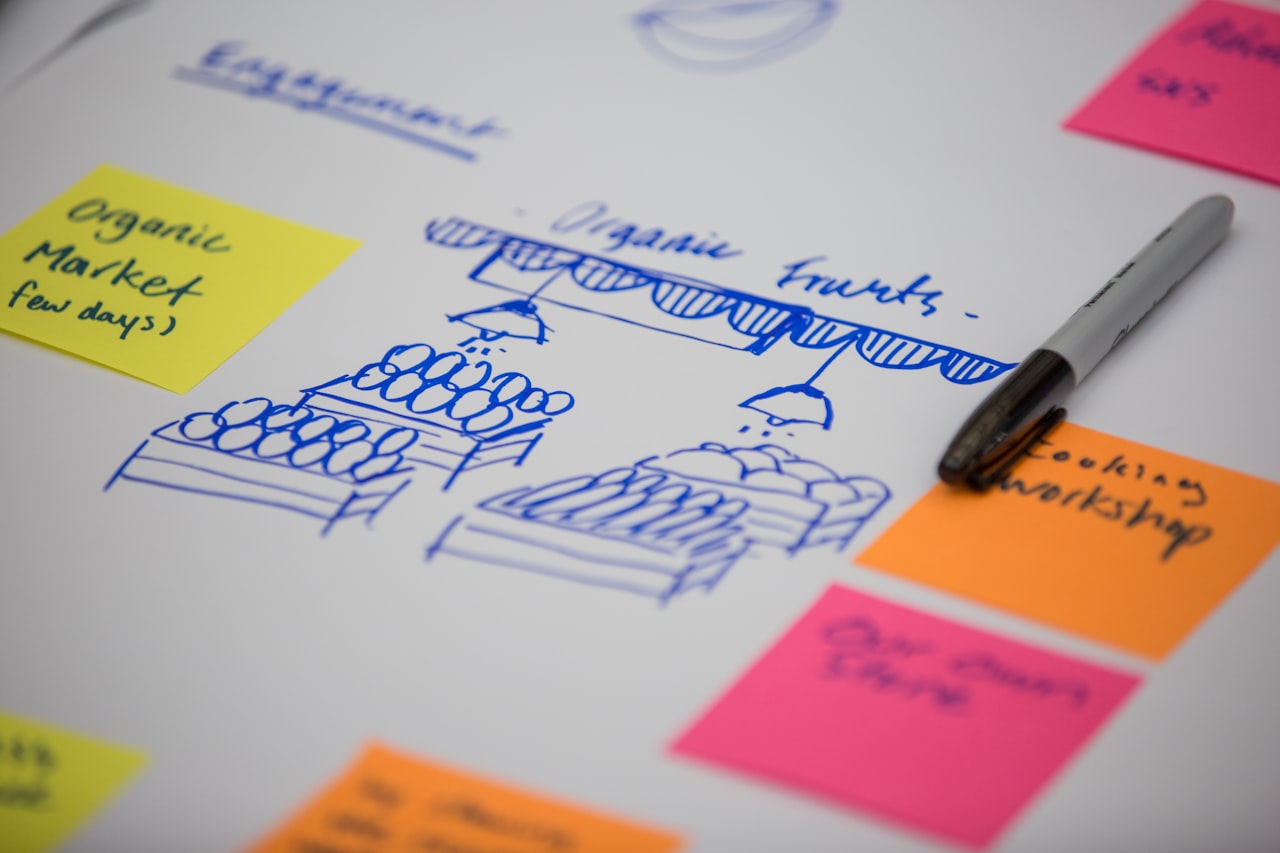
For a typical SME product launch, allocate roughly 40 percent of your launch budget to paid media (ads, sponsored content, influencer fees), 25 percent to content creation (video, copywriting, design), 15 percent to PR and earned media activities, 10 percent to tools and technology (email platform, analytics, project management) and 10 percent to contingency.
For a lean launch with a total budget of SGD 10,000 to SGD 20,000, focus on two to three channels maximum. Trying to be everywhere with a small budget produces mediocre results everywhere. For a more ambitious launch in the SGD 50,000 to SGD 100,000 range, you can afford a multi-channel approach with professional content production, influencer partnerships and sustained paid media.
Common Budget Mistakes
The most common mistake is spending the entire budget before launch day, leaving nothing for post-launch activities. Reserve at least 30 percent of your total budget for weeks two through twelve. Another frequent error is underinvesting in content production. Cheap, generic content undermines even the best media strategy. Invest in quality — it pays for itself in higher conversion rates and stronger brand perception.
Frequently Asked Questions
How far in advance should I start planning a product launch in Singapore?
Start planning at least 12 weeks before your intended launch date. This gives you enough time for market research, content production, audience building and operational readiness. For complex products or launches involving retail partnerships and PR, 16 to 20 weeks is more realistic. Rushing the pre-launch phase almost always results in weaker launch performance.
What is a realistic budget for a product launch in Singapore?
For an SME launching a consumer product in Singapore, a minimum viable launch budget is SGD 10,000 to SGD 15,000, covering basic paid ads, content creation and PR activities. A mid-range launch typically costs SGD 30,000 to SGD 60,000. Enterprise-level launches with multi-channel campaigns, event activations and sustained media spend can exceed SGD 100,000. The key is to match your budget to your revenue targets.
Should I launch on a specific day of the week?
For B2C products, Tuesday through Thursday tends to deliver the best engagement, as consumers are active online but not yet in weekend mode. For B2B products, Tuesday and Wednesday mornings are optimal. Avoid launching on Fridays, weekends or public holidays unless your product specifically targets leisure activities. In Singapore, also avoid launching during major cultural events like Chinese New Year or Hari Raya when attention is elsewhere.
How do I measure whether my product launch was successful?
Define your KPIs before launch and measure against them two weeks and 90 days after launch. Key metrics typically include revenue or sign-ups in the first 14 days, customer acquisition cost, media mentions and share of voice, website traffic and conversion rate, email list growth and social media engagement. Compare actual performance against your minimum, target and stretch goals.
What if my product launch does not go as planned?
Most launches do not go perfectly. If initial results are below expectations, diagnose the problem before making changes. Is traffic low (a reach problem) or is traffic high but conversions are low (a messaging or UX problem)? Gather customer feedback quickly, adjust your messaging and reallocate budget to the channels that are performing. Many successful products had underwhelming launches but gained traction through persistent post-launch marketing.
Do I need a PR agency for my product launch?
Not necessarily, but media relations expertise helps. If your product has a genuine news angle — it is a Singapore first, it solves a significant consumer problem, it involves a notable founder story — a PR agency with established media relationships can secure coverage you would struggle to get independently. In Singapore, PR agency retainers for launch campaigns typically range from SGD 5,000 to SGD 15,000 per month. For simpler launches, direct outreach to journalists can be effective.
How important is social media for a product launch in Singapore?
Very important. Singapore has one of the highest social media penetration rates globally, with over 85 percent of the population active on social platforms. Instagram, TikTok and Facebook are essential for B2C launches. LinkedIn is critical for B2B. However, social media works best as part of an integrated strategy — it amplifies other channels rather than replacing them.
Should I offer a launch discount or promotion?
Launch promotions can accelerate early adoption, but use them strategically. A limited-time offer (first 100 customers get 20 percent off) creates urgency without devaluing your product long-term. Avoid deep discounts that set price expectations you cannot sustain. For SaaS and subscription products, a free trial or freemium tier is often more effective than a discount.
Can I launch a product in Singapore with no existing audience?
Yes, but you will need to invest more heavily in paid media and partnerships to generate initial awareness. Build your audience during the pre-launch phase through lead magnets, content marketing and social media advertising. Partnering with established brands or influencers who already have your target audience can accelerate this process significantly.
How long should a product launch campaign last?
The active launch campaign typically runs for four to six weeks — two weeks of build-up, launch week and one to two weeks of post-launch sustain activity. However, the broader launch effort spans 12 to 16 weeks when you include pre-launch preparation and post-launch optimisation. Plan your team’s capacity and budget across the full timeline, not just launch week.